
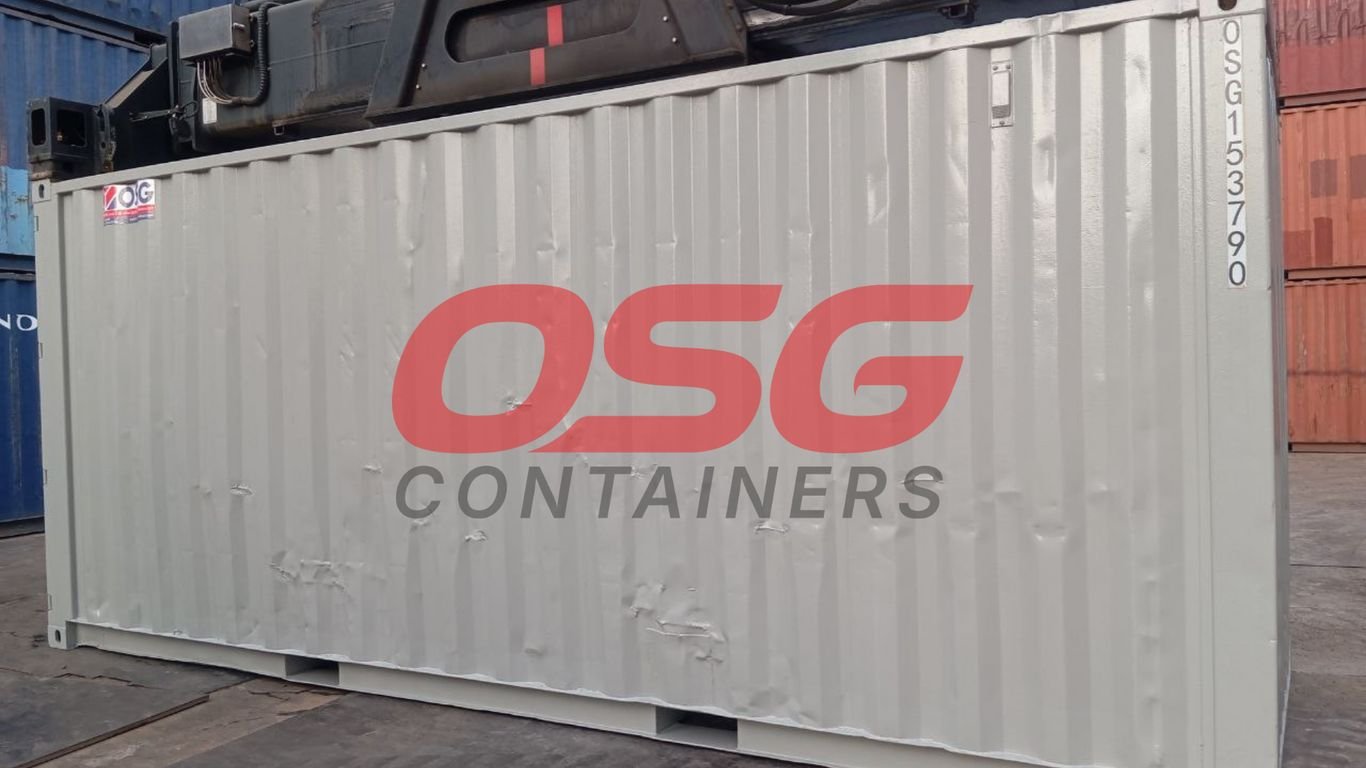
You’ve probably seen those big, metal boxes on trains, ships, or even as pop-up shops in your city. Those are shipping containers, and the most common type is the gp container. If you’re wondering what makes these containers so popular, or why they’re everywhere, you’re in the right place. In this guide, we’ll look at what a gp container is, how it’s built, its usual sizes, and why it’s the go-to for shipping just about anything that doesn’t need special care. We’ll also compare it to other container types and talk about some surprising ways people use them beyond shipping. Let’s get into it.
Key Takeaways
- A gp container, or General Purpose container, is the standard box used for shipping dry goods that don’t need temperature control.
- These containers are made mostly from tough steel, which helps them last a long time and handle rough conditions.
- The two most common sizes are 20-foot and 40-foot gp containers, both built to international standards for easy transport.
- GP containers are different from high cube, refrigerated, or open-top containers—they’re the basic option for most cargo.
- Besides shipping, gp containers are often reused for storage, building projects, and even homes or offices.
Understanding General Purpose Container Basics
You’ve seen them everywhere, right? Those big, metal boxes stacked high at ports, chugging along on trains, or even repurposed into quirky shops and homes. These are shipping containers, and the most common kind you’ll encounter is the GP container. GP stands for General Purpose, and that name really says it all. Think of it as the workhorse of the shipping world, the standard box designed for moving a huge variety of goods across the globe.
Defining the General Purpose Container
A General Purpose container is essentially a standardized, intermodal metal box. Its primary job is to protect dry cargo during transit, whether that’s by ship, train, or truck. Unlike specialized containers, GP units don’t come with built-in refrigeration, ventilation, or other climate control features. They are built to be tough, weather-resistant, and secure, making them suitable for a vast range of non-perishable items. They are the default choice for most shipping needs because they are widely available, cost-effective, and compatible with global logistics infrastructure.
Key Characteristics of GP Containers
What makes a GP container so useful? It boils down to a few key traits:
- Versatility: They can carry a wide array of dry goods, from electronics and furniture to clothing and packaged foods. If it doesn’t need special temperature control, a GP container is likely a good fit.
- Durability: Typically constructed from strong Corten steel, these containers are built to withstand harsh weather conditions and the rigors of long-distance transport.
- Standardization: GP containers are manufactured to international standards (like ISO standards), which means they fit seamlessly into global shipping systems. This uniformity allows for easy handling, stacking, and transfer between different modes of transport.
- Security: They are designed to be lockable and secure, keeping cargo safe from theft and the elements.
The beauty of the GP container lies in its straightforward design. It’s a robust, reliable box that does one thing exceptionally well: protect your goods during transit without fuss.
The Role of GP Containers in Global Trade
These containers are the backbone of modern global commerce. Their standardization means that goods can be moved efficiently and affordably from manufacturers to consumers, regardless of the distance. Ports, trains, and trucks are all designed with these containers in mind, creating a smooth flow for international trade. Without the GP container, the speed and scale of global shipping as we know it wouldn’t be possible. They simplify complex logistics, reduce handling costs, and provide a predictable way to transport goods, making them indispensable for businesses worldwide.
GP Container Dimensions and Specifications
When you’re looking at shipping container used for sale or checking out used cargo containers for sale, the first thing that usually matters is size. General Purpose (GP) containers are built to pretty strict standards, which is why they’re so easy to move around the globe. These standards mean a 20-foot container is pretty much the same size no matter where you find it.
Standard GP Container Sizes
Most of the time, you’ll see two main lengths for GP containers: 20-foot and 40-foot. They both share the same standard width and height, making them easy to stack and handle.
- Width: Typically 8 feet (2.44 meters) wide.
- Height: Usually 8 feet 6 inches (2.59 meters) high. If you see one that’s a foot taller, that’s likely a High Cube model, not a standard GP.
External and Internal Measurements
While the outside dimensions are standardized, the inside space is a bit less. This is due to the thickness of the container walls and doors.
| Size | External (L x W x H) | Internal (L x W x H) | Usable Volume (approx.) | Max Payload (approx.) |
|---|---|---|---|---|
| 20-foot GP | 20′ x 8′ x 8’6" | 19’5" x 7’9" x 7’10" | 1,170 cu ft (33 m³) | 52,910 lbs (24,000 kg) |
| 40-foot GP | 40′ x 8′ x 8’6" | 39’6" x 7’9" x 7’10" | 2,390 cu ft (68 m³) | 58,996 lbs (26,760 kg) |
Remember that these internal measurements are key for figuring out how much you can actually fit inside. Always account for the space your cargo takes up, and don’t forget about how you’ll load it.
Payload and Volume Capacities
When you’re thinking about what to put in a container, you’ve got to consider both how much space you have (volume) and how much weight it can hold (payload). A 20-foot container is great for heavier items because you’ll likely hit the weight limit before you run out of room. On the flip side, a 40-foot container is better suited for lighter, bulkier goods where you need more space.
Materials and Durability of GP Containers
When you look at a General Purpose (GP) container, the first thing you might notice is its solid, no-nonsense build. These aren’t flimsy boxes; they’re engineered to withstand the rigors of global shipping. The backbone of almost every GP container is Corten steel, also known as weathering steel. This material is pretty neat because it forms a protective, rust-like layer on its surface. This layer acts like armor, preventing deeper corrosion and keeping the steel strong for years. This self-protecting quality is a huge reason why GP containers can handle harsh weather and long sea voyages without falling apart.
Construction with Corten Steel
Corten steel is the go-to for a reason. Its unique composition allows it to develop that stable rust patina, which is more than just an aesthetic choice. It’s a functional barrier against the elements. This means less maintenance is needed compared to regular steel, and the container can endure salty air, rain, and sun without significant degradation.
Weather Resistance and Longevity
GP containers are built to last. They face everything from tropical humidity to freezing temperatures, and they need to hold up. The robust construction, combined with the properties of Corten steel, means these containers can serve for decades. Regular inspections and minor repairs can extend their lifespan even further, making them a reliable choice for repeated use.
Structural Integrity for Stacking
Think about how containers are stacked at ports and on ships – sometimes dozens high! GP containers are designed with this in mind. Their strong steel frames and reinforced corners are built to handle immense pressure. This structural integrity is key to efficient logistics, allowing for safe and stable stacking, which maximizes space and minimizes the risk of damage during transit.
Here’s a quick look at what makes them so tough:
- Material: Primarily Corten steel for its corrosion resistance.
- Design: Reinforced corners and structural beams to handle stacking loads.
- Protection: Weather-resistant paint and seals to keep the elements out.
- Longevity: Built to withstand years of intermodal transport.
The materials and design of a GP container are not accidental. Every element is chosen to ensure your goods arrive safely, no matter the journey. From the steel that resists rust to the way the corners are reinforced for stacking, it’s all about durability and reliability.
Applications for General Purpose Containers
General Purpose (GP) containers are the workhorses of the shipping world, and for good reason. Their straightforward design and robust construction make them suitable for a huge range of uses, far beyond just moving goods from one port to another. If you’re looking to buy a used shipping container, understanding these applications can help you see their potential.
Shipping Dry Goods and Manufactured Products
GP containers are the go-to choice for a vast array of everyday items. Think about all the stuff you buy – electronics, clothes, furniture, even non-perishable food items. These are typically shipped in GP containers because they don’t require special temperature control or handling. They’re built to protect these kinds of goods from the elements and the rigors of transit.
- Manufactured Goods: From small electronics to large appliances, these containers keep products safe.
- Textiles and Apparel: Clothing and fabrics travel securely, protected from moisture and damage.
- Packaged Foods: Non-perishable items like canned goods, grains, and snacks are commonly transported.
- Furniture and Home Goods: Protecting your belongings during a move or shipment is a key role.
The sheer volume of dry goods moved globally relies heavily on the availability and reliability of GP containers.
Utilizing GP Containers for Storage
Beyond shipping, these containers are incredibly popular for on-site storage. Businesses often buy a used shipping container to keep equipment, materials, or inventory secure and protected from weather. They’re a cost-effective and durable solution for temporary or long-term storage needs.
- Construction Sites: Storing tools, materials, and machinery safely.
- Retail Businesses: Extra inventory space, especially during peak seasons.
- Warehousing: Supplementing existing storage capacity.
- Personal Storage: For individuals needing secure space for belongings.
When you need a secure, weatherproof space that can be placed almost anywhere, a GP container is a smart choice. They offer a solid barrier against the elements and theft, making them a practical storage solution.
Creative Uses Beyond Traditional Shipping
People have gotten really creative with GP containers. Their sturdy, modular nature lends itself to all sorts of repurposing. You’ll find them used as pop-up shops, cafes, offices, and even as parts of homes or studios. If you’re considering shipping container sales used, think about these innovative possibilities.
- Pop-Up Shops and Cafes: Creating unique retail or food service spaces that can be moved.
- Office or Workshop Conversions: Transforming a container into a functional workspace.
- Modular Housing: Using containers as building blocks for homes or shelters.
- Art Installations and Studios: Providing a durable canvas or space for creative projects.
| Use Case | Example |
|---|---|
| Retail | Pop-up boutique |
| Food Service | Coffee stand |
| Workspace | Backyard office |
| Storage | Garden shed |
| Housing | Tiny home module |
Comparing GP Containers to Specialized Units
So, you’ve got your cargo, and you’re looking at containers. General Purpose (GP) containers are the workhorses, right? They’re great for a lot of stuff, but they’re not the only game in town. Sometimes, you really need something a bit more specific. Let’s break down how GPs stack up against some of the other common container types out there.
GP Containers Versus High Cube Models
Think of High Cube (HC) containers as the taller cousins of standard GP containers. They share the same footprint – the length and width are identical. The big difference is that extra foot of height. A standard GP container is 8 feet 6 inches tall, while a High Cube can reach up to 9 feet 6 inches. This extra vertical space can be a lifesaver for bulky items or when you just need to maximize every inch of volume.
| Feature | Standard GP Container | High Cube Container |
|---|---|---|
| Height | 8 ft 6 in (2.59 m) | 9 ft 6 in (2.90 m) |
| Primary Use | General dry cargo | Bulky, tall items |
| Cost | Standard | Slightly higher |
If you’re shipping regular boxed goods, a GP is usually the way to go. But if you’re dealing with furniture, large appliances, or anything that eats up vertical space, that extra foot in a High Cube might be worth the small price increase. It really comes down to whether that extra height is a necessity or just a nice-to-have.
GP Containers Versus Refrigerated Units
This is where the distinction gets pretty clear. GP containers are designed to keep your goods dry and protected from the elements. They don’t have any built-in climate control. If your cargo is sensitive to temperature – think fresh produce, pharmaceuticals, or frozen foods – a GP container just won’t cut it. You’ll need a refrigerated container, often called a ‘reefer.’ These units have their own power units to maintain specific temperatures, whether that’s cold or even warm.
- Refrigerated (Reefer) Containers: Essential for perishables, medicines, and anything requiring precise temperature control.
- Open-Top Containers: These have a removable roof, usually made of tarpaulin, making them ideal for cargo that needs to be loaded from the top, like machinery or oversized items that won’t fit through standard doors.
- Flat Rack Containers: Basically a base with sides that fold down. They’re perfect for very large, heavy, or awkwardly shaped items like vehicles, boats, or construction equipment that can’t fit into a standard box.
When you start looking at specialized containers like reefers, open-tops, or flat racks, you’re moving into territory where the GP container simply can’t compete. These units are built for very specific challenges that go beyond just keeping things dry.
When to Select a GP Container
So, when is the humble GP container the right choice? It’s pretty straightforward, really. You’ll want to stick with a GP if:
- Your cargo doesn’t require temperature control (no refrigeration or heating needed).
- Your items fit comfortably within the standard height of 8 feet 6 inches.
- You’re looking for a cost-effective and widely available solution for dry goods.
- Your shipment isn’t unusually shaped, oversized, or hazardous.
Basically, if your goods are dry, relatively standard in size, and don’t need a specific climate, a GP container is likely your best bet. It’s the reliable, no-frills option that handles the bulk of global trade for a reason.
Choosing the Right GP Container for Your Needs
So, you’ve decided a General Purpose (GP) container is likely the way to go for your shipment. That’s a smart move for a lot of cargo, but picking the exact right one still matters. It’s not just about grabbing any old box; there are a few things to think about to make sure your stuff gets there in one piece and without costing you an arm and a leg.
Evaluating Cargo Requirements
First off, what exactly are you shipping? This is the big question. GP containers are fantastic for dry goods – think electronics, furniture, clothing, non-perishable food items, machinery parts, you name it. But they’re not for anything that needs temperature control. If your items are going to melt, freeze, or spoil if the temperature isn’t just right, you’ll need a specialized unit like a refrigerated container (a "reefer"). Also, consider the weight and bulk. Are you shipping a few heavy machines, or a whole lot of light, fluffy stuff like textiles?
- Weight: Heavy items might fill up a 20-foot container by weight before they fill it by space.
- Volume: Lighter, bulkier items might be better suited for a larger container where you can utilize the space more fully.
- Fragility: While GP containers are sturdy, extremely delicate items might need extra padding or specific loading techniques.
Remember, GP containers are essentially tough, weather-resistant boxes. They protect from rain, wind, and the general knocks of transit, but they don’t actively manage the internal environment beyond that.
Understanding Size Options: 20-Foot vs. 40-Foot
This is where the "General Purpose" really comes into play – you have options! The most common sizes are the 20-foot and 40-foot containers. They’re both the same width and height, but the length is the main difference.
| Size | External Dimensions (L x W x H) | Approximate Internal Volume | Max Payload (Approx.) |
|---|---|---|---|
| 20-Foot | 20′ x 8′ x 8’6" | 1,170 cubic feet | 52,910 lbs |
| 40-Foot | 40′ x 8′ x 8’6" | 2,390 cubic feet | 58,996 lbs |
- 20-Foot Containers: These are your go-to for heavier, denser cargo. If you’re shipping something like industrial equipment or construction materials, you’ll likely hit the weight limit before you run out of space. They’re also easier to maneuver in tighter spots.
- 40-Foot Containers: If you’ve got a lot of lighter goods, like furniture, clothing, or packaged consumer products, the 40-footer gives you more room to play with. You can fit more items, and often, the cost per cubic foot is better with the longer container, assuming your cargo isn’t excessively heavy.
Cost-Effectiveness of General Purpose Containers
Generally speaking, GP containers are the most budget-friendly option out there. Because they’re the standard and used for the widest range of goods, their availability keeps prices competitive. When you compare them to specialized containers – like refrigerated units, open tops, or flat racks – the cost difference can be quite significant. Opting for a GP container when your cargo doesn’t require special handling is almost always the most economical choice. It’s about matching the container to the need; paying for features you don’t use just eats into your profit margin. So, if your goods are dry, non-perishable, and not unusually shaped or sized, the GP container is your best bet for keeping shipping costs down.
Wrapping It Up
So, we’ve gone over what GP containers are all about. They’re basically the standard, no-frills boxes you see moving goods all over the place. If you’re shipping stuff that’s dry and doesn’t need any special temperature control, these are usually the ones doing the heavy lifting. They’re built tough, easy to find, and their standard sizes make planning shipments way simpler. Whether you’re shipping a truckload of clothes or just curious about those big metal boxes, knowing about GP containers helps. Next time you see one, you’ll have a better idea of why it’s there and what it’s doing.
Frequently Asked Questions
What does ‘GP’ actually mean on a shipping container?
GP stands for ‘General Purpose.’ It’s like the all-arounder of shipping boxes, meaning it’s made for carrying most kinds of dry stuff that doesn’t need special temperature control, like clothes, furniture, or electronics.
What are these containers made out of, and why are they so tough?
They’re usually built from strong steel, often a special kind called Corten steel. This steel is great because it can handle rough weather, resist rust, and is strong enough to be stacked high without breaking.
Are all GP containers the same size?
Not exactly, but they do come in standard sizes, most commonly 20 feet or 40 feet long. They all have the same width and height, though, so they can be easily stacked and moved around the world on ships, trains, and trucks.
Can I ship food or other items that need to stay cold in a GP container?
Nope, GP containers are best for dry items. If you need to ship things that must be kept cold, like fruits, veggies, or frozen goods, you’ll need a special ‘refrigerated’ or ‘reefer’ container.
Why are GP containers used for more than just shipping, like building projects?
Because they’re super strong, weatherproof, and can be moved easily, people reuse them for all sorts of things! They make great storage units, small offices, or even unique homes and art projects.
What’s the main difference between a GP container and a ‘High Cube’ container?
The biggest difference is the height. High Cube containers are about a foot taller than standard GP containers. This extra space is useful for carrying taller items or just fitting more stuff inside.


