
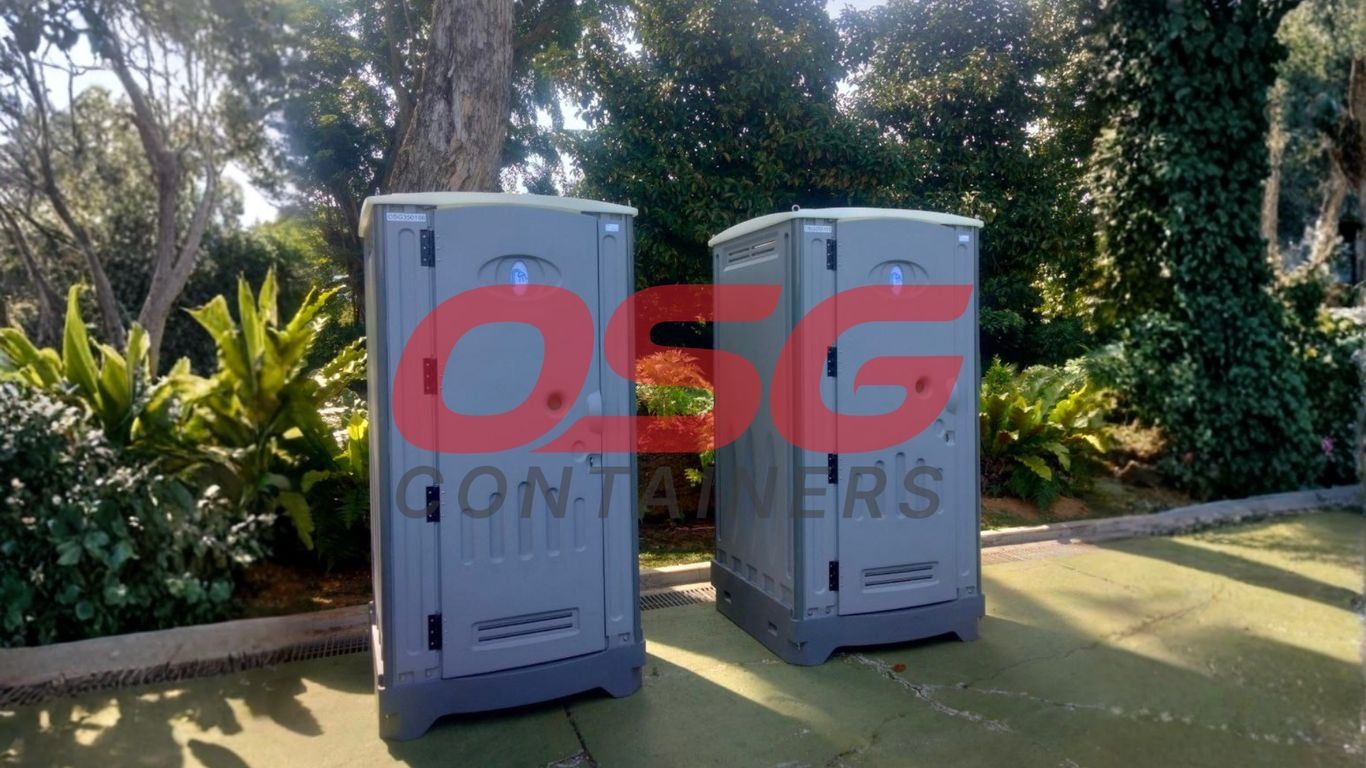
So, you’re wondering what makes a contianer toilet a good choice for places without regular bathrooms? It’s not just about having a place to go when you’re out and about. These units are built tough, handle waste pretty smartly, and can be used just about anywhere. Forget those flimsy old porta-potties; we’re talking about something a bit more serious here. Let’s break down why they’re popping up more and more.
Key Takeaways
- Container toilets are built strong and can handle rough weather, making them reliable for outdoor use year-round.
- Their self-contained systems manage waste and smells effectively, needing regular servicing but no direct hookups.
- These units are super versatile, used on construction sites, in remote areas, and for temporary events.
- Choosing the right contianer toilet involves looking at different types, from basic to more comfortable options, including accessible models.
- Container toilets help save water and reduce the load on sewage systems, offering a greener sanitation choice.
Durability And Weather Resistance Of Container Toilets
When you’re setting up facilities in places that aren’t exactly your typical office building, you need things that can take a beating. Container toilets are built tough, plain and simple. They usually start with a strong steel frame, which means they can handle a lot of foot traffic and general wear and tear without falling apart. Think about construction sites or busy outdoor events – these units are designed to keep up.
Robust Construction For Heavy Use
These aren’t flimsy plastic boxes. The sturdy build means they can withstand constant use, day in and day out. Whether it’s people rushing in and out or just the general bumps and scrapes that happen on a work site, a container toilet is made to last. They’re engineered to be a reliable fixture, not something you have to worry about breaking down after a few weeks.
All-Weather Performance Capabilities
Weather can be a real problem for temporary structures. Container toilets, however, are made to handle it. They’re designed to perform well whether it’s blazing hot, freezing cold, or pouring rain. The materials used are chosen for their resilience against the elements, so you don’t have to worry about rust, extreme temperature damage, or leaks compromising the unit.
Year-Round Functionality In Diverse Climates
This all-weather capability means you can count on these units no matter the season or location. Some models are even rated to function in temperatures as low as -30°C. This makes them suitable for use in pretty much any climate, from scorching deserts to frigid northern regions. They provide a consistent level of service regardless of what the weather is doing outside.
The ability to withstand harsh conditions and heavy use is a major reason why container toilets are becoming the go-to choice for temporary sanitation needs. They offer a dependable solution that doesn’t compromise on functionality or user experience, even in challenging environments.
Understanding The Self-Contained System
Robust Construction For Heavy Use
Forget those old, basic porta-potties you might remember. Modern container toilets are a whole different ballgame when it comes to sanitation on busy sites. They’re built to be tough, easy to use, and frankly, a lot more pleasant than their predecessors. These units are designed to handle heavy use and provide a reliable restroom solution wherever you need it. They’re not just about basic needs; they’re about maintaining a decent standard of hygiene and comfort, even in the middle of nowhere. The core of a container toilet’s functionality lies in its self-contained system. Waste drops into a sealed holding tank beneath the seat, where a specialized chemical solution immediately gets to work. This solution is designed to neutralize odors, break down solid waste, and inhibit bacterial growth, keeping the unit sanitary between servicing.
All-Weather Performance Capabilities
When you’re setting up temporary facilities, the last thing you want is for them to fall apart. Container toilets are built tough, usually with strong steel frames. This means they can handle a lot of use and don’t get easily damaged, even when people are rushing in and out all day. Plus, they’re made to stand up to whatever the weather throws at them. We’re talking about everything from scorching sun to freezing rain. Some units can even work in temperatures as low as -30°C, which is pretty wild but means they’re good for year-round use in pretty much any climate.
Year-Round Functionality In Diverse Climates
These units are designed to be practical. They don’t need a water connection or a sewer line, making them perfect for temporary setups. When it’s time for service, a specialized vacuum truck comes to empty the tank, clean the unit, and restock the chemicals and supplies. It’s a straightforward process that keeps the units ready for use. Ventilation pipes also play a role, allowing warmer, odor-carrying gases to escape upwards and out, while cooler outside air is drawn in, helping to manage smells.
Here’s a general idea of service periodicity based on usage:
- Low Usage: Once every 2-4 weeks might be enough.
- Moderate Usage: Weekly servicing is usually a good bet.
- High Usage: Daily or even multiple cleanings per week might be necessary.
Keeping container toilets in good working order is pretty straightforward, but it does need a bit of attention. Think of it like keeping your car running smoothly – regular check-ups make a big difference. Consistent maintenance prevents bigger headaches down the road.
Versatile Applications For Container Toilets
Beyond Construction Sites
While construction sites are a huge part of where you’ll see container toilets, their usefulness stretches way beyond that. Think about large outdoor festivals, temporary markets, or even emergency response situations. These events often pop up in places without existing plumbing, and that’s where these units shine. They provide a reliable, clean, and private space for attendees, which is a big step up from the older, less comfortable options. They offer a practical sanitation solution that can be deployed quickly and efficiently, no matter the location.
Remote And Industrial Operations
For industries that operate far from civilization, like mining, logging, or large-scale agriculture, reliable sanitation is a must. Running permanent plumbing to these remote areas is often impossible or just too expensive. Container toilets are a lifesaver here. They can be set up at temporary camps or work sites, providing essential facilities for workers. They’re built tough to handle rough conditions and can be serviced regularly, making them a dependable choice for long-term remote operations.
Here’s a look at some common remote applications:
- Mining Camps: Providing facilities for workers in isolated extraction sites.
- Agricultural Operations: Serving seasonal workers during planting or harvesting.
- Logging Sites: Ensuring sanitation in remote forest areas.
- Oil and Gas Fields: Supporting crews in off-grid exploration and extraction zones.
Temporary Research Stations
Scientists and researchers often set up temporary bases in unique or hard-to-reach environments, from desert outposts to arctic research stations. These locations rarely have access to traditional sewage systems. Container toilets provide a necessary and hygienic solution, allowing research teams to focus on their work without worrying about basic facilities. Their ability to withstand various climates and operate independently makes them ideal for these scientific endeavors.
Setting up a temporary facility, whether for a festival or a research project, means you need to think about everything. Sanitation is a big one. Container toilets solve this by being self-sufficient. They don’t need water hookups or sewer lines, which simplifies things a lot. When it’s time for them to be cleaned out, a special truck comes and takes care of it. It’s a pretty straightforward process that keeps the units ready to go.
Choosing The Right Container Toilet Solution
Picking the right container toilet isn’t a one-size-fits-all deal. It really depends on what you need it for. Think about the job site, the number of people using it, and how long it’ll be there. You’ve got a whole range of options these days, way beyond those basic blue boxes.
Standard Units To Luxury Trailers
For straightforward needs, standard units are your go-to. They’re built tough, usually with steel frames, and offer better ventilation than older models. But if you’re looking for something more, especially for events or longer-term projects where comfort matters, luxury trailers are a game-changer. These can feel more like a real restroom, sometimes even with sinks, mirrors, and climate control. It’s all about matching the unit to the user experience you want to provide.
ADA-Compliant And Hybrid Options
Accessibility is a big deal. You’ll find units specifically designed to meet ADA requirements, making sure everyone can use them comfortably. Then there are hybrid solutions, which often combine toilet facilities with handwashing stations. This setup is super convenient, especially when space is tight or you want to streamline sanitation services. It’s a smart way to offer a complete hygiene point in one package.
Matching Unit To User Experience
The ultimate goal is to select a toilet container that aligns with the comfort and functional needs of the users. Consider the duration of use, the expected number of users, and the overall impression you want to make. For instance, a construction site might prioritize durability and ease of servicing, while a special event could call for a more aesthetically pleasing and comfortable trailer. If you’re looking at options in Malaysia, understanding local availability and service providers for your chosen toilet container is also key.
When selecting a container toilet, think beyond just the basic function. Consider the overall user experience, the site’s specific demands, and the long-term implications for maintenance and user satisfaction. This thoughtful approach ensures you get a solution that truly fits your needs.
Here’s a quick look at some common types:
- Standard Units: Robust, basic facilities for general use.
- Luxury Trailers: Offer enhanced comfort, often with amenities like sinks and climate control.
- ADA-Compliant Units: Designed for accessibility, ensuring ease of use for individuals with disabilities.
- Hybrid Units: Combine toilet facilities with handwashing stations for added convenience.
The Evolution Beyond Basic Porta-Potties
Elevating On-Site Sanitation Standards
Remember those old, blue porta-potties? Yeah, we’ve come a long way since then. Container toilets are a whole different story now. They’re built way tougher, feel a lot more comfortable, and honestly, they just smell better. These aren’t your grandpa’s portable toilets; they’re designed for heavy use and to keep things hygienic, even when you’re miles from anywhere. Think of them as a serious upgrade for any site that needs reliable facilities.
Customizable Solutions For Specific Needs
What’s really cool is how adaptable these units are. You can often get them customized, which means they can be tweaked to fit exactly what a particular job or event needs. This is a big deal because it means better waste management and odor control, making the whole experience much more pleasant. They’re usually made from strong stuff, like steel frames, so they can handle rough weather and constant use. This makes them a solid choice, whether you’re looking for a basic setup or something a bit more.
Improved Waste Management And Odor Control
At the heart of it, these modern units have smart systems. Waste goes into a sealed tank underneath, where special chemicals get to work right away. These chemicals are key – they break down waste, stop smells from getting out, and keep bacteria from growing. Plus, good ventilation pipes help let any lingering odors escape upwards. It’s a simple but effective setup that keeps the units fresh between cleanings. For anyone needing a reliable mobile toilet malaysia or anywhere else, these container toilets are a game-changer.
Here’s a quick look at what makes them better:
- Robust Construction: Built with sturdy materials to withstand weather and heavy use.
- Advanced Chemical Treatments: Special solutions in the holding tanks neutralize odors and break down waste.
- Effective Ventilation: Systems designed to manage airflow and keep the interior fresh.
- Customization Options: Units can often be adapted to specific site requirements.
The shift from basic porta-potties to container toilets represents a significant leap in providing practical, dignified sanitation solutions for temporary or remote locations. It’s about more than just a place to go; it’s about maintaining standards of comfort and hygiene that workers and guests deserve.
Key Features For Enhanced User Experience
Nobody likes being stuck in a cramped, stuffy space, right? That’s why the design of container toilets really focuses on making things as comfortable as possible for whoever needs to use them. It’s not just about having a place to go; it’s about making that experience as pleasant as it can be, even when you’re out in the middle of nowhere.
Built-In Hygiene Amenities
These units often come with more than just the basics. You’ll frequently find built-in hand sanitizer dispensers right inside the door. This is a huge plus for keeping hands clean, especially on sites where running water isn’t readily available. Some models even include small sinks with running water, though these are less common in the most basic setups. The surfaces inside are usually treated with antimicrobial coatings, which helps cut down on germs and makes cleaning easier. The inclusion of these hygiene features makes a big difference in user confidence and overall site cleanliness.
Natural Light And Spacious Feel
Forget those dark, claustrophobic porta-potties of the past. Many container toilets are designed with translucent roofs. This lets in a good amount of natural light, making the interior feel much brighter and more open. It really changes the whole vibe, making the space feel less like a confined box and more like a functional, albeit small, room. This simple addition can significantly reduce any feelings of unease or discomfort.
Advanced Waste Holding And Chemical Treatments
Inside the base of these units is a holding tank, typically around 60 gallons. This isn’t just a passive container; it’s an active part of the system. A special chemical treatment is added to the waste. This stuff is pretty clever: it helps break down solid waste, neutralizes odors so things don’t get too stinky, and stops bacteria from growing. It usually gives the contents a bright blue color, which helps mask the appearance and also serves as a visual cue. When the blue starts to turn green, it’s a good sign that the tank is getting full and needs servicing.
Here’s a quick look at what you might find:
- Antimicrobial surfaces: Help keep germs at bay.
- Non-slip flooring: Adds an extra layer of safety.
- Ventilation systems: Keep the air fresh and reduce odors.
- Translucent roofing: Lets in natural light.
The effectiveness of the waste treatment chemicals is key to maintaining a pleasant environment. These treatments work to break down waste and control odors, making the units far more acceptable for extended use compared to older portable toilet designs. It’s a critical component that directly impacts user satisfaction and the overall hygiene of the site.
Environmental Benefits Of Container Toilets
Water Conservation Advantages
Container toilets are pretty good when it comes to saving water. Unlike regular flush toilets that can use gallons and gallons with every flush, these units are designed to be much more efficient. Some use a special chemical system that doesn’t need much water at all, and others might not use any water for flushing. This is a big deal, especially in areas where water is already in short supply. It means less strain on local water resources.
Reduced Load On Sewage Systems
Think about how many people use toilets every day. All that waste usually goes into the main sewer lines. Container toilets, however, collect waste in their own tanks. This waste is then treated with special chemicals to break it down and control odors. This means less raw sewage is dumped directly into municipal systems. It can help prevent backups and reduce the burden on wastewater treatment plants, which is better for local rivers and streams.
Lower Energy Consumption
Many container toilets don’t need a constant power supply to work. They don’t need to be hooked up to the main water lines either. This means they generally use less electricity compared to permanent restroom facilities that might need pumps or lights running all the time. Less energy use translates to a smaller carbon footprint, which is always a good thing for the planet.
These units offer a practical way to handle sanitation needs without the heavy environmental cost associated with permanent fixtures. Their design prioritizes resource efficiency, making them a responsible choice for a variety of applications.
Here’s a quick look at how they help:
- Water Savings: Use significantly less water per flush compared to standard toilets.
- Waste Management: Reduces the direct load on municipal sewer lines.
- Energy Efficiency: Minimal to no electricity required for basic operation.
- Resource Use: Avoids the material and energy costs of constructing permanent restrooms.
Wrapping It Up
So, when you really boil it down, container toilets are a pretty solid choice for outdoor spots. They’re built tough to handle rough weather and lots of use, which is a big deal when you’re not exactly in a climate-controlled building. Plus, they’ve got systems to keep smells in check and are designed to be practical, especially when hooking up to regular plumbing just isn’t an option. Whether it’s a busy construction site or a remote campsite, these units offer a clean and reliable way to handle sanitation without a fuss. They’re a step up from the old basic models and make a lot of sense for a lot of different outdoor situations.
Frequently Asked Questions
What makes container toilets good for outdoor use?
Container toilets are built really strong, like with tough steel frames, so they can handle lots of use and don’t break easily. They’re also made to handle all kinds of weather, from hot sun to cold rain, making them useful all year round in different places.
How do container toilets handle waste and smells?
These toilets have a special system. Waste goes into a tank below, where a special liquid works to get rid of smells and break down the waste. They also have vents that let bad air out and fresh air in, keeping things smelling better.
Where can I use container toilets besides construction sites?
You can find container toilets in many places! They’re great for farms, remote work camps, outdoor events like festivals, or even temporary research spots. They’re a good choice when it’s hard or too expensive to set up regular bathrooms.
Are there different kinds of container toilets available?
Yes, there’s a big variety! You can find basic, sturdy units, or even fancy ones that feel like a real bathroom with sinks and air conditioning. There are also special ones that are easy for people with disabilities to use, and some that combine toilets with handwashing stations.
How are container toilets better than old-fashioned porta-potties?
Container toilets are a big upgrade. They’re usually bigger, much stronger, and have features that make them more comfortable and cleaner. They also have better ways to manage waste and control smells, making them a more pleasant experience.
What are the good things about container toilets for the environment?
Container toilets are eco-friendly because they use very little water, or sometimes none at all, which saves a lot. They also don’t put as much strain on city sewer systems. Plus, they usually don’t need much electricity, which means less energy is used overall.