
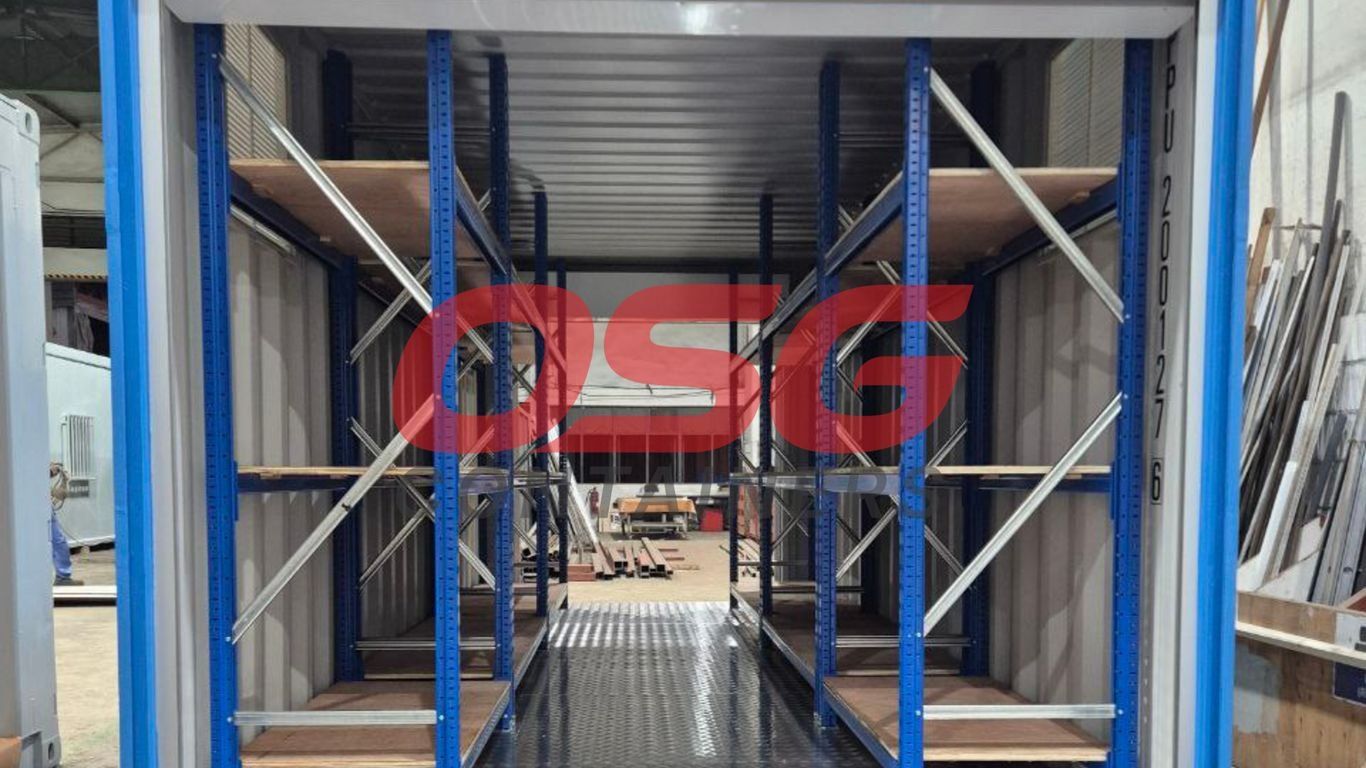
If you’ve ever wondered about the container 40 feet you see on highways or stacked at ports, you’re not alone. These big metal boxes are everywhere, and there’s a reason for that. They’re reliable, tough, and surprisingly versatile. Whether you’re shipping goods across the world or need extra storage space at a job site, understanding the dimensions and uses of a container 40 feet can make a real difference. Let’s break down what makes these containers such a go-to choice for so many people and businesses.
Key Takeaways
- A container 40 feet usually measures about 40 feet long, 8 feet wide, and just over 8 feet high, but the high cube version is a foot taller.
- These containers are great for moving lots of stuff efficiently, helping you save money on shipping by fitting more in one trip.
- They work well with trucks, trains, and ships, making it simple to move cargo from one mode of transport to another.
- Besides shipping, a container 40 feet is often used for storage, pop-up shops, or even converted into offices or homes.
- Before buying or renting, check the container’s condition, confirm it fits your needs, and make sure you follow any local rules about placement or weight.
Standardized Dimensions of a Container 40 Feet
External and Internal Measurements
The 40 feet container, a workhorse in global shipping, comes with pretty standard measurements that make it easy to handle across different transport methods. Think of it as a big, metal box that fits just right on ships, trains, and trucks. These dimensions are key to how efficiently goods move around the world.
Here’s a quick look at the typical sizes:
| Measurement Type | 40′ Standard Container | 40′ High Cube Container |
|---|---|---|
| External Length | 40 ft | 40 ft |
| External Width | 8 ft | 8 ft |
| External Height | 8 ft 6" | 9 ft 6" |
| Internal Length | 39 ft 5" | 39 ft 5" |
| Internal Width | 7 ft 8" | 7 ft 8" |
| Internal Height | 7 ft 10" | 8 ft 10" |
As you can see, the main difference between the standard and the high cube 40ft container is the height. That extra foot in the high cube really adds up when you’re trying to fit more stuff.
Comparison Between Standard and High Cube Variants
When you’re looking at 40 foot containers, you’ll mostly run into two types: the standard and the high cube. The standard 40ft container has been around forever and does a solid job for most shipping needs. It’s built to fit into tight spots on ships and is generally a bit cheaper.
The high cube, though, is where things get interesting for maximizing space. It’s the same length and width as the standard, but it’s a whole foot taller. This extra height gives you about 10% more room inside, which is a big deal if you’re shipping bulky items or things that don’t weigh much but take up a lot of space. Think furniture, lightweight manufactured goods, or even materials for construction.
Choosing between the two often comes down to what you’re shipping. If every inch counts and you’re dealing with taller items, the high cube is usually the way to go. For general cargo, the standard might be perfectly fine and a bit easier on the wallet.
Floor Space and Usable Volume
Let’s talk about how much you can actually fit inside these things. The floor space for both the standard and high cube 40 feet container is pretty much the same, around 306 square feet. That’s a decent area to work with, giving you a good amount of room to lay things out.
However, the usable volume is where the high cube really shines. While the standard container offers a good amount of space, the high cube’s extra height means you can pack more vertically. This translates to a larger cubic capacity, making it a more efficient choice for certain types of cargo. It’s all about making the most of that space, whether you’re shipping across the ocean or just need some extra storage.
Key Benefits of Using a Container 40 Feet for Shipping
So, why are these 40-foot containers such a big deal in shipping? Honestly, it boils down to a few really solid advantages that make them a go-to choice for moving goods around the world. They’re not just big boxes; they’re designed to make the whole process smoother and more reliable.
Maximizing Payload Efficiency
One of the biggest draws of a 40-foot container is how much stuff you can fit inside. Think about it – you’re shipping a lot of product, and you want to get as much as possible into each container to keep costs down. These containers are built to hold a serious amount of weight, often around 28 to 30 metric tons. This means fewer containers are needed for a large shipment, which directly cuts down on your shipping expenses and makes the whole operation more streamlined.
Intermodal Compatibility Across Transport Modes
This is where the real magic happens. These containers aren’t just for ships. Because they’re built to standard sizes, they can hop from a ship to a train, and then onto a truck without you having to repack everything. This "intermodal" capability is a huge time and money saver. It means your cargo can move pretty much anywhere without a hitch, making global logistics a lot less complicated.
Here’s a quick look at how they fit into different transport:
- Sea Freight: Designed to stack securely on container ships.
- Rail Transport: Easily loaded onto flatbed rail cars.
- Road Transport: Fit onto standard truck chassis for final delivery.
Enhanced Security and Weather Resistance
Let’s face it, shipping involves some rough handling and unpredictable weather. A 40-foot container is built tough. They’re made from strong steel, which means they can handle being stacked high, moved by cranes, and exposed to the elements. This robust construction acts like a fortress for your goods, protecting them from rain, wind, and any bumps along the way. You can have a bit more peace of mind knowing your cargo is well-shielded.
The standardized design of these containers means they’re built to withstand significant stress and environmental factors, offering a reliable protective shell for a wide variety of cargo types during long-haul transit.
Optimizing Cargo Packing and Loading Strategies
Packing and loading a 40-foot container isn’t just a matter of stacking boxes in a line. Planning ahead and knowing a few tricks can help you get the most out of every square inch, keep your cargo safe, and avoid surprises during transport.
Best Practices for Secure Packing
- Start with the heaviest, bulkiest items first. Place these against the floor and sides for better weight distribution.
- Always use high-quality packing materials—strong boxes, bubble wrap, and lots of tape do make a difference.
- Secure loose items using ratchet straps or cargo netting to prevent movement during the journey.
- Fill empty spaces with soft furnishings or packing foam, both to protect fragile goods and to make sure everything stays put.
- Don’t forget to note the container number somewhere safe, just in case you need it later.
Spend extra time at the start making sure your heaviest goods are in, strapped down, and positioned low—it’ll save you headaches (and broken stuff) at your destination.
Tips for Efficient Use of Interior Space
- Stack vertically whenever possible, maximizing the container’s height.
- Use pallets for anything stackable—this not only speeds up loading and unloading but protects your goods, too.
- Group similar sized boxes together for easier stacking and support.
- Keep a walkway if you’ll need access to certain items during storage, otherwise pack tight to reduce shifting.
| Packing Method | Benefits |
|---|---|
| Palletizing | Fast loading, prevents damage |
| Loose Stacking | Flexible, good for odd sizes |
| Tiered Cargo Stacking | Protects fragile items |
Vehicle and Special Item Loading Guidelines
- Drain all fuel and disconnect batteries if loading a vehicle.
- Secure the wheels with chocks and use proper lashings—most agents can do this for you if needed.
- Hold on to all important documentation for the vehicle—don’t leave it inside the container.
- For large machinery or overweight items, check the floor strength and avoid stacking anything on top that could shift and damage the load.
Careful loading keeps your cargo safe, maximizes capacity, and helps you avoid damage or claims down the line. A little planning goes a long way when you’re dealing with a 40-foot container.
Selecting the Right Container 40 Feet for Your Needs
So, you’ve decided a 40-foot container is the way to go. That’s a solid choice for a lot of different jobs, whether you’re shipping goods across the ocean or just need some extra space on your property. But before you hand over your cash, there are a few things to think about to make sure you get the right one. It’s not just about picking the biggest box; it’s about finding the one that actually fits what you need it to do.
Assessing Cargo Size and Space Requirements
First off, what exactly are you planning to put inside? This sounds obvious, but really think it through. Are you shipping a bunch of small boxes, or one giant piece of machinery? For general cargo, the standard 40-foot container usually has about 2,700 cubic feet of space. If you’ve got taller items, a High Cube version adds an extra foot of height, giving you more wiggle room. It’s worth sketching out your cargo or even making a rough model to see how it’ll fit. Don’t forget to account for packing materials and any space needed to move things around inside.
Here’s a quick look at the space you get:
| Feature | 40′ Standard | 40′ High Cube |
|---|---|---|
| External Length | 40 ft | 40 ft |
| External Width | 8 ft | 8 ft |
| External Height | 8 ft 6” | 9 ft 6” |
| Internal Length | 39 ft 5” | 39 ft 5” |
| Internal Width | 7 ft 8” | 7 ft 8” |
| Internal Height | 7 ft 10” | 8 ft 10” |
| Floor Space | 306 sq. ft. | 306 sq. ft. |
Quality and Condition Considerations
Now, about the container itself. Are you buying new or used? New containers are, well, new. They’re clean, have no dents or rust, and you know their history (or lack thereof). But they cost more. Used containers, often called ‘one-trip’ or ‘cargo-worthy,’ can save you a good chunk of money. However, you absolutely need to inspect them. Look for:
- Structural Integrity: Check the corners, the roof, and the floor for any signs of major damage, rust holes, or warping. A solid frame is key.
- Door Seals: Make sure the doors close properly and the rubber seals are intact. You don’t want rain or pests getting in.
- Floor Condition: The wooden floor should be solid, without rot or excessive damage. It needs to support the weight of your cargo.
- Previous Use: If it’s not a one-trip container, try to find out what it carried. Some residues might be hard to clean or could affect future use.
Buying a used container can be a smart move financially, but it requires a bit more homework. Don’t be afraid to ask for photos or even visit the yard to see it in person before you commit. A little effort upfront can save you a lot of headaches down the road.
Vendor and Supplier Evaluation
Finding a good seller is just as important as picking the right container. You want someone reputable who knows their stuff. Look for suppliers with good reviews or recommendations from people you trust. Ask about their delivery process, what kind of warranty (if any) they offer, and if they can help with any modifications you might need later on. A reliable vendor will be transparent about the container’s condition and pricing, and they’ll make the whole process smoother. Don’t just go for the cheapest option you find online without doing a little digging first. A little research into the seller can make all the difference.
Common Commercial and Industrial Uses for Container 40 Feet
So, you’ve got a 40-foot container, and you’re wondering what on earth you can do with it besides just shipping stuff across the ocean. Turns out, these big metal boxes are surprisingly versatile. They’re not just for hauling goods from point A to point B anymore; people are getting pretty creative with them.
Freight and Global Trade Applications
This is the bread and butter, right? The 40-foot container is a workhorse for moving goods around the world. Its standardized size means it fits onto ships, trains, and trucks without a fuss, making international shipping way more efficient. Think about all the products you buy – chances are, many of them made their way to you in one of these.
- Maximizing Payload: Businesses use them to pack as much product as possible, cutting down on the number of trips needed.
- Intermodal Travel: They can be loaded onto a ship, then a train, then a truck, all without unloading the cargo in between. Pretty neat.
- Security: They’re built tough, keeping your goods safe from the elements and, well, sticky fingers during transit.
The sheer volume these containers can hold makes them incredibly cost-effective for moving large quantities of goods. It’s all about getting the most bang for your buck when it comes to shipping.
On-Site Storage Solutions
Forget renting a storage unit across town. A 40-foot container can be delivered right to your business location, giving you immediate, secure storage. This is super handy for construction sites needing to keep tools and materials safe, or for businesses that have seasonal inventory or just need extra space without a permanent building.
- Construction Sites: Keep expensive equipment and materials protected from weather and theft.
- Retailers: Store excess stock, seasonal items, or merchandise awaiting display.
- Workshops/Garages: Extra space for tools, parts, or even a temporary workspace.
Conversion for Specialized Applications
This is where things get really interesting. People are taking these containers and turning them into all sorts of things. Need a pop-up shop for an event? Done. How about an extra office space at your factory? Easy. Or even a small apartment? Yep, people do that too.
- Temporary Offices: Provide a sturdy, weather-proof office on-site for projects.
- Retail Kiosks/Pop-Up Shops: A cost-effective way to test a market or sell at events.
- Workshops/Studios: Create a dedicated space for hobbies or small-scale production.
| Application Type | Typical Use Case |
|---|---|
| Storage | Inventory, equipment, materials |
| Office Space | Site management, temporary workspace |
| Retail | Pop-up shops, market stalls |
| Specialized | Art studios, workshops, event facilities |
Container 40 Feet Modification Potential and Customization Options
So, you’ve got a 40 footer container, and you’re thinking, ‘What else can I do with this thing?’ Well, you’d be surprised. These aren’t just big metal boxes for shipping stuff around the globe. They’re actually pretty adaptable if you put your mind to it. The real magic happens when you start thinking about modifications.
Structural Enhancements and Additions
Need to make your container more than just a box? You can definitely do that. Think about adding extra doors for easier access, or maybe some windows to let in natural light if you’re turning it into an office or a workshop. Some people even add partitions inside to create different sections. It really depends on what you’re trying to achieve.
Insulation and Climate Control Upgrades
If you plan on storing sensitive items or using the container in extreme weather, insulation is a big deal. You can add spray foam, rigid panels, or even fiberglass to keep the inside temperature more stable. This is super important if you’re storing electronics, food, or anything that can’t handle big temperature swings. Plus, adding a small AC unit or a heater can make a world of difference.
Installation of Doors, Windows, and Utilities
This is where things get really interesting. You can install standard residential doors and windows, making it feel less like a shipping container and more like a building. For more advanced projects, you can even run electricity to it. This means lights, outlets for tools, or even powering appliances. Plumbing is also an option, though it’s a bit more involved. It really opens up possibilities for turning that 40 footer container into something completely new, like a backyard studio, a small shop, or even extra living space.
Remember, when you’re planning modifications, it’s always a good idea to check local building codes and regulations. You don’t want to put in a bunch of work only to find out it’s not up to par.
Cost Factors and Logistical Considerations
So, you’re looking at 40-foot containers, huh? They’re pretty popular for a reason, but before you jump in, let’s talk about what it actually costs and what you need to think about to get one where it needs to go. It’s not just about the sticker price; there’s more to it.
Understanding Pricing Dynamics
The price you’ll pay for a 40-foot container can really bounce around. It depends on a few things, like whether it’s brand new or used, the type (standard or high cube), and its general condition. A used one might save you some cash upfront, but you’ve got to check it carefully for rust or damage. New ones cost more, obviously, but you know you’re getting something solid.
Here’s a rough idea of what influences the price:
- Condition: New, one-trip, cargo-worthy, or wind-and-watertight (WWT) all have different price points.
- Type: High cube containers, with their extra height, usually cost a bit more than standard ones.
- Market Demand: Like anything else, if lots of people want them, prices can go up.
- Location: Where you buy it from can affect delivery costs and availability.
Planning Delivery and Site Placement
Getting the container to your site is a big part of the puzzle. You need to figure out how it’s going to get there and where it’s going to sit. This means thinking about:
- Delivery Method: Will it be delivered by a flatbed truck, a tilt-bed truck, or a specialized container chassis? This depends on the size and weight.
- Site Access: Can the delivery truck actually get to where you want the container? Are there tight turns, low bridges, or narrow gates?
- Ground Preparation: The ground needs to be level and firm enough to support the container’s weight, especially when it’s full. You might need concrete blocks, gravel, or even a concrete pad.
- Placement: Where exactly do you want it? Think about accessibility for loading/unloading, potential drainage issues, and any local zoning rules.
Don’t forget to consider the weight. A 40-foot container, even when empty, is heavy. When loaded with cargo, it can weigh many tons. Make sure your site and any equipment used for moving it can handle that load safely.
Regulatory and Weight Limit Compliance
This is super important, especially if you’re shipping goods. You can’t just load a container up with whatever you want and send it on its way. There are rules.
- Weight Limits: Roads and bridges have limits on how much weight they can handle. Your total loaded container weight (container + cargo) must be below these limits for the transport route.
- Customs and Documentation: If you’re shipping internationally, you’ll need all the right paperwork, including customs declarations and shipping manifests. Mistakes here can cause delays and fines.
- Local Ordinances: Some towns or cities have rules about where you can place containers, especially for long-term storage on private property. It’s worth checking with your local planning or zoning department.
Wrapping It Up
So, we’ve gone over the ins and outs of 40-foot containers, from their basic size to how they really changed the game for shipping stuff all over the world. They’re pretty big, sure, but that size is what makes them so useful for moving lots of goods, whether it’s across the ocean or just across the country. Plus, they’re built tough, which means your stuff is usually pretty safe inside. Whether you’re a business looking to ship products or maybe even thinking about turning one into something else, understanding these containers is a good first step. They’re a big part of how things get done these days, and knowing a bit about them can definitely help you out.
Frequently Asked Questions
What are the exact dimensions of a standard 40-foot shipping container?
A standard 40-foot container is about 40 feet long, 8 feet wide, and 8.5 feet tall on the outside. Inside, the space is a little smaller, usually around 39.5 feet long, 7.8 feet wide, and 7.9 feet high.
How much weight can a 40-foot container safely hold?
A 40-foot container can usually carry up to 29 tons (about 26,300 kilograms) of cargo, but the exact weight depends on the type of container and the rules of the country you are shipping in.
What is the difference between a standard and a high cube 40-foot container?
The main difference is the height. A high cube 40-foot container is one foot taller than a standard one, making it 9.5 feet high outside. This gives you more space inside for taller or more items.
Can I use a 40-foot container for both shipping and storage?
Yes, 40-foot containers are great for shipping goods worldwide and for storing things on-site. Many people also use them for creative projects, like making offices, homes, or workshops.
What should I check before buying a used 40-foot container?
Look for rust, dents, or holes. Make sure the doors open and close easily and the floor is strong. It’s also good to check if the container is wind and water-tight to protect your stuff.
Are there special rules for loading vehicles into a 40-foot container?
Yes, vehicles must have no fuel, and the battery should be disconnected. The car needs to be blocked and lashed so it doesn’t move. Also, keep all the car’s documents with you, and make sure the vehicle is separated from other items in the container.