
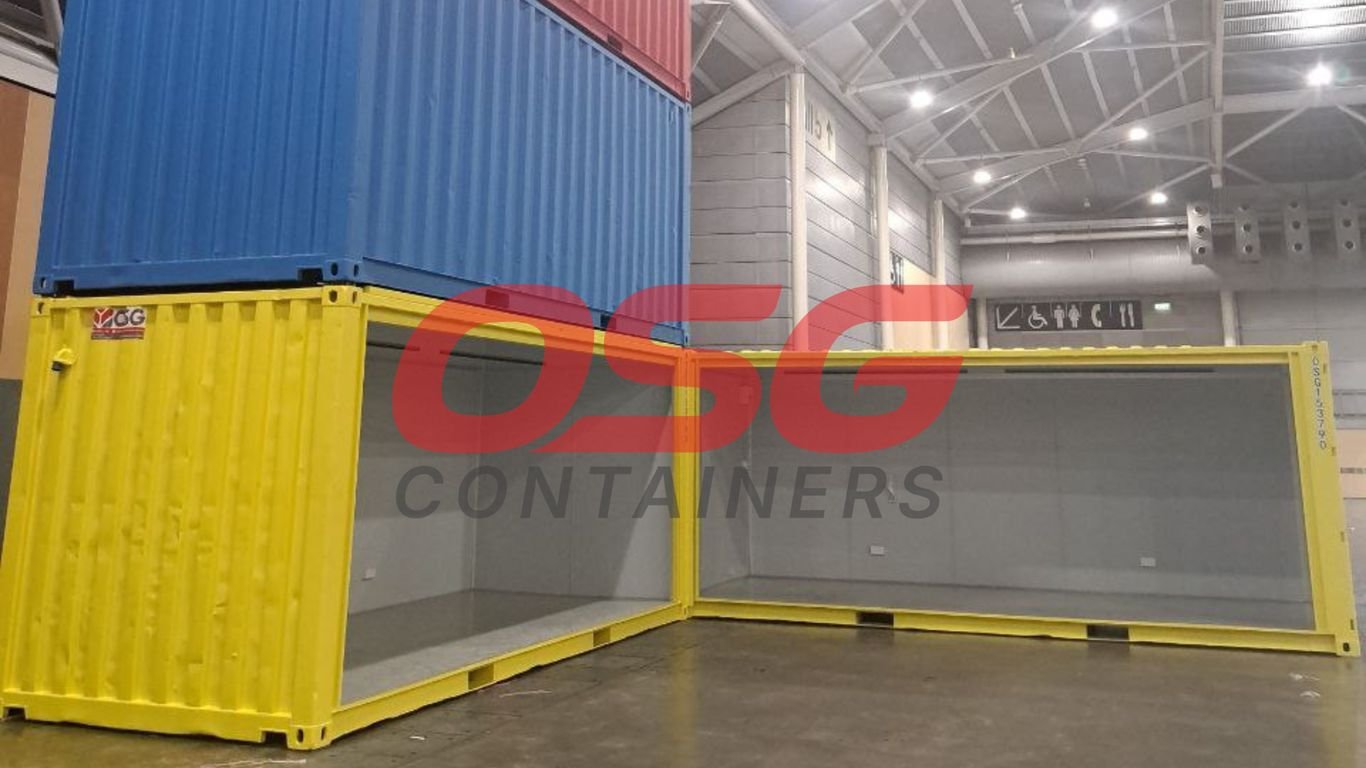
So, you’ve got some cargo that just won’t fit into a regular shipping container. Maybe it’s too tall, too wide, or just plain awkward. Don’t sweat it. There’s a solution for that, and it’s called an open top container. These things are pretty handy for all sorts of items that don’t play nice with standard boxes. We’re going to look at when this type of container is the best choice for getting your stuff from point A to point B.
Key Takeaways
- An open top container is great for handling cargo that’s too tall or bulky for standard containers because you can load it from the top.
- These containers are also a solid choice for moving loose bulk materials like gravel, scrap metal, or agricultural products.
- They offer a practical way to ship items like vehicles, boats, or large industrial components that require overhead loading.
- Open top containers can be more cost-effective than flatbeds for certain loads, especially when considering securing time and materials.
- When choosing an open top container, consider the size needed and whether a new or used unit best fits your budget and project.
Handling Oversized And Awkward Cargo
Sometimes, the stuff you need to ship just doesn’t play nice with standard shipping containers. We’re talking about items that are too tall to fit through the doors, too wide to maneuver, or just have a shape that makes you scratch your head. Trying to jam these kinds of things into a regular container is a recipe for damage, both to your goods and the container itself. This is precisely where the open-top container really shines.
Shipping Tall Or Bulky Items
When your cargo reaches for the sky, a standard container’s roof becomes a problem. Open-top containers, by their very nature, lack this fixed roof. This means you can lift items straight in from above, often using a crane. Think about large industrial equipment, pre-fabricated building sections, or even large machinery parts. You just hoist them up and drop them in. It bypasses the limitations of traditional container doors entirely, making the whole process much simpler.
Accommodating Irregularly Shaped Goods
Got something that’s not exactly box-shaped? Maybe it’s got protrusions, odd angles, or just a general lack of straight lines. Loading these items through a standard container door can be a real challenge, risking damage to both the cargo and the container’s frame. With an open-top, you have more flexibility. The open space allows for easier positioning and placement of these irregularly shaped goods, often with the help of cranes or specialized lifting equipment. It’s about fitting the cargo, not forcing it.
Loading Heavy Machinery With Ease
Many items that benefit from top-loading are also quite heavy. This is where the compatibility with cranes becomes a major efficiency booster. Cranes are designed for lifting heavy loads, and when you combine that with an open-top container, you have a system that can handle substantial weight with relative ease. You can position the crane directly over the container and lower the heavy item into its spot. This is often safer and more efficient than trying to use forklifts or other equipment to push or pull heavy items through a side door, which can risk damage to both the cargo and the container. The ability to load directly from above bypasses many of the physical constraints of standard containers, making it ideal for items that would otherwise be difficult or impossible to ship.
When standard containers fall short, this specialized equipment steps in to solve real-world freight challenges. With proper planning and expert logistics support, your out-of-gauge cargo doesn’t have to mean out-of-budget or out-of-scope.
Ideal For Bulk Material Transport
When you’re dealing with materials that aren’t neatly boxed up, open-top containers really shine. Think about all the stuff that just doesn’t fit into a regular shipping container – loose goods, big piles of material, things that are just too tall or wide. That’s where these open-top guys come in handy.
Efficient Loading Of Loose Goods
Loading loose materials like sand, gravel, or even scrap metal into a standard container can be a real pain. You’re trying to shovel or scoop things in through a door that’s way too small. With an open-top container, you can just use loaders, conveyors, or even just dump the material straight in from above. This overhead loading capability dramatically speeds up the process. It means less time spent filling up, and more time getting your shipment on its way.
Transporting Construction Aggregates
Construction sites are always moving materials. Sand, crushed stone, gravel – these are the building blocks of many projects. Open-top containers are perfect for hauling these kinds of aggregates. You can fill them up quickly with heavy machinery, and because they’re designed to handle weight, they can take a beating. When they arrive at the site, unloading is just as simple, often involving tipping the container or using a crane to empty it out.
Moving Agricultural Products
Farmers and agricultural businesses often deal with bulk products like grains, feed, or even certain types of produce. These items need to be moved in large quantities, and they don’t always come in neat bags. Open-top containers provide a straightforward way to transport these goods. The open top allows for easy filling from silos or other bulk handling equipment, and a tarp can be secured to protect the contents from the elements during transit. It’s a practical solution for moving large volumes of farm goods efficiently.
Specialized Transport Solutions
Sometimes, standard shipping containers just don’t cut it. That’s where open-top containers really shine, especially when you’re dealing with items that are a bit out of the ordinary. They’re built to handle things that regular containers can’t.
Shipping Vehicles And Boats
When you need to move cars, motorcycles, or even smaller boats, an open-top container can be a surprisingly good choice. You can often load them directly from the top using ramps or specialized lifting equipment. This makes the process much smoother than trying to maneuver a vehicle through standard container doors. Plus, with the right securing methods, your vehicle stays put during the journey. It’s a practical way to get your wheeled or water-bound assets from point A to point B without a fuss.
Transporting Industrial Components
Big machinery, large engines, or complex industrial parts often have awkward shapes or are just too tall to fit into a regular container. Open-top containers solve this. You can use cranes to lower these heavy, bulky items directly into the container. This top-loading capability is a game-changer for industrial logistics. It means less hassle with loading and a more secure way to transport items that would otherwise be a logistical nightmare.
Moving Pipes And Cylindrical Equipment
Think about long pipes, large rolls of material, or cylindrical tanks. Trying to get these into a standard container can be a real challenge. Open-top containers allow you to load these items lengthwise from the top. This method is not only easier but also safer, preventing damage that could occur from trying to force them through narrow openings. The open space means you can position them just right for a stable and secure shipment.
Managing Waste And Debris
Scrap Metal Collection
When you’ve got a pile of old metal lying around, maybe from a factory clear-out or a demolition project, an open-top container is a pretty straightforward solution. You can just drop the scrap metal right in from above, often using a crane or a grapple. The sturdy walls of the container keep everything contained, preventing sharp bits from falling out and causing trouble on the road or at the port. It makes collecting and moving large quantities of scrap much simpler than trying to wrangle it into a closed container.
Demolition Debris Removal
Demolition sites can generate a huge amount of mixed materials – concrete chunks, wood, insulation, and more. Open-top containers are ideal for this kind of mess. Their open design means you can easily load bulky, irregularly shaped debris without struggling to fit it through smaller doors. This speeds up the cleanup process significantly. Once the container is full, it can be transported directly to a landfill or recycling facility. It’s a practical way to keep the worksite tidy and compliant with disposal regulations.
Temporary On-Site Storage
Beyond just hauling waste away, these containers can also serve as convenient, temporary storage right on your job site. Need a place to stash excess materials, tools, or even collected debris before it’s hauled off? An open-top container acts like a big, accessible bin. You can load and unload items from the top easily, and when you’re done, it’s ready to be moved. This flexibility is a real plus for managing materials during long projects.
The key advantage here is accessibility. Unlike a standard container where you might need to climb in or use specialized equipment to reach the back, the open top allows for straightforward loading and unloading from above. This is a big deal when dealing with heavy, awkward, or messy materials that don’t fit neatly into a box.
Here’s a quick rundown of why they work well for waste and debris:
- Easy Top Loading: Perfect for dropping in bulky items or loose materials.
- Containment: Sturdy walls prevent materials from spilling out.
- Versatility: Handles a wide range of waste types, from metal to concrete.
- On-Site Convenience: Doubles as temporary storage, reducing the need for multiple handling steps.
Ventilation For Sensitive Goods
Sometimes, the stuff you’re shipping just needs to breathe. Think about certain farm products, like fresh produce or even compost that’s still curing. Standard containers can get pretty stuffy, and that can lead to problems.
Transporting Organic Materials
When you’re moving things like fruits, vegetables, or other organic matter, a sealed container can trap moisture and heat. This is a recipe for spoilage. An open-top container, even when covered with a tarp, can allow for some air movement. This airflow helps regulate temperature and humidity, which is way better than having nothing. It’s not like an open-air market, but it’s a step up from being completely shut off.
Preventing Spoilage During Transit
Imagine shipping a load of freshly harvested grains or perhaps some specialty wood that needs to dry out a bit. If they’re packed too tightly in a standard container, they can start to sweat, leading to mold or rot. The ability to get some air circulation through an open-top setup can make a real difference. It helps keep the product in better condition until it reaches its destination. This simple ventilation can save a shipment from turning into a total loss.
Air Circulation For Certain Products
Not all goods are the same, and some just don’t do well in stagnant air. For instance, certain types of chemicals or even some manufactured goods might degrade faster if they can’t get any fresh air. While you still need to protect the cargo from the elements with a good tarp, the open-top design gives you that option for airflow. It’s about finding that balance between protection and allowing the cargo to ‘breathe’ if it needs to.
The key is that an open-top container isn’t always about being completely open. It’s about having the flexibility to manage airflow. When you cover it with a properly secured tarp, you can control how much air gets in and out, which is pretty neat for sensitive shipments.
Cost-Effectiveness Compared To Alternatives
When you’re figuring out how to move your stuff, it’s easy to just think about the standard shipping container. But sometimes, that’s not the best way to go, especially if you’re dealing with big, awkward, or heavy items. Open-top containers can actually be a really smart choice, and often, a more budget-friendly one too, when you look at the whole picture.
Savings Over Flatbed Transport
Flatbed trucks are a common sight, and they work for a lot of loads. However, securing cargo on a flatbed can be a real chore. You often need a lot of straps, chains, tarps, and specialized equipment to make sure everything stays put, especially on rough roads or during long hauls. This takes time and costs money. An open-top container, on the other hand, has walls and a frame. This structure helps contain the load and often requires less in the way of extra securing materials. This built-in structure can significantly cut down on the time and cost associated with securing your cargo. Plus, while a flatbed leaves your goods pretty exposed, a well-tarped open-top offers a decent level of protection from rain and wind, which can prevent damage and save you from costly repairs or replacements down the line.
Efficient Securing Procedures
Loading and securing items in an open-top container is often more straightforward than on a flatbed. Because you can load from the top, you can position heavy items more precisely. The container walls provide a natural boundary, making it easier to brace the cargo against them. This means:
- Less time spent rigging straps and chains.
- Reduced need for specialized securing tools.
- Easier inspection of the load’s stability.
- Faster loading and unloading processes, which translates to quicker turnaround times and potentially lower labor costs.
Balancing Cost And Protection
It’s not always about the cheapest upfront price. You have to think about what you’re protecting and what risks you’re willing to take. For items that are tall, bulky, or just don’t fit well into a standard container, an open-top offers a practical solution that avoids the complexities and potential costs of trying to force them into a regular box or dealing with the full exposure of a flatbed. It’s a middle ground that provides a good amount of protection and ease of handling for a wide range of challenging cargo.
For many types of cargo, especially those that are oversized or irregularly shaped, the open-top container presents a more economical choice when you consider the total cost of transportation. This includes not just the rental or purchase price of the container, but also the labor, materials, and time involved in securing the load, as well as the potential costs associated with cargo damage due to inadequate protection or improper securing methods.
Choosing The Right Open Top Container
So, you’ve decided an open-top container is the way to go. That’s a solid choice, especially when your cargo is a bit too tall, too wide, or just plain awkward for a regular container. But picking the right one isn’t just about grabbing any old box without a roof. It’s about making sure your stuff fits, loads easily, and stays protected.
Selecting Appropriate Container Sizes
When you’re looking at open-top containers, size really matters. The standard options usually come in a 20ft container and a 40ft container. A 20ft container is great for smaller loads or when space is tight, but if you’ve got long machinery or a stack of large pipes, it might not cut it. You’ll want to consider a 40ft container for those bigger jobs. It’s better to have a bit of extra room than to struggle with cargo that’s barely fitting. Think about the dimensions of your goods and how they’ll be loaded. You don’t want anything sticking out too far or making the loading process a headache.
New Versus Used Open Top Containers
This is a big decision, and it really comes down to your budget and how often you’ll be using the container. New open-top containers are, of course, in pristine condition. They’ll likely last longer and have fewer surprises. However, they come with a higher price tag. Used open-top containers can be a fantastic way to save money, especially for one-off projects or if you don’t need the absolute latest model. Just be sure to inspect them carefully. Look for:
- Structural integrity: Check for rust, dents, or any damage to the frame.
- Tarp condition: Make sure the cover is intact and waterproof.
- Door functionality: If it has side doors, ensure they open and close smoothly.
- Floor condition: The flooring should be solid and able to support heavy loads.
A used container can be a smart financial move, but a thorough inspection is non-negotiable to avoid future problems.
Partnering With A Reliable Supplier
Finding a good supplier is just as important as picking the right container. You want a company that knows their stuff and can guide you. They should have a good selection of both new and used open-top containers, including different sizes like the 20ft container and 40ft container. Ask about their delivery options, any modification services they might offer, and what their return policy is. A reliable partner will make the whole process much smoother, from selection to delivery and pickup.
Wrapping It Up
So, when you’re faced with cargo that just won’t fit into a regular box, remember the open-top container. They really make loading and unloading much simpler, especially for those tall or awkwardly shaped items. Sure, you’ll want to make sure everything is tied down well and protected from the weather, but the ease of getting big stuff in and out is a huge plus. If you’re moving machinery, lumber, or building supplies that are a bit out of the ordinary, these containers are definitely worth a look. They offer a practical way to handle shipments that would otherwise be a real headache.
Frequently Asked Questions
Why are open-top containers good for really big items?
Open-top containers are awesome for large items because you can load them from the top. Imagine trying to fit a giant piece of machinery into a regular container – it’s tough! With an open top, a crane can just lift it right in, making things way easier and faster.
Can I use these for oddly shaped items?
Absolutely! If your cargo isn’t a perfect square, like large pipes or unique sculptures, open-top containers give you more freedom. You can load them more easily and secure them better, reducing the chance of damage during the journey.
Are they good for building materials like wood or steel beams?
Yes, they are! Building materials like long lumber, steel beams, or even pre-made concrete pieces can be easily lowered into an open-top container using a crane. It’s much simpler than trying to force them through regular doors.
What happens if it rains during transit?
Open-top containers usually come with a strong, waterproof tarp that covers the top. This tarp is secured after loading to protect your cargo from rain, snow, and other weather while it’s on its way.
Are open-top containers more expensive than regular ones?
Sometimes, they can be a bit more expensive upfront, but they often save you money in the long run. They make loading and unloading faster, which cuts down on labor costs. Plus, they can prevent damage to your cargo, saving you repair or replacement expenses.
Can I use an open-top container for waste or scrap metal?
Definitely! Open-top containers are perfect for collecting and moving things like scrap metal, demolition debris, or other waste materials. They can handle heavy, messy stuff, and once they’re full, they can be easily hauled away.


