
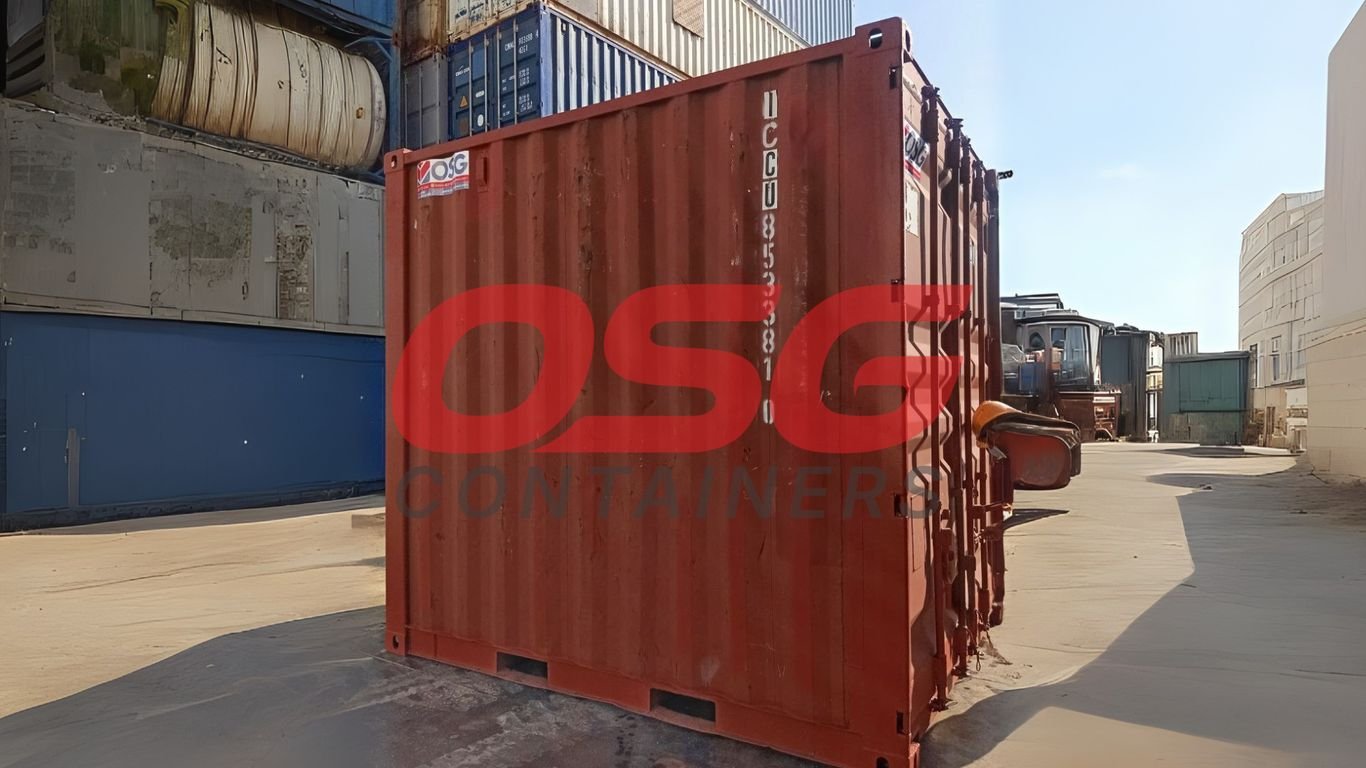
Thinking about getting a shipping container for your business or a personal project? It’s a big decision, and there are a lot of options out there. You could rent one, but buying a container second hand for sale might actually be the smarter move in many cases. It’s not just about saving a buck upfront; owning a used container can offer some serious advantages that renting just can’t match. Let’s break down why going the pre-owned route could be a game-changer for you.
Key Takeaways
- Buying a used container builds an asset you can potentially sell later, unlike rental fees that just vanish. This resale value can help you get some of your money back.
- Owning a container means you can modify it however you need for your specific business or project, giving you total control over its use.
- Choosing a used container is a greener option, helping to reduce waste and your company’s impact on the environment.
- Finding a good container second hand for sale involves checking local yards, looking at national suppliers for better guarantees, and being careful with online deals.
- The condition of a used container matters a lot, from whether it’s ‘cargo-worthy’ to how it looks outside and inside, all of which affects its value and usability.
Strategic Financial Advantages of Owning a Container Second Hand for Sale
Thinking about buying a used shipping container? It might seem like a big upfront cost, but let’s break down why it can actually be a smart financial move for your business.
Building an Asset with Resale Value
When you buy a container, you’re not just spending money; you’re acquiring a physical asset. Unlike rental payments that just vanish, a purchased container holds value. If your needs change down the road, you can sell it. The market for used containers is pretty active, and you can often recoup a good chunk of your initial investment. It’s like buying a piece of equipment that doesn’t just depreciate into nothingness.
Recouping Investment Through Strategic Resale
Owning a container means you have options. If you decide to sell it later, you can recover a portion of what you paid. This isn’t guaranteed with rentals. A well-maintained container, especially one that’s been kept in good condition, can fetch a decent price. It’s about making the initial purchase work for you over the long term, not just as a temporary solution.
Long-Term Cost-Effectiveness Over Renting
Let’s look at the numbers over time. Renting a container might seem cheaper month-to-month, but those costs add up quickly. Over several years, the total rental fees can easily surpass the price of buying a used container outright. Plus, when you own it, you don’t have to worry about rental company price hikes or restrictive lease terms. You control the asset, and that control often translates to significant savings.
Owning a used container transforms a recurring expense into a tangible asset with potential for future recovery, often proving more economical than continuous renting over extended periods.
Here’s a simple comparison:
| Scenario | Upfront Cost | Monthly Cost (Example) | Total Cost (5 Years) | Resale Value (Est.) | Net Cost (5 Years) |
|---|---|---|---|---|---|
| Buying Used | $3,000 | $0 | $3,000 | $1,000 | $2,000 |
| Renting | $0 | $150 | $9,000 | $0 | $9,000 |
Note: These figures are illustrative and actual costs will vary based on container type, condition, market rates, and location.
Unlocking Customization and Operational Independence
Getting your hands on a second-hand container doesn’t just save money. It gives you the freedom to do things your way, on your timeline. Let’s talk about how owning a used shipping container lets you shape your operations to fit real needs—no more shoehorning your business into someone else’s prefab solution.
Full Customization Potential for Specific Needs
When you buy a container, you’re working with a blank foundation instead of being limited to whatever the rental company hands you. Here’s what makes ownership stand out:
- You can add windows, doors, shelving, or custom racks where you want them
- Electrical wiring, lighting, and climate control can all be tailored to your business
- Paint, decals, and company branding easily go on without permission from a landlord
It’s kind of like buying an empty house versus renting a furnished apartment—you pick what matters, nothing’s permanent until you say so, and you don’t have to reverse changes before moving on.
Modifying for Unique Business Applications
Second-hand containers adapt for way more than cheap storage. Owners have used them for pop-up stores, portable offices, equipment workshops, or even mobile clinics. Some companies:
- Install insulation and HVAC for sensitive goods
- Set up waterproof floors and plumbing for food stalls
- Turn containers into super-secure mini-warehouses on job sites
Owning means you decide on timelines and contractors. Nobody needs to sign off if you want shelves this week, or add solar panels next month.
Ensuring Operational Autonomy
One of the best parts about owning is cutting out the middleman. Here’s how it helps:
- You’re not stuck with a contract—use your container as long as you’d like
- Maintenance and repairs happen on your schedule (and you choose the quality)
- Shut down, move, or sell the unit on your terms
When you own your container, you get to call the shots. There’s no waiting for rental approvals or being hit with penalties if your business pivots. All decisions about your asset come from you, not a rental company’s playbook.
Overall, ownership means custom solutions, straightforward control, and flexibility you just don’t get from short-term container rentals.
Sustainability and Environmental Considerations
The Eco-Friendly Choice of Used Containers
Buying a used shipping container is a pretty smart move if you’re thinking about the planet. Instead of churning out a brand new one, which takes a lot of energy and resources, you’re giving an existing container a second life. It’s like getting a great deal and doing a good deed all at once. Think about it: these containers have already traveled the world, and instead of them ending up as scrap metal, they can be repurposed for all sorts of things. This reuse is a big win for the environment.
Reducing Environmental Footprint Through Reuse
Every time a used container is chosen over a new one, we’re cutting down on the need for new manufacturing. This means less raw material extraction, less energy consumed in production, and fewer emissions released into the air. It’s a simple equation: more reuse equals a smaller footprint. For businesses, this can translate into tangible benefits, not just for their image but also for their operational costs if they’re looking at energy efficiency down the line. Plus, it helps divert waste from landfills.
Aligning with Corporate Sustainability Initiatives
Lots of companies these days are really focused on being more sustainable. It’s not just a trend; it’s becoming a core part of how businesses operate and how they’re seen by customers and investors. Choosing to buy second-hand containers fits right into these goals. It shows a commitment to reducing waste and making environmentally sound decisions. This can be a real selling point, helping to build a positive brand reputation and attract like-minded partners or employees. It’s a practical way to put sustainability into action.
Here’s a quick look at how buying used containers helps:
- Resource Conservation: Less demand for new steel and manufacturing processes.
- Waste Reduction: Keeps containers in circulation longer, preventing premature disposal.
- Lower Carbon Emissions: Avoids the significant energy expenditure associated with new container production.
When you opt for a pre-owned container, you’re actively participating in a circular economy. This approach minimizes the environmental impact associated with the entire lifecycle of a container, from its initial creation to its eventual retirement. It’s a responsible choice that benefits both your business and the planet.
Finding Reliable Container Second Hand for Sale Deals
So, you’ve decided buying a used container is the way to go. That’s smart! But where do you actually find a good deal without getting ripped off? It’s not always as simple as just Googling "used containers near me." You’ve got a few main avenues to explore, and each has its own pros and cons.
Navigating Local Container Yards for Best Prices
Think of local container yards like the flea markets of the container world. They’re often located near ports or major shipping hubs, which means they get a lot of containers coming through. The biggest plus here is you can usually go see the container yourself before you buy it. You can kick the tires, check for dents, and get a feel for its overall condition. Prices can be pretty competitive too, especially if you’re willing to haggle a bit. Just remember, you’re usually on your own for delivery, so factor that cost in.
- Pros: See the container in person, potential for lower prices, direct interaction with sellers.
- Cons: Delivery can be extra and might be tricky, selection might be limited compared to larger suppliers.
- Tip: Call ahead to see what they have in stock and if you can schedule a visit.
Leveraging National Suppliers for Warranties and Delivery
Going with a national supplier is like shopping at a big box store. They might not always have the absolute rock-bottom price, but they often make up for it in other ways. Many of these companies offer warranties, which is a huge peace of mind when buying used. They also usually have their own delivery services, often with specialized trucks, making the whole process smoother. If you need a container shipped across state lines or want that extra layer of security, a national supplier is worth looking into.
National suppliers often provide more structured sales processes, including clear documentation and sometimes even financing options. This can be a significant advantage for businesses needing multiple units or those with tighter budgets.
Due Diligence on Online Marketplaces
Online marketplaces can be a goldmine, but they also come with the most risk. You can find listings from all over the country, making it easy to compare prices and types of containers. However, this is also where you’re most likely to run into scams. Always ask for detailed photos, inspection reports, and any certifications before you even think about sending money. If a seller is hesitant to provide this information or seems pushy, walk away. It’s better to miss out on a seemingly good deal than to lose your money entirely.
- Red Flags to Watch For:
- Prices that seem too good to be true.
- Poor quality or limited photos.
- Refusal to provide inspection reports or certifications.
- Pressure to pay immediately via untraceable methods.
- Vague or evasive answers to your questions.
Assessing Container Condition for Purchase
So, you’re looking to buy a used shipping container. That’s smart, but not all containers are created equal, right? You’ve got to know what you’re looking at before you hand over your cash. It’s not just about finding the cheapest one; it’s about finding one that’s actually going to work for you and not fall apart.
Understanding Cargo-Worthy Standards
First off, there’s the "cargo-worthy" label. This basically means the container is in good enough shape to be used for shipping goods internationally. It meets certain standards, like ISO standards, which are pretty important if you plan on moving stuff across oceans. These containers have seen some action, so they might have a few dents or some rust, but they’re structurally sound. They’re usually a good middle-ground option – not brand new, but not falling apart either.
Evaluating One-Trip Containers for Premium Quality
Then you have "one-trip" containers. Think of these as almost new. They’ve made just one journey, usually from overseas, and then they’re sold. They look really clean, have minimal wear and tear, and are generally in top-notch condition. If you’re planning on converting a container into something like a home, an office, or a shop, these are often the best bet. You’ll pay a bit more, sure, but the quality is usually worth it, and they hold their value pretty well if you ever decide to sell.
The Impact of Exterior Paint and Interior Cleanliness
Don’t forget the paint and the inside! A fresh coat of paint on the outside can make a container look a lot better and can even help with its resale value down the line. But more importantly, check the inside. Is it clean? Are there any weird smells or signs of leaks? A clean interior is a good sign that the container has been well-maintained. It’s easy to overlook these details, but they can tell you a lot about the container’s history and how it’s been treated.
Here’s a quick rundown of what to look for:
- Structural Integrity: Check for major dents, holes, or rust that goes all the way through. The doors should open and close smoothly.
- Floor Condition: Look at the flooring. Is it warped, rotten, or heavily damaged? Most containers have wooden floors, so check for rot or excessive wear.
- Roof: Make sure the roof is solid and doesn’t have any holes or major sagging.
- Seals: Check the door seals. Are they intact? Damaged seals can let in water and pests.
When you’re inspecting a container, try to imagine it in its final use. A few cosmetic issues might be fine for a storage unit, but if you’re building a living space, you’ll want something much cleaner and more solid. Always ask for detailed photos and, if possible, inspect it in person before you buy.
Market Dynamics Influencing Container Pricing
Regional Differences: Port Cities Versus Inland States
So, you’re looking to buy a used shipping container, and you’ve noticed prices can really jump around. A big part of that is simply where you’re looking. Places right near major shipping ports, like Los Angeles, New York, or Houston, tend to have more containers sitting around. This means supply is usually higher, and you’ll often find better prices in these port cities. Think of it like a farmer’s market – more vendors mean more competition and better deals for you. Inland states, on the other hand, are further from where the containers arrive. Getting them to places like Denver or Kansas City involves extra trucking, which adds costs. So, while a container might look cheaper on paper in a port city, you have to factor in how much it will cost to get it to your location. Sometimes, even with delivery fees, buying from a port city and arranging your own transport can still be more economical than buying from a supplier far inland.
Accounting for Delivery Charges and Logistics
Don’t forget that the sticker price of a container is rarely the final price. Delivery is a significant factor, and it’s not a one-size-fits-all deal. The distance the container needs to travel is the most obvious cost driver. Hauling a container 50 miles is going to cost less than hauling it 500 miles. But it’s not just about miles. The type of terrain matters too. Getting a container up a steep, winding mountain road is a lot harder and more expensive than dropping it off on a flat, open lot. You also need to consider access. Can the delivery truck easily get to where you want the container placed? If special equipment is needed, like a crane or a forklift, that’s another expense to add to the bill. Always ask for a detailed quote that breaks down these logistics. It’s easy to get sticker shock if you’re not prepared for these extra charges.
The Role of Global Events on Container Prices
It might seem strange, but big global events can actually mess with the price of a used shipping container. Think about it: shipping containers are the backbone of international trade. If there’s a major disruption, like a pandemic that shuts down ports, or a trade dispute between countries, it throws the whole system off balance. Suddenly, containers might get stuck in the wrong places, or there might be a huge surge in demand for certain goods, leading to more containers being shipped. This can create shortages or surpluses in different regions, causing prices to swing wildly. Even things like natural disasters affecting major shipping lanes can have ripple effects. So, while you’re looking for a deal, keep an eye on what’s happening in the world – it could be influencing the price you’re seeing.
Maximizing Value Through Bulk Purchases and Design-Ready Units
Negotiating Bulk Discounts for Large Orders
Buying shipping containers one by one can get pricey, especially if you need several. But if you’re looking at a bigger project, like setting up a storage facility or a fleet of mobile offices, buying in bulk can really change the game. Companies that purchase ten or more containers at once often get a nice discount, sometimes up to 15% off the total price. This isn’t just about saving a few bucks; for large construction or logistics operations, it can mean saving thousands of dollars. It’s smart business to talk to suppliers about volume pricing. They’re usually happy to work with bigger orders because it means more business for them, too.
Value in Design-Ready Containers for Retrofitting
When you’re planning to convert a container into something else – maybe a shop, a small home, or an office space – the condition of the container matters a lot. You can find containers that are already in pretty good shape, with fewer dents and a cleaner interior. Paying a little extra for one of these ‘design-ready’ units can actually save you a lot of time and money down the road. Think about it: less time spent fixing up damage or deep cleaning means you can get to the actual customization part faster. It’s like buying a house that’s already been updated versus one that needs a complete gut job.
Strategic Purchasing for Construction and Logistics
For folks in construction or logistics, containers are often more than just storage; they’re building blocks or mobile hubs. Buying them strategically means looking beyond just the sticker price. It involves considering how many you need, what condition they should be in for your specific use, and where you can get the best deal, factoring in delivery. Sometimes, buying from a port city and paying for transport inland is still cheaper than buying locally if the inland supply is low. It’s all about doing your homework to make sure you’re not overpaying.
When you’re buying multiple containers, it’s worth comparing prices from different suppliers. Don’t just go with the first one you find. A little bit of research can lead to significant savings, especially when you’re dealing with large quantities. Always ask about delivery costs and how they’re calculated.
Here’s a quick look at how buying in bulk can impact your costs:
| Quantity | Potential Discount | Savings Example (on $3,000/container) |
|---|---|---|
| 1-5 | 0-5% | $0 – $750 |
| 6-10 | 5-10% | $900 – $3,000 |
| 10+ | 10-15% | $3,000+ |
This table just gives you an idea, of course. Actual discounts depend on the supplier, the container type, and market conditions. But it shows that buying more can definitely lead to better prices per unit.
Wrapping It Up
So, when does buying a used shipping container actually make sense? It really comes down to your specific situation. If you’re looking at the long haul, need something totally customized, or want to build equity in an asset that you can eventually sell, then buying used is a solid move. It’s not just about saving a few bucks upfront; it’s about making a strategic choice that fits your business goals and potentially offers a return down the road. Just remember to do your homework, check the container’s condition carefully, and work with a seller you trust. It might just be the smart play for your next project.
Frequently Asked Questions
Is buying a used shipping container a good idea for my business?
Yes, buying a used shipping container can be a smart move! It’s often much cheaper than buying new, and you can still get a solid container that works great for storage or other projects. Think of it like buying a used car – you can save a lot of money and still get something reliable.
Can I change a shipping container I buy?
Absolutely! When you own a container, you have the freedom to make it your own. You can add shelves, paint it, insulate it, or even turn it into a cool office or workshop. It’s like a blank canvas for whatever you need.
How do I know if a used container is in good shape?
You’ll want to check a few things. Look for containers that are ‘cargo-worthy,’ meaning they’re strong enough for shipping. ‘One-trip’ containers are the best because they’ve only been used once and are practically new. Also, check for big dents or rust, and make sure the doors open and close smoothly.
Where are the best places to find used shipping containers for sale?
You can often find good deals at local places called container yards, especially near big shipping ports. National suppliers might cost a bit more but often give you warranties. Online marketplaces are also an option, but be careful and always inspect the container or get detailed reports before you buy.
Does it cost more to deliver a container if I live far from a port?
Yes, it usually does. If you live inland, away from major shipping ports, the cost to deliver the container will likely be higher because it has to travel further. Always ask about delivery fees when comparing prices from different sellers.
Is buying containers better for the environment than buying new ones?
Buying used containers is definitely a greener choice! It means one less container needs to be made from scratch, which saves resources and energy. It’s a great way to be more eco-friendly and reduce waste.


