
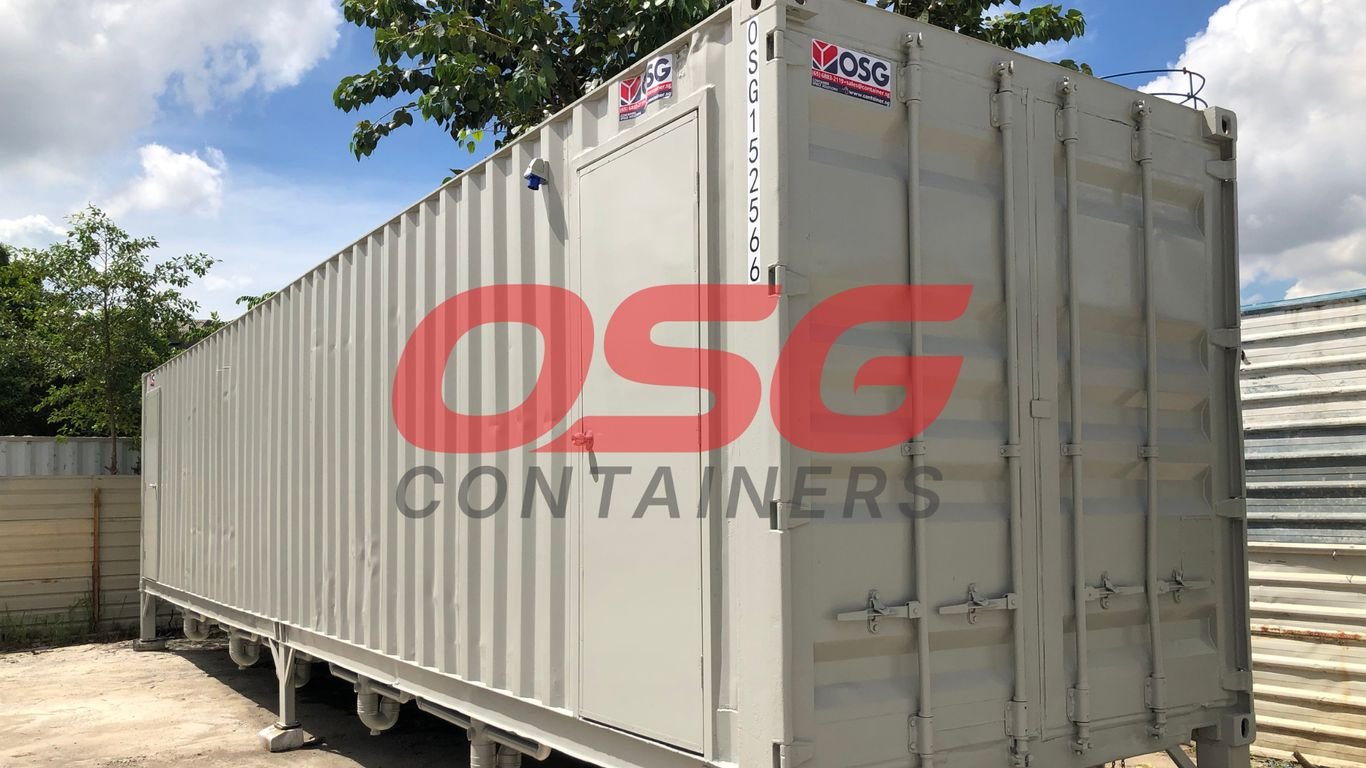
You see them everywhere, right? Those big metal boxes stacked on ships, trains, and trucks. They’re called General Purpose containers, or GP containers for short, and they’re basically the workhorses of moving stuff all over the planet. It might seem simple, but these boxes are the real reason why getting goods from one country to another isn’t a total headache. Let’s break down why the humble GP container is still the king of international shipping.
Key Takeaways
- The GP container is a standard, enclosed box for most dry goods that don’t need special temperature control, making it super versatile for shipping.
- The most common GP container sizes are 20-foot and 40-foot, and picking the right one depends on what you’re shipping and how much.
- Because GP containers are built to international standards, they can be easily moved between ships, trains, and trucks anywhere in the world, which keeps trade flowing smoothly.
- These tough steel boxes protect cargo from weather and tampering, cutting down on damage and loss during long journeys.
- The widespread use and simple design of the GP container make it a reliable and cost-effective choice for a huge amount of everyday shipping needs.
The Enduring Importance Of The GP Container
Simplicity And Durability As Superpowers
It’s easy to overlook the humble General Purpose (GP) container. You see them everywhere, stacked high on ships, sitting in ports, or rumbling down the highway on trucks. But these plain metal boxes are the real MVPs of international trade, and it’s all thanks to their straightforward design and tough build. They’re not fancy, but they work, and they work really well. Their true strength lies in their ability to be universally understood and handled, making them the backbone of global commerce.
Think about it: if every country, or even every shipping company, used a different kind of box, moving goods would be a chaotic mess. GP containers, built to strict international rules, mean a box packed in China can be easily moved and handled in Germany, and then again in Brazil. This consistency is what keeps the world’s supply chains moving. They’re built from strong, corrugated steel, which means they can take a beating. They’re designed to be stacked high on ships, jostled on trains, and generally put through the wringer of long-distance travel. The fully enclosed design also does a great job of keeping your cargo safe from rain, wind, dust, and even curious hands. While they aren’t for super sensitive or hazardous stuff, for most everyday items, they offer solid protection.
The GP container’s genius is its simplicity. It’s a standardized, robust box that fits into a global system of cranes, ships, trains, and trucks. This predictability is what makes it so valuable for moving everyday goods across the planet.
Universal Compatibility For Seamless Transit
The real magic of the GP container is how it fits into the global logistics puzzle. Because they all follow the same international standards (ISO standards, to be exact), they work with pretty much all the equipment used in shipping. Ports have cranes designed specifically for them, ships have bays built to hold them snugly, and trains and trucks have special frames, called chassis, that connect right up. This means you can move cargo from a ship to a train to a truck without having to unload and reload the goods in between. It saves a massive amount of time and money, and cuts down on the chances of things getting lost or damaged during the transfer.
Here’s a quick look at why this compatibility is so important:
- Standardized Sizes: Whether it’s a 20-foot or 40-foot container, the dimensions are known worldwide. This allows for precise planning in loading and storage.
- Intermodal Transfer: The design allows for easy transfer between different modes of transport – ship, train, and truck – without needing to unpack the cargo.
- Equipment Integration: Ports and logistics hubs are equipped with the necessary cranes, forklifts, and other machinery to handle these containers efficiently.
This worldwide compatibility is why GP containers are the go-to choice for so many businesses looking to ship items across borders. It’s the foundation that makes predictable trade possible.
The Backbone Of Everyday Shipping Needs
When you boil it down, the GP container is a workhorse because it’s reliable, widely available, and cost-effective for a huge range of everyday shipping needs. They’re the standard option for moving goods that don’t require special temperature control or ventilation. Think about all the stuff you buy online, the clothes in stores, the electronics, the furniture – a massive amount of it travels in these containers. They are the quiet heroes making sure that everything from your new phone to the parts needed for a factory gets where it needs to go, efficiently and without a fuss. They really are the standard for a reason, forming the backbone of how we get things around the world today.
Global Compatibility And Standardization
A Universal Language For Logistics
Think about trying to send a package if every postal service in the world used a different size box and a different way of addressing it. It would be chaos, right? That’s pretty much what international shipping would be like without standardized General Purpose (GP) containers. These metal boxes aren’t just random containers; they’re built to strict international rules, mostly set by the International Organization for Standardization (ISO). This means a 20-foot or 40-foot GP container loaded in a factory in China fits perfectly onto a crane at a port in Germany, then onto a train in France, and finally onto a truck in the United States. It’s like they speak a universal language that every piece of the global logistics puzzle understands.
This standardization is the real magic behind why GP containers are so important. It means that ports, ships, trains, and trucking companies all have equipment designed to handle these specific sizes. You don’t need special cranes or custom-built trucks for every single shipment. It’s this predictability that makes moving goods across borders so much smoother and, frankly, possible on the scale we see today.
Seamless Intermodal Transfers
The ability to move cargo between different types of transport – ships, trains, and trucks – without having to unload and reload the goods is a massive time and money saver. This is called intermodal transport, and GP containers are built for it. They have specific corner castings that allow them to be easily lifted, secured, and moved by cranes and other handling equipment. This means a container can go from a massive ocean vessel straight onto a rail car, and then later onto a flatbed truck, all with the same cargo inside. It cuts down on handling, reduces the risk of damage, and speeds up the entire journey.
Here’s a look at how they fit into the different modes of transport:
- Ships: Designed with specific bays and cell guides to hold containers securely, allowing for high stacking.
- Trains: Loaded onto specialized flatcars or well cars that lock the containers in place.
- Trucks: Mounted onto chassis that connect to the container’s corner castings, making them road-legal.
The consistent design of GP containers means that the transition between these different transport methods is usually straightforward. This makes the entire supply chain more efficient, as less time is spent on the physical movement and securing of the cargo itself.
The Foundation Of Predictable Trade
Because GP containers are so universally compatible and standardized, they create a predictable environment for international trade. Businesses can plan their shipping with a high degree of certainty. They know that a container loaded with their products will arrive at its destination and be handled by the existing infrastructure. This predictability is what allows for the complex global supply chains we rely on for everything from electronics to clothing to food. Without this standardized backbone, international commerce would be far more uncertain and costly, making it difficult for businesses to operate on a global scale.
Protection And Security During Transit
Robust Construction For Harsh Journeys
These big metal boxes, the standard GP containers, are built tough. We’re talking about strong steel walls, floors, and roofs. They’re designed to handle the rough and tumble of being loaded, unloaded, and stacked high on ships or trains. Think about it – your goods could be traveling across oceans, through different climates, and over bumpy roads. The container’s solid build is the first line of defense against all that.
Shielding Cargo From Elements And Tampering
Beyond just being strong, these containers are sealed tight. This is super important for keeping your cargo safe from the weather – no rain getting in to ruin your electronics or sun baking your sensitive goods. Plus, the doors usually have pretty solid locking mechanisms and often a place for a security seal. This seal is your proof that no one has opened the container since it was packed. It’s a simple but effective way to deter theft and make sure what went in is what arrives.
Reducing Risk Of Damage And Loss
When you put your products inside a GP container, you’re basically putting them in a secure vault for their journey. The sturdy walls protect against impacts, and the sealed doors keep out moisture and dust. This means a lot less worry about things getting broken, lost, or damaged along the way. It’s a big reason why businesses trust this method for shipping valuable items all over the world. It cuts down on those unexpected costs and headaches that come from damaged goods.
The whole point of a GP container is to provide a predictable and safe environment for goods, no matter where they’re going. It’s a standardized solution that takes a lot of the guesswork out of shipping.
GP Containers In Global Logistics
Ease of Integration Into Complex Supply Chains
General Purpose (GP) containers are the bedrock of modern global logistics, and it’s not hard to see why. Their standardized nature means they slot right into the intricate dance of international trade. Think about it: ports worldwide have the cranes, ships have the bays, and trains and trucks have the chassis all designed to work with these boxes. This universal compatibility means you can load your goods once at the origin and they can travel across oceans, continents, and through various modes of transport without needing to be touched again until they reach their final destination. This makes integrating them into any supply chain, no matter how complex, incredibly straightforward.
Cost-Effectiveness For Diverse Products
One of the biggest draws of GP containers is their affordability, especially when you consider options like buying a used shipping container. For businesses looking for shipping container sales used, the availability of these containers means you can often find a cost-effective solution for moving a vast array of products. Whether you’re shipping electronics, clothing, furniture, or packaged food items, the standard sizes and widespread availability of GP containers make them a budget-friendly choice. They are the go-to for cargo that doesn’t require special temperature control or handling, cutting down on expenses significantly.
The Go-To Choice For Standard Cargo
When it comes to moving goods that don’t have unique requirements, GP containers are simply the default. Their robust steel construction offers solid protection against the elements and the rigors of transit. They shield your cargo from rain, wind, dust, and potential tampering, reducing the risk of damage or loss. This reliability is why so many businesses, from small e-commerce operations to large manufacturers, rely on them daily. If you’re in the market to buy a used shipping container, you’ll find that GP models are the most common and versatile options available for sale.
The simplicity of the GP container is its greatest strength. Its design allows for easy handling and stacking, making efficient use of space on ships and in storage yards. This efficiency translates directly into lower shipping costs for businesses.
Here’s a quick look at why they are so popular:
- Universal Fit: They are designed to fit standard port equipment and transport vehicles globally.
- Durability: Made from strong steel, they withstand harsh weather and rough handling.
- Availability: They are produced in massive quantities, making them readily accessible.
- Security: Their enclosed nature provides a good level of protection against theft and damage.
Common GP Container Sizes And Their Uses
When you’re dealing with international shipping, you’ll quickly notice that not all containers are created equal. The General Purpose (GP) container, though, is the most common type you’ll encounter. It’s basically a sturdy, dry box designed for goods that don’t need any special climate control. Think of it as the standard shipping box, but on a much, much bigger scale. The real trick is picking the right size for what you’re sending. It’s not just about having enough space; it’s about making sure your cargo fits efficiently and cost-effectively.
The Versatile 20-Foot GP Container
The 20-foot GP container, often called a ’20-footer’ or ’20GP’, is like the workhorse of the shipping world. It’s a really popular choice, especially for smaller to medium-sized shipments. Because it’s a bit more compact, it’s often the go-to for heavier, denser items. You can hit the weight limit on a 20-footer before you even fill it up, which is great for things like machinery parts, metals, or bagged goods. It’s also super easy to move around, fitting onto most trucks and trains, making it a flexible option for getting goods from point A to point B.
Here’s a quick look at its typical dimensions:
| Specification | Imperial | Metric |
|---|---|---|
| External Length | 20′ | 6.09 m |
| External Width | 8′ | 2.44 m |
| External Height | 8.5′ | 2.59 m |
| Internal Length | 19.3′ | 5.89 m |
| Internal Width | 7.7′ | 2.35 m |
| Internal Height | 7.9′ | 2.39 m |
| Max Payload | ~28,000 lbs | ~12,700 kg |
This container is perfect for a wide range of products, including:
- Consumer electronics
- Clothing and textiles
- Small machinery
- Construction materials
- Packaged foods (non-perishable)
The Spacious 40-Foot GP Container
If you’ve got more stuff, or bulkier items, the 40-foot GP container is probably what you’ll be looking at. It’s essentially double the length of the 20-footer, giving you a lot more room to play with. This makes it ideal for lighter, more voluminous cargo, like furniture, appliances, or large quantities of lighter manufactured goods. While it offers more space, it’s also a bit less maneuverable than the 20-foot, but still fits standard shipping infrastructure worldwide.
| Specification | Imperial | Metric |
|---|---|---|
| External Length | 40′ | 12.19 m |
| External Width | 8′ | 2.44 m |
| External Height | 8.5′ | 2.59 m |
| Internal Length | 39.5′ | 12.03 m |
| Internal Width | 7.7′ | 2.35 m |
| Internal Height | 7.9′ | 2.39 m |
| Max Payload | ~58,000 lbs | ~26,300 kg |
Common uses for the 40-footer include:
- Household goods and furniture
- Large appliances
- Palletized goods in bulk
- Vehicles (sometimes)
- Manufacturing components
Matching Container Dimensions To Cargo Needs
Choosing the right container size is more than just picking the biggest one available. It’s about smart logistics. You want to avoid paying for empty space, but you also don’t want to cram things in so tightly that they get damaged. For heavy, dense items, the 20-foot often makes more sense because you’ll reach the weight limit first. For lighter, bulkier goods, the 40-foot gives you the volume you need. It’s a balancing act that impacts your shipping costs and the safety of your goods.
The key takeaway is that standardization in container sizes, particularly the 20-foot and 40-foot GP models, simplifies global trade. This uniformity allows for predictable handling, stacking, and transport across different modes of transportation, making international shipping more accessible and cost-effective for a vast array of products.
Sometimes, you might even see a 40-foot High Cube (HC) container, which is a bit taller than the standard 40-footer, offering even more vertical space for very bulky items. But for most standard shipping needs, the 20-foot and 40-foot GP containers are the go-to options. Getting this choice right from the start can save you a lot of headaches and money down the line.
The Future Of GP Containers
Projected Market Growth For Container Shipping
The world of shipping isn’t slowing down, and that means the trusty GP container is sticking around. Experts see the global container shipping market continuing its upward climb. We’re looking at a market that could reach well over $146 billion by 2031. This steady growth means more goods moving across oceans and continents, with GP containers right at the heart of it all. As economies expand and online shopping keeps booming, the need for these containers will only get bigger. They’re perfectly suited for handling a lot of this increased volume, especially for businesses that don’t fill a whole container.
Technological Advancements Enhancing GP Containers
While the basic design of the GP container has stayed pretty much the same for years, the tech around them is changing. Think about "smart" containers now coming with sensors. These can tell you exactly where your stuff is, and even monitor things like temperature and humidity. This gives shippers a much clearer picture of their cargo’s journey and helps prevent damage. Ports are also getting smarter, with more automated systems speeding up how containers are loaded and unloaded. Even the materials used to build these containers might get an upgrade, leading to options that are lighter, stronger, and better for the environment.
The enduring strength of the GP container isn’t about fancy new features; it’s about a design that’s proven itself reliable and universally understood. Its simplicity is its greatest asset in a complex global system.
Adaptability In Evolving Trade Landscapes
GP containers are incredibly easy to fit into the complicated systems that move goods around the world. Shipping companies have them ready to go, and ports are set up to handle them. This makes them the go-to choice for many businesses shipping all sorts of products, from clothes and electronics to furniture and packaged foods. They are the standard choice for items that don’t need special conditions, making them a cost-effective and dependable part of how things get from A to B.
Here’s a quick look at how they fit in:
- Universal Fit: Designed to work with standard cranes, ships, trains, and trucks.
- Predictable Handling: Ports and logistics hubs worldwide are equipped for their dimensions.
- Cost-Effective Standard: The most economical option for non-specialized cargo.
The future for GP containers looks bright, built on a foundation of proven reliability and adaptability.
Environmental Benefits And Reusability
Reducing Waste Through Durable Design
It might seem a bit strange to talk about environmental pluses when you think about these massive steel boxes, but there’s actually a good story here. General Purpose (GP) containers aren’t meant to be used once and tossed. They’re built like tanks, designed to withstand decades of rough travel across oceans, railways, and roads. This incredible durability means they get reused thousands of times. Think about it: a container gets loaded, travels across the globe, gets unloaded, and then it’s ready for its next trip. This constant cycle of reuse is a huge win for cutting down on waste in the shipping world. Instead of disposable packaging for every single shipment, we have these robust, long-lasting units that keep going and going.
Efficiency Gains In Global Shipping
The whole system of containerization, with GP containers at its heart, has made moving goods way more efficient than it used to be. Before containers, ships were loaded piece by piece, which took ages and was pretty inefficient. Now, with standardized containers, loading and unloading are much faster. This speed means ships can spend less time docked and more time at sea, which uses less fuel. Plus, the ability to easily transfer containers between ships, trains, and trucks means less handling and less chance of damage. It all adds up to a smoother, more resource-friendly way to move stuff around the planet.
A Step Towards Sustainable Logistics
While no form of global shipping is perfectly
The Unseen Backbone of Global Trade
So, when you really think about it, these General Purpose containers, especially the trusty 20-footers, are just everywhere. They’re built tough, they fit on pretty much any ship, train, or truck, and they keep our stuff safe while it travels the world. It’s not really about fancy tech; it’s about a solid, reliable design that just works. For businesses big and small, understanding how these containers function and how to use them best is a smart move. They’re the quiet workhorses making sure everything from your new phone to the parts for a factory gets where it needs to go, efficiently and without a fuss. They really are the standard for a reason.
Frequently Asked Questions
What exactly is a General Purpose (GP) container?
A General Purpose (GP) container is like a standard, tough metal box used for shipping. It’s built to carry most kinds of regular stuff that doesn’t need special temperature control or air. Think of it as a reliable, all-around container for everyday items that can handle normal weather during their journey.
Why are GP containers so important for global trade?
GP containers are super important because they are all the same size and built to strict rules. This means a container packed in one country can be easily handled by ships, trains, and trucks in any other country. This makes moving goods around the world much faster and cheaper, like a universal language for shipping.
How do GP containers protect the cargo inside?
These containers are made of strong steel and are fully enclosed. This design keeps your items safe from rain, wind, dust, and even from being tampered with. They are built tough to handle the rough and tumble of long journeys, reducing the risk of damage or loss.
What are the most common sizes for GP containers?
The two most common sizes are the 20-foot and the 40-foot containers. The 20-foot is great for heavier items because it can reach its weight limit before being completely full. The 40-foot offers more space for lighter, bulkier items. Choosing the right size helps make shipping more efficient.
Are GP containers good for the environment?
Yes, in a way! Because GP containers are so durable, they get used over and over again for many years, which reduces waste. Also, the whole system of using these standard boxes makes shipping more efficient, meaning less fuel might be used compared to older shipping methods.
Can I use GP containers for e-commerce or smaller shipments?
Absolutely! The 20-foot GP container is a very popular choice for e-commerce and smaller businesses. It’s a cost-effective way to ship products without needing a huge container, and they are easy to manage for smaller shipping needs.


