
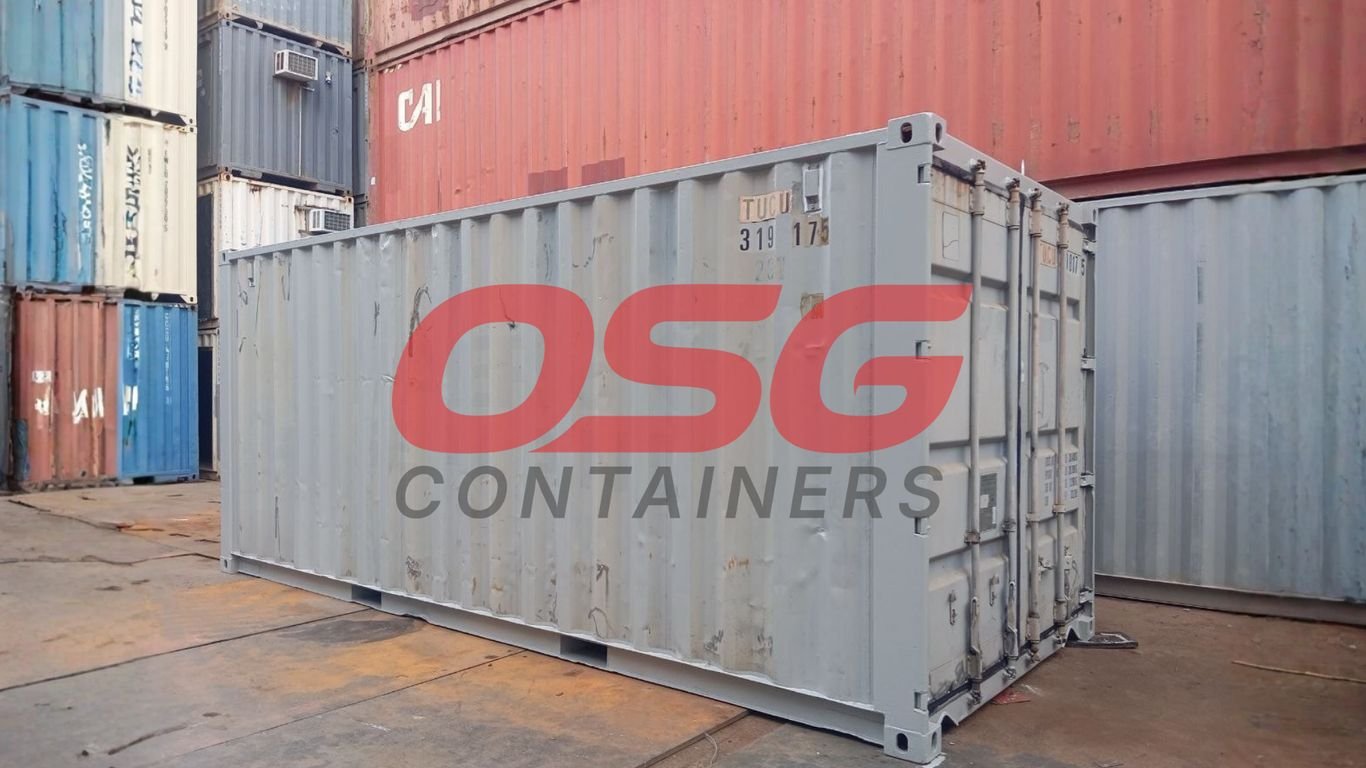
You know, it’s pretty amazing how much stuff moves around the world every single day. And a lot of that happens thanks to these big metal boxes called intermodal containers. They’re like the workhorses of global shipping, making it possible for things to get from a factory floor all the way to your doorstep, no matter how far away it is. This post is all about why these containers are so important for keeping everything running smoothly in the world of trade.
Key Takeaways
- Intermodal containers have standardized sizes, which makes moving goods between ships, trains, and trucks much simpler and faster. This standardization revolutionized how we ship things globally.
- These containers are built tough, usually from steel, making them strong and able to protect what’s inside from bad weather and rough handling during long journeys.
- Using intermodal containers cuts down on the time and money spent moving goods. Loading and unloading are quicker, and using different transport methods together saves cash on shipping.
- The way intermodal containers work helps the environment. Using trains and ships for long trips uses less fuel and creates fewer emissions compared to just using trucks.
- Intermodal containers connect different parts of the world, allowing businesses to easily send and receive goods across borders, which helps economies grow and makes trade easier.
The Foundational Role Of Intermodal Containers
Revolutionizing Global Trade Through Standardization
Before the big steel boxes we know today, moving goods around the world was a real headache. Think about it: every shipment had to be loaded and unloaded by hand, piece by piece, from ships to trains to trucks. It was slow, expensive, and a lot of stuff got damaged or lost. Then, in the mid-20th century, a guy named Malcom McLean had this idea. He figured if you could put all those different goods into one standard-sized box, you could move that box around much easier. And that’s pretty much how the intermodal container was born. These standardized boxes changed everything.
- Uniform Sizes: The introduction of common sizes, like the 20-foot and 40-foot containers (often called TEUs and FEUs), meant that cranes, ships, trains, and trucks could all be designed to handle them efficiently. No more custom loading for every single shipment.
- Reduced Handling: Instead of moving individual items, entire containers are moved. This drastically cuts down on the labor needed and the time it takes to load and unload cargo.
- Interchangeability: The key word is ‘intermodal’ – meaning it can move between different types of transport. A container can go from a truck to a train, then to a massive cargo ship, all without unpacking and repacking the goods inside.
The standardization brought a level of predictability and efficiency to global shipping that simply didn’t exist before. It made the world feel a lot smaller for businesses looking to trade internationally.
Connecting Markets And Economies Worldwide
Because these containers can hop between different modes of transport so easily, they’ve become the backbone of global trade. Goods can now travel from a factory floor in Asia, onto a truck, then a train, then a ship, and finally another truck to reach a customer in Europe, all in a relatively short amount of time and with less hassle. This makes it possible for businesses of all sizes to participate in the global marketplace.
- Access to New Markets: Smaller businesses can now afford to ship their products overseas, opening up new customer bases they couldn’t reach before.
- Global Sourcing: Companies can find the best materials or components from anywhere in the world, knowing they can be reliably transported.
- Economic Growth: This ease of movement fuels economic activity, creating jobs in manufacturing, logistics, and transportation industries worldwide.
The Economic Implications Of Containerization
It’s hard to overstate the economic impact. Containerization didn’t just make shipping faster; it made it cheaper. When you reduce labor costs, speed up transit times, and cut down on damage and theft, the overall cost of moving goods plummets. This has had a ripple effect across the entire economy.
| Aspect | Pre-Containerization | Post-Containerization |
|---|---|---|
| Shipping Cost per Ton | High | Significantly Lower |
| Port Turnaround Time | Days/Weeks | Hours |
| Cargo Damage/Theft | Frequent | Reduced |
| Labor Requirement | High | Lower |
This shift has allowed for things like just-in-time manufacturing, where companies keep less inventory on hand because they can rely on frequent, fast deliveries. It’s also a big reason why we have such a wide variety of products available to us, often at lower prices, because they can be produced in places where it’s most cost-effective to do so.
Seamless Integration Across Transportation Modes
Think about how a product gets from, say, a factory floor in China to a store shelf in Ohio. It’s not just one truck or one boat. It’s a whole chain of different transport methods working together. That’s where intermodal containers really shine. They’re designed to move between ships, trains, and trucks without anyone having to unpack and repack the goods inside. This makes the whole process way smoother.
From Factory To Global Ports: A Unified Journey
It all starts when goods are packed into a container at the factory or warehouse. This container is then typically trucked to a nearby rail yard or port. From there, it might hop onto a train for a long haul across the country, or directly onto a massive container ship if it’s heading overseas. The key thing is, the container itself is the unit being moved. It doesn’t get opened up and its contents re-sorted at each transfer point. This cuts down on a lot of manual labor and the chances of something going wrong.
The Versatility Of Intermodal Container Movement
What’s neat is how these containers can switch gears. A truck brings it to the train, the train takes it to the port, a crane lifts it onto a ship, and then at the destination port, it might go back onto a train or a truck for the final leg. It’s like a relay race for cargo.
Here’s a typical flow:
- First Mile: A truck picks up the container from the origin.
- Long Haul: The container travels by train for long distances, which is often cheaper and better for the environment.
- Ocean/Air Transfer: It moves onto a ship or plane for international travel.
- Last Mile: Another truck delivers it to the final destination.
Ensuring Global Supply Chain Integration
This ability to connect different transport types is what makes global trade work on a large scale. It means a company doesn’t need to worry about coordinating with a dozen different trucking companies, rail lines, and shipping firms. Instead, they work with intermodal providers who handle the handoffs. This makes the whole supply chain feel more connected and less prone to delays caused by miscommunication between different transport legs.
The real magic of intermodal containers is that they act as a universal language for transport. A 40-foot container looks the same and fits onto the same equipment whether it’s in Rotterdam, Chicago, or Singapore. This standardization is the bedrock of efficient global movement.
This system allows for:
- Faster Transfers: Containers are built for quick loading and unloading.
- Reduced Handling: Less touching of the goods means fewer chances for damage or theft.
- Better Planning: Knowing a container can move between modes easily helps in scheduling and forecasting.
Security And Durability In Transit
Protecting Goods With Robust Construction
When you think about shipping goods across oceans or continents, the first thing that comes to mind is probably how they’ll actually get there in one piece. That’s where the container itself really shines. These aren’t just big metal boxes; they’re engineered to be tough. Most are made from high-grade corrugated steel, which gives them a solid structure that can handle a lot of weight and pressure. Think about stacking dozens of these on a ship or a train – they’ve got to hold up. The walls and doors are built strong, and they usually have these special corner fittings that make them easy to lock together and stack securely. It’s this solid build that keeps everything inside safe from bumps, shakes, and the general chaos of moving cargo.
Tamper-Resistant Design For Secure Transport
Beyond just being tough, containers are designed to make it hard for anyone to mess with the contents without you knowing. The doors typically have strong locking mechanisms, often with bars that run across them, and they’re designed to work with security seals. Once a seal is put on, if someone tries to open the doors without breaking that seal, it’s pretty obvious. This is a big deal for preventing theft and making sure the cargo hasn’t been tampered with along the way. It gives everyone in the supply chain, from the shipper to the receiver, a bit more peace of mind.
Weather-Resistant Materials For Global Journeys
Global shipping means dealing with all sorts of weather – salty sea air, heavy rain, intense sun, and freezing temperatures. The materials used in containers are chosen specifically to fight against these elements. The steel is often treated to resist rust and corrosion, which is super important when you’re sailing across the ocean. This means the container itself lasts longer and, more importantly, the goods inside are protected from moisture and extreme temperatures. It’s this combination of strength and resistance that makes them suitable for pretty much any journey, anywhere in the world.
Driving Efficiency And Cost-Effectiveness
Streamlined Handling And Reduced Turnaround Times
Think about how much faster things move when you don’t have to unload and reload cargo every single time it switches from a truck to a train, or from a train to a ship. That’s the magic of intermodal containers. Because the container itself is the unit of transport, it just gets moved, not unpacked. This means less time spent at ports and rail yards. Less time means less money spent on labor and equipment sitting around. It’s a simple concept, but it makes a huge difference in how quickly goods can get from point A to point B.
Optimizing Capacity For Reduced Shipping Costs
Intermodal containers are designed to fit together like puzzle pieces on ships, trains, and even trucks. This stacking ability means you can pack a lot more into a single vessel or train car. More goods per trip translates directly into lower costs per item shipped. Instead of sending out multiple smaller shipments, you can consolidate everything into fewer, larger loads. This optimization is a big reason why international shipping has become so much more affordable over the years.
The Economic Advantages Of Standardized Sizes
It’s the standardization that really ties it all together. Every container, whether it’s 20 feet or 40 feet long, is built to specific dimensions. This uniformity allows for specialized equipment – cranes, forklifts, chassis – to handle them quickly and efficiently, no matter where they are in the world. This predictability cuts down on guesswork and speeds up the entire process. It also means that shipping companies can plan their capacity much more accurately, avoiding wasted space and resources.
The ability to move goods without constantly unpacking and repacking them is a game-changer. It reduces the chances of damage and theft, while also significantly cutting down on the labor and time needed at transfer points. This efficiency trickles down to lower prices for consumers.
Here’s a quick look at how different modes contribute to cost savings:
| Transportation Mode | Primary Cost Advantage |
|---|---|
| Ocean Shipping | Lowest cost per ton-mile for long distances |
| Rail Transport | Efficient for long-haul, high-volume freight |
| Trucking | Flexibility for last-mile delivery and accessibility |
Environmental Stewardship In Container Logistics
Reducing Carbon Footprints Through Fuel Efficiency
When you think about shipping, you might picture big, noisy trucks. But intermodal containers actually help cut down on pollution. By using trains and ships for the long hauls, we use a lot less fuel compared to just trucking everything everywhere. Think about it: a single train can move as much cargo as hundreds of trucks. That’s a huge difference in emissions. Even though a 40ft hc container or a standard 20gp container is just a metal box, how we move it matters a lot for the planet. This shift towards rail and sea means fewer greenhouse gases are pumped into the air, which is a good thing for everyone.
Sustainability Initiatives And Container Recycling
These containers, often made of sturdy steel, have a long life, but eventually, they get retired. Instead of just letting them rust away, the industry is getting better at recycling them. Most of these containers, whether it’s a 40 high q container or a 40gp container, can be melted down and turned into new steel. This saves a ton of energy and resources compared to making steel from scratch. Plus, people are getting creative, turning old containers into things like pop-up shops or even parts of buildings. It’s all about trying to reuse and recycle as much as possible.
The Future Of Eco-Friendly Container Technologies
Looking ahead, things are getting even greener. Companies are experimenting with lighter materials for containers that are still super strong. This means trucks and trains carrying them use even less fuel. We’re also seeing more ‘smart’ containers that can tell us exactly where they are and what the temperature is inside. This helps avoid spoiled goods and makes sure everything gets where it needs to go without extra trips. It’s all about making the whole process smarter and kinder to the environment.
The way we move goods around the world has a big impact. By using intermodal containers and focusing on cleaner transport methods like rail and sea, we’re making real progress in reducing pollution. It’s not just about getting stuff from point A to point B; it’s about doing it in a way that’s better for our planet.
The Historical Evolution Of Containerization
The Genesis Of Standardized Shipping
Before the mid-20th century, shipping goods around the world was a real hassle. Imagine loading and unloading individual crates and barrels by hand, piece by piece. It was slow, expensive, and prone to damage. Things really started to change in the 1950s, thanks to a guy named Malcom McLean. He had this idea: what if we could put all those goods into one big, standard-sized box? This simple concept of the standardized shipping container would go on to completely change how we move stuff globally. McLean’s vision led to the development of common container sizes, like the 20-foot and 40-foot units we still use today. This standardization meant that cargo could be moved much more easily between ships, trains, and trucks without having to be re-packed.
Transforming Transportation And Logistics
Once standardized containers became a thing, the impact on how we transport goods was huge. Suddenly, loading and unloading ships, trains, and trucks became way faster. Instead of handling hundreds of small items, workers were just moving these big metal boxes. This cut down on labor costs and, importantly, reduced the time it took for goods to get from point A to point B. It made shipping more predictable and reliable. Think about it: you could load a container at a factory, put it on a truck, then onto a train, and finally onto a ship, all without touching the actual goods inside. This made international trade much more efficient and opened up new markets.
Here’s a quick look at how things improved:
- Reduced Handling Time: Less manual labor meant faster loading and unloading.
- Lower Costs: Efficiency gains translated into cheaper shipping.
- Increased Speed: Goods reached their destinations much quicker.
- Better Security: Goods were less likely to be damaged or stolen when kept inside a sealed container.
The shift to containerization wasn’t just about bigger boxes; it was about creating a system where different modes of transport could work together smoothly. This interconnectedness is what really sped up global commerce.
Laying The Groundwork For Modern Global Commerce
McLean’s innovation and the subsequent adoption of containerization really set the stage for the globalized economy we know today. It made it possible to ship goods across vast distances reliably and affordably. This efficiency allowed businesses to source materials and sell products worldwide, leading to the growth of international trade on an unprecedented scale. The container became the universal unit of trade, a simple yet powerful tool that connected economies and made the world feel a lot smaller. It’s hard to imagine how global supply chains would function today without this foundational development.
Future Innovations In Intermodal Transport
Technological Advancements Shaping Container Logistics
The world of shipping is always changing, and intermodal containers are right in the middle of it. We’re seeing some pretty cool tech pop up that’s going to make moving stuff even better. Think about smart containers – these aren’t just metal boxes anymore. They’re getting fitted with sensors that can tell you exactly where they are, what the temperature is inside, and even if someone’s tried to mess with them. This kind of real-time info is a game-changer for keeping tabs on your goods and making sure they arrive in good shape.
The integration of AI and machine learning is also set to streamline operations, predicting maintenance needs and optimizing routes. This means fewer delays and less wasted time. Plus, new materials are being developed that are lighter but just as strong, which helps cut down on fuel use. It’s all about making things faster, safer, and more efficient.
Adapting To Evolving Global Trade Patterns
Global trade isn’t static, and neither are intermodal containers. As countries make new trade deals or as political situations shift, the routes goods take can change. We’re also seeing a trend towards more regional trade and a big push for online shopping, which means more smaller, frequent shipments. Containers need to be flexible enough to handle these shifts.
- Smart Routing: Containers will use data to find the quickest and most cost-effective paths, adapting on the fly to changing conditions.
- Modular Designs: Expect containers that can be easily reconfigured for different types of cargo or to fit specific transport needs.
- Increased Automation: Loading and unloading processes will become more automated, speeding up the time containers spend at ports and terminals.
Ensuring Resilience In A Dynamic Marketplace
Supply chains have been through a lot lately, and making them tougher is a big priority. Intermodal containers play a key role here. By using a mix of trucks, trains, and ships, the system is less likely to be completely shut down if one part of the network has a problem. If a port is backed up, goods can be rerouted more easily.
The ability to quickly switch between different transport methods means that disruptions, whether from weather, labor issues, or geopolitical events, have less of a chance to halt the entire flow of goods. This built-in flexibility is what makes intermodal transport so important for keeping businesses running smoothly, even when things get a bit chaotic.
Here’s a quick look at how resilience is being built:
- Diversified Networks: Companies are looking at more varied routes and transport options to avoid relying on a single path.
- Real-time Visibility: Knowing where everything is at all times helps quickly identify and address potential problems.
- Collaborative Platforms: Better communication and data sharing between different transport companies and stakeholders help coordinate responses to issues.
The Unsung Heroes of Global Trade
So, when you think about how stuff gets from point A to point B across the globe, remember those big metal boxes. They really are the backbone of getting things where they need to go, making trade smoother and cheaper for everyone. They connect us all, really. As the world keeps changing and we need things faster and greener, these containers are going to keep being super important. They’re not just boxes; they’re how we do business on a massive scale, and they’ll likely stick around as the main way we move goods for a long time to come.
Frequently Asked Questions
What exactly is an intermodal container and why is it so important?
Think of an intermodal container as a giant, super-strong metal box. It’s important because it’s standardized, meaning all these boxes are the same size and shape. This makes it super easy to move goods from a truck to a train, and then onto a ship, without having to unpack and repack everything. It’s like a universal shipping LEGO brick that makes moving stuff around the world much faster and cheaper.
How do these containers help make shipping cheaper?
Because these boxes are standardized, loading and unloading them is very quick and uses less labor. Also, using trains and ships for long distances is way more fuel-efficient than using only trucks. This means companies can move more goods for less money, which can make products cheaper for us too.
Are intermodal containers safe for my stuff?
Absolutely! They are built tough, usually from strong steel, and are designed to protect your belongings from bad weather and from being tampered with. They have special locks, and because they’re handled less often during transfers, there’s less chance of things getting lost or damaged.
How did these containers change the world of shipping?
Before these containers, shipping was a real mess. Goods were loaded one by one, which took forever and was expensive. When standardized containers came along in the mid-1900s, it totally changed the game. It made shipping so much faster and cheaper that it helped businesses sell their products all over the world, connecting economies like never before.
Are there any environmental benefits to using intermodal containers?
Yes, there are! When goods travel long distances by train or ship instead of solely by truck, it uses less fuel and creates fewer harmful emissions. Plus, these containers are made of steel, which can be recycled, helping to reduce waste and the need for new materials.
What’s next for intermodal containers?
People are always looking for ways to make them even better! Future ideas include making them smarter with better tracking technology, finding even more eco-friendly ways to build and use them, and adapting them as global trade changes. The goal is to keep making shipping faster, safer, and better for the planet.


