
A Complete Guide to Building a Sustainable Shipping Container Home
The rising demand for affordable housing and sustainable living has led many to explore innovative alternatives, one of the most intriguing being shipping container homes. These repurposed containers are not only cost-effective but also environmentally friendly, offering a unique solution to modern housing challenges. This comprehensive guide will walk you through the essential steps to building a sustainable shipping container home.
Understanding Shipping Containers
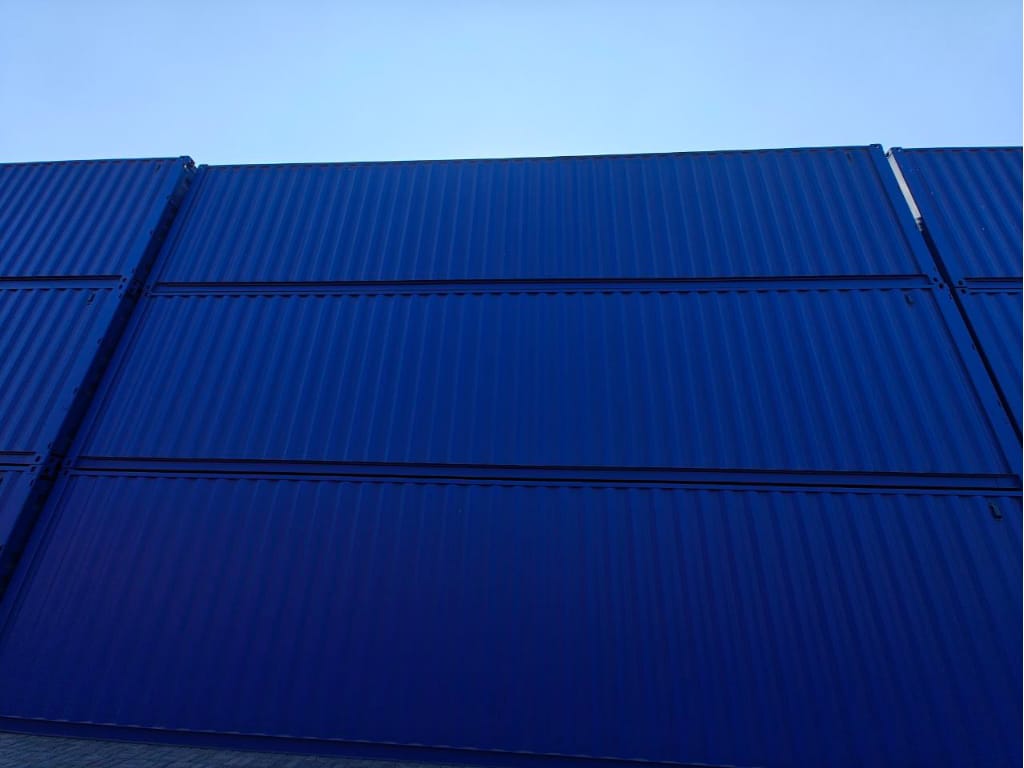
Shipping containers are robust steel structures originally designed for transporting goods across oceans. Their durability makes them ideal for construction, as they can withstand harsh weather conditions and are resistant to pests. Most shipping containers come in standard sizes of 20 feet and 40 feet, allowing for flexibility in design and layout.
Planning Your Container Home
1. Set Your Budget
Before embarking on your shipping container home journey, establish a realistic budget. Consider costs for:
- Containers: Prices can vary based on condition and location. Expect to pay between $1,500 to $5,000 per container.
- Land: If you don’t already own land, factor in this expense, along with permits and zoning regulations.
- Utilities: Include expenses for water, electricity, sewage, and other necessary connections.
- Labor: If you’re hiring contractors, budget for their fees.
2. Choose a Design
The design of your container home is crucial for functionality and aesthetics. There are several popular styles, including:
- Single Container: A simple, efficient solution ideal for small families or individuals.
- Multiple Containers: Stacking or placing containers side by side allows for larger living spaces and creative designs.
- Modular Designs: Combining containers with traditional building materials can enhance flexibility and reduce costs.
Utilize architectural software or consult with a designer familiar with container construction to visualize your project.
3. Location and Permitting
Selecting the right location is vital for your container home. Look for land with good access to amenities and a suitable climate. Check local zoning laws and building codes to ensure that container homes are permitted in your area. Obtaining the necessary permits before construction is crucial to avoid legal issues.
Building Your Container Home
4. Site Preparation
Once your design and permits are in place, prepare the site. This process includes:
- Clearing the Land: Remove vegetation, rocks, and debris.
- Laying the Foundation: Shipping containers are heavy, so a solid foundation is necessary. Common foundation types include concrete slabs, piers, or blocks.
5. Container Modification
Containers often require modifications to become livable spaces. Common alterations include:
- Cutting Windows and Doors: Create openings for natural light and access.
- Insulation: Proper insulation is essential for temperature regulation. Consider eco-friendly options like spray foam or recycled denim insulation.
- Ventilation: Ensure adequate airflow to prevent condensation and maintain indoor air quality.
6. Utilities Installation
Integrate essential utilities into your container home:
- Plumbing: Plan for water supply and drainage systems. Consider installing a rainwater harvesting system for added sustainability.
- Electrical Wiring: Work with a qualified electrician to install electrical systems safely and efficiently.
- Heating and Cooling: Consider energy-efficient systems, such as mini-split HVAC units or passive solar designs.
7. Interior Design
Once the structural work is complete, focus on the interior. Sustainable materials for flooring, walls, and furnishings can create a cozy, eco-friendly living space. Use reclaimed wood, bamboo, or recycled materials for a stylish touch.
Living Sustainably in Your Container Home
8. Energy Efficiency
Adopt energy-efficient practices to reduce your carbon footprint:
- Solar Panels: Install solar panels to harness renewable energy. They can significantly lower utility costs and increase your home’s sustainability.
- Energy-Efficient Appliances: Choose appliances with high energy ratings to minimize electricity usage.
- Natural Lighting: Maximize natural light through strategically placed windows and skylights.
9. Landscaping
Incorporate sustainable landscaping practices around your container home:
- Native Plants: Choose native plants that require less water and maintenance.
- Rain Gardens: Design rain gardens to manage stormwater and reduce runoff.
Conclusion
Building a sustainable shipping container home is not just about creating a living space; it’s about embracing a lifestyle that prioritizes environmental responsibility. By following the steps outlined in this guide, you can create a unique and eco-friendly home that meets your needs while contributing positively to the planet. With careful planning, creativity, and a commitment to sustainability, your shipping container home can be a beautiful sanctuary that reflects your values and lifestyle.