
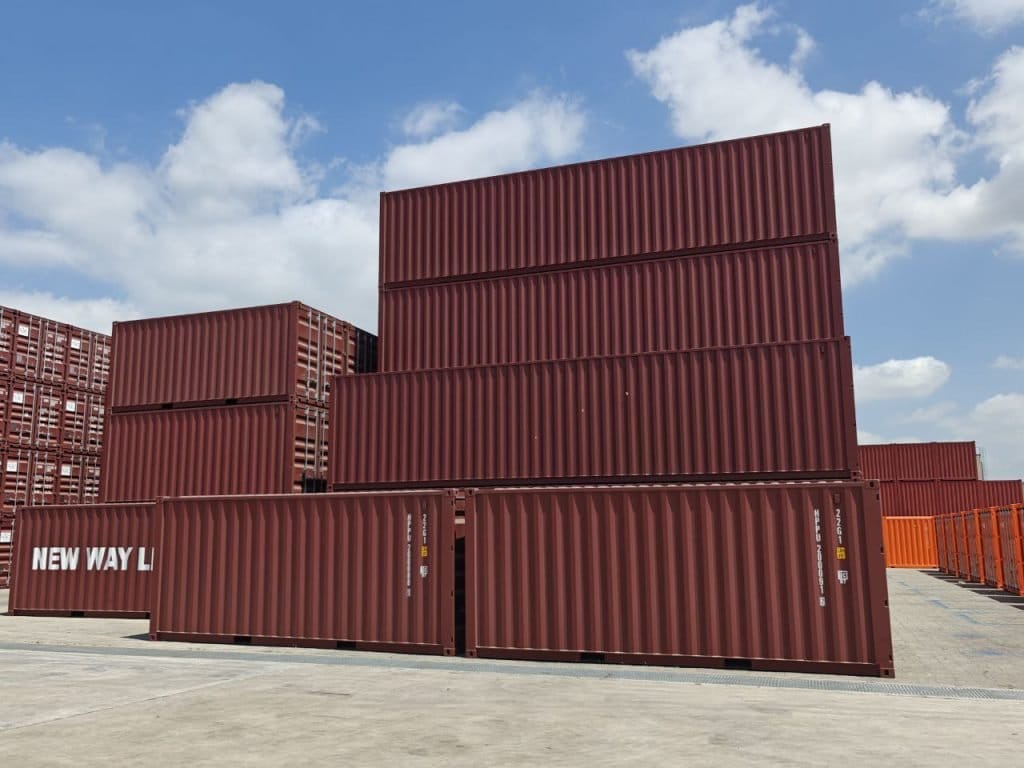
Shipping Containers as Emergency Shelters: A Quick and Durable Solution
In recent years, shipping containers have emerged as a versatile and durable option for emergency shelters. Often associated with cargo and transportation, these robust metal boxes are proving to be a valuable resource in disaster relief and humanitarian efforts. Their adaptability, strength, and cost-effectiveness make them an ideal solution for providing immediate and reliable shelter in the aftermath of natural disasters, conflicts, or other emergencies.
Why Shipping Containers?
Shipping containers are designed to withstand harsh conditions during long-haul journeys across seas and continents. This inherent durability makes them an excellent candidate for emergency shelters, which need to endure both environmental stresses and potential abuse. Here are some of the key reasons why shipping containers are increasingly used for emergency shelters:
- Structural Integrity: Made from steel, shipping containers are built to resist impact, wind, and water. Their robust construction ensures that they can handle severe weather conditions, which is crucial in disaster scenarios where traditional structures might not hold up.
- Rapid Deployment: One of the most significant advantages of shipping containers is their availability and ease of transport. They can be quickly delivered to disaster-stricken areas and put into service with minimal preparation. This rapid deployment is critical when time is of the essence and temporary housing solutions are urgently needed.
- Modular Design: Shipping containers can be easily modified to suit various needs. They can be converted into sleeping quarters, medical facilities, kitchens, or command centers. Their modular nature allows for a customizable approach, which can be tailored to the specific requirements of a relief operation.
- Cost-Effectiveness: Compared to traditional construction methods, repurposing shipping containers is often more economical. The cost of acquiring and converting these containers is generally lower than building emergency shelters from scratch. Additionally, since containers are often reused, this approach contributes to sustainability by recycling materials.
- Security and Privacy: Shipping containers offer a higher level of security and privacy than some other temporary shelter options. Their solid steel walls provide a safe environment for occupants, protecting them from external threats and environmental hazards.
Case Studies and Real-World Applications
Several successful implementations of shipping containers as emergency shelters highlight their effectiveness:
- Haiti Earthquake (2010): In the wake of the devastating earthquake, shipping containers were used to create temporary schools, clinics, and housing units. Their quick deployment and durability provided immediate relief and helped stabilize communities during the recovery process.
- Syrian Refugee Crisis: Amid the ongoing crisis, shipping containers have been used to establish refugee camps and medical facilities. These structures have provided safe, weather-resistant spaces for displaced individuals and aid workers.
- Puerto Rico Hurricane Maria (2017): Following the hurricane, shipping containers were utilized to set up temporary offices, medical centers, and homes. Their ability to withstand the severe weather conditions was crucial in the recovery efforts.
Challenges and Considerations
While shipping containers offer numerous advantages, there are some challenges and considerations to keep in mind:
- Ventilation and Insulation: Shipping containers are metal boxes that can become extremely hot or cold depending on the weather. Proper insulation and ventilation are essential to make them habitable. This requires additional modifications during the conversion process.
- Accessibility: Containers need to be accessible to individuals with disabilities. Ensuring that doors and pathways meet accessibility standards is crucial in creating inclusive emergency shelters.
- Health and Safety: Prior to use, containers must be inspected and cleaned to ensure they are free from contaminants. Additionally, the conversion process should address potential safety hazards such as sharp edges or inadequate fire safety measures.
Conclusion
Shipping containers represent a quick, durable, and cost-effective solution for emergency shelters. Their robustness, modular design, and rapid deployment capabilities make them an invaluable asset in disaster relief and humanitarian efforts. As the global community continues to face natural disasters and conflicts, leveraging the potential of shipping containers can help provide immediate and reliable support to those in need. With ongoing advancements in container modifications and sustainability practices, these structures are likely to play an increasingly prominent role in emergency response strategies around the world.