
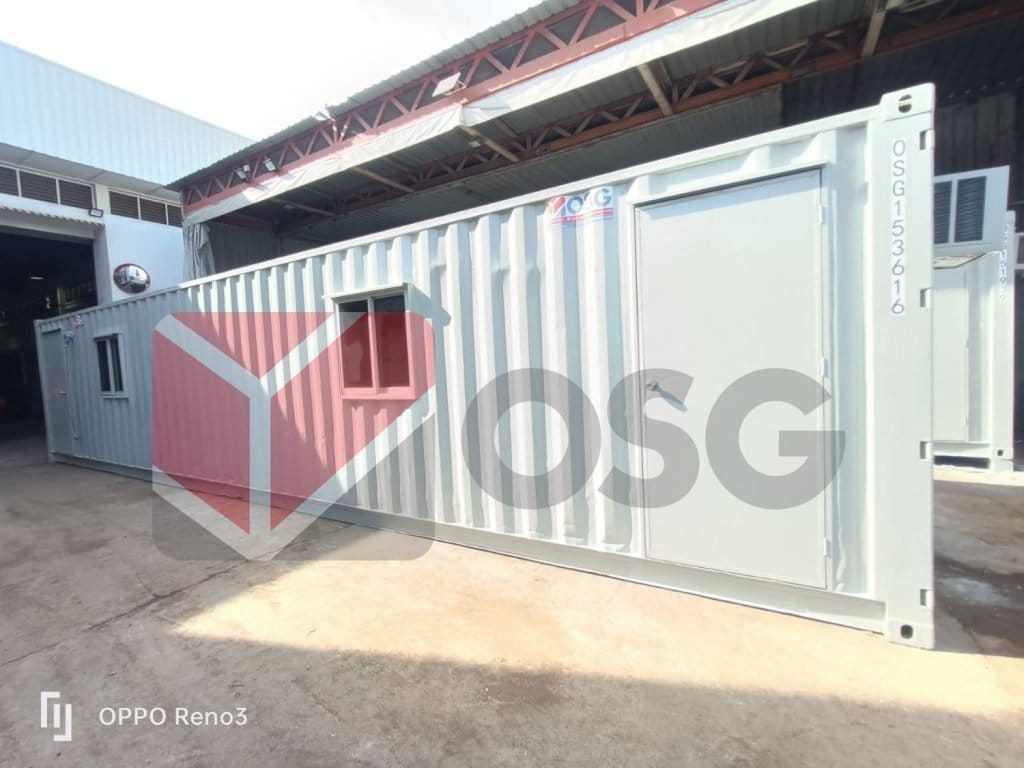
Shipping Containers as Urban Solutions: Tackling Housing Crises with Creativity
As urban populations surge, cities worldwide grapple with housing shortages and escalating property prices. The challenge of providing affordable, sustainable, and efficient housing solutions has never been more pressing. In this context, shipping containers—once mere vessels of global trade—are emerging as creative and viable alternatives for addressing urban housing crises. These steel structures, often abandoned after a few uses, are being repurposed into homes, offices, and community spaces, offering a unique blend of affordability, sustainability, and innovation.
The Rise of Shipping Container Architecture
Shipping container architecture, also known as “cargotecture,” has gained traction over the past two decades, driven by the growing need for affordable housing and sustainable building practices. The concept is simple yet revolutionary: transform used shipping containers into livable spaces. With millions of these containers lying idle in ports worldwide, the potential to repurpose them into homes is enormous.
The appeal of shipping containers lies in their robustness, modularity, and affordability. Made from high-strength corten steel, these containers are designed to withstand harsh weather conditions, making them ideal for housing. Their uniform shape and size allow for easy stacking and configuration, enabling architects to create multi-story buildings with relative ease. Moreover, the cost of a used shipping container is significantly lower than traditional building materials, making them an attractive option for budget-conscious projects.
Addressing the Housing Crisis with Creativity
One of the most significant advantages of using shipping containers for housing is the speed at which they can be deployed. Traditional construction methods are often time-consuming and costly, especially in urban areas where space is limited and labor costs are high. In contrast, shipping container homes can be prefabricated off-site and assembled on location in a matter of weeks. This rapid construction process is crucial in addressing urgent housing needs, such as those arising from natural disasters, homelessness, or the sudden influx of migrants.
Furthermore, shipping container homes offer a flexible solution to the diverse needs of urban populations. These containers can be configured in various ways to create single-family homes, apartment complexes, or even mixed-use developments. For example, in London, the “Container City” project transformed 80 containers into a vibrant community of artists’ studios and affordable housing units. Similarly, in Amsterdam, the Keetwonen student housing complex, made entirely from shipping containers, provides affordable accommodation for over 1,000 students.
Sustainability and Environmental Impact
In addition to their affordability and flexibility, shipping container homes are also a sustainable building solution. The construction industry is one of the largest contributors to global carbon emissions, with traditional building materials like concrete and steel having a significant environmental impact. By repurposing used shipping containers, architects and developers can reduce the demand for new materials, thereby lowering the carbon footprint of construction projects.
Moreover, shipping container homes can be designed to be energy-efficient, further reducing their environmental impact. By incorporating features like solar panels, rainwater harvesting systems, and green roofs, these homes can operate off the grid, reducing their reliance on non-renewable energy sources. In this way, shipping container architecture aligns with the growing trend toward sustainable urban development, offering a solution that benefits both people and the planet.
Overcoming Challenges
While shipping container homes offer many advantages, they are not without challenges. One of the primary concerns is the need for proper insulation. Shipping containers are made of steel, which can become extremely hot in the summer and cold in the winter. Without adequate insulation, these homes may not be comfortable or energy-efficient. However, advancements in insulation materials and techniques have made it possible to create well-insulated, climate-controlled container homes.
Another challenge is the perception of shipping container homes as temporary or low-quality housing. To overcome this stigma, architects and developers must focus on high-quality design and construction, ensuring that these homes are safe, comfortable, and aesthetically pleasing. Public education and awareness campaigns can also help shift perceptions, highlighting the benefits of shipping container architecture and its potential to address the housing crisis.
Conclusion
Shipping containers offer a creative, sustainable, and cost-effective solution to the global housing crisis. As cities continue to grow and the demand for affordable housing intensifies, the versatility and efficiency of shipping container architecture provide a viable path forward. By embracing this innovative approach, urban planners, architects, and policymakers can transform these steel boxes into vibrant communities, offering hope and housing to millions in need.