
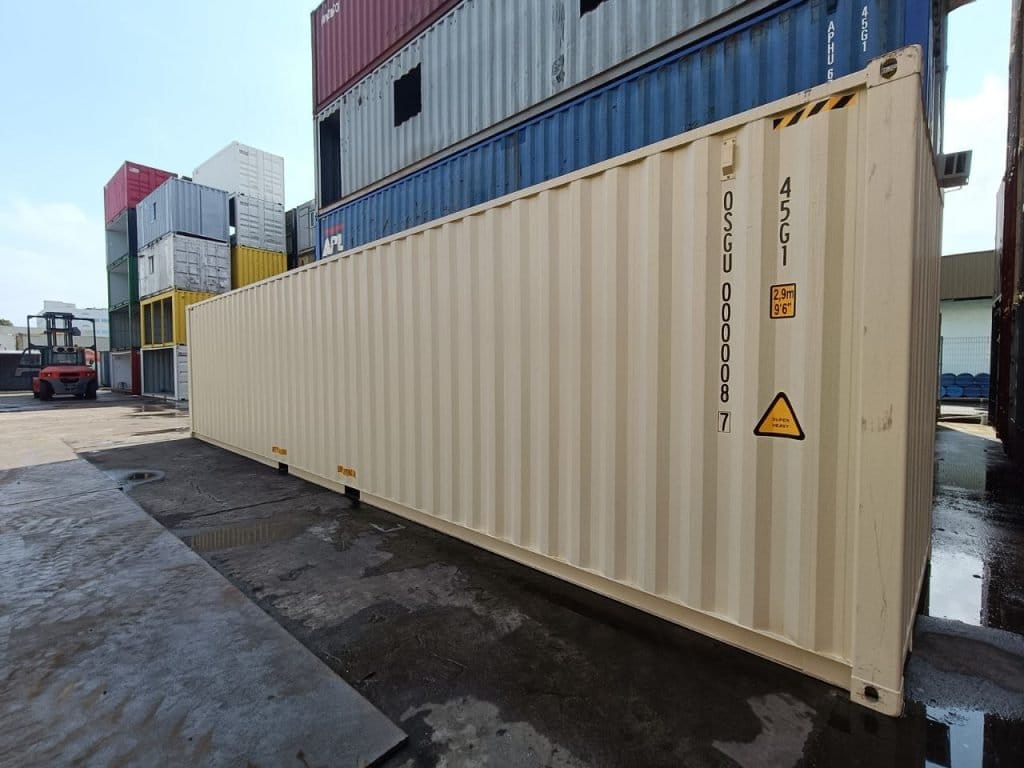
Shipping Containers in the Hospitality Industry: The Future of Boutique Hotels
In recent years, the hospitality industry has witnessed a surge in innovative and sustainable design concepts. One of the most intriguing trends is the use of shipping containers in the development of boutique hotels. Once a symbol of global trade and logistics, these versatile metal boxes are now being repurposed to create unique, eco-friendly, and cost-effective accommodations. This shift represents a significant departure from traditional hotel construction, offering a glimpse into the future of boutique hospitality.
The Rise of Shipping Container Hotels
Shipping container hotels are not just a passing trend but a reflection of evolving consumer preferences and environmental concerns. As travelers increasingly seek authentic and memorable experiences, boutique hotels made from repurposed shipping containers provide a novel alternative to conventional lodging options. These hotels often feature distinctive architectural designs that set them apart from standard hotel chains, making them particularly attractive to design-conscious and eco-friendly travelers.
Advantages of Shipping Containers in Boutique Hotel Design
- Sustainability: One of the most compelling reasons for using shipping containers in hotel construction is their sustainability. By repurposing containers, hotels can significantly reduce the need for new building materials, thereby minimizing their environmental footprint. Additionally, many container hotels are designed with energy-efficient systems, such as solar panels and green roofs, further enhancing their eco-friendly credentials.
- Cost-Effectiveness: Shipping containers are often more affordable than traditional construction methods. Their modular nature allows for quicker assembly and less labor-intensive processes, which can translate into lower overall construction costs. This cost-effectiveness makes shipping container hotels an attractive option for both new developers and those looking to expand their hospitality offerings without breaking the bank.
- Flexibility and Adaptability: Shipping containers are incredibly versatile. They can be stacked, arranged, and modified to create a wide range of layouts and designs. This flexibility allows architects and designers to experiment with different configurations and aesthetics, resulting in unique and custom-designed boutique hotels that cater to diverse guest preferences.
- Mobility: One of the standout features of shipping container hotels is their mobility. Unlike traditional buildings, containers can be relocated with relative ease. This mobility is particularly useful for temporary or pop-up hotel concepts, allowing operators to offer unique experiences in different locations without committing to permanent structures.
Notable Examples of Shipping Container Hotels
Several successful shipping container hotels around the world showcase the potential of this innovative design approach. For instance, the Container Hotel in Kuala Lumpur, Malaysia, features a modern and minimalist design that appeals to both local and international travelers. Its use of shipping containers not only provides a unique aesthetic but also supports the hotel’s commitment to sustainability.
In the United States, the Nantes Hotel in Austin, Texas, exemplifies how shipping containers can be used to create stylish and functional boutique accommodations. This hotel combines containers with other materials to create a visually striking building that stands out in a competitive market.
Challenges and Considerations
Despite their many advantages, shipping container hotels are not without challenges. One major consideration is insulation and temperature regulation. Shipping containers are made of metal, which can lead to extreme temperatures inside if not properly insulated. Ensuring that the containers are well-insulated and equipped with effective heating and cooling systems is crucial for maintaining guest comfort.
Another challenge is the potential for limited space. While shipping containers offer a compact and efficient solution, they can also present constraints in terms of room size and layout. Innovative design solutions are necessary to maximize the use of space and ensure that the accommodations remain comfortable and functional.
The Future of Shipping Container Hotels
As the hospitality industry continues to evolve, shipping container hotels are likely to play an increasingly prominent role. Their unique combination of sustainability, cost-effectiveness, and design flexibility aligns with the growing demand for eco-friendly and distinctive travel experiences. For both new developers and established hotel operators, incorporating shipping containers into their design portfolios presents an exciting opportunity to stand out in a crowded market.
In conclusion, shipping containers are more than just a trend; they represent a shift towards more sustainable, innovative, and cost-effective hospitality solutions. As travelers continue to seek out unique and memorable experiences, boutique hotels built from shipping containers are poised to become a significant player in the future of the hospitality industry. With their distinctive charm and commitment to sustainability, these container-based hotels offer a glimpse into the exciting possibilities of modern design and responsible travel.