
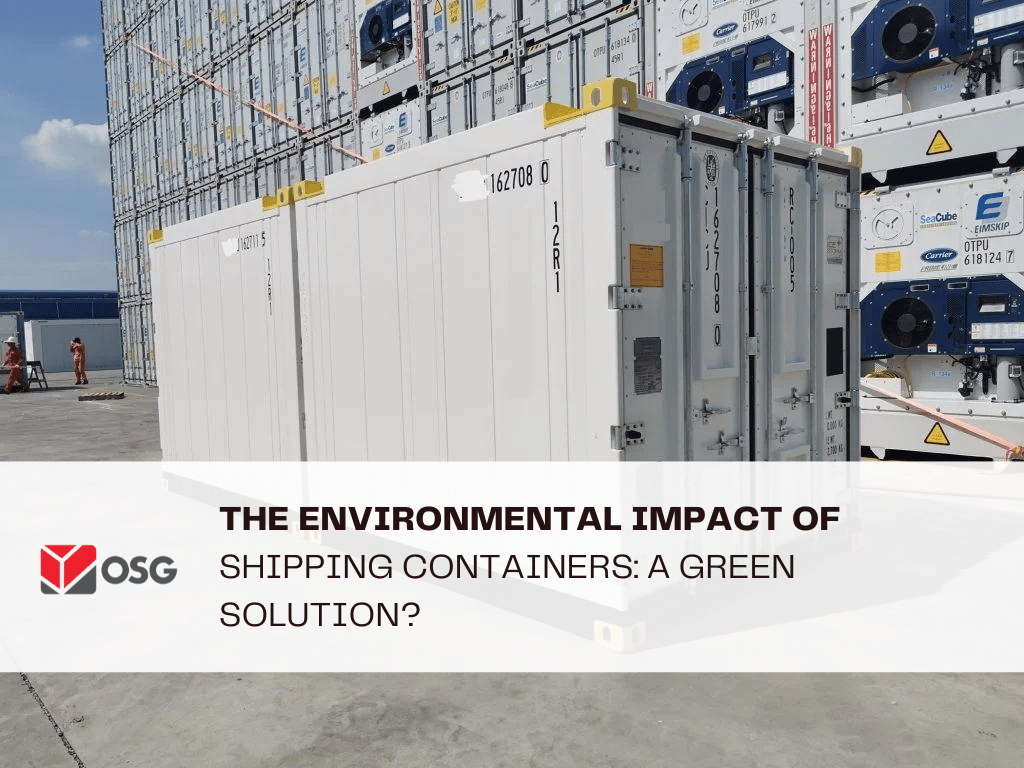
The Environmental Impact of Shipping Containers: A Green Solution?
In recent years, shipping containers have emerged as a versatile and eco-friendly solution for various applications beyond their traditional role in global logistics. From homes and offices to retail spaces and emergency shelters, these steel boxes are increasingly being repurposed for innovative uses. But as their popularity grows, it’s crucial to evaluate their environmental impact to determine whether they truly represent a green solution.
Understanding Shipping Containers
Shipping containers, also known as cargo containers, are standardized steel boxes designed for the efficient transport of goods across long distances. Their robust design ensures they can withstand the rigors of global shipping, making them a durable and secure option for a wide range of applications. Typically, these containers come in sizes such as 20 feet and 40 feet in length.
The Environmental Benefits of Shipping Containers
- Recycling and Reuse: One of the primary environmental benefits of shipping containers is their potential for reuse and recycling. By repurposing containers, we extend their lifecycle and reduce the need for new materials. This practice not only conserves resources but also minimizes waste, contributing to a circular economy.
- Durability and Longevity: Shipping containers are built to last. Their steel construction makes them highly durable, which means they can be used for decades with minimal maintenance. This longevity reduces the frequency of replacements and the associated environmental impact of manufacturing and disposing of new structures.
- Reduced Construction Waste: Using shipping containers in construction projects can significantly cut down on waste. Traditional building methods often generate substantial amounts of construction debris, while container-based structures typically produce less waste due to the modular nature of the containers.
- Energy Efficiency: Shipping containers have inherent energy efficiency benefits. Their metal walls provide excellent thermal insulation, which can reduce the need for additional heating or cooling. Additionally, containers can be outfitted with energy-efficient systems, such as solar panels, to further enhance their green credentials.
- Modular Design: The modularity of shipping containers allows for flexible and scalable designs. This adaptability means that containers can be easily reconfigured or expanded to meet changing needs, reducing the demand for new construction and the environmental impact associated with it.
Environmental Challenges and Considerations
- Steel Production and Carbon Footprint: The production of steel, the primary material used in shipping containers, is energy-intensive and contributes to greenhouse gas emissions. Although repurposing containers helps mitigate this impact, the initial production process remains a significant environmental concern.
- Contaminants and Safety: Some shipping containers were previously used to transport hazardous materials, which can lead to contamination. Ensuring that containers are properly inspected and decontaminated before repurposing is crucial to avoid potential health risks and environmental harm.
- Transportation and Logistics: Transporting shipping containers to their new locations involves additional energy use and emissions. While the containers themselves may be eco-friendly, the process of moving them can offset some of the environmental benefits. Choosing local sources and minimizing transportation distances can help mitigate this issue.
- Maintenance and Upgrades: While shipping containers are durable, they do require maintenance to ensure their longevity and safety. This maintenance can involve the use of additional materials and resources, which should be considered when evaluating their overall environmental impact.
Innovative Solutions and Future Outlook
To maximize the environmental benefits of shipping containers, several innovative solutions are being explored:
- Green Certification and Standards: Implementing green building certifications and standards can help ensure that container-based structures meet environmental and sustainability criteria. These certifications can provide guidelines for energy efficiency, material use, and overall environmental impact.
- Sustainable Design Practices: Integrating sustainable design practices, such as passive solar heating, rainwater harvesting, and green roofs, can further enhance the environmental performance of container-based structures.
- Research and Development: Ongoing research into more sustainable materials and construction techniques can help address the environmental challenges associated with shipping containers. Advances in steel production, recycling technologies, and eco-friendly coatings can contribute to reducing their overall impact.
Conclusion
Shipping containers offer a range of environmental benefits, from recycling and reduced construction waste to energy efficiency and modular design. However, their environmental impact is not without challenges, including the carbon footprint of steel production and the logistics of transportation. By addressing these challenges through innovative solutions and sustainable practices, shipping containers can continue to serve as a green and versatile solution for a variety of applications. As we move towards a more sustainable future, the responsible use and management of shipping containers will play a crucial role in achieving our environmental goals.