
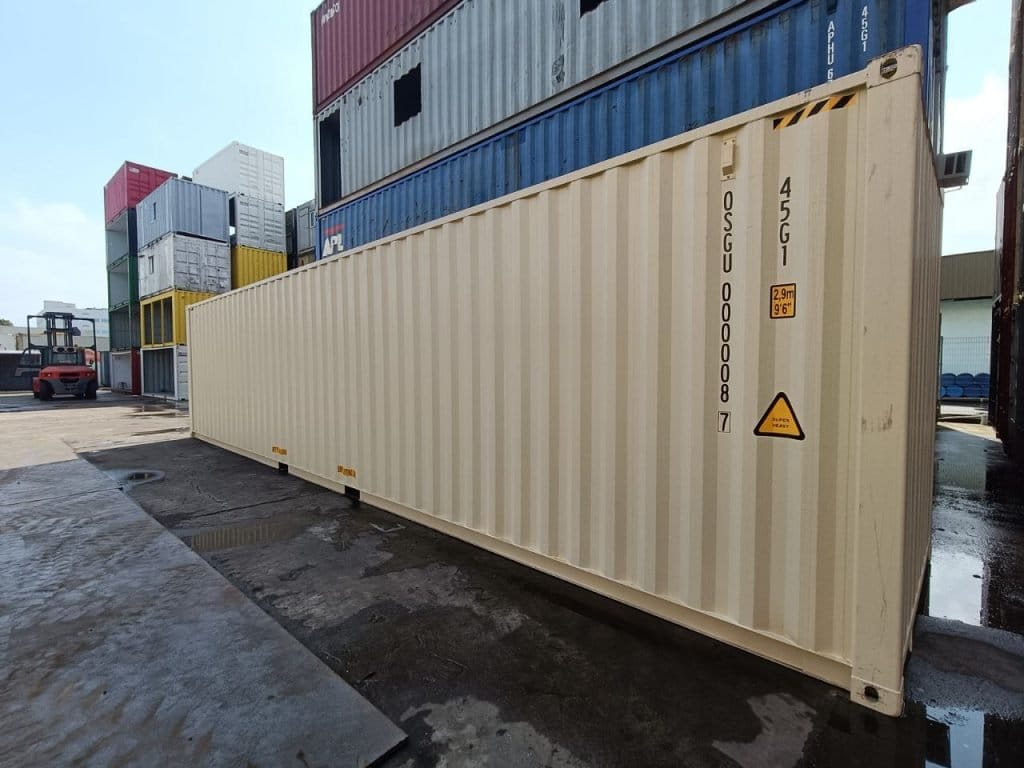
The Environmental Impact of Shipping Container Homes: Myths vs. Reality
In recent years, shipping container homes have emerged as a popular alternative to traditional housing. Promoted as eco-friendly and sustainable, these structures often catch the eye of environmentally conscious individuals looking to reduce their carbon footprint. However, amid the enthusiasm, several myths and misconceptions surround the environmental impact of shipping container homes. To get a clearer picture, it’s essential to differentiate between reality and myth.
Myth 1: Shipping Container Homes Are Completely Eco-Friendly
One of the most prevalent myths is that shipping container homes are entirely eco-friendly. While they are indeed a more sustainable option compared to conventional houses, they are not without their environmental drawbacks. Shipping containers are made from steel, which requires a significant amount of energy to produce. The process of melting and molding steel is energy-intensive and contributes to greenhouse gas emissions. Additionally, repurposing these containers involves transportation and modification processes that also have their own environmental impacts.
Reality: Shipping Container Homes Have a Smaller Carbon Footprint
Despite the energy required to produce and repurpose shipping containers, they generally have a smaller carbon footprint compared to traditional homes. This is primarily because they reuse existing materials rather than requiring new raw materials for construction. Shipping containers are inherently durable and resistant to extreme weather conditions, which often means they have a longer lifespan and require less maintenance. By extending the lifecycle of these containers, we reduce the need for new construction materials and decrease waste.
Myth 2: Shipping Container Homes Are Energy-Efficient
Another common belief is that shipping container homes are automatically energy-efficient due to their compact size and design. While their smaller footprint does reduce the amount of energy needed for heating and cooling, the reality is more nuanced. The efficiency of a shipping container home largely depends on its design and insulation. Many container homes are constructed with minimal insulation, which can lead to high energy consumption for climate control.
Reality: Proper Insulation and Design Are Key
For shipping container homes to be genuinely energy-efficient, they require thoughtful design and proper insulation. Modern container homes can incorporate advanced insulation materials, energy-efficient windows, and solar panels to enhance their environmental performance. By investing in these features, homeowners can significantly improve the energy efficiency of their container homes and reduce their overall energy consumption.
Myth 3: Shipping Container Homes Are Free from Environmental Hazards
Some proponents claim that shipping container homes are free from environmental hazards. However, this is not always the case. Shipping containers are often treated with chemicals for preservation and pest control, which can pose health risks if not properly managed. These chemicals may include hazardous substances like lead-based paints and fungicides.
Reality: Proper Management of Hazards Is Essential
To ensure that shipping container homes are safe and environmentally friendly, it’s crucial to address potential hazards. Properly cleaning and treating the containers to remove any harmful substances is essential. Additionally, using non-toxic paints and finishes can help mitigate health risks. With careful management, the environmental and health impacts of these hazards can be minimized.
Myth 4: Shipping Container Homes Are Affordable and Accessible for Everyone
Many people assume that shipping container homes are a low-cost alternative to traditional housing. While they can be more affordable than conventional homes, the total cost of a shipping container home can vary widely depending on factors such as location, design, and customization. In some cases, the cost of modifying and outfitting a shipping container to meet living standards can exceed initial expectations.
Reality: Costs Can Vary Significantly
The affordability of shipping container homes depends on various factors, including local regulations, site preparation, and design choices. While the base cost of the container itself may be relatively low, additional expenses for modifications, permits, and utilities can add up. For some, these costs may outweigh the perceived savings. It’s important for prospective homeowners to carefully consider all factors and budget accordingly.
Conclusion
Shipping container homes offer a promising alternative to traditional housing with notable environmental benefits, but they are not a panacea for all ecological concerns. By debunking the myths and understanding the realities of their environmental impact, we can make more informed decisions about their use. Embracing sustainable practices, investing in proper insulation, managing potential hazards, and being aware of cost factors are essential steps toward maximizing the benefits of shipping container homes while minimizing their drawbacks. With thoughtful planning and execution, shipping container homes can indeed contribute to a more sustainable future.