
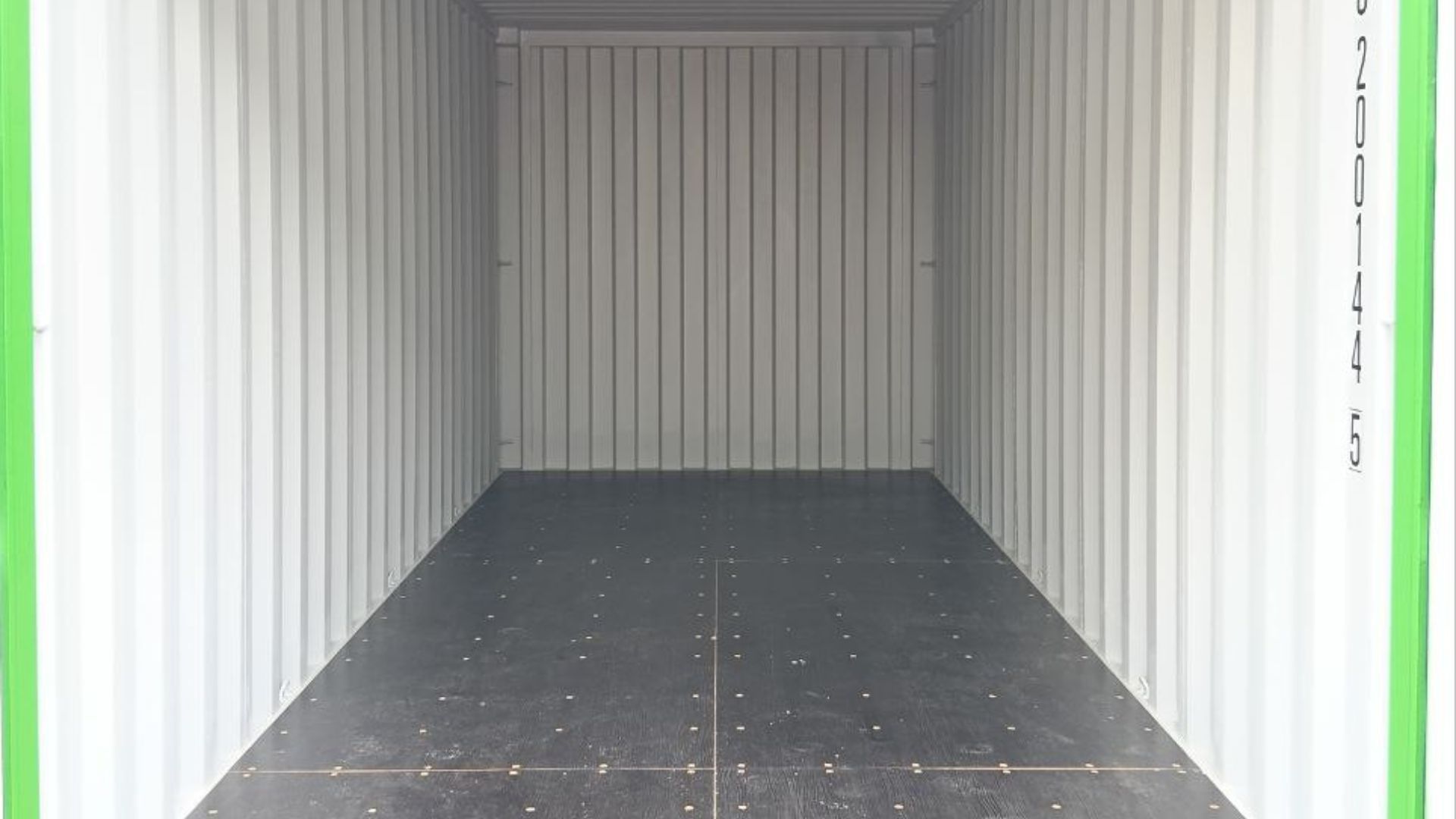
Shipping Container Price in Singapore: How Grade, Size and Delivery Affect Your Quote
Finding a reliable ship container for sale involves more than comparing the initial quotations from different suppliers. Shipping container prices vary depending on the container's condition, size, specifications, availability and delivery requirements.
Whether you need secure storage for construction equipment, a cargo container for international shipping or a container for a customised workspace, understanding these factors helps you select equipment that matches your operational requirements.
A lower quotation does not always mean that a container is suitable for your project. Similarly, a newer container may offer advantages that are not necessary for every application.
This guide explains what influences the shipping container price in Singapore, how different container grades compare, and what businesses should check before requesting a quotation.
1. Why Do Shipping Container Prices Vary Between Different Grades?
One of the main factors affecting the price of shipping container equipment is its condition. Used containers may have different levels of wear depending on their age, previous cargo handling, transportation history and maintenance.
Container suppliers generally offer different condition categories to help businesses identify suitable equipment for shipping, storage and modification projects.
Economy and As-Is Containers
Economy or As-Is containers are generally supplied in their existing condition, which may include visible corrosion, dents, damaged flooring or other signs of wear.
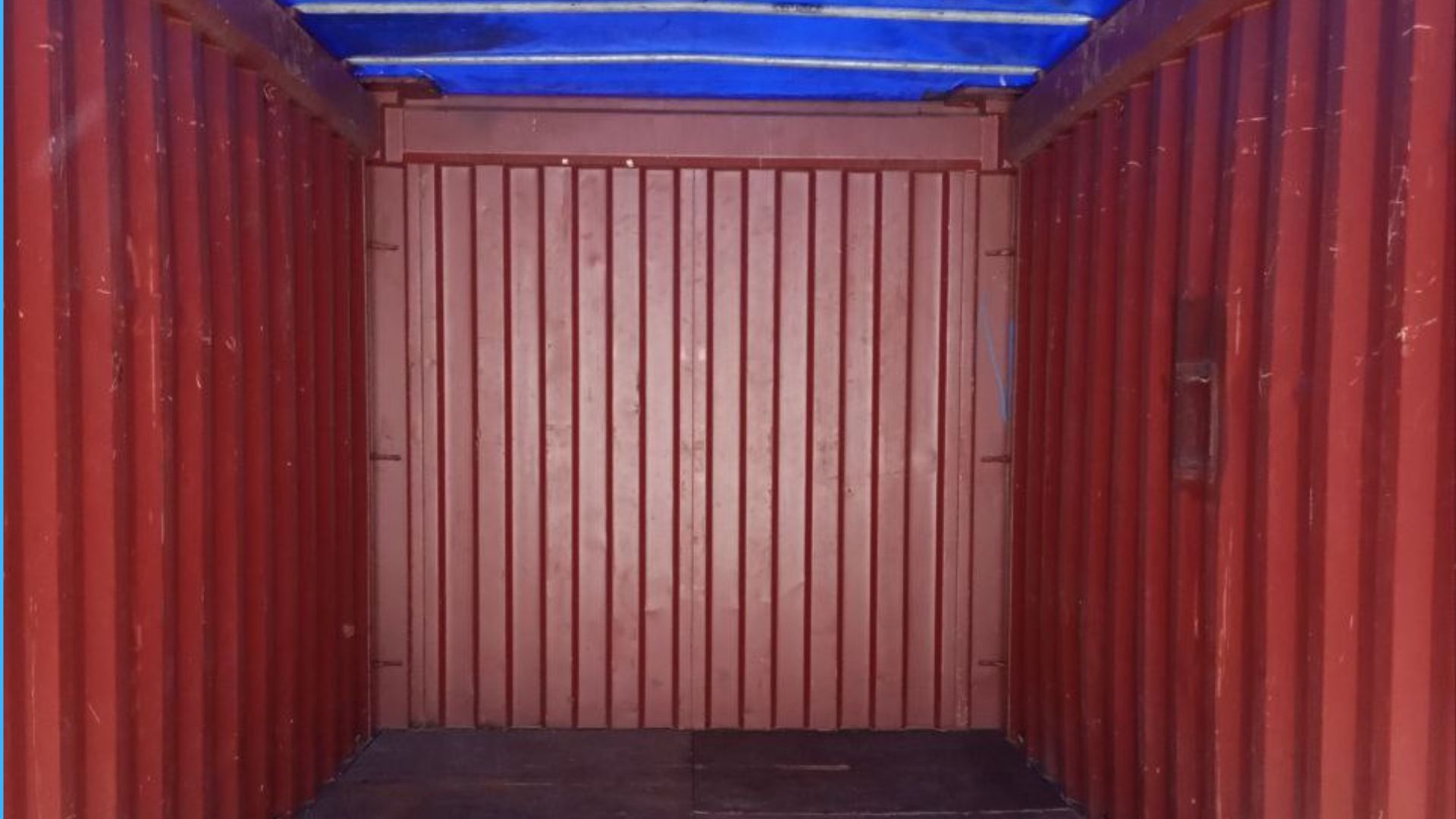
Some units may require repairs before they can provide reliable storage or support another application.
Although these containers may be offered under different commercial terms from better-condition units, buyers should assess the actual condition rather than relying on the grade description alone.
Important areas to inspect include:
- Roof and wall panels
- Flooring condition
- Door seals and hinges
- Corner posts and structural components
- Previous repairs and modifications
- Signs of water ingress
An As-Is container should not automatically be considered suitable for dry storage, international shipping or structural conversion.
Wind and Watertight Containers
Wind and Watertight (WWT) containers are commonly used for stationary storage applications.
These containers are generally intended to provide an enclosed space that resists normal weather exposure, although their actual condition must still be verified.
They may be suitable for:
- Construction site equipment storage
- Industrial tools and spare parts
- Warehouse inventory
- Maintenance supplies
- Temporary commercial storage
A WWT description does not automatically mean the container meets the requirements for international maritime transportation.
Cargo Worthy Containers
Cargo Worthy (CW) containers are generally assessed for suitability for cargo transportation.
Businesses planning to use containers for international shipping should confirm the relevant structural condition, CSC approval and applicable examination requirements.
The Cargo Worthy description alone does not establish that every shipping or carrier requirement has been satisfied.
Compared with containers intended only for stationary storage, Cargo Worthy units may require additional condition verification and documentation.
New and One-Trip Containers
New or One-Trip containers generally have limited previous cargo service.
They may have fewer visible signs of wear than containers that have been used extensively in freight operations.
Businesses may consider newer units for applications where appearance, equipment condition or future modification plans are important.
However, the actual condition and specifications should still be confirmed before ordering.
Comparing Shipping Container Condition Grades
| Condition Grade | Typical Condition | Potential Applications | Important Checks |
|---|---|---|---|
| Economy / As-Is | Existing condition; may require repairs | Selected storage or refurbishment projects after assessment | Structural damage, leaks, flooring and repairs |
| Wind and Watertight | Used container intended to resist normal weather exposure | Stationary storage and site equipment storage | Roof, door seals and interior condition |
| Cargo Worthy | Assessed for freight use, subject to applicable requirements | Suitable cargo transportation | Condition, CSC approval and examination status |
| New / One-Trip | Limited previous cargo service | Storage, selected conversions and commercial applications | Actual condition, specifications and fittings |
Note: Container grades are general commercial descriptions. Actual equipment condition and suitability depend on the individual unit and applicable inspection requirements.
2. Is a New Shipping Container Worth Choosing Over a Used Container?
The new shipping container price is influenced by factors such as container size, design, manufacturing specifications, equipment availability and delivery arrangements.
However, choosing between new and used containers should not depend solely on the quotation.
The intended use of the container is equally important.
Appearance Requirements for Commercial Applications
Businesses using containers in visible commercial environments may prefer newer units with relatively limited previous wear.
For example, a container used as part of a retail project or customer-facing facility may have different appearance requirements from a container used for storing construction tools.
Newer containers may offer a more consistent starting condition for selected applications.
However, paintwork, panel appearance and additional fittings should be reviewed for the actual unit.
Structural Condition for Container Conversions
Containers intended for offices, workshops or other customised spaces may require structural modifications.
These can include:
- Additional doors and windows
- Wall and ceiling insulation
- Interior partitions
- Electrical installations
- Air-conditioning provisions
- Flooring modifications
- External finishes
A container with significant existing damage may require additional assessment or repairs before modifications can proceed.
Newer units may provide a useful starting point for certain projects, but structural suitability must still be confirmed.
When Is a Used Container a Practical Option?
A used container may be suitable when the intended application does not require a newer exterior appearance or extensive modification work.
For example, a suitable Wind and Watertight unit may provide enclosed storage for equipment or inventory at an industrial site.
Businesses should still confirm that the selected unit meets their storage requirements.
What Should You Compare Between New and Used Containers?
- Container condition
- Structural integrity
- Flooring and door operation
- Previous repairs
- Intended application
- Modification requirements
- Relevant certification needs
- Available sizes and configurations
The best option depends on whether the container can support the project's intended use.
3. Can a Lower Shipping Container Price Hide Structural Problems?
A lower quotation may reflect a container's condition, specifications or availability.
Before selecting used equipment, businesses should review the actual unit to determine whether it is suitable for the intended application.
Inspecting Roof Panels and Side Walls
Used shipping containers may show corrosion, dents or previous repairs.
Although some visible wear may be cosmetic, deeper corrosion or structural deformation can affect the unit's suitability.
Businesses should inspect accessible roof and wall areas for:
- Visible holes or perforations
- Significant corrosion
- Damaged seams
- Distorted panels
- Signs of water ingress
- Previous repair work
Suspected structural defects should be assessed by appropriately qualified personnel.
Checking Container Flooring
The floor must be suitable for the materials and equipment that will be stored or transported.
Common inspection points include:
- Cracked or damaged floorboards
- Signs of moisture damage
- Unusual stains or residues
- Loose or uneven surfaces
- Previous floor repairs
Businesses should also consider the expected cargo load and applicable floor-loading requirements.
Inspecting Doors and Rubber Seals
Container doors should open and close correctly.
Misaligned doors, damaged hinges or deteriorated rubber seals may affect access and protection against weather exposure.
Check the operation of the door leaves, locking bars, hinges and seals before accepting the unit.
Separating Cosmetic Wear from Structural Damage
Not every scratch, dent or patch of surface corrosion makes a container unsuitable.
However, damage to structural members such as corner posts, rails and corner castings may require further assessment.
The distinction matters because the structural requirements for international freight transportation differ from those for some stationary storage applications.
Businesses should inspect the container according to its intended use rather than judging its condition solely by appearance.
4. Does the Shipping Container Quotation Include Delivery?
Businesses comparing the price of shipping container equipment should confirm whether transportation, unloading and final positioning are included in the quotation.
A container may be supplied from a depot or another storage location, while delivery to the customer's site requires suitable transportation arrangements.
Container Transport and Unloading Methods
Different containers may require different transport and unloading equipment.
Potential arrangements include:
- Suitable container trucks and trailers
- Lorry crane transportation
- Separate lifting equipment
- Specialised container handling machinery
The correct method depends on the container's dimensions, weight and destination.
Why Is Site Access Important?
Restricted access can affect the available delivery options.
Before confirming transportation, businesses should review:
- Entrance width
- Vehicle turning space
- Overhead cables and structures
- Available unloading area
- Ground conditions
- Container placement position
- Site operating restrictions
Providing site photographs and access measurements may help the transport provider assess delivery requirements.
Ground Preparation Before Container Delivery
A shipping container should be placed on ground or supports suitable for its size and expected loading.
Uneven support can contribute to settlement or misalignment, which may affect door operation.
Depending on the site, appropriate ground preparation or structural support arrangements may be necessary.
The correct approach should be determined according to actual site conditions and container loading requirements.
Confirming the Scope of Delivery
Before approving a quotation, confirm whether the requested services include:
- Container collection
- Transportation
- Unloading
- Crane lifting, where applicable
- Final positioning
- Site-specific handling arrangements
- Any relevant access or permit requirements
Delivery arrangements should be confirmed before the container is dispatched.
5. How Do Global Shipping Conditions Influence Container Prices?
Container equipment availability can be affected by international freight activity and the movement of empty containers between regions.
Shipping lines, equipment leasing companies and depots manage container fleets according to commercial and operational requirements.
These activities may influence the supply of equipment available for sale in different locations.
Container Fleet Repositioning
Shipping containers move between ports and trade routes as part of international cargo operations.
When empty containers are required in another market, equipment operators may reposition units instead of releasing them for sale.
As a result, the availability of particular container sizes or conditions may vary over time.
What Is the Difference Between Container Ship Price and Container Purchase Price?
The search term container ship price can refer to different things.
Some buyers use it when looking for shipping container equipment, while others are researching ocean freight rates or the price of an actual container vessel.
These are separate markets:
- Shipping container purchase: Acquiring an individual container for freight, storage or another application.
- Ocean freight: Arranging transportation of cargo by sea.
- Container ship: A vessel designed to carry shipping containers.
Changes in ocean freight activity may influence container equipment availability, but freight rates and individual container quotations are not interchangeable.
Why Does Local Availability Matter?
Container stock can vary by location, equipment type and condition.
For example, the availability of used General Purpose containers may differ from that of specialised equipment such as refrigerated or open-top containers.
Businesses should confirm actual stock and specifications with the supplier rather than assuming that every advertised model is immediately available.
6. Does Container Size Affect Shipping Container Price?
Container dimensions are another important factor when comparing equipment quotations.
A larger container generally provides more internal storage space, but the most suitable option depends on cargo requirements, available site space and transport arrangements.
Comparing Common Container Sizes
| Container Type | External Dimensions | Approximate Internal Volume | Potential Application |
|---|---|---|---|
| 20ft Standard | 6.06m L x 2.44m W x 2.59m H | 33 m³ | Compact storage and cargo transportation |
| 40ft Standard | 12.19m L x 2.44m W x 2.59m H | 67-68 m³ | Larger storage and freight requirements |
| 40ft High Cube | 12.19m L x 2.44m W x 2.90m H | 76 m³ | Taller cargo, increased vertical storage and selected conversions |
| 20ft Reefer | Approximately 6.06m L x 2.44m W x 2.59m H | Around 28 m³ | Temperature-controlled cargo and cold storage |
Note: Dimensions and capacities are indicative. Actual specifications, operating capabilities and payload ratings depend on the selected container.
When Is a 20ft Container Suitable?
A 20ft container may be appropriate for smaller cargo volumes, compact industrial storage or locations with restricted placement space.
Potential applications include construction tools, equipment, spare parts and general storage.
When Is a 40ft Container More Suitable?
A 40ft container provides additional storage length and internal volume.
It may be suitable for businesses handling larger quantities of goods or requiring a larger enclosed storage area.
However, businesses should confirm site access and delivery requirements before selecting a longer container.
Why Consider a High Cube Container?
High Cube containers provide additional vertical clearance compared with standard-height containers.
This may be useful for taller equipment, warehouse storage arrangements and selected office or workspace conversions.
The additional height should be evaluated alongside transport clearance and intended internal fittings.
Does Larger Always Mean Better?
No. A larger container is not automatically the most practical choice.
Businesses should consider:
- Actual cargo quantity
- Goods dimensions
- Permitted payload
- Site footprint
- Loading and unloading requirements
- Delivery access
- Required internal height
The correct size should be selected according to the application rather than external dimensions alone.
7. Why Do Specialised Container Types Have Different Quotations?
Not every shipping container has the same equipment or construction.
Specialised containers are designed for different cargo and operational requirements.
Reefer Containers
Refrigerated containers include insulation and refrigeration machinery for suitable temperature-controlled applications.
Important considerations include the refrigeration unit's condition, temperature capabilities, electrical requirements and intended cargo.
Open Top Containers
Open-top containers provide suitable overhead loading access for cargo that cannot be conveniently loaded through conventional container doors.
Their removable roof arrangements and specialised construction should be considered when selecting equipment.
Flat Rack Containers
Flat rack containers are designed for suitable oversized or irregular cargo.
Businesses should assess cargo dimensions, weight, securing arrangements and transport requirements before choosing this type.
Customised Containers
Some projects require modified containers with additional access, insulation, electrical provisions or other fittings.
The required work depends on the design, original structure and intended use.
Businesses should provide their modification requirements when requesting a quotation.
8. What Should You Check Before Confirming a Shipping Container Purchase?
Before confirming a purchase, businesses should review the equipment and service details provided by the supplier.
Container Selection Checklist
- Required container size and type
- New or used condition
- Intended shipping or storage application
- Structural condition
- Flooring and door operation
- Applicable CSC requirements
- Required modifications
- Delivery location
- Site access requirements
- Unloading and positioning arrangements
Why Is a Detailed Quotation Important?
A quotation should identify the equipment and agreed services clearly enough for the buyer to review the proposed supply arrangement.
Relevant information may include:
- Container specifications
- Quantity required
- Condition description
- Additional fittings
- Delivery scope
- Required handling services
- Applicable project requirements
Confirming these details helps businesses compare suitable equipment on a consistent basis.
Frequently Asked Questions About Shipping Container Prices
What Is the Shipping Container Price in Singapore?
Shipping container quotations vary according to the selected size, equipment type, condition, availability, modifications and delivery requirements.
For accurate information, request a quotation based on your specific container requirements and delivery location.
What Affects the Price of Shipping Container Equipment?
The main considerations include container size, condition grade, technical specifications, intended use, equipment availability and transportation arrangements.
Specialised containers or units requiring modifications may have different quotation requirements from standard dry containers.
Is a New Shipping Container Better Than a Used Container?
Not necessarily. A newer container may offer advantages for appearance-sensitive or selected modification projects, while a suitable used container may meet the requirements for stationary storage or cargo transport.
The correct choice depends on the intended application and actual equipment condition.
Are Cargo Worthy and Wind and Watertight Containers the Same?
No. Wind and Watertight containers are commonly considered for stationary storage, while Cargo Worthy containers are generally assessed for freight transportation.
International shipping also requires confirmation of applicable approval and examination requirements.
Does Container Size Affect the Quotation?
Yes. Different container sizes have different dimensions, equipment specifications and handling requirements.
Businesses should compare the available space and operational suitability of the selected unit.
Does the Quotation Include Delivery?
Delivery arrangements depend on the supplier and agreed scope of service.
Customers should confirm whether transportation, unloading, lifting and positioning are included.
Can I Buy a Shipping Container for Storage?
Yes. Shipping containers may be used for stationary storage at construction sites, warehouses and industrial premises, provided the selected unit is suitable for the intended contents and site conditions.
Can Shipping Containers Be Customised?
Yes. Suitable containers may be modified for offices, workshops, retail applications and other projects.
Modifications should be assessed according to structural and operational requirements.
Where Can I Find a Ship Container for Sale in Singapore?
OSG Containers supplies shipping containers for logistics, industrial storage, construction and commercial applications in Singapore.
Contact our team to discuss available sizes, new or used conditions, modifications and delivery requirements.
Why Choose OSG Containers for Shipping Containers in Singapore?
OSG Containers provides shipping container solutions for businesses requiring cargo transportation equipment, industrial storage or customised container spaces.
Our range includes General Purpose containers, High Cube containers and specialised container equipment, with new and used options subject to availability.
We also provide related services including container transportation, lifting, positioning and selected modifications.
Whether you need a 20ft storage container, a 40ft freight container or a customised unit for a commercial application, our team can help you review suitable available options.
Get the Right Shipping Container for Your Project
Understanding shipping container grades, sizes and delivery requirements makes it easier to identify equipment suitable for your intended use.
The most appropriate container is not necessarily the newest or largest unit, but the one that matches your operational requirements and site conditions.
Before requesting a quotation, prepare your preferred size, container condition, quantity, intended application and delivery location.
Looking for Shipping Containers in Singapore?
Explore our new and used shipping containers for construction, logistics, industrial storage and commercial applications. Share your preferred size, condition, quantity and delivery requirements with our team to request a tailored quotation.
Request a Shipping Container QuoteSee More Insights from OSG Containers on Google
Enjoy our container guides and industry insights? Add OSG Containers as a Preferred Source on Google to discover more of our relevant articles.
Add OSG as a Preferred Source (opens in a new tab)