
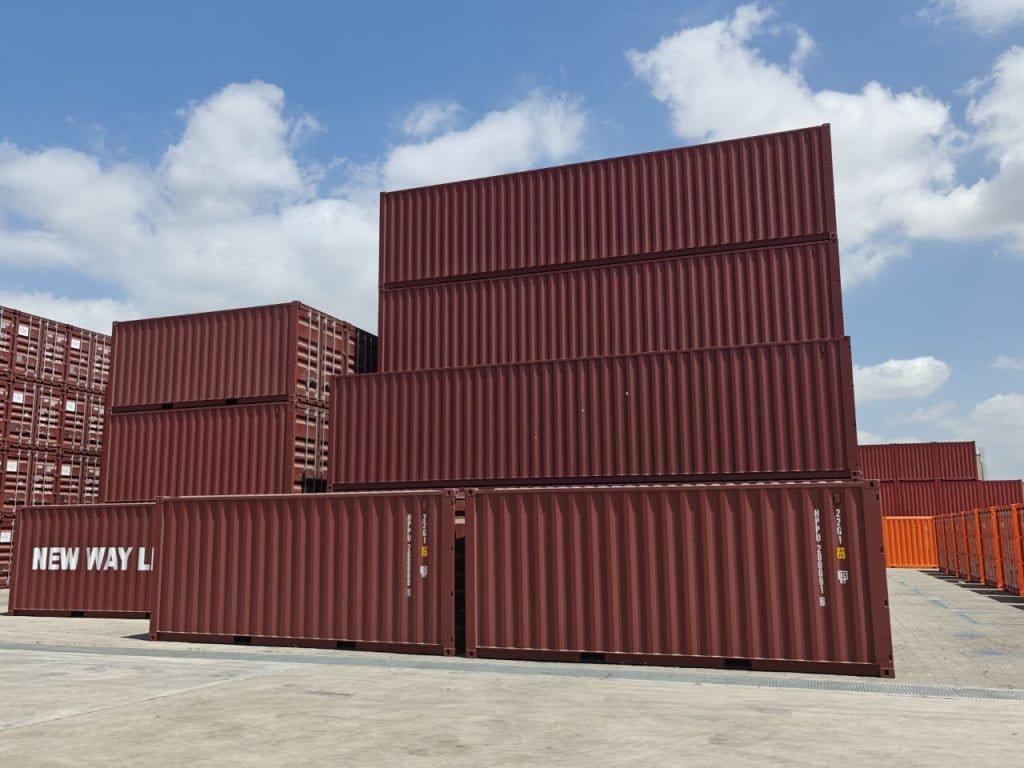
How to Choose the Right Shipping Container for Your Building Project
In recent years, shipping containers have gained immense popularity as a sustainable and cost-effective solution for building projects. From tiny homes and offices to full-scale modular buildings, these versatile structures offer a range of benefits. However, choosing the right shipping container for your building project involves more than just picking one off the lot. Here’s a comprehensive guide to help you make an informed decision.
1. Understand Your Project Requirements
Before selecting a shipping container, it’s crucial to clearly define your project requirements. Are you building a small studio, an office space, or a larger residential unit? Understanding the size, functionality, and design of your project will guide you in choosing the appropriate container. Consider the following:
- Size: Shipping containers come in various sizes, typically ranging from 10 feet to 40 feet in length. Determine how much space you need and how many containers will be required to achieve your vision.
- Purpose: The intended use of the container will influence your choice. For instance, if you’re creating a home office, you might prioritize insulation and ventilation, whereas a storage container might require less focus on these aspects.
2. Choose the Right Container Type
Shipping containers generally fall into two categories: standard and high-cube containers.
- Standard Containers: These are typically 8 feet wide and come in heights of 8.5 feet. They are suitable for most projects but may not offer the extra height that some designs require.
- High-Cube Containers: These are slightly taller at 9.5 feet, providing additional headroom. They are ideal for projects that need more vertical space or a more spacious interior.
3. Inspect Container Condition
The condition of the container is vital to ensure it meets your project needs. Shipping containers are generally categorized into:
- New (One-Trip) Containers: These are almost brand new and have only made a single trip. They offer a pristine condition and are less likely to have issues, but they come at a higher cost.
- Used Containers: These containers have been in service for multiple trips and may show signs of wear. They are more affordable but require thorough inspection for rust, dents, and structural damage.
4. Consider Container Material and Construction
Shipping containers are typically made from corten steel, known for its durability and resistance to weathering. However, you should also consider:
- Insulation: Depending on your climate, you may need to insulate the container to regulate temperature. Options include spray foam, fiberglass batt, or even specialized insulating panels.
- Ventilation: Adequate ventilation is crucial, especially for living spaces. Ensure the container can be fitted with windows or vents to maintain airflow and prevent moisture buildup.
5. Check for Modifications and Customizations
Often, standard shipping containers need modifications to fit specific project needs. This might include cutting openings for doors and windows, adding insulation, or reinforcing the structure. Ensure you understand the extent of modifications required and whether the container supplier can accommodate these changes.
6. Evaluate Local Regulations and Zoning Laws
Before purchasing a shipping container, familiarize yourself with local regulations and zoning laws. Different areas have varying codes and restrictions related to container use, especially for residential or commercial purposes. Check with your local building authority to ensure compliance and avoid potential legal issues.
7. Assess Delivery and Placement Logistics
Once you’ve chosen your container, consider the logistics of delivery and placement. Shipping containers are heavy and require proper handling and equipment for placement. Ensure that the delivery route is accessible and that you have a plan for positioning the container on your site.
8. Budget Considerations
Finally, factor in your budget for the shipping container and associated costs. Beyond the initial purchase price, consider expenses related to modifications, insulation, delivery, and any additional features or customizations you might need.
Conclusion
Choosing the right shipping container for your building project involves a combination of understanding your needs, evaluating container types, inspecting conditions, and ensuring compliance with regulations. By carefully considering these factors, you can select a container that not only fits your project’s requirements but also contributes to a successful and cost-effective build.
Whether you’re embarking on a residential transformation or a commercial venture, shipping containers offer a unique and innovative solution. With the right choice and preparation, you can create a functional, stylish, and sustainable space that meets your vision and practical needs.