
How to Choose the Right Shipping Container Size for Your Project
Shipping containers are versatile structures used for a variety of applications, from temporary storage solutions to innovative housing and office spaces. However, choosing the right size for your shipping container project is crucial to ensure it meets your needs and budget. Here’s a comprehensive guide to help you select the ideal shipping container size for your project.
Understand Your Project Requirements
Before diving into container sizes, it’s essential to define your project requirements. Consider the following factors:
- Purpose: What will the container be used for? Whether it’s for storage, an office, a workshop, or a living space will influence the size you need.
- Space Requirements: How much space do you need? Think about the items or functions the container will house and measure accordingly.
- Budget: Larger containers cost more, not just in terms of purchase price but also for transportation and modifications. Set a clear budget to guide your decision.
Common Shipping Container Sizes
Shipping containers come in various sizes, but the most common are 10 feet, 20 feet, and 40 feet long. Here’s a breakdown of each:
- 10-Foot Container:
- Dimensions: Approximately 10 feet long x 8 feet wide x 8.5 feet high.
- Capacity: Around 500 cubic feet.
- Ideal For: Smaller storage needs, compact office spaces, or tiny homes. It’s a good option for projects with limited space or lower storage needs.
- 20-Foot Container:
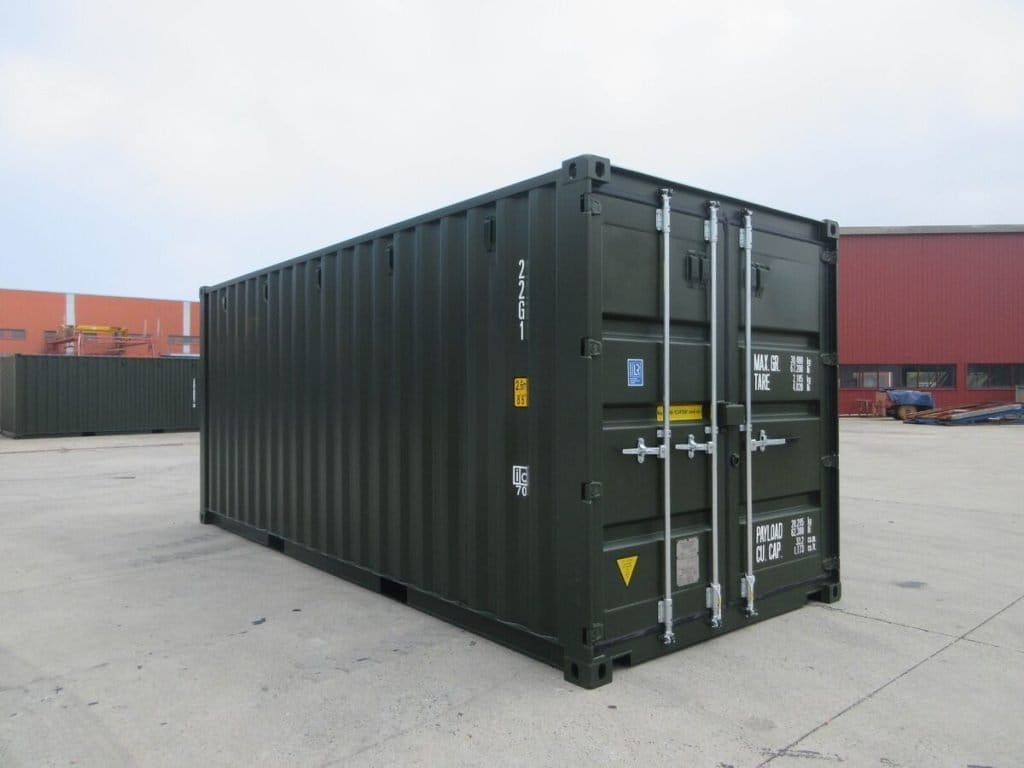
- Dimensions: Approximately 20 feet long x 8 feet wide x 8.5 feet high.
- Capacity: Around 1,000 cubic feet.
- Ideal For: Medium-sized storage solutions, small workshops, or studio apartments. It’s a popular choice for many residential and commercial projects due to its balance of space and cost.
- 40-Foot Container:
- Dimensions: Approximately 40 feet long x 8 feet wide x 8.5 feet high.
- Capacity: Around 2,000 cubic feet.
- Ideal For: Larger storage needs, extensive workshops, or larger modular homes. It offers ample space but requires more substantial logistical planning.
Considerations for Choosing the Right Size
- Usage and Functionality:
- Storage: For simple storage, a 20-foot container is often sufficient. If you have extensive items or equipment, a 40-foot container might be better.
- Living Spaces: If you’re converting the container into a living space, consider how much room you need for amenities and comfort. A 40-foot container provides more space for additional rooms or features.
- Site Constraints:
- Space Availability: Measure the area where you plan to place the container. Ensure there’s enough room for delivery and placement, especially if you choose a 40-foot container.
- Access: Check the accessibility of the site. Larger containers may require more maneuvering space and access for delivery trucks.
- Permits and Regulations:
- Local Regulations: Some areas have zoning laws or building codes that affect the size and placement of shipping containers. Verify local regulations to ensure compliance.
- Modifications: If you plan to modify the container, such as adding windows or doors, consider the container’s size and how modifications might affect its structural integrity.
- Transport and Logistics:
- Cost: Larger containers are more expensive to transport and may require special equipment or permits.
- Delivery: Ensure the delivery truck can navigate to your site and accommodate the container’s size.
Conclusion
Choosing the right shipping container size involves careful consideration of your project’s purpose, space requirements, budget, and site constraints. By understanding the dimensions and capacities of different container sizes and evaluating your specific needs, you can make an informed decision that will ensure the success of your project. Whether you opt for a compact 10-foot container or a spacious 40-foot container, the key is to balance your requirements with practical considerations to find the perfect fit.