
Addressing Mobility Needs: The Limitations of Shipping Container Offices
Shipping container offices have become a popular alternative to traditional office spaces, offering an innovative solution for businesses in need of flexible, cost-effective work environments. These modular units, initially designed for transporting goods, are repurposed to serve as mobile offices, classrooms, and even homes. Their appeal lies in their portability, durability, and relative affordability. However, while shipping container offices offer numerous benefits, they also come with limitations, particularly when addressing mobility needs.
The Appeal of Shipping Container Offices
The primary attraction of shipping container offices is their adaptability. They can be quickly transported from one location to another, which is ideal for businesses requiring temporary setups or those operating in remote areas. The containers themselves are robust and designed to withstand harsh conditions, making them suitable for a variety of environments. Additionally, their modular nature allows for easy expansion and customization, enabling businesses to create tailored workspaces that suit their specific needs.
Limitations in Addressing Mobility Needs
Despite their advantages, shipping container offices face several challenges when it comes to mobility. These limitations can impact their effectiveness and suitability for certain applications:
- Transportation and Logistics
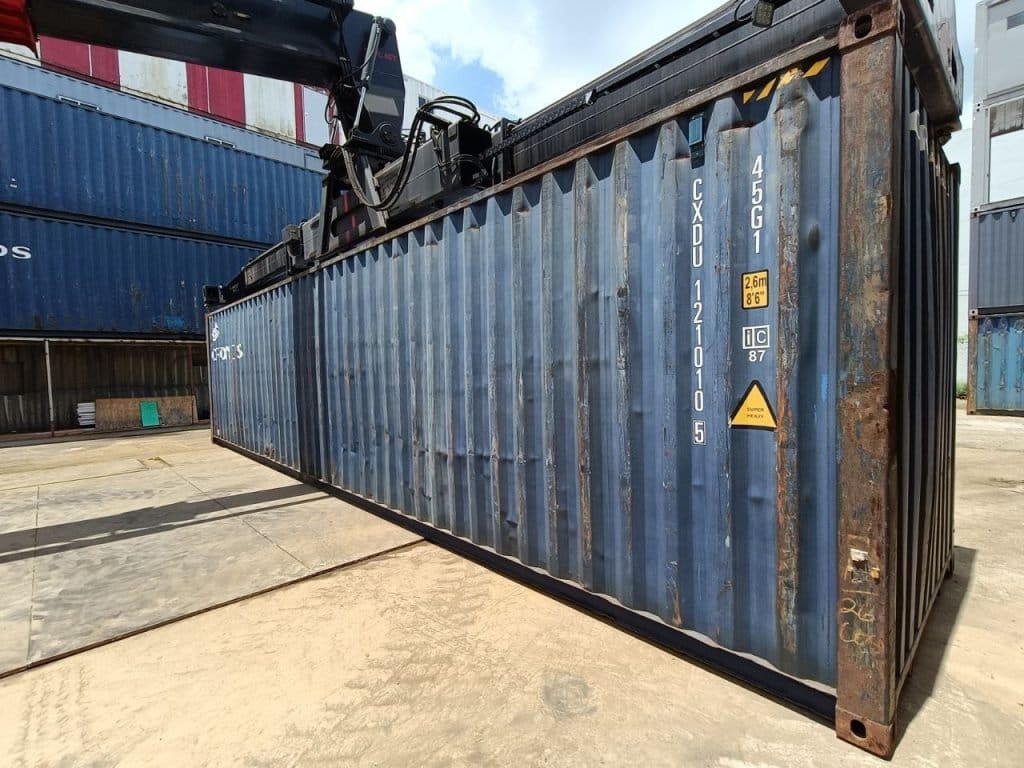
While shipping containers are designed to be transported, moving a container office is not as straightforward as it might seem. The process requires specialized equipment and careful planning to ensure safe transport. Containers are heavy and large, necessitating the use of cranes and flatbed trucks for relocation. This can result in substantial costs and logistical challenges, especially if frequent moves are required. - Site Preparation and Infrastructure
Setting up a shipping container office involves more than just placing it on a piece of land. The site often needs to be prepared to accommodate the container’s weight and ensure stability. This may involve grading the land, installing a foundation, and providing utilities such as electricity and water. Additionally, containers are typically not designed with traditional office amenities in mind, so retrofitting them with necessary infrastructure can be complex and costly. - Comfort and Usability
Shipping container offices can present challenges in terms of comfort and usability. Containers are not inherently insulated or climate-controlled, which can lead to issues with temperature regulation. Extreme temperatures—whether hot or cold—can impact the working environment inside the container. While it is possible to install insulation and climate control systems, these add to the cost and complexity of the setup. - Space Constraints
The interior space of a shipping container is relatively limited. Although containers can be modified to include partitions, furniture, and other amenities, the confined space may not be suitable for all types of work. This can be a significant limitation for businesses that require larger or more flexible work areas. The compact nature of containers may also limit the ability to create a comfortable and aesthetically pleasing workspace. - Regulatory and Zoning Issues
Shipping container offices often face regulatory and zoning challenges. Different regions have varying regulations regarding the use of shipping containers as office spaces. Businesses may need to obtain permits or comply with specific codes related to construction, safety, and land use. Navigating these regulations can be time-consuming and may limit the feasibility of using container offices in certain locations.
Conclusion
Shipping container offices offer a unique and innovative solution for many businesses, providing flexibility and cost savings in terms of workspace. However, their limitations in addressing mobility needs cannot be overlooked. From transportation and logistical challenges to issues with comfort, space, and regulatory compliance, businesses must carefully consider these factors when evaluating the suitability of shipping container offices for their needs.
For businesses seeking a mobile and adaptable workspace, shipping container offices can be a viable option with proper planning and consideration. Understanding their limitations allows organizations to make informed decisions and explore alternative solutions that better meet their mobility and workspace requirements.