
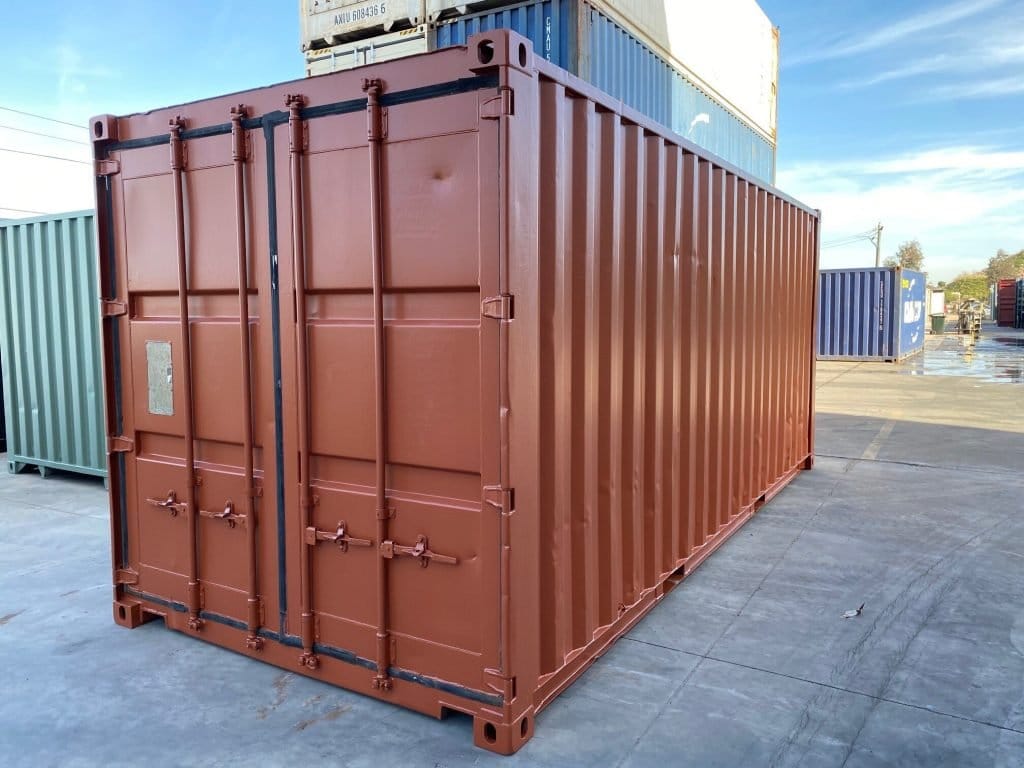
Eco-Friendly Shipping Container Gardens: Tips for Urban Agriculture
In recent years, the push towards sustainability has given rise to innovative gardening solutions, one of which is the eco-friendly shipping container garden. This concept harnesses the versatility of shipping containers to create green spaces in urban areas where traditional gardening might not be feasible. With their durable structure and modular design, shipping containers offer an ideal canvas for growing your own food and contributing to urban agriculture. Here’s a comprehensive guide on how to set up your own eco-friendly shipping container garden and make a positive impact on your urban environment.
Why Choose Shipping Containers for Urban Gardens?
Shipping containers are a popular choice for urban gardening for several reasons:
- Space Efficiency: Urban areas often lack the space for traditional gardens. Shipping containers, with their compact size, can be placed in small or unconventional spaces like rooftops, alleys, and vacant lots.
- Mobility: Containers can be moved easily, allowing gardeners to reconfigure their layout or relocate the garden as needed.
- Durability: Made from steel, shipping containers are weather-resistant and can withstand harsh conditions, making them a long-lasting solution for gardening.
- Recycling: Using repurposed shipping containers is a form of recycling, which aligns with eco-friendly principles by reducing waste and repurposing materials.
Setting Up Your Shipping Container Garden
- Choose the Right Container
Start with a high-quality, rust-free container. Containers come in various sizes, but a 20-foot container is often ideal for urban gardening due to its manageable size and ample space for growing. Ensure the container is clean and has proper drainage to prevent waterlogging.
- Prepare the Container
Before planting, you need to prepare the container:
- Drainage: Drill holes in the bottom of the container if they are not already present. Good drainage is crucial to avoid root rot.
- Insulation: In regions with extreme temperatures, insulating the container can help maintain stable soil temperatures. Consider adding insulation panels or reflective paint.
- Soil: Fill the container with high-quality, organic potting soil mixed with compost. This mixture provides the necessary nutrients and helps with water retention.
- Select Eco-Friendly Plants
Choose plants that are well-suited to container gardening and your local climate. Some popular options include:
- Herbs: Basil, mint, and parsley are great for container gardens and are useful for cooking.
- Vegetables: Tomatoes, lettuce, and peppers can thrive in containers and offer a fresh supply of homegrown produce.
- Flowers: Marigolds and petunias add color and can also attract beneficial insects to your garden.
- Implement Sustainable Practices
To make your container garden as eco-friendly as possible, consider these practices:
- Rainwater Harvesting: Set up a rain barrel to collect rainwater for watering your plants. This reduces the need for tap water and helps conserve resources.
- Composting: Use a small compost bin to recycle kitchen scraps into nutrient-rich compost for your plants. This reduces waste and enriches the soil.
- Organic Pest Control: Avoid chemical pesticides. Use natural remedies like neem oil or introduce beneficial insects like ladybugs to control pests.
- Optimize Energy and Resources
- Solar Power: Install solar-powered lights or fans to help with plant growth and garden maintenance. Solar energy is a sustainable choice that reduces electricity consumption.
- Efficient Watering: Use drip irrigation systems to ensure your plants receive consistent moisture without waste. Drip systems target the root zone directly, minimizing water usage.
- Monitor and Maintain
Regular maintenance is key to a successful container garden:
- Check Soil Moisture: Container plants often require more frequent watering. Check soil moisture regularly to avoid over or under-watering.
- Fertilize: Container soil can deplete nutrients quickly. Use organic fertilizers to replenish them and promote healthy plant growth.
- Prune and Harvest: Regularly prune your plants to encourage growth and harvest produce at peak freshness.
Benefits of Eco-Friendly Container Gardens
Beyond the personal satisfaction of growing your own food, container gardens offer several benefits:
- Reduced Carbon Footprint: Growing your own produce reduces the need for transportation and packaging, cutting down on greenhouse gas emissions.
- Improved Air Quality: Plants help filter pollutants and improve air quality in urban areas.
- Educational Opportunity: Container gardens can be a great way to educate others about sustainability and urban agriculture.
Conclusion
Eco-friendly shipping container gardens are a versatile and sustainable solution for urban agriculture. By repurposing shipping containers, you not only create a productive green space but also contribute to environmental conservation and urban beautification. With careful planning and maintenance, your container garden can thrive, providing fresh produce and a green retreat in the heart of the city. Embrace this innovative gardening method and take a step towards a more sustainable urban lifestyle.