
From Port to Purpose: How Shipping Containers are Revolutionizing Urban Design
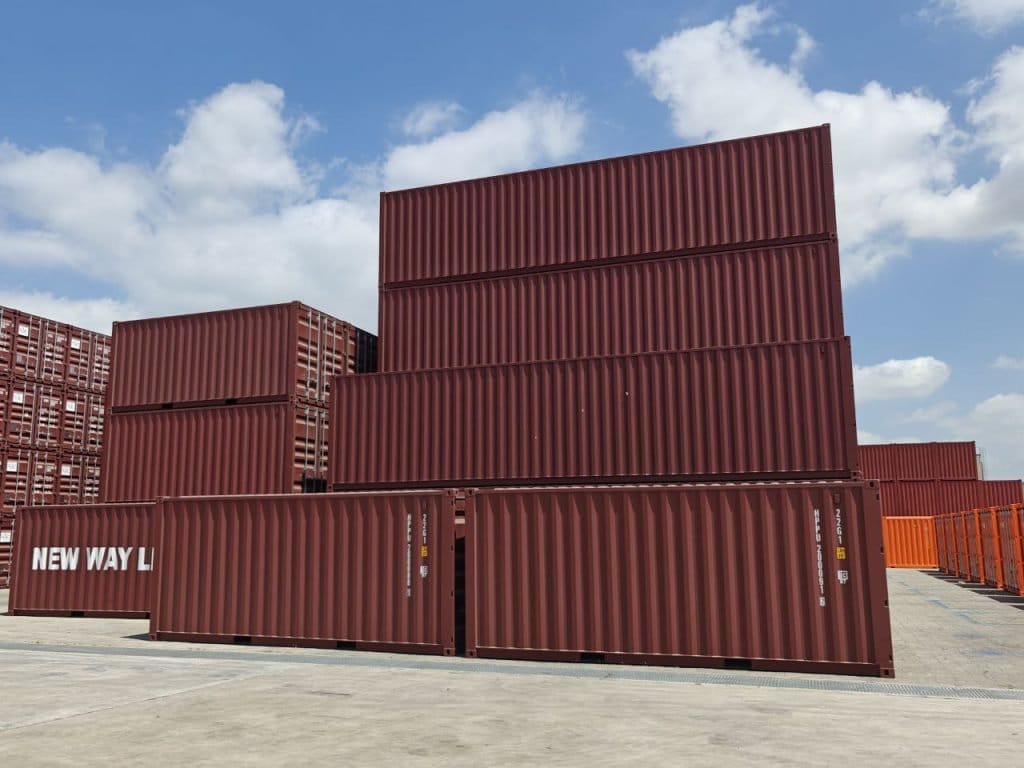
In recent years, shipping containers have become more than just metal boxes used for transporting goods across oceans. These sturdy, versatile structures are now at the forefront of a design revolution, transforming urban landscapes and redefining how we think about architecture and space utilization. From pop-up shops to affordable housing, shipping containers are proving that they are not just vessels for cargo but also for creativity, innovation, and sustainability. This article delves into how shipping containers are revolutionizing urban design, making it more sustainable, affordable, and adaptable to the needs of modern cities.
The Rise of Container Architecture
Container architecture, also known as “cargotecture,” has gained significant traction over the past decade. Architects and designers have recognized the potential of these robust steel boxes to create unique, functional spaces. One of the primary advantages of using shipping containers is their availability; millions of containers sit idle in ports worldwide, making them an accessible resource for construction.
The modular nature of shipping containers allows for easy stacking, combining, and customization. This flexibility has led to their use in various urban design projects, from residential buildings and offices to retail spaces and cultural centers. The ability to repurpose these containers aligns perfectly with the growing emphasis on sustainability in urban design.
Sustainability and Environmental Impact
One of the most compelling reasons for the rise of shipping container architecture is its environmental benefits. Traditional construction methods are resource-intensive and generate significant waste, whereas reusing shipping containers reduces the demand for new building materials and minimizes waste. By repurposing containers, we are giving these structures a second life, preventing them from becoming scrap metal and reducing the carbon footprint associated with manufacturing new materials.
Moreover, shipping container projects often incorporate additional sustainable features, such as solar panels, rainwater harvesting systems, and green roofs. These eco-friendly elements further enhance the sustainability of container-based buildings, making them a preferred choice for environmentally conscious urban planners and developers.
Affordability and Accessibility
Affordability is another key factor driving the popularity of shipping container architecture. In cities where housing costs are skyrocketing, containers offer a more cost-effective alternative to traditional construction. The relatively low cost of purchasing and converting containers makes them an attractive option for affordable housing projects, temporary shelters, and even luxury homes with a modern, industrial aesthetic.
Additionally, the speed at which container buildings can be constructed is a significant advantage. Traditional construction can take months or even years to complete, while container structures can be assembled in a matter of weeks. This rapid deployment is particularly beneficial in emergency situations, such as providing temporary housing for disaster victims or creating pop-up medical facilities during a health crisis.
Innovative Urban Spaces
The versatility of shipping containers has sparked a wave of innovative urban design projects worldwide. In many cities, containers have been transformed into vibrant community hubs, offering spaces for art galleries, cafes, co-working spaces, and more. For example, London’s Boxpark, a pop-up mall constructed entirely from shipping containers, has become a model for temporary retail spaces that can adapt to changing urban environments.
In Amsterdam, the Keetwonen student housing project is one of the largest container cities in the world, providing affordable and comfortable living spaces for students. The project demonstrates how shipping containers can be used to address the housing shortage in urban areas without compromising on quality or comfort.
Moreover, containers are being used to create sustainable, off-the-grid communities. In Detroit, the Motor City Blight Busters organization has repurposed shipping containers to build eco-friendly homes and community centers, revitalizing neglected neighborhoods and promoting sustainable living.
Challenges and Considerations
While shipping containers offer numerous advantages, they are not without challenges. The structural integrity of containers must be carefully assessed, especially when modifying them for residential or commercial use. Insulation and ventilation are also critical considerations, as containers can become extremely hot or cold depending on the climate. Addressing these challenges requires careful planning and expertise, but the results can be highly rewarding.
Conclusion
From ports to purpose, shipping containers are transforming urban design in ways that were once unimaginable. Their versatility, affordability, and sustainability make them a powerful tool for addressing the challenges of modern urbanization. As cities continue to grow and evolve, shipping containers will undoubtedly play a crucial role in shaping the future of urban landscapes. Whether used for housing, retail, or community spaces, these once-overlooked structures are now at the heart of a design revolution that prioritizes innovation, efficiency, and environmental responsibility.