
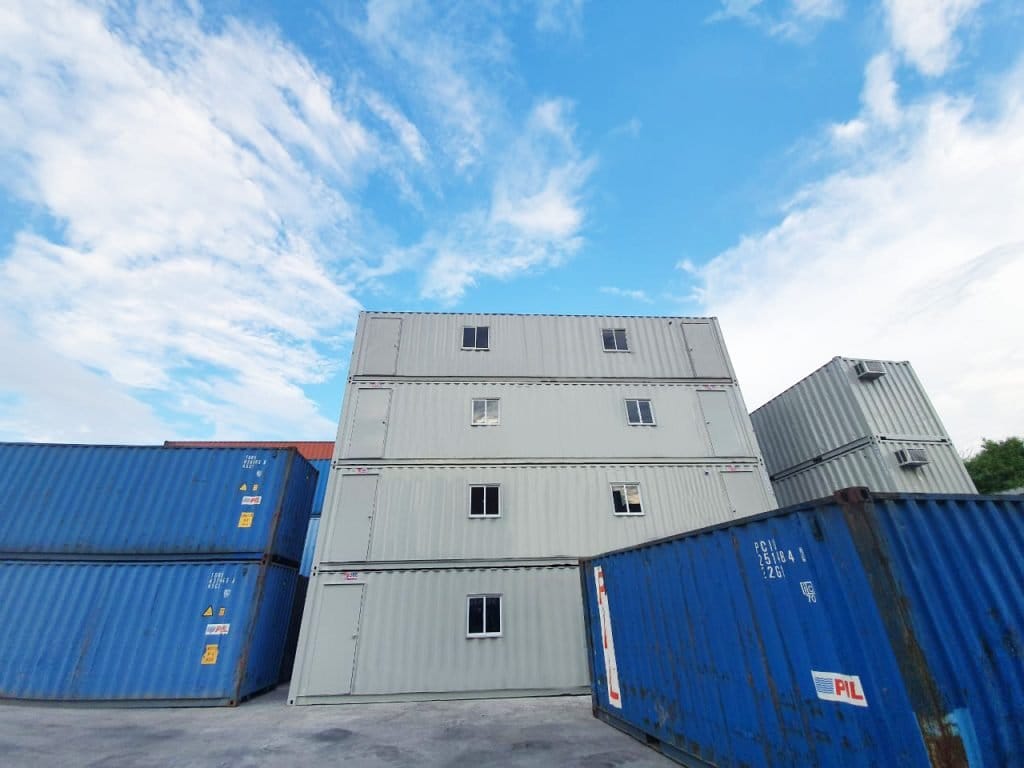
The Impact of Shipping Container Shortages on Global Trade
In recent years, the global trade landscape has faced numerous challenges, but one of the most significant and disruptive has been the shortage of shipping containers. This shortage, which became particularly acute during the COVID-19 pandemic, has had far-reaching effects on international trade, supply chains, and the global economy. The shortage has not only caused delays and increased costs but has also highlighted the vulnerabilities in the global supply chain system.
The Origins of the Container Shortage
The roots of the shipping container shortage can be traced back to the early days of the COVID-19 pandemic in 2020. As countries around the world went into lockdown to curb the spread of the virus, global trade came to a near halt. Factories closed, and demand for goods plummeted, leading to a sharp decline in the number of containers being used. Shipping lines reduced their services, and many containers were left stranded at ports and inland depots.
As the world began to recover and demand for goods surged in late 2020 and early 2021, the supply of containers could not keep pace. The sudden spike in consumer demand, especially for goods manufactured in Asia, led to a scramble for available containers. However, the supply chain was still reeling from the disruptions caused by the pandemic, and the imbalance between the supply and demand for containers became more pronounced.
Impact on Global Trade
The shortage of shipping containers has had a profound impact on global trade, affecting various industries and economies worldwide.
- Increased Shipping Costs: One of the most immediate effects of the container shortage has been a dramatic increase in shipping costs. Freight rates for containers have skyrocketed, with some routes experiencing price increases of over 500%. This surge in costs has been passed down the supply chain, leading to higher prices for consumers.
- Delays in Delivery: The shortage has also led to significant delays in the delivery of goods. With fewer containers available, companies have had to wait longer to secure space on ships, leading to delays in the transportation of goods. This has been particularly problematic for industries that rely on just-in-time (JIT) inventory systems, where delays can lead to production stoppages and lost revenue.
- Disruption of Supply Chains: The container shortage has exposed the fragility of global supply chains. Many companies have struggled to secure the containers needed to transport their goods, leading to disruptions in production schedules and inventory shortages. This has been especially challenging for industries that rely on complex, global supply chains, such as electronics, automotive, and consumer goods.
- Economic Impact: The economic impact of the container shortage has been felt around the world. Developing countries that rely heavily on exports have been hit hard, as they struggle to get their goods to market. Meanwhile, import-dependent countries have faced shortages of essential goods, leading to inflationary pressures. The overall impact on global GDP is difficult to quantify, but it is clear that the container shortage has contributed to the economic challenges faced by many countries during the pandemic.
Long-term Implications
The shipping container shortage has underscored the need for greater resilience and flexibility in global supply chains. While the shortage may eventually ease as new containers are manufactured and supply chains adjust, the experience has prompted companies to rethink their reliance on just-in-time inventory systems and to explore alternatives such as nearshoring and reshoring production.
- Diversification of Supply Chains: In response to the challenges posed by the container shortage, many companies are looking to diversify their supply chains. This includes sourcing materials and products from multiple suppliers in different regions to reduce dependence on any one location. By diversifying their supply chains, companies can better withstand future disruptions and ensure a more reliable flow of goods.
- Investment in Digitalization: The pandemic and the subsequent container shortage have accelerated the adoption of digital technologies in logistics and supply chain management. Companies are investing in digital tools that provide real-time visibility into their supply chains, allowing them to monitor and respond to disruptions more effectively. Technologies such as blockchain, artificial intelligence, and the Internet of Things (IoT) are being leveraged to improve the efficiency and transparency of global trade.
- Sustainability Considerations: The container shortage has also highlighted the environmental impact of global trade. The increased costs and delays associated with the shortage have led some companies to reconsider their reliance on long, complex supply chains that span the globe. As a result, there is growing interest in more sustainable supply chain practices, including reducing carbon emissions and minimizing waste.
Conclusion
The shipping container shortage has been a wake-up call for the global trade industry, revealing the vulnerabilities in supply chains that many companies had previously overlooked. While the shortage has caused significant disruptions and economic challenges, it has also prompted a reevaluation of how goods are produced, transported, and consumed on a global scale. Moving forward, companies and policymakers will need to focus on building more resilient, diversified, and sustainable supply chains to mitigate the impact of future disruptions and ensure the smooth flow of global trade.