
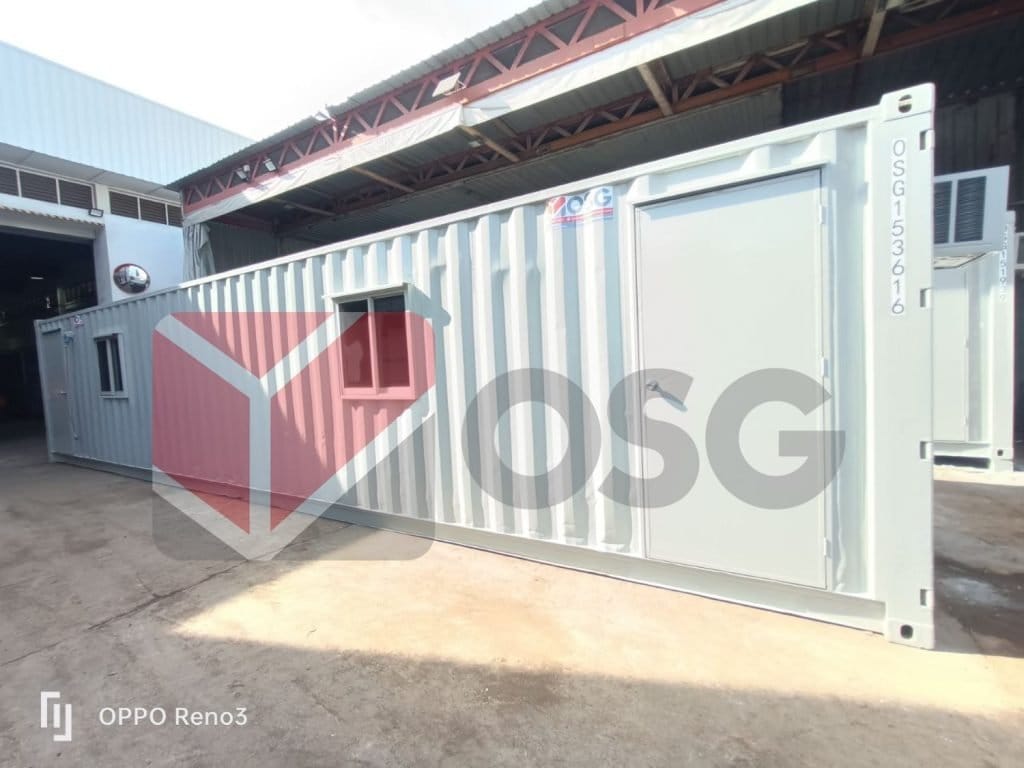
The Versatility of Shipping Containers: From Cargo Transport to Creative Spaces
Shipping containers, those ubiquitous steel boxes often seen stacked high on cargo ships, have quietly revolutionized global trade. But beyond their primary function of transporting goods across the world, shipping containers have also found a second life in a variety of creative and innovative applications. From homes and offices to pop-up shops and art installations, the adaptability of shipping containers is a testament to human ingenuity. This article explores the many ways these once-single-purpose containers are being repurposed, highlighting their versatility and potential.
A Brief History of the Shipping Container
Before delving into the myriad uses of shipping containers, it’s worth understanding their origin. The modern shipping container was invented by American businessman Malcolm McLean in the 1950s. McLean’s vision was simple: create a standardized container that could be easily transferred between trucks, trains, and ships without unloading the cargo. This innovation drastically reduced transportation costs and time, effectively globalizing trade. Today, there are over 17 million shipping containers in circulation, moving around 90% of the world’s goods.
From Cargo Transport to Creative Spaces
The beauty of shipping containers lies in their simplicity. A standard container is essentially a large, rectangular steel box, making it a blank canvas for creative minds. Over the past few decades, architects, designers, and entrepreneurs have begun to recognize the potential of these structures, leading to a surge in container-based projects around the world.
1. Residential Homes
One of the most popular uses of repurposed shipping containers is in the construction of residential homes. These “container homes” are celebrated for their affordability, durability, and sustainability. A single shipping container, typically measuring 20 to 40 feet in length, can be transformed into a compact living space. Multiple containers can be combined to create larger, more complex structures, complete with all the amenities of a traditional home.
Container homes are particularly appealing in areas where traditional construction is either too costly or impractical. They are also popular among eco-conscious individuals, as building with containers often involves recycling and repurposing materials, thereby reducing the environmental impact. In addition, container homes can be built relatively quickly compared to conventional homes, making them a viable solution for emergency housing in disaster-stricken areas.
2. Pop-Up Shops and Cafés
The retail and hospitality industries have also embraced shipping containers, particularly for pop-up shops, cafés, and food stalls. Their portability and modular design make them ideal for temporary or mobile businesses. A container can be quickly transformed into a trendy coffee shop, a boutique clothing store, or a gourmet food truck, and just as easily relocated to a new location as needed.
Pop-up shops in shipping containers have become especially popular at festivals, markets, and urban centers, where space is often limited, and the demand for unique, eye-catching venues is high. These container-based businesses not only stand out visually but also offer a cost-effective way to test new concepts and locations without committing to a permanent brick-and-mortar space.
3. Office Spaces
With the rise of remote work and the increasing need for flexible office solutions, shipping containers have also found their place in the world of business. Companies are converting containers into fully functional office spaces, complete with electricity, plumbing, and climate control. These container offices can be used as standalone units or stacked and connected to create larger office complexes.
Container offices are particularly popular in industries that require temporary or mobile workspaces, such as construction, film production, and disaster relief. However, they are also gaining traction in urban areas where traditional office space is scarce or prohibitively expensive. In these settings, container offices offer a stylish, modern alternative to conventional work environments.
4. Art and Community Spaces
Artists and community organizers have also tapped into the versatility of shipping containers. These sturdy, weather-resistant structures can be used as art galleries, studios, performance spaces, or community centers. Their modular nature allows for easy customization, enabling creators to design spaces that meet their specific needs.
In urban areas, shipping containers are increasingly being used to create temporary or permanent community spaces. These can range from small pop-up parks and playgrounds to larger multi-use facilities that host workshops, classes, and events. The portability of containers also makes them ideal for bringing cultural and social initiatives to underserved or remote communities.
5. Emergency and Relief Structures
In the wake of natural disasters or humanitarian crises, the need for rapid, reliable shelter is critical. Shipping containers, with their durability and ease of transport, are an excellent solution for emergency housing and relief structures. Organizations can quickly deploy containers to affected areas, providing immediate shelter for those in need. Containers can also be converted into medical clinics, command centers, or storage facilities for supplies.
The use of containers in disaster relief efforts underscores their practicality and versatility, offering a lifeline in times of crisis.
The Future of Shipping Container Architecture
As the demand for sustainable and affordable building solutions continues to grow, the use of shipping containers in architecture and design is likely to expand. Advances in technology and materials will further enhance the possibilities, allowing for even more innovative applications.
In conclusion, shipping containers have come a long way from their origins as simple cargo carriers. Their adaptability, durability, and cost-effectiveness have made them a popular choice for a wide range of uses, from homes and offices to shops and community spaces. As more people recognize the potential of these humble steel boxes, the trend of repurposing shipping containers is set to continue, transforming them into an essential part of modern design and architecture.