
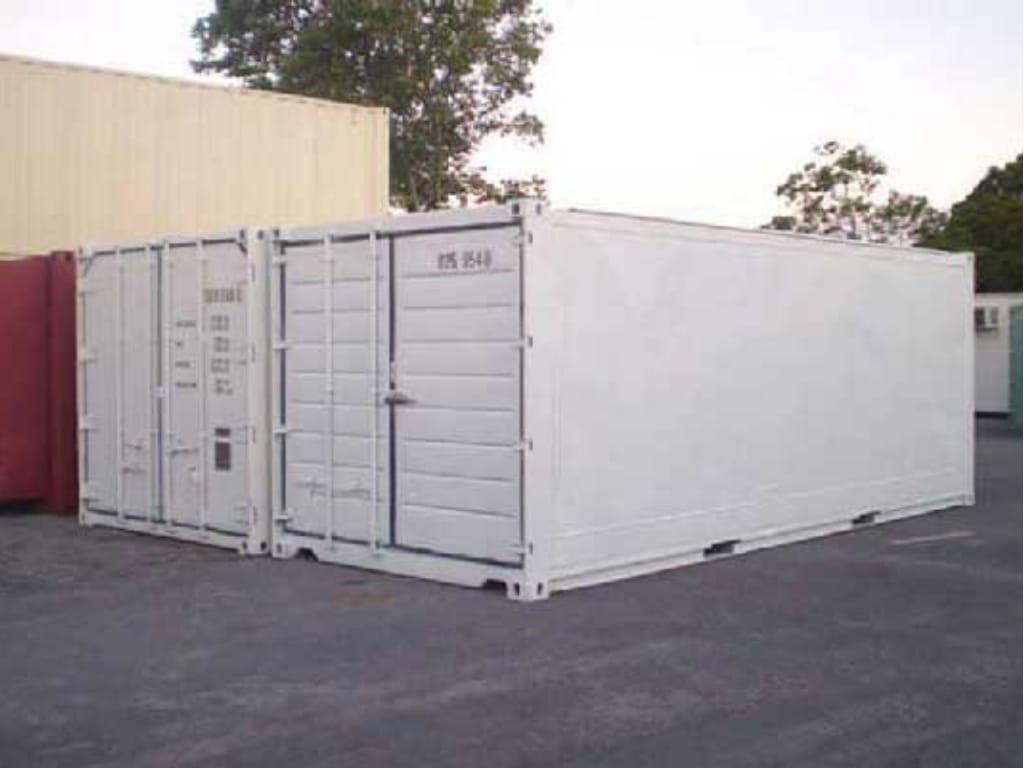
How to Choose the Right Shipping Container for Your Project
Shipping containers have become increasingly popular for various applications, including storage, housing, and even as innovative commercial spaces. With their versatility, durability, and relatively low cost, it’s no surprise that many people and businesses are considering using them for their projects. However, with so many different types and sizes available, choosing the right shipping container can be a daunting task. Here are some essential factors to consider when selecting the perfect shipping container for your project.
1. Determine Your Purpose
Before you even begin looking at containers, it’s crucial to define your project’s purpose. Are you using the container for storage, creating a mobile office, or building a tiny home? Understanding your project requirements will help narrow down your options. For example, if you need a container for storage, you might prioritize security and ease of access. If you plan to convert the container into a living space, you’ll need to consider insulation, windows, and ventilation.
2. Choose the Right Size
Shipping containers come in various sizes, typically measured in feet. The most common sizes are:
- 20-foot containers: These containers are approximately 160 square feet and are ideal for smaller projects or for use as storage. They can hold the contents of a one to two-bedroom apartment, making them suitable for downsizing or temporary living situations.
- 40-foot containers: With about 320 square feet of space, 40-foot containers are more versatile for larger projects. They are commonly used for larger storage needs, office spaces, or even homes.
- High cube containers: These containers are taller than standard containers, providing additional vertical space. A 40-foot high cube container offers about 340 square feet, making it a great choice for projects requiring more height.
Consider your project’s spatial needs when choosing the size. A container that’s too small may not meet your requirements, while a container that’s too large could lead to unnecessary costs.
3. Understand Container Types
Not all shipping containers are created equal. There are several types to choose from, each serving different purposes:
- Standard dry containers: These are the most common types and are designed for transporting goods. They are watertight and offer basic protection.
- Reefer containers: These are refrigerated containers designed to transport perishable goods. If your project requires climate control, reefer containers may be the right choice.
- Open-top containers: These containers have a removable top and are ideal for oversized cargo that cannot fit through standard container doors.
- Flat rack containers: These containers lack side walls and are perfect for transporting large or heavy items.
Understanding the specific features and advantages of each type will help you select the container best suited for your needs.
4. Assess the Condition of the Container
When purchasing a shipping container, you’ll often encounter three condition grades: new, used, and refurbished. Here’s a brief overview:
- New containers: These are brand new and have never been used for shipping. They typically come at a higher price but offer the best quality.
- Used containers: These containers are often more affordable but may show signs of wear and tear. Ensure you inspect them for any structural damage, rust, or leaks.
- Refurbished containers: These containers have been repaired and cleaned, making them a middle-ground option between new and used containers. They can be a great choice if you’re looking for a balance of cost and quality.
Make sure to inspect the container thoroughly before purchasing, checking for any signs of damage or wear that could impact your project.
5. Consider Modifications
If your project requires more than just a standard shipping container, consider whether you need to make modifications. Common modifications include adding windows, doors, insulation, or electrical systems. Some suppliers offer customization options, which can save you time and ensure that the container meets your specific needs.
6. Location and Delivery
Finally, consider where you will be placing your shipping container. Access to the site, local zoning regulations, and delivery logistics can all impact your decision. Make sure the delivery vehicle can reach your site without any issues, and check for any restrictions in your area regarding the placement of shipping containers.
Conclusion
Choosing the right shipping container for your project requires careful consideration of your needs, budget, and location. By determining your purpose, selecting the appropriate size and type, assessing the container’s condition, and considering any necessary modifications, you can ensure that you make an informed decision. With the right shipping container, you can create a functional, secure, and innovative space that meets your unique requirements.