
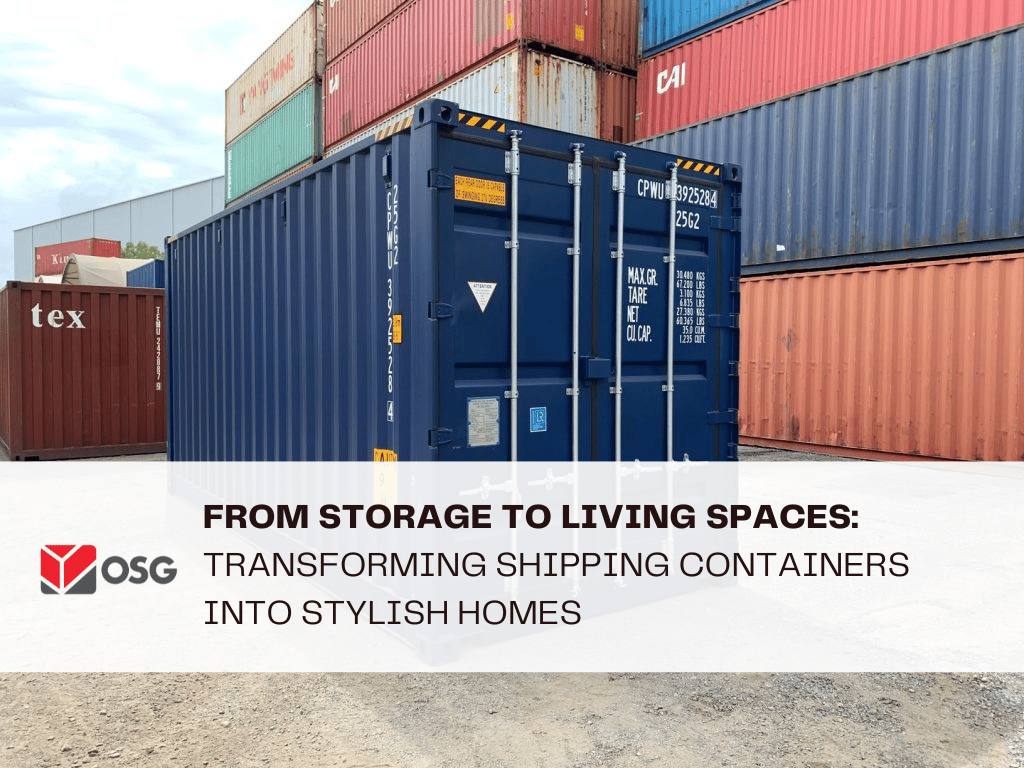
From Storage to Living Spaces: Transforming Shipping Containers into Stylish Homes
Shipping containers have long been used for transporting goods across the world, but a growing trend has seen these once-utilitarian metal boxes being transformed into modern, stylish homes. With a focus on sustainability, cost-efficiency, and creative design, shipping container homes are gaining popularity as an innovative housing solution. If you’ve ever wondered how a standard 20-foot or 40-foot steel container can become a chic, comfortable living space, this article will explore the process, benefits, and challenges of this unique transformation.
The Appeal of Shipping Container Homes
One of the main attractions of shipping container homes is their versatility. These structures offer a blank canvas for homeowners and designers alike. Whether you’re looking to build a tiny, minimalist home or a multi-level house with expansive living areas, shipping containers provide the modularity and flexibility to suit different design preferences.
Additionally, their affordability makes them an appealing option. A new or gently used shipping container can cost as little as $2,000 to $5,000. Compared to traditional housing, which involves high costs for materials and labor, container homes present a much more affordable route to homeownership. For those looking to reduce their environmental footprint, repurposing a used shipping container into a home supports recycling and reduces the need for new construction materials, making it a sustainable housing choice.
Planning and Designing Your Container Home
Before starting any container home project, careful planning is essential. Shipping containers come in two standard sizes—20 feet or 40 feet long—each with a width of 8 feet. The first step is to decide on the number of containers you will need for your desired space. Smaller homes might only require one or two containers, while larger projects could involve stacking and combining multiple units.
Once the size is determined, the design phase begins. A key part of transforming a shipping container into a home is deciding how to configure the space to maximize comfort and functionality. This includes adding insulation, windows, doors, electrical systems, and plumbing. Due to the narrow shape of containers, many designs incorporate open floor plans or sliding walls to create a more spacious feel. You can also cut sections of the steel walls to connect containers, forming larger rooms or creating multi-level structures.
Customization is another exciting aspect of shipping container homes. While the exterior often maintains an industrial look, the interior can be designed to reflect any style—whether it’s modern, rustic, minimalist, or eclectic. Adding wood paneling, colorful paint, and stylish fixtures allows for the creation of a warm and inviting living space.
Overcoming Challenges
Although shipping container homes offer many benefits, there are challenges to consider. The steel structure of a shipping container is not naturally designed for living purposes, which means extra steps are needed to ensure comfort and safety.
One major consideration is insulation. Shipping containers, when used for storage, are designed to withstand various weather conditions but are not naturally equipped for maintaining indoor temperatures. Without proper insulation, a container home can become too hot in the summer or too cold in the winter. Fortunately, spray foam, rigid board, or blanket insulation can be added to regulate indoor temperature and improve energy efficiency.
Another challenge is ensuring the structural integrity of the container when making modifications. Cutting out sections to install windows or doors can weaken the frame, which is why it’s essential to work with a structural engineer to reinforce any compromised areas.
The Permitting Process
Depending on your location, getting a permit to build a container home can be straightforward or more complex. Many municipalities have embraced alternative housing methods, but some areas still have strict building codes that may limit what you can do with a shipping container. Researching local zoning laws, building codes, and ensuring your design meets safety requirements are crucial steps in the process.
Sustainability and Eco-Friendliness
One of the biggest advantages of converting shipping containers into homes is the positive environmental impact. Rather than letting old containers sit unused or requiring new resources for traditional home construction, repurposing shipping containers reduces waste and promotes recycling. Additionally, many container homeowners choose to implement sustainable features like solar panels, energy-efficient appliances, and rainwater collection systems, further enhancing the eco-friendliness of their homes.
Conclusion
Shipping container homes represent a bold shift in the way we think about housing. What was once purely a means of storing and transporting goods is now a stylish and sustainable housing option. With thoughtful design, a focus on comfort, and a commitment to sustainability, shipping containers can be transformed into modern living spaces that meet the needs of today’s homeowners. Whether you’re drawn to the affordability, flexibility, or environmental benefits, container homes offer endless possibilities for creative living.