
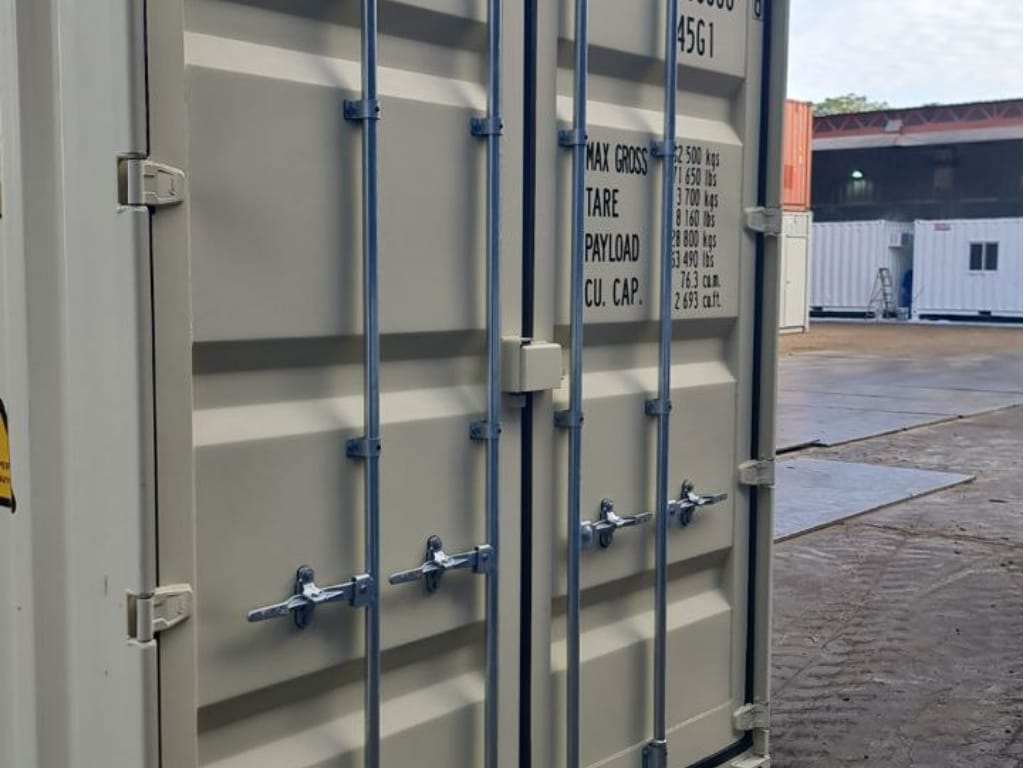
How to Choose the Right Shipping Container for Your Needs
Shipping containers have become incredibly versatile. From storage solutions to construction projects, they serve a wide range of purposes. But with so many types, sizes, and conditions available, it can be challenging to choose the right one for your specific needs. This guide will help you navigate the process, ensuring you make an informed decision that suits your goals.
1. Determine Your Purpose
The first step in selecting the right shipping container is understanding its intended use. Containers can serve many purposes, including:
- Storage: If you need extra space for storing goods, equipment, or furniture, shipping containers can provide secure, weatherproof storage.
- Construction Projects: Many people repurpose containers for office spaces, homes, workshops, or retail outlets.
- Transporting Goods: If you need to ship goods across long distances, a durable container is essential.
- Agricultural Use: Some containers are repurposed for farming, particularly for hydroponic growing systems or as mobile livestock shelters.
Knowing the exact purpose will narrow down your options when it comes to size, material, and additional features.
2. Choose the Right Size
Shipping containers come in a variety of sizes, but the most common ones are:
- 20-foot container (6m x 2.44m x 2.59m): This size is perfect for smaller storage needs, residential projects, or limited spaces. It’s easier to transport and more affordable than larger containers.
- 40-foot container (12m x 2.44m x 2.59m): Ideal for bigger storage needs or larger construction projects. These containers are double the size of 20-foot containers and can hold more goods or provide more space for conversion.
- High Cube containers (9.6 ft tall): High cube containers are a great choice if you need extra vertical space for tall items or plan on using the container for living or working areas that require more headroom.
Consider the physical space where the container will be placed and the volume of goods or equipment you need to store. If you’re using the container for transport, ensure that your chosen size meets shipping regulations.
3. Assess the Container’s Condition
Shipping containers come in various conditions, and each level of wear and tear impacts cost and usability. Common classifications include:
- New (One-trip containers): These are containers that have only made one journey from the manufacturer to the buyer. They are in near-perfect condition and ideal for those who need pristine containers for projects like home-building or high-value goods transport. However, they can be more expensive.
- Cargo-worthy (CW): These containers are used but still certified for shipping. They might have some cosmetic damage but are structurally sound, making them a cost-effective solution for both shipping and storage.
- Wind and Water Tight (WWT): These containers can no longer be certified for transport but are still useful for storage and other non-shipping purposes. They are typically cheaper but may show significant wear.
- As-Is: These containers are sold in the condition they are in, often requiring repairs before being used for storage or any other purpose. While they are the most affordable, you’ll need to assess the cost of necessary repairs.
4. Consider Modifications and Customization
Depending on your needs, you may want to modify or customize your shipping container. Modifications can include:
- Insulation: If you plan to use the container for living, working, or as a refrigerated space, insulation will be necessary to maintain temperature control.
- Doors and Windows: For office or residential use, you’ll likely want to add doors, windows, or other access points.
- Shelving and Partitioning: Storage containers can be customized with shelving units or internal partitions to maximize organization.
- Ventilation: For containers storing perishable goods or being used as living/workspaces, adding vents or air conditioning can improve airflow.
Be sure to budget for these modifications when planning your purchase, as customization can significantly impact the total cost.
5. Understand the Cost and Budget
Shipping container prices can vary widely based on the factors above. The price can range from a few thousand dollars for a used container to tens of thousands for a brand new or highly customized one. Here’s a rough breakdown of what to expect:
- New containers: $3,000 to $6,000 depending on size and location.
- Used containers (cargo-worthy): $1,500 to $3,000 for most sizes.
- Heavily used or as-is containers: $1,000 or less, though you may incur additional repair costs.
Additionally, consider transportation costs for moving the container to your site, which can add significantly to the total price.
6. Check Local Regulations
Before purchasing a shipping container, be sure to check local zoning laws, building codes, and any homeowner association rules that may apply. Some areas have restrictions on container sizes, placement, and usage—especially when containers are used for residential or commercial projects. Failing to comply with these regulations can lead to fines or the removal of your container.
7. Supplier Reputation
Finally, choose a reputable supplier to ensure you get a quality product. Look for suppliers with positive reviews, clear pricing structures, and a transparent return or repair policy. A reliable supplier can also provide expert advice on selecting the right container for your specific needs.
Conclusion
Choosing the right shipping container is about balancing your needs with the various factors available—size, condition, price, and modifications. Whether you need a storage solution, a unique office space, or a durable shipping unit, understanding these aspects will help you make an informed decision that fits your budget and goals.