
Cheapest Shipping Containers in Malaysia: What to Check Before Buying
Finding the cheapest shipping containers in Malaysia may seem like a straightforward way to reduce procurement expenses. However, the lowest-priced container is not always the most suitable choice for your business.
Container condition, structural integrity, storage requirements, and delivery arrangements can all influence whether a purchase provides long-term value.
For construction companies, warehouses, factories, and commercial businesses, choosing suitable shipping containers means balancing the initial purchase requirements with the condition and performance expected from the unit.
Whether you are comparing new and used containers, exploring a shipping containers sale, or evaluating available stock, understanding the different container grades can help you make a more informed decision.
This guide explains what to consider before buying shipping containers in Malaysia, including container conditions, inspection requirements, size selection, delivery considerations, and common purchasing mistakes.
Are the Cheapest Shipping Containers Always the Best Choice?
The cheapest shipping containers are often used units offered in as-is condition. These containers may have visible wear, corrosion, dents, damaged flooring, or other defects resulting from previous use.
For certain applications, an as-is container may be sufficient. However, businesses requiring weather-resistant storage, secure equipment protection, or international cargo transportation should evaluate the condition more carefully.
The main consideration is whether the container meets the requirements of its intended use.
Why Container Condition Matters
A used shipping container may have experienced years of cargo handling, exposure to weather, and transportation between different locations.
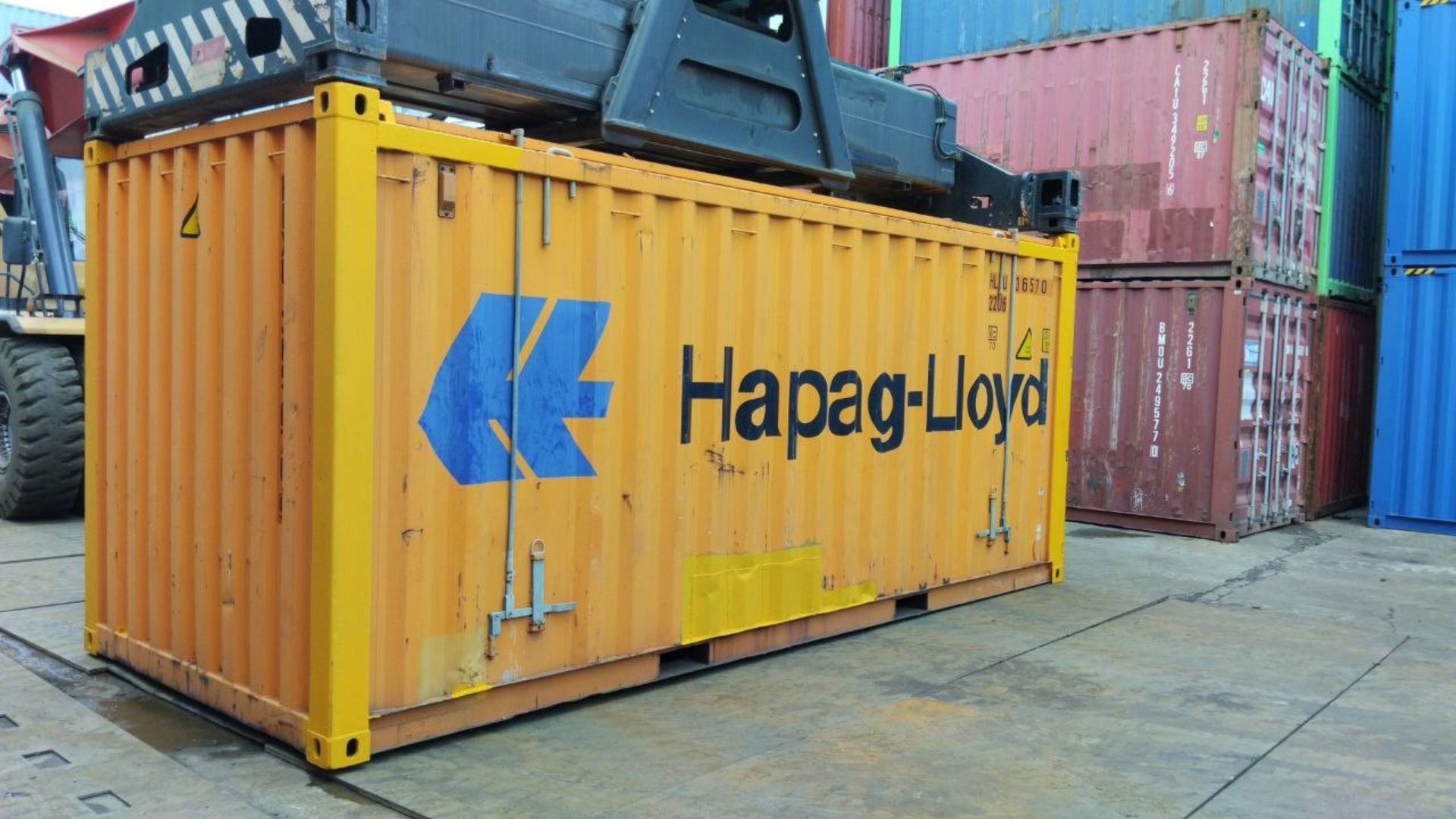
Although shipping containers are designed for demanding operating environments, their condition can vary significantly depending on maintenance history and previous use.
Before purchasing, buyers should evaluate important components such as:
- Container walls and roof condition.
- Structural corner posts and castings.
- Floor panels and supporting crossmembers.
- Cargo doors, hinges, and locking mechanisms.
- Rubber door seals and weather protection.
- Signs of corrosion or previous repairs.
A container with significant damage may require repairs before it can be used for its intended purpose.
How Poor Condition Can Affect Storage Operations
For businesses storing tools, spare parts, packaging materials, or industrial equipment, container condition can affect everyday operations.
For example, damaged door seals may allow rainwater to enter the container, while weakened flooring may be unsuitable for heavy equipment.
Structural damage may also affect transportation, lifting, and placement requirements.
These risks should be considered before selecting a container based only on its purchase price.
Understanding Shipping Container Grades in Malaysia
When comparing shipping containers, buyers will encounter different condition descriptions.
OSG Containers Malaysia lists several container condition categories, including new, used cargo worthy, used wind and watertight, and as-is.
Each category serves different operational requirements.
| Container Condition | Typical Characteristics | Suitable Applications | Important Considerations |
|---|---|---|---|
| New | Limited previous use, generally cleaner appearance and less wear | Commercial storage, industrial applications, projects requiring newer equipment | Confirm actual unit condition and specifications |
| Used Cargo Worthy | Used equipment assessed for cargo transportation suitability | International freight and applications requiring suitable cargo-rated equipment | Verify certification, inspection status, and shipping requirements |
| Used Wind & Watertight | Weather-resistant condition intended for appropriate storage use | Construction site storage, tools, materials, and general commercial storage | Not automatically suitable for international shipping |
| As-Is | Used condition with possible defects, wear, corrosion, or damaged components | Selected non-critical applications, subject to inspection | May require repairs and may not be watertight |
The descriptions above are general guidelines. Actual container condition varies between individual units, and buyers should confirm specifications and suitability before purchase.
As-Is Shipping Containers: When Are They Suitable?
As-is containers are generally considered by buyers who prioritise initial acquisition cost and can accept a greater degree of wear or deterioration.
However, the condition of an as-is container can vary significantly.
Common Characteristics of As-Is Containers
- Visible rust or corrosion.
- Dents and surface damage.
- Worn or damaged flooring.
- Previously repaired panels.
- Door seals requiring attention.
- Possible water leakage.
An as-is container should not be assumed suitable for protecting moisture-sensitive goods or supporting heavy equipment without an appropriate assessment.
When an As-Is Container May Be Considered
As-is containers may be considered for applications where cosmetic appearance is not important and the intended use is compatible with the actual condition.
However, businesses should assess whether repairs or maintenance will be necessary before the container becomes operational.
Choosing an unsuitable unit simply because it has the lowest purchase price can create avoidable complications.
Wind and Watertight Containers for General Storage
Wind and watertight containers, commonly called WWT containers, are often considered for stationary storage applications.
The main purpose of this condition classification is to indicate that the unit is intended to resist normal wind and rain exposure when properly closed and maintained.
Typical Applications
- Construction site tool storage.
- Warehouse overflow inventory.
- Industrial spare parts storage.
- Commercial equipment storage.
- Temporary project material storage.
WWT condition does not automatically mean that a container meets the certification requirements for international sea transportation.
Businesses planning to use the container for freight should confirm the relevant structural and certification requirements separately.
Why WWT Containers May Be a Practical Choice
For businesses requiring stationary storage rather than international freight transportation, a suitable WWT container may provide the necessary weather protection without requiring a cargo-worthy specification.
However, buyers should still inspect the roof, doors, seals, flooring, and overall condition of the available unit.
Cargo Worthy Shipping Containers for Freight Applications
Cargo worthy containers are intended to meet the structural requirements associated with transporting goods.
Compared with storage-only units, cargo transportation may require additional checks relating to the condition of the container and its approval for the intended movement.
What Does Cargo Worthy Mean?
Cargo worthy generally describes a container assessed as structurally suitable for carrying cargo.
However, the condition description alone does not guarantee that every container has current documentation or approval for a particular international shipment.
For international transportation, buyers should confirm the applicable requirements, including the container's CSC safety approval and inspection status.
When Should Businesses Consider Cargo Worthy Containers?
- International shipping operations.
- Containerised freight transportation.
- Applications requiring cargo-rated equipment.
- Projects where specific structural or certification requirements apply.
The appropriate container grade should be selected according to its actual intended use and applicable transport requirements.
New Shipping Containers: When Does Newer Equipment Make Sense?
New shipping containers may be preferred by businesses seeking equipment with limited previous use, cleaner interiors, and fewer signs of wear.
They may also be suitable for projects where container appearance and condition are important considerations.
Common Applications
- Commercial and industrial storage.
- Long-term business requirements.
- Projects requiring newer equipment.
- Container modification and conversion projects, subject to design suitability.
- High-visibility commercial applications.
However, even new or one-trip containers can have minor marks resulting from transportation and handling.
Buyers should confirm the actual condition and specifications rather than assuming that every new container is completely free from cosmetic imperfections.
Choosing Between 20ft and 40ft Shipping Containers
Container size is another important factor when comparing purchasing options.
A 20ft container may be suitable for smaller storage requirements, while a 40ft container provides greater internal capacity for businesses handling larger quantities of goods.
20ft Shipping Container
A standard 20ft shipping container measures approximately 6.06 metres in external length.
It is commonly considered for compact storage requirements and sites where a larger container may be difficult to accommodate.
Typical applications include construction tools, industrial spare parts, smaller inventories, and project equipment.
40ft Shipping Container
A standard 40ft shipping container measures approximately 12.19 metres in external length.
It provides more storage capacity and may be suitable for warehouse overflow, larger industrial inventories, and commercial storage operations.
However, businesses must ensure that sufficient space is available for delivery, placement, and day-to-day access.
40ft High Cube Shipping Container
A 40ft high cube container provides additional height compared with a standard-height 40ft unit.
Standard-height containers typically measure approximately 2.59 metres externally, while high cube containers measure approximately 2.90 metres.
The extra height can be useful for certain bulky goods or storage arrangements.
Actual internal dimensions, door openings, and payload ratings should be verified for the selected unit.
What Factors Affect Shipping Container Quotations in Malaysia?
When businesses search for a shipping containers sale in Malaysia, the final quotation may depend on several factors beyond the advertised container condition.
- Container Size: 20ft, 40ft, or high cube.
- Container Condition: New, cargo worthy, wind and watertight, or as-is.
- Container Type: General purpose, high cube, or specialised configurations.
- Stock Availability: Current inventory and release location.
- Purchase Quantity: Number of containers required.
- Delivery Destination: Location and transportation arrangements.
- Unloading Requirements: Suitable lifting and placement equipment.
- Additional Features: Requested modifications or accessories.
Because these requirements vary between projects, buyers should request a quotation based on the actual specifications and intended application.
Why Delivery Requirements Matter When Buying Shipping Containers
Container transportation is an important part of the purchasing process.
Even when a suitable container is available, delivery may require additional planning depending on the destination, site access, and unloading arrangements.
Confirm the Delivery Location
Businesses should provide the intended delivery address and relevant site information before confirming an order.
Factors such as access roads, entrance dimensions, turning space, and nearby obstructions may affect the transportation arrangement.
Check Site Ground Conditions
The container should be positioned on a suitable supporting surface for its intended load and application.
Ground stability, drainage, settlement risks, and support arrangements may need assessment.
The appropriate preparation depends on the actual container and site conditions.
Confirm Loading and Unloading Arrangements
Transporting a container and unloading it are separate operational requirements.
Depending on the transport vehicle and site conditions, suitable lifting equipment or additional handling arrangements may be required.
Before confirming a quotation, buyers should clarify whether transportation, unloading, and final positioning are included.
What to Inspect Before You Buy Shipping Containers
Before you buy shipping containers, inspecting the unit or reviewing suitable inspection information can help identify potential issues.
The following checklist highlights important areas to review.
1. Check the Roof and Wall Panels
Look for significant corrosion, visible holes, damaged panels, or signs of previous repairs.
The condition should be suitable for the intended use, particularly where the container will be exposed to outdoor weather.
2. Inspect Door Seals and Locking Mechanisms
Check whether the cargo doors open and close correctly.
Inspect the rubber seals, hinges, locking bars, and other components for wear or damage.
3. Examine the Flooring
Look for damaged floorboards, delamination, unusual soft areas, and visible signs of deterioration.
For heavy equipment or concentrated loads, confirm the floor's suitability with the supplier or a qualified professional.
4. Review Structural Components
Check visible corner castings, posts, rails, and other structural areas for significant damage.
Potential structural defects should be assessed by qualified personnel before the container is used for loading, lifting, or transportation.
5. Confirm the Container Grade
Verify whether the unit is being supplied as new, cargo worthy, wind and watertight, or as-is.
Buyers should understand what the stated condition means and whether it matches their intended use.
6. Review Shipping Documentation When Required
If the container will be used for international shipping, confirm its relevant approval, inspection, and certification status.
A container that is suitable for stationary storage may not meet the requirements for international freight transport.
Common Mistakes When Buying Shipping Containers
Some purchasing difficulties arise because buyers focus on container size or initial purchase cost without considering operational suitability.
Choosing Based Only on the Lowest Price
The cheapest container may not meet the required condition for the intended application.
Consider whether repairs, maintenance, or additional preparation will be necessary.
Ignoring Container Condition
Used containers can vary significantly in condition.
Buyers should confirm relevant details before accepting equipment, especially when purchasing for weather-sensitive storage or heavy industrial use.
Selecting the Wrong Container Size
A container that is too small may restrict storage operations, while a larger unit may occupy unnecessary space.
Compare the actual storage requirements with the dimensions of the available equipment.
Overlooking Delivery Access
Restricted vehicle access, unsuitable ground conditions, or insufficient unloading space can complicate delivery.
Confirm site requirements before arranging transportation.
Assuming Every Used Container Is Suitable for Shipping
Not every used container has the necessary condition or approval for international freight.
Buyers should confirm the relevant requirements if the unit will be used for shipping cargo.
How to Choose Shipping Containers for Your Business
The right shipping container depends on your intended application rather than simply choosing the lowest available purchase price.
| Business Requirement | Container to Consider |
|---|---|
| Basic non-critical storage | As-Is, subject to actual condition |
| Outdoor storage requiring weather protection | Wind & Watertight |
| International cargo transportation | Cargo Worthy, subject to required approval |
| Newer equipment with limited wear | New or One-Trip |
| Compact construction site storage | 20ft Container |
| Larger warehouse or industrial storage | 40ft Container |
| Additional vertical storage space | 40ft High Cube Container |
These recommendations are general. The actual condition, specifications, and availability of each container should be confirmed before purchase.
Frequently Asked Questions About Shipping Containers
1. Where Can I Find the Cheapest Shipping Containers in Malaysia?
Businesses looking for the cheapest shipping containers in Malaysia can compare available used and as-is units from container suppliers. However, buyers should consider condition, intended use, and delivery requirements rather than focusing only on the lowest purchase price.
2. Are Used Shipping Containers Suitable for Storage?
Yes. Used shipping containers can be suitable for commercial and industrial storage, depending on their condition. Wind and watertight units are commonly considered for outdoor storage, while as-is units require closer assessment.
3. What Is the Difference Between Cargo Worthy and Wind and Watertight?
Cargo worthy refers to structural suitability for carrying cargo, while wind and watertight describes the ability to resist normal weather exposure for storage use. The actual certification and inspection status must be confirmed separately where international shipping is required.
4. Can I Buy Shipping Containers for Construction Sites?
Yes. Shipping containers can be used for storing tools, equipment, materials, and other suitable project supplies at construction sites. Buyers should select a container based on storage capacity, condition, access, and site requirements.
5. What Should I Check Before Buying Shipping Containers?
Check the container size, condition, structural components, flooring, doors, seals, intended use, and delivery arrangements. For international freight, confirm the relevant shipping approval and inspection requirements.
6. Is a 20ft or 40ft Shipping Container Better?
A 20ft container may be more practical for smaller storage needs or restricted sites. A 40ft container provides greater internal storage capacity. The best choice depends on available space, cargo volume, and operational requirements.
7. Can Shipping Containers Be Customised?
Yes. Shipping containers may be modified for suitable storage, commercial, or workspace applications. Possible modifications include doors, windows, insulation, electrical fittings, and other features, subject to structural feasibility and relevant requirements.
8. Do Shipping Container Suppliers Provide Delivery in Malaysia?
Delivery arrangements depend on the supplier, container type, location, and site conditions. Buyers should confirm transport, unloading, and positioning requirements when requesting a quotation.
9. Are New Shipping Containers Better Than Used Containers?
New containers generally have less previous wear, while suitable used containers may meet many commercial and industrial requirements. The better option depends on the intended application, condition expectations, and available specifications.
10. How Do I Request a Shipping Container Quotation?
Provide the required container size, quantity, preferred condition, intended application, and delivery location. These details help the supplier identify suitable options and prepare a quotation based on the actual requirements.
Find Suitable Shipping Containers for Your Business in Malaysia
Choosing the right shipping container involves more than finding the lowest purchase price.
Businesses should consider container condition, storage requirements, structural suitability, transport arrangements, and expected operational use.
Whether you need a compact 20ft unit, a larger 40ft container, or a specific condition grade, confirming the available specifications can help you select equipment that matches your requirements.
OSG Containers Malaysia offers new and used shipping container options for commercial, industrial, construction, and logistics applications.
Looking to Buy Shipping Containers in Malaysia?
Explore new and used shipping containers for commercial, industrial, construction, and storage requirements in Malaysia. Compare available container sizes, condition grades, and specifications to find a solution suitable for your business.
Share your preferred container size, quantity, condition, and delivery location with our team to enquire about available options and request a quotation.
Explore Shipping Containers in MalaysiaSee More Insights from OSG Containers on Google
Enjoy our container guides and industry insights? Add OSG Containers as a Preferred Source on Google to discover more of our relevant articles.
Add OSG as a Preferred Source (opens in a new tab)