
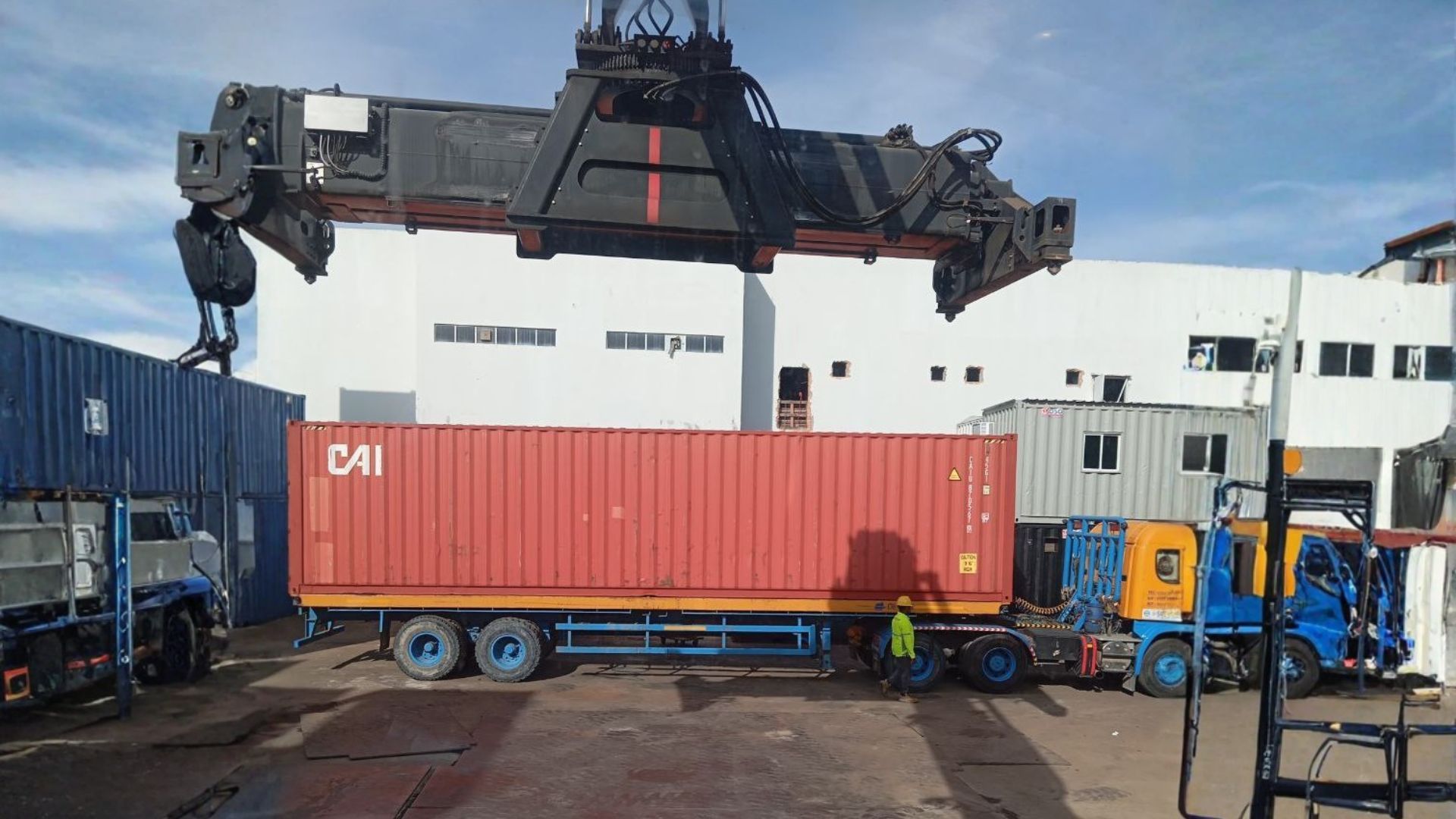
When Should You Choose High Cube Containers in Singapore?
High cube containers provide additional vertical space compared with standard-height shipping containers, making them suitable for businesses that need more room for taller cargo, bulky equipment, or selected container conversion projects.
A standard shipping container may be sufficient for many storage and freight applications. However, when cargo height, loading arrangements, or interior fittings become restrictive, a high cube container may offer a more suitable configuration.
For businesses in Singapore, choosing between Standard and High Cube containers involves considering internal dimensions, cargo weight, door clearance, site access and the intended application.
This guide explains when High Cube containers are worth considering, how they compare with standard units, and what businesses should review before selecting a container.
Stage 1: Understanding the Difference Between Standard and High Cube Containers
The main difference between a Standard and High Cube shipping container is their external and internal height.
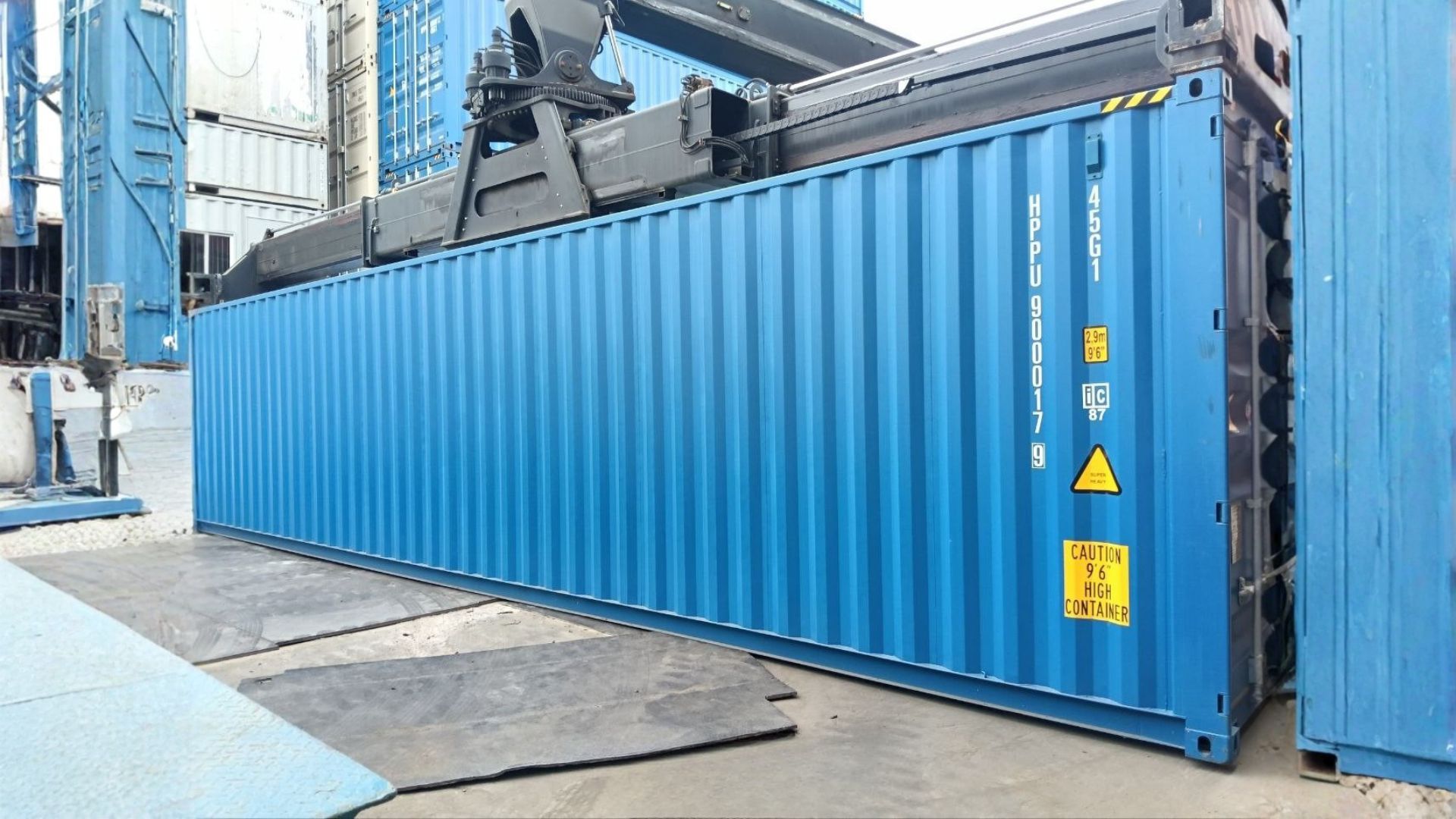
A typical Standard container has an external height of approximately 2.59 metres, while a High Cube container measures approximately 2.90 metres externally.
This provides approximately 30 centimetres of additional internal height, depending on the container manufacturer and configuration.
What Are the Dimensions of a 40ft High Cube Container?
A 40ft high cube container has the same nominal external length and width as a standard 40ft dry container, but with additional height.
The table below compares typical Standard 40ft and 40ft High Cube dry freight containers.
| Specification | 40ft Standard Container | 40ft High Cube Container |
|---|---|---|
| External Length | 12,192 mm | 12,192 mm |
| External Width | 2,438 mm | 2,438 mm |
| External Height | 2,591 mm | 2,896 mm |
| Approximate Internal Length | 12.03 m | 12.03 m |
| Approximate Internal Width | 2.35 m | 2.35 m |
| Approximate Internal Height | 2.39 m | 2.70 m |
| Approximate Door Opening Height | 2.28 m | 2.58 m |
| Approximate Internal Volume | 67-68 m³ | 76 m³ |
| Maximum Payload | Varies by unit | Varies by unit |
Note: Specifications are indicative for common ISO dry freight containers. Actual internal dimensions, door openings, tare weights, and permitted payloads vary by manufacturer and individual unit.
How Much Additional Space Does a High Cube Container Provide?
A typical 40ft High Cube container provides approximately 76 cubic metres of internal volume, compared with approximately 67 to 68 cubic metres for a standard 40ft container.
The additional volume comes primarily from the increased internal height rather than a longer or wider container footprint.
This can be useful where cargo dimensions or storage arrangements require more vertical clearance.
However, the additional internal volume does not automatically increase the permitted cargo weight.
Stage 2: When Cargo Height Becomes a Limitation
One of the main reasons businesses consider High Cube containers is when their cargo exceeds the available height inside a standard unit.
Different goods have different loading requirements, and height can become an important constraint for certain types of equipment and packaged products.
What Cargo May Benefit from Additional Height?
High Cube containers may be considered for:
- Tall industrial machinery
- Electrical cabinets and equipment enclosures
- Bulky manufacturing components
- Furniture and commercial fixtures
- Large packaged products
- Selected agricultural equipment
- Suitable palletised cargo arrangements
The additional height may allow certain cargo to be loaded without changes to its original dimensions or packaging.
However, businesses should confirm both internal container dimensions and available door opening clearance before selecting equipment.
Why Is Door Opening Height Important?
A cargo item may fit within the internal height of a High Cube container but still be too tall to pass through the rear doors.
For example, a typical 40ft High Cube container has an internal height of approximately 2.70 metres, while its door opening height is generally around 2.58 metres.
Before loading tall cargo, confirm:
- Overall cargo height
- Packaging and pallet dimensions
- Actual door opening height
- Available loading equipment clearance
- Any additional space required for handling
If the cargo exceeds the available doorway clearance, a different container type or loading arrangement may be necessary.
Can High Cube Containers Improve Forklift Loading?
The additional height may provide more clearance for certain cargo handling arrangements.
However, forklift operations still depend on the equipment dimensions, container doorway, floor capacity, cargo weight, and safe operating requirements.
A High Cube container does not automatically allow every forklift or tall pallet to pass through its doors.
Businesses should verify the relevant loading measurements before planning the operation.
Stage 3: When Additional Vertical Storage Space Is Useful
High Cube containers may also be considered for stationary storage applications where vertical space is important.
Businesses storing bulky goods or equipment may benefit from additional internal height without increasing the nominal ground footprint compared with a standard container of the same length.
What Types of Storage Applications Benefit from High Cube Containers?
Potential applications include:
- Warehouse overflow storage
- Commercial inventory
- Industrial spare parts
- Equipment storage
- Construction materials
- Furniture and fixtures
- Suitable shelving and racking systems
The required container size should reflect the quantity, dimensions, and weight of the stored items.
Can a High Cube Container Accommodate Taller Shelving?
The additional internal height may provide more flexibility for selected shelving and storage arrangements.
However, shelving installations should be designed according to the container's available space, structural condition, floor-loading requirements, and intended use.
Businesses should also consider:
- Access to stored materials
- Available aisle space
- Weight distribution
- Loading and unloading equipment
- Safe storage heights
- Proper securing of storage fixtures
Additional height should only be used where the intended storage arrangement remains appropriate for the container and cargo.
Does More Vertical Space Prevent Condensation?
No. Additional internal height does not automatically prevent condensation or protect moisture-sensitive goods.
Condensation risk depends on temperature changes, humidity, ventilation, container condition, and the stored cargo.
For applications in Singapore's warm and humid climate, businesses should review suitable moisture-management measures according to their storage requirements.
Stage 4: When Is a 40ft High Cube Container Suitable for Cargo Transport?
A 40 high cube container may be suitable when a shipment contains goods that require additional vertical clearance or internal volume.
However, container selection should account for both cargo dimensions and permitted weight limits.
What Is the Difference Between Volume-Limited and Weight-Limited Cargo?
Some shipments use most of the available internal volume before reaching the container's maximum permitted payload.
Other shipments consist of dense cargo that may reach weight limits while substantial internal space remains unused.
Examples of relatively bulky goods may include:
- Textiles and apparel
- Furniture
- Packaging materials
- Lightweight industrial components
- Selected consumer goods
For certain dense goods, additional container height may provide limited practical benefit.
Businesses should assess their cargo dimensions, weight, and loading arrangement to determine whether High Cube equipment is appropriate.
Does a High Cube Container Have a Higher Payload?
Not necessarily.
Although High Cube containers provide additional internal volume, their maximum permitted payload depends on the individual container's design and specifications.
Before loading, businesses should check:
- Tare mass
- Maximum permitted gross mass
- Payload rating
- Floor-loading requirements
- Cargo securing requirements
- Applicable transport limitations
The additional volume should not be treated as permission to exceed the container's rated carrying capacity.
Can High Cube Containers Support Palletised Shipments?
Yes. Suitable palletised cargo may be transported in High Cube containers.
However, pallet arrangements depend on the pallet dimensions, cargo stacking strength, handling method, and available door clearance.
Additional internal height may provide greater flexibility for certain loads, but double-stacking should only be considered where it is suitable for the cargo and complies with the relevant loading requirements.
Stage 5: Using High Cube Containers for Office and Modular Conversions
High Cube containers are also considered for selected container conversion projects.
The additional ceiling height can be useful when a container requires interior insulation, ceiling panels, electrical provisions, or other fittings.
Why Is Interior Height Important for Container Offices?
Converting a shipping container into an occupied workspace typically involves installing suitable internal finishes and services.
These features may reduce the available finished ceiling height.
Starting with a High Cube container may provide more flexibility for:
- Interior ceiling panels
- Thermal insulation
- Electrical conduits
- Lighting fixtures
- Selected ventilation arrangements
- Other suitable interior fittings
However, actual finished ceiling height depends on the proposed design and construction arrangement.
What Container Conversion Applications Can Benefit?
Depending on the design and applicable requirements, High Cube containers may be considered for:
- Site offices
- Administrative workspaces
- Industrial workshops
- Equipment shelters
- Retail and commercial spaces
- Selected modular facilities
The container's structural condition and suitability for modification should be assessed before fabrication.
Can You Add Windows, Doors and Other Fittings?
Suitable containers may be modified with additional features, depending on the project requirements.
Possible options include:
- Personnel doors
- Windows
- Interior partitions
- Wall and ceiling panels
- Electrical sockets
- Lighting
- Air-conditioning provisions
- Storage fixtures
Structural changes, particularly large wall openings, should be appropriately assessed by qualified professionals.
Businesses should not assume that a modified container retains the same original freight-handling or stacking capabilities.
Stage 6: Planning High Cube Container Delivery in Singapore
Businesses arranging High Cube container delivery should consider the container's external height as well as its length and width.
The increased height may affect the overall transport vehicle dimensions and available route clearance.
What Should You Check Before Transportation?
Important considerations include:
- Container size and actual weight
- Transport vehicle configuration
- Overall travelling height
- Bridge and overhead clearance
- Entrance and gate dimensions
- Vehicle turning space
- Unloading arrangements
- Ground conditions
- Final placement location
The transport provider should review the applicable route and equipment requirements before delivery.
Can High Cube Containers Be Delivered to Industrial Sites?
High Cube containers may be delivered to suitable industrial, commercial, and construction locations where the required transport and unloading arrangements can be accommodated.
However, available access varies between sites.
Restricted entrances, overhead structures, or limited lifting space may require alternative equipment or delivery planning.
What Should Businesses in Singapore Consider?
When arranging local delivery, businesses should confirm:
- Road access restrictions
- Overall vehicle height
- Site entry conditions
- Lifting and positioning requirements
- Any applicable permits or approvals
- Required delivery coordination
Specific vehicle limitations and route requirements should be confirmed with the transport provider.
Businesses should not rely on one universal clearance measurement for every High Cube delivery.
Stage 7: Selecting High Cube Containers in Singapore
Businesses searching for high cube container singapore options should review the required size, condition, and intended application before selecting equipment.
OSG Containers provides 20ft and 40ft High Cube solutions for shipping, storage, and suitable container conversion applications.
Should You Choose a 20ft or 40ft High Cube Container?
The appropriate size depends on how much internal length and volume are required.
A 20ft High Cube container may be considered where additional vertical height is useful but a shorter footprint is preferred.
A 40ft High Cube container provides greater internal length and volume for larger cargo or storage requirements.
Businesses should compare:
- Available installation space
- Cargo dimensions
- Total cargo weight
- Storage volume
- Required door clearance
- Transportation requirements
- Intended modifications
What Container Conditions Are Available?
High Cube containers may be available in different conditions depending on the supplier and equipment stock.
Common descriptions include:
- New or One-Trip: Containers with limited previous cargo service.
- Used Cargo-Worthy: Units assessed for cargo transportation, subject to applicable examination and approval requirements.
- Wind and Watertight: Containers that may be suitable for certain stationary storage applications.
- As-Is: Containers supplied in their existing condition that may require additional repairs or assessment.
The actual condition and suitability of the individual container should be confirmed before purchase or rental.
Can High Cube Containers Be Purchased or Rented?
Yes. OSG Containers offers purchase and rental enquiries for High Cube containers in Singapore, subject to equipment availability and commercial terms.
Businesses should provide details about the required size, condition, intended use, and delivery location when enquiring.
Stage 8: How to Decide Whether You Need a High Cube Container
Before choosing between a Standard and High Cube container, review how the additional vertical space will support the intended application.
Container Selection Checklist
- Measure the cargo: Confirm overall height, width, length, and packaging dimensions.
- Check door clearance: Verify that the cargo can enter through the actual door opening.
- Confirm cargo weight: Review the permitted payload and handling requirements.
- Assess storage arrangements: Determine whether additional height supports shelving or other equipment.
- Review conversion plans: Consider the space required for ceiling panels, insulation, and fittings.
- Evaluate site access: Confirm that the selected unit can be transported and positioned at the destination.
- Check condition: Select a container suitable for the intended shipping, storage, or conversion application.
A High Cube container is most useful when its additional height addresses an actual cargo, storage, or workspace requirement.
If all intended goods and fittings fit comfortably within a standard container, additional height may not be necessary.
Frequently Asked Questions About High Cube Containers
What Is a High Cube Container?
A High Cube container is a shipping container designed with additional external and internal height compared with a standard-height container of the same nominal length.
It is commonly considered for taller cargo, bulky storage requirements, and selected container conversion projects.
How Tall Is a High Cube Container?
A typical High Cube shipping container has an external height of approximately 2,896 mm, or 9 feet 6 inches.
This is approximately 305 mm taller than a standard-height shipping container.
What Is the CBM of a 40ft High Cube Container?
A typical 40ft High Cube dry container provides approximately 76 cubic metres of internal volume.
The actual volume varies depending on the container manufacturer and configuration.
Is a 40ft High Cube Container Bigger Than a Standard 40ft Container?
Yes, in terms of height and internal volume.
Both container types share the same nominal external length and width, but the High Cube version provides additional vertical clearance.
Can High Cube Containers Carry Heavier Cargo?
Not automatically. Maximum permitted payload depends on the individual container's specifications.
Businesses should check the relevant weight ratings before loading or transporting cargo.
Can High Cube Containers Be Used for Storage?
Yes. Suitable High Cube containers can be used for storage applications, including industrial inventory, equipment, and bulky commercial goods.
The container's condition and storage environment should be appropriate for the intended materials.
Are High Cube Containers Suitable for Site Offices?
High Cube containers may be considered for selected site office and workspace conversions because their additional internal height can accommodate suitable interior finishes and fittings.
The finished workspace must still meet the applicable design and installation requirements.
Where Can I Enquire About High Cube Containers in Singapore?
OSG Containers supplies 20ft and 40ft High Cube container solutions in Singapore.
Customers can contact our team to discuss equipment specifications, available conditions, modifications, and delivery requirements.
Why Choose OSG Containers for High Cube Containers in Singapore?
OSG Containers provides High Cube shipping container solutions for logistics, warehousing, construction, manufacturing, and commercial applications.
Our range includes 20ft and 40ft High Cube containers, with new and used equipment options subject to availability.
We also provide container modification services and related logistics support, including transportation, lifting, and on-site positioning.
Whether you require additional cargo clearance, increased vertical storage space, or a suitable container for a modular conversion, our team can help you explore available configurations.
Find the Right High Cube Container for Your Requirements
Choosing between Standard and High Cube containers begins with understanding your cargo dimensions, weight, internal space requirements, and destination site conditions.
High Cube containers provide additional vertical height without increasing the nominal external length or width of a container of the same size.
For suitable applications, this can provide greater flexibility for cargo loading, storage, and interior conversion planning.
Before selecting a unit, businesses should confirm the actual specifications, condition, and transport requirements.
Need Additional Height for Your Cargo or Storage?
Explore our 20ft and 40ft High Cube containers for shipping, storage, and conversion projects in Singapore. Contact our team to discuss suitable sizes, available conditions, modification options, and delivery requirements.
Explore High Cube Containers