20ft Container Rental in Singapore: Costs to Consider
Renting a 20ft container in Singapore can be a practical solution for temporary storage, construction sites and additional workspace. However, the total cost may extend beyond the rental rate.
Depending on the container type, delivery arrangements and rental agreement, additional considerations may include delivery and collection, site access requirements, electrical connections for office or refrigerated units, and potential cleaning or damage charges when the container is returned.
Before committing to a rental, compare quotations carefully and confirm which services are included. Understanding the possible costs upfront can help you plan your budget and reduce the risk of unexpected expenses.
What Additional Charges Should You Ask About?
A container rental quotation may cover the unit only, or it may include some transport and related services. Ask the supplier to clarify what is included and which items could be charged separately.
Delivery, Collection and Positioning
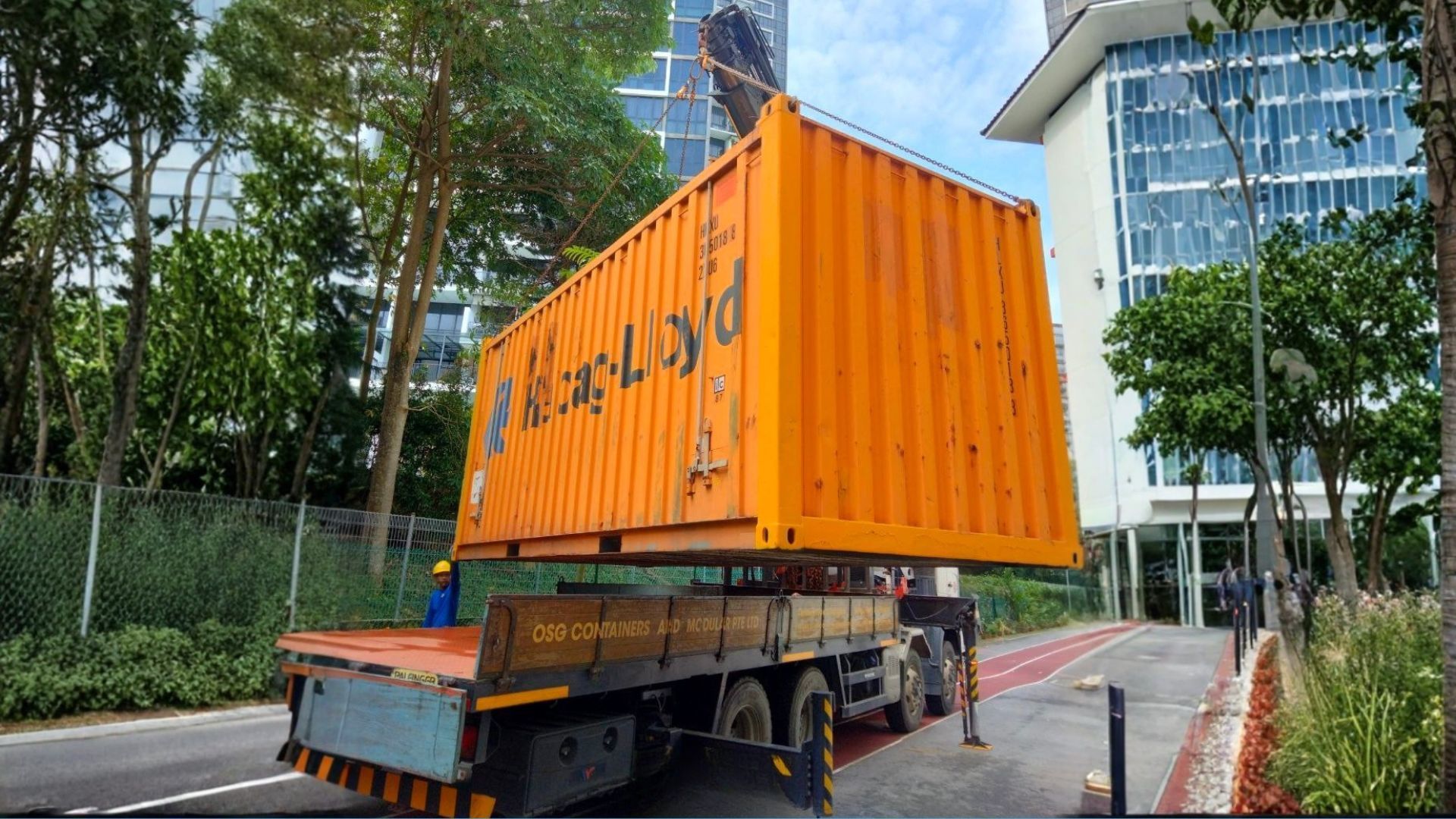
Ask whether the quotation includes both delivery to your site and collection at the end of the rental period. Delivery arrangements can depend on the location, vehicle access, unloading requirements and the placement area.
Site conditions may also affect the delivery process. Narrow entrances, uneven ground, overhead obstructions or limited space for the delivery vehicle may require additional planning and could affect the final cost. Share site photos, measurements and access details with the supplier in advance, and ask whether any extra charges could apply.
Cleaning, Inspection and Return Conditions
Suppliers may inspect a container when it is returned and may charge for cleaning or repairs if these are required under the rental agreement. The applicable conditions can vary by provider and by the container's condition.
Before hiring, ask what cleaning standards apply at the end of the rental period, how damage is assessed, and whether inspection or handling fees may be charged. Take dated photographs of the container when it arrives and record any existing damage on the handover documentation.
How Does Container Type Affect Rental Requirements?
The right container depends on what you need to store or do inside it. Compare the features, services and site requirements of each option rather than relying on the container type alone.
Standard Dry Storage Containers
Standard dry containers are commonly considered for storing tools, equipment, materials and other goods that need protection from the weather. Features and condition can vary, so confirm the unit's suitability for your intended use.
Ask the supplier about the container's condition, door security, ventilation, flooring and any restrictions on the goods you plan to store. If the contents need particular environmental conditions, confirm that a standard dry container is suitable before proceeding.
Converted Office Containers
Office containers may include features such as insulation, lighting, electrical fittings and air conditioning, depending on the unit and specification.
Check which fittings are included and what is needed to make the office operational at your site. Electrical work or connection to a power supply may require arrangements with a qualified professional. Confirm who is responsible for installation, connection, maintenance and any related costs.
Refrigerated Containers (Reefers)
Refrigerated containers are designed for temperature-controlled storage, but their suitability depends on the cargo, required temperature range and operating conditions.
Before renting, confirm the unit's operating requirements, power supply, temperature monitoring arrangements and maintenance responsibilities. Ask the supplier what checks are carried out before delivery and what support is available if the equipment develops a fault. Do not assume that a refrigerated unit is suitable for every temperature-sensitive product without confirming the requirements.
What Rental Period and Contract Terms Should You Check?
Rental terms differ between suppliers and agreements. Before signing, confirm the minimum rental period, extension process, notice required for collection, and any charges that may apply if your plans change or you return the unit early.
A longer rental period may be offered on different terms from a short-term hire, but the most suitable arrangement depends on your expected project timeline and the flexibility you need. Ask the supplier to explain the options and any conditions that affect changes to the rental period.
What Should You Include When Comparing Container Rental Quotes?
Use the checklist below to compare quotations on a like-for-like basis.
| Item to Check | Questions to Ask |
|---|---|
| Rental period | Is there a minimum hire period? How are extensions or early returns handled? |
| Delivery and collection | Are both delivery and final collection included? |
| Site access | Have vehicle access, unloading space and overhead clearance been assessed? |
| Placement area | What ground conditions and levelling arrangements are required? |
| Container specification | What are the unit's dimensions, condition and relevant capacity limits? |
| Included features | Are locks, lighting, insulation, air conditioning or refrigeration included, where relevant? |
| Utilities | Does the unit require an external power supply or specialist connection? |
| Cleaning and inspection | What condition is expected when the container is returned? |
| Damage liability | How is pre-existing or accidental damage documented and assessed? |
| Insurance or protection | Is any cover included? What are the limits, exclusions and excess? |
| Additional charges | Are there separate fees for waiting time, repositioning, cleaning, repairs or administration? |
| Payment terms | When are rental, transport and other charges payable? |
How Can You Prepare Your Site for Container Delivery?
Site conditions can affect whether a container can be delivered and placed safely. Requirements depend on the container, delivery vehicle and site layout, so confirm the details with the supplier before the delivery date.
Ground Conditions and Levelling
The placement area should be stable and suitable for the container's weight. Ask the supplier what surface and support arrangements are appropriate for your unit and intended use.
Uneven or unsuitable ground may affect the container's stability or operation of its doors. Confirm the placement location in advance and clarify who is responsible for preparing and levelling the area.
Vehicle Access and Overhead Clearance
Check that the delivery vehicle can reach the intended location and has sufficient room to manoeuvre and unload. Consider entrance width, turning space, nearby structures, trees and overhead cables.
Provide accurate site details and photos to the supplier before delivery. Ask whether a site assessment is recommended and whether access restrictions could affect the delivery method or cost.
How Should You Check the Container on Delivery?
Inspect the container before signing the handover or acceptance documentation. Compare it with the agreed specification and record any visible issues.
- Check the exterior and interior. Look for visible damage, corrosion, leaks, unusual odours or other conditions that could affect your intended use.
- Check doors and locks. Confirm that the doors open and close properly and that the agreed security features are present.
- Check the floor and fittings. Look for damaged flooring or missing features included in the quotation.
- Take dated photographs. Photograph the exterior, interior, doors, floor and any existing damage.
- Record issues in writing. Note concerns on the handover documentation and notify the supplier before the delivery team leaves, where possible.
Keep a copy of the quotation, rental agreement, handover records and correspondence. Documenting the container's condition at the start of the rental can help avoid misunderstandings when it is returned.
Final Checklist Before You Rent a 20ft Container
Before confirming your booking, make sure you have:
- Compared quotations using the same rental period and service requirements.
- Confirmed what the rental fee includes and which additional charges may apply.
- Checked delivery, collection and site access arrangements.
- Confirmed the container's dimensions, condition and suitability for your intended use.
- Reviewed rental extensions, cancellation and early-return terms.
- Clarified cleaning, damage liability, insurance and return requirements.
- Documented the container's condition when it arrives.
A clear quotation and a written understanding of the rental terms can make it easier to plan your project and reduce the likelihood of unexpected charges. If you are unsure about a site requirement or contract clause, ask the supplier to clarify it in writing before you confirm your 20 ft container rental price.
Contact us today about our 20ft Container Leasing & Rentals in Singapore NOW!
After container rental prices Singapore? Our Sales Team can provide you with more 20 ft container rental prices in Singapore.