When Should You Switch Bulk Liquid Freight to an ISO Tank?
Choosing the right transport method for bulk liquids can influence shipping costs, handling requirements and operational efficiency. For businesses transporting large or recurring volumes of liquid cargo, an ISO tank container may be an alternative to traditional steel drums, intermediate bulk containers (IBCs) or dedicated road tankers.
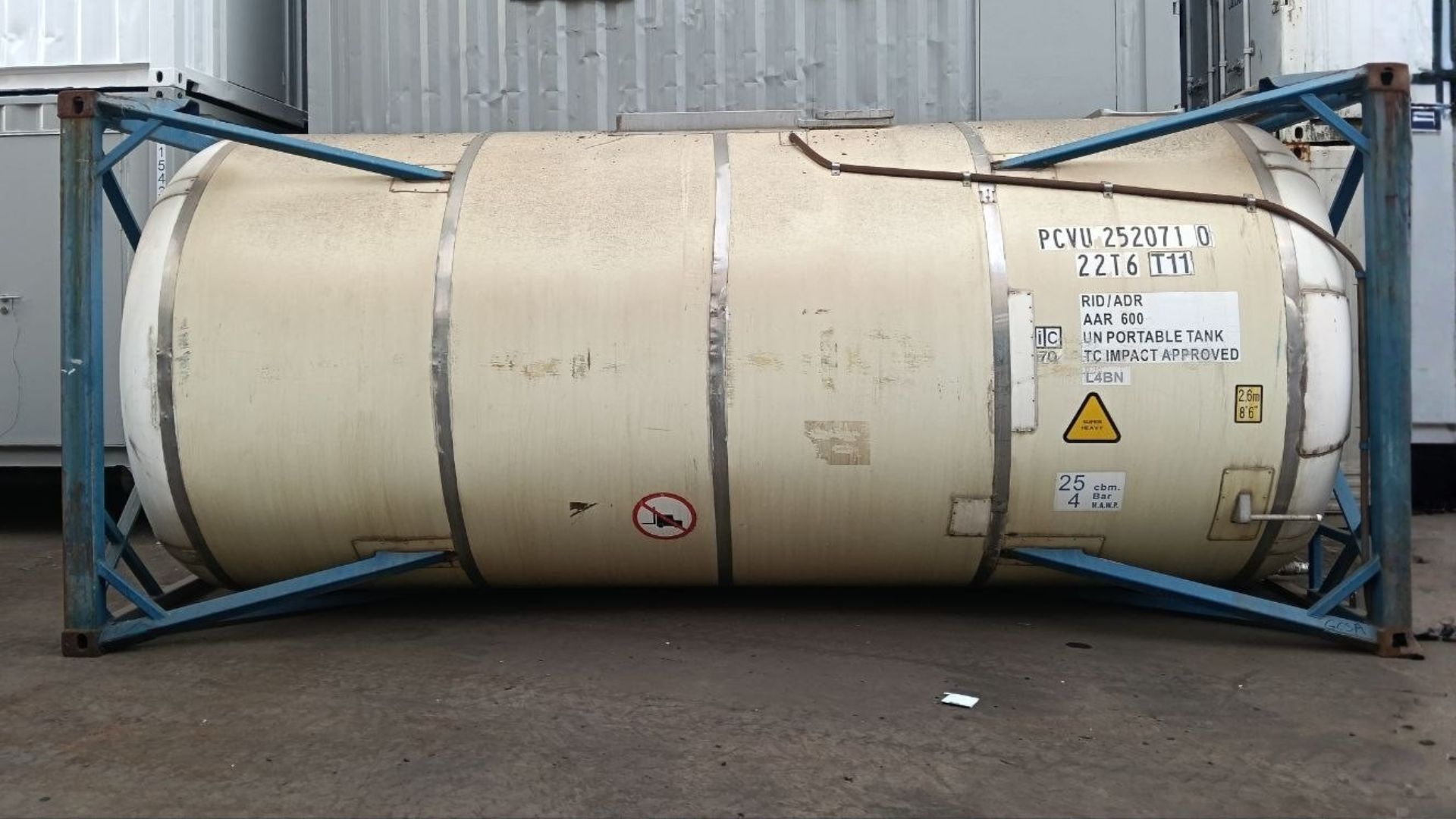
An ISO tank container is a tank mounted within a standardised frame designed for transporting compatible liquids. Depending on the tank specification and transport arrangements, it can be used across road, rail and sea transport without requiring the liquid to be transferred between different vessels at every stage of the journey.
An ISO container tank may be suitable for businesses transporting compatible liquids in bulk, depending on shipment volumes, cargo requirements and available transport arrangements.
However, an ISO tank is not necessarily the right choice for every shipment. Cargo compatibility, shipment frequency, destination facilities, transport routes and overall logistics costs all influence which option is most suitable.
In this guide, we explore the differences between ISO tank containers, IBCs, steel drums and road tankers, along with the practical considerations businesses should evaluate before choosing a bulk liquid transport solution.
What Is an ISO Tank Container?
An ISO tank container is a tank designed within a frame that follows applicable international container standards. Many are constructed with stainless steel tanks, although specifications vary according to the intended cargo and application.
The framed design allows compatible tank containers to be handled within containerised transport systems, subject to the equipment, cargo and transport requirements involved.
ISO tank containers are used to transport various types of liquid cargo. Depending on the specific tank design and its approved use, these may include certain food-grade liquids, oils and industrial chemicals.
Before selecting a tank, businesses should confirm that its materials, fittings, pressure rating and other specifications are appropriate for the intended cargo.
Capacity and Space Requirements
ISO tank containers are available in different capacities and configurations. The usable capacity of an individual unit depends on its specifications and the requirements of the liquid being transported.
Although a tank container can carry a substantial volume within a containerised transport footprint, its suitability depends on more than capacity alone. Businesses should also consider cargo weight, applicable filling requirements, transport limits and the receiving facility's ability to handle the shipment.
Multimodal Transport
One potential advantage of an ISO tank container is its compatibility with different modes of transport. Depending on the route and handling arrangements, a tank may travel by road, rail and sea while the liquid remains in the same vessel.
This can reduce the need for intermediate product transfers during transport. However, the availability and suitability of each transport option depend on the route, infrastructure, carrier requirements and cargo classification.
Reuse and Packaging Considerations
ISO tank containers are designed for repeated use, subject to appropriate inspection, maintenance and cleaning.
For businesses currently transporting liquids in disposable or reusable packaging, bulk tank transport may change the amount of packaging required per shipment. However, the overall environmental and financial implications depend on factors such as cleaning, repositioning, return journeys, equipment utilisation and transport distance.
ISO Tank Containers vs Road Tankers
Road tankers and ISO tank containers both transport liquid cargo, but they serve different logistical needs.
A road tanker is designed primarily for transport by road. An ISO tank container can be integrated into containerised transport networks, potentially allowing it to move between road, rail and sea.
Transport Flexibility
Road tankers may be suitable for domestic distribution, regular deliveries and routes where direct road transport is practical.
ISO tank containers may be worth considering when shipments involve ports, container terminals, rail connections or international transport routes. The appropriate option depends on the available transport infrastructure and the requirements of each shipment.
Loading and Unloading
Both options require suitable loading and discharge arrangements.
Road tankers may connect directly to compatible loading or receiving facilities. ISO tank containers may also require suitable pumps, hoses, fittings and receiving equipment, depending on the cargo and the facility.
Businesses should assess the equipment available at both ends of the journey before choosing a transport method.
Operational Costs
The total cost of using a road tanker or ISO tank container depends on several variables, including route distance, freight rates, equipment availability, driver and handling requirements, waiting time, cleaning and return logistics.
For local deliveries, direct road transport may be practical. For shipments involving multiple transport modes, an ISO tank may provide greater flexibility.
Rather than assuming one option is always cheaper, businesses should compare the total cost of each arrangement using their actual shipping requirements.
ISO Tank Containers vs Intermediate Bulk Containers (IBCs)
Intermediate bulk containers, commonly known as IBCs, are used to store and transport liquids in individual containers. Their design varies, but many commonly used models incorporate a rigid outer structure and a container for the liquid itself.
IBCs and ISO tank containers can both be appropriate for bulk liquid operations, depending on the shipment and handling requirements.
Shipment Volume and Packaging
IBCs allow liquids to be divided into manageable units. This can be useful when customers require smaller quantities, deliveries need to be split between multiple destinations, or receiving facilities cannot accommodate a larger bulk shipment.
An ISO tank container consolidates the liquid within a single tank. This may be suitable for businesses transporting larger consignments of compatible liquids.
The volume that can be transported in either option depends on the container specifications, cargo weight, filling requirements and applicable transport limits. Businesses should compare the actual usable volume of the proposed equipment rather than relying on a universal capacity advantage.
Handling Requirements
IBCs can often be handled using suitable forklifts and warehouse equipment, subject to their design and operating requirements.
ISO tank containers generally require appropriate lifting or chassis-handling arrangements, as well as compatible loading and discharge connections.
The most suitable option depends on the equipment available, the receiving facility and how the cargo needs to be distributed or transferred.
Cleaning, Reuse and Storage
Both IBCs and ISO tank containers may be reusable, depending on their construction, the cargo transported and the applicable cleaning and inspection requirements.
Businesses should account for cleaning, inspection, storage, return transport and any required reconditioning when evaluating the overall cost of either option.
Where a shipment is divided among multiple customers, the practicality of collecting, cleaning and reusing individual IBCs may differ from that of returning a tank container.
ISO Tank Containers vs Steel Drums
Steel drums are widely used for storing and transporting liquids in individual units. They can be practical when products need to be supplied in smaller quantities or distributed to multiple customers.
For businesses considering a move towards bulk liquid transport, the main question is whether consolidating individual drums into a tank container would suit their operational requirements.
Packaging and Shipment Planning
Steel drums allow liquid cargo to be separated into individual containers. This can support portioned deliveries and provide flexibility when customers require different quantities.
An ISO tank container consolidates compatible liquid cargo within one tank. This may reduce the number of individual packages involved in a shipment, although the suitability of the arrangement depends on the cargo, receiving facilities and distribution requirements.
Any capacity comparison should account for the actual drum dimensions, packaging arrangement, usable tank capacity, cargo weight and applicable transport restrictions.
Loading and Discharge
Drums may require palletising, securing, handling and individual filling or emptying operations, depending on the shipment.
ISO tank containers use dedicated tank fittings and discharge arrangements. Appropriate equipment and procedures are still necessary to transfer the liquid safely.
Businesses should evaluate the handling processes at their facilities, including available machinery, staff requirements, connection compatibility and procedures for managing spills or other incidents.
Packaging Management
Using steel drums involves managing the containers throughout the distribution process. Depending on the arrangement, this may include purchasing, storing, returning, reconditioning or disposing of them.
Tank containers have their own operational requirements, including cleaning, inspection, maintenance and repositioning.
The overall cost and practicality of each option depend on the frequency of shipments, packaging arrangements, return logistics and the requirements of the receiving customer.
When Should You Consider Switching to an ISO Tank?
There is no single shipment volume or route distance at which every business should switch to an ISO tank container. Instead, the decision should be based on the characteristics of the cargo and the requirements of the supply chain.
The following considerations can help businesses determine whether an ISO tank is worth evaluating.
1. Review Your Shipment Volumes and Frequency
Start by reviewing how much liquid you transport per shipment and how frequently deliveries take place.
Businesses with recurring bulk shipments may benefit from evaluating tank container options, while operations requiring smaller, divided deliveries may find drums or IBCs more practical.
Consider both current requirements and expected future demand before making a decision.
2. Assess Your Transport Routes
Review the complete journey from the point of origin to the final destination.
Consider whether the shipment involves domestic road transport, ports, international sea freight, rail connections or several transport modes. Also check equipment availability, handling arrangements and any restrictions that may apply to the cargo or route.
An ISO tank container may be appropriate where containerised transport fits the planned journey, but the actual route and service availability should be confirmed before booking.
3. Confirm Cargo Compatibility
Not every liquid can be transported in every tank.
The appropriate equipment depends on factors such as the liquid's chemical properties, material compatibility, temperature requirements and any applicable dangerous-goods classification.
Businesses should consult the relevant safety data sheet, tank specifications and qualified technical or logistics personnel when determining equipment suitability.
For regulated cargo, confirm the applicable transport, handling and documentation requirements before arranging the shipment.
4. Check Loading and Receiving Facilities
An ISO tank container requires suitable arrangements for loading, handling and discharging the cargo.
Before making the switch, confirm whether the origin and destination facilities have the necessary access, equipment, connections and storage capacity.
If additional infrastructure or equipment is needed, include these requirements in the overall evaluation.
5. Consider Temperature and Product Handling Requirements
Some liquids require specific temperature conditions to maintain their intended properties during transport.
Depending on the cargo and tank design, specialised equipment or additional temperature-management arrangements may be required.
Businesses should verify the appropriate configuration and operating procedures for their product rather than assuming every ISO tank provides heating, insulation or temperature control.
6. Compare the Total Cost
A meaningful comparison should account for more than the purchase price or freight charge.
Depending on the transport arrangement, relevant costs may include:
- Container hire or ownership costs
- Freight and local transport
- Loading, unloading and handling
- Cleaning, inspection and maintenance
- Storage and equipment repositioning
- Return transport and equipment availability
- Additional infrastructure or discharge equipment
- Applicable documentation and compliance costs
Compare these expenses against the current arrangement using realistic shipment volumes, route details and operating requirements. This will provide a more useful basis for deciding whether a tank container is commercially appropriate.
Considerations for Bulk Liquid Transport in Singapore
Businesses arranging bulk liquid transport to, from or within Singapore should consider the cargo, transport route and applicable local requirements as part of their planning.
The requirements can differ depending on whether the liquid is regulated as a dangerous good or hazardous substance, the quantity involved, the mode of transport and the activities being carried out.
Before arranging a shipment, businesses should:
- Confirm the cargo classification and any applicable transport restrictions.
- Verify the tank specifications and required documentation.
- Check relevant port, carrier, road transport and destination requirements.
- Confirm whether any applicable permits, approvals or inspections are needed.
- Ensure loading, unloading and receiving arrangements are suitable for the cargo.
For regulated cargo, consult the relevant Singapore authorities and qualified logistics or compliance professionals to establish the requirements for the specific shipment.
These checks should be completed before selecting equipment or confirming transport arrangements.
Conclusion: Is an ISO Tank Container Right for Your Business?
An ISO tank container may be worth considering when a business regularly transports compatible liquids and wants to evaluate an alternative to individual drums, IBCs or dedicated road tankers.
However, the most suitable transport solution depends on the cargo, shipment frequency, route, receiving facilities, equipment requirements and overall operating costs. A tank container should therefore be assessed as part of the wider logistics arrangement rather than selected based on capacity alone.
By reviewing these factors, businesses can make a more informed decision about whether ISO tank transport aligns with their operational and commercial requirements.