
Choosing an Open Top Shipping Container
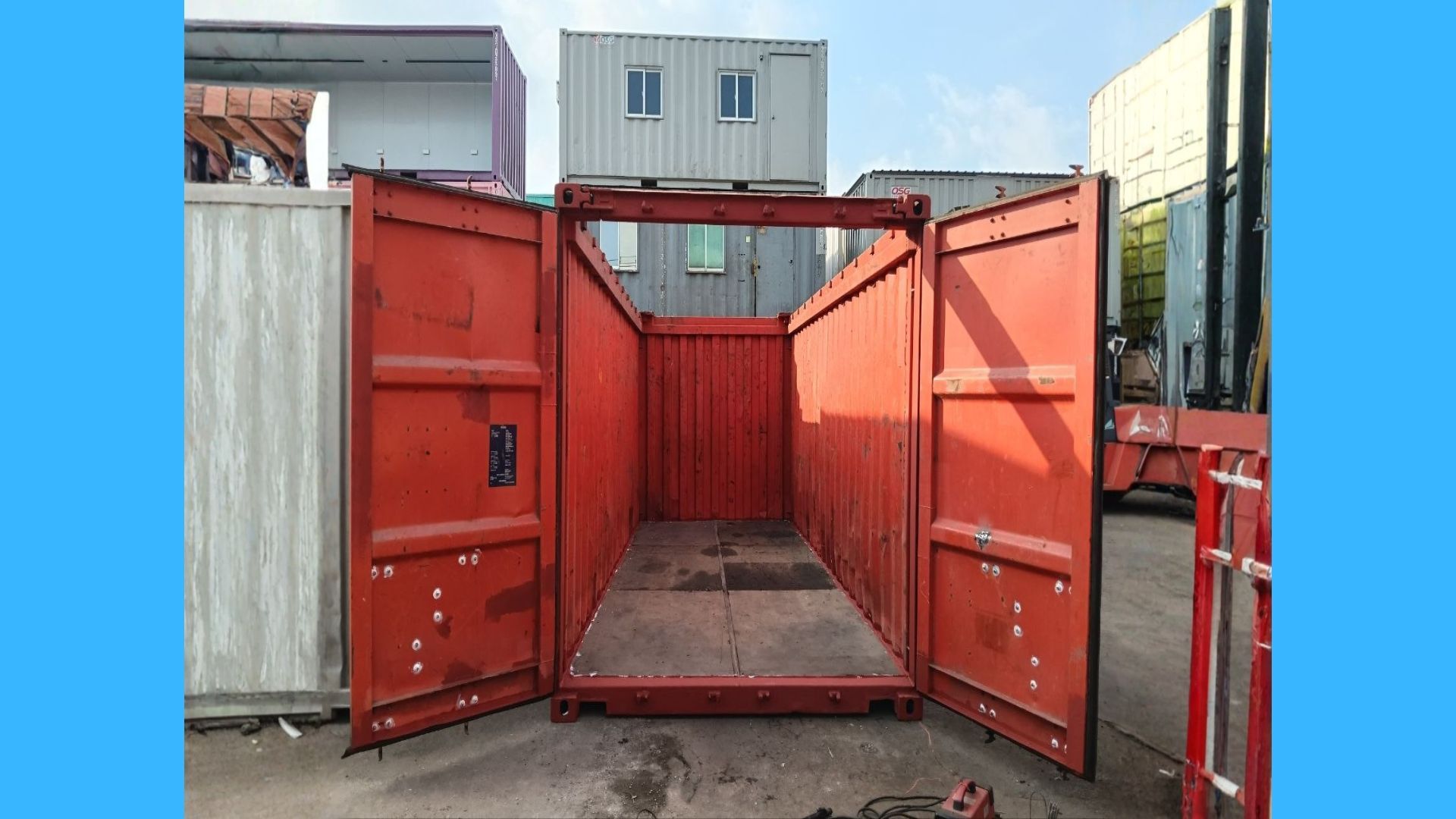
An open top shipping container allows overhead crane loading for cargo exceeding standard door clearances. Choosing the right unit depends on freight height, footprint, and weight distribution: standard 20ft and 40ft soft-top containers accommodate up to 7 feet 8 inches inside, while 40ft high-cube models provide 8 feet 8 inches of clearance for taller machinery.
Tall industrial machinery, raw steel plates, and crated assembly lines present an immediate loading hurdle when your cargo height exceeds the clearance of standard box doors. You cannot simply shove a six-ton diesel generator through the end wall of an enclosed van without stripping exterior fixtures or risking devastating mast impacts against the door lintel. Selecting an open top shipping container allows you to drop heavy components directly into the steel frame using an overhead gantry crane. However, your cargo height determines exactly which roof configuration, bow clearance, and lashing approach will keep your shipment safe on open waters.
When Should You Use a 20ft Open Top Container for Dense Machinery?
You should use a 20ft open top container when packing concentrated, heavy freight such as rock crushers, mill rolls, or cast-iron turbine housings, where long interior floors become a structural liability. A 20ft open top container concentrates structural rigidity across a shorter span, giving you superior resistance to floor buckling while leaving the entire roof area open for a direct vertical hoist.
Overhead Crane Access and Rigging Clearance
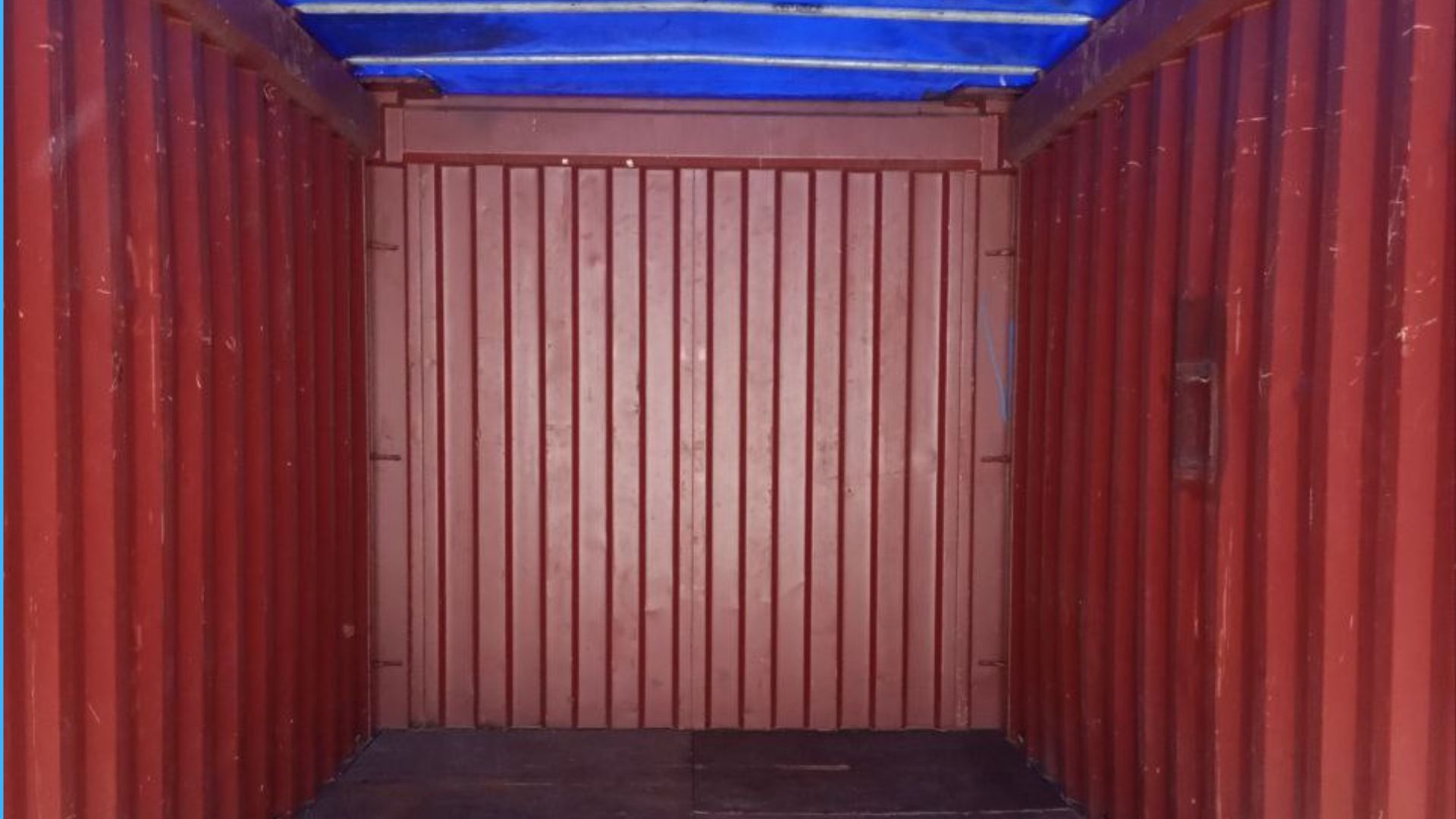
Loading tall, heavy blocks into a short footprint requires precise crane control and careful attention to the top side rails. Because rigging slings fan outward at an angle from the central crane hook, your lifting chains can easily pinch against the upper frame of the container if you do not calculate hook height early. We routinely advise rigging teams to fit spreader beams that match the internal container width of 7 feet 8 inches. This keeps your wire rope slings completely vertical and prevents inward crush damage against the side walls during the final foot of cargo placement.
Roof Bow and Tarpaulin Lashing Mechanisms
Removable steel roof bows bridge the upper rails to support the heavy-duty PVC tarpaulin, but they also prevent the side walls from bowing outward when the ship rolls in rough seas. If your machine sits just an inch below the container roofline, straight roof bows will foul against the highest metal points of your cargo. You must check whether standard arched bows give you the two to three inches of crown clearance you need. Otherwise, you must declare the cargo as an over-height load that travels under an extended high-rise canvas cover, secured through the external eyelets with a continuous customs-grade TIR cord.
Payload Thresholds and Weight Limitations
While a twenty-foot unit offers an impressive payload capacity that often reaches 61,000 pounds, packing that entire mass onto a small footprint can crack standard 28-millimeter marine plywood flooring. Concentrated equipment needs thick hardwood sleeper skids or heavy steel load-spreading plates set directly across the transverse bottom crossmembers. If you distribute cargo weight across four square feet instead of spanning several structural floor ribs, your shipment will fail port handling checks before the container ever reaches the vessel berth.
When Does a 40ft Open Top Shipping Container Fit Long Cargo?
A 40ft open top shipping container fits cargo when your freight involves long structural steel beams, extended processing skids, and continuous tube bundles that exceed twenty feet. While it provides the necessary longitudinal floor space, managing vertical clearances across a forty-foot expanse requires careful planning for roof bow engagement, header clearance, and weight distribution.
Overhead Crane Access and Rigging Clearance
Long cargo pieces flex along their length, meaning your crane crew often needs a tandem lift or a dual-hoist spreader to guide the equipment straight down between the side rails. The primary pinch point sits right at the rear door header. This header swings open or lifts out completely on hinge pins to let you walk long cargo into the box horizontally if overhead rigging runs out of vertical hook travel near the gantry limits.
- Inspect the hinge pins on the removable rear door header to ensure the swing beam moves freely without binding.
- Swing the header clear or lift it out using auxiliary tackle before bringing the load over the threshold.
- Lower the extended cargo straight down, keeping equal clearance between both long top side rails.
- Reinstall and pin the header securely before tensioning any tarpaulins or applying perimeter lashings.
Roof Bow and Tarpaulin Lashing Mechanisms
A forty-foot roof opening requires eight or more intermediate steel roof bows to keep the tarpaulin taut and shed rainwater away from the container core. When your freight height demands every fraction of an inch, missing or damaged roof bows let water collect in heavy canvas valleys. This can stretch the PVC sheet until hundreds of pounds of standing water sag directly onto your bare metal machinery. You must verify that every single roof bow seat is clear of rust, fully engaged in its side-wall pocket, and locked down with safety pins.
Payload Thresholds and Weight Limitations
Although the internal volume doubles when you step up to a forty-foot frame, the overall maximum gross weight limit barely increases over that of a standard twenty-foot unit. The longer longitudinal bottom sills will bend under deep vertical stresses if you place a dense, heavy load right in the dead center of the floor. You must balance the freight outward toward the structural corner posts, using structural timber dunnage to avoid creating a severe mid-span bending moment that could rupture the bottom rail welds during terminal crane lifts.
What Is an Industrial CNTR Open Top Container Built For?
An industrial cntr open top container is built for abrasive bulk materials, mining skips, and heavy manufacturing parts that damage standard dry freight boxes. These units feature thicker steel plates, reinforced corner castings, and heavy-gauge perimeter rails engineered to withstand gantry spreader impacts and severe industrial loading conditions.
Overhead Crane Access and Rigging Clearance
Terminal yard cranes move at high cycle speeds, and standard top rails can bend if a swinging spreader beam clips the container edge during high-wind container yard operations. An industrial-rated open top features reinforced top rails that withstand incidental rigging contact, giving your rigging operators a sturdier envelope when threading high-value industrial assemblies through tight overhead clearances. The interior top clearance remains completely open from corner post to corner post once you remove the top header bar, eliminating hidden interior lips that catch rigging cables during blind crane lowerings.
Roof Bow and Tarpaulin Lashing Mechanisms
Securing cargo inside an industrial unit demands a tarpaulin system that satisfies strict customs clearance rules alongside marine weather protection. Customs-sealed trade routes require a solid TIR cable that weaves through every perimeter grommet and eyelet along the container body without a single break. If your cargo height pushes the tarpaulin upward, you must use certified extension brackets that seat firmly into the original bow sockets, maintaining structural perimeter support while preventing the tarp from fluttering loose and shredding at open highway speeds.
Payload Thresholds and Weight Limitations
Industrial specifications frequently feature all-steel chequer plate floors instead of conventional laminated wood planks. A steel floor lets you drag heavy machine bases or position crawler equipment without gouging the floorboards, but it presents a lower friction coefficient that demands far more aggressive mechanical blocking and bracing.
- Welded steel floor stoppers: Weld heavy steel angle sections directly onto the steel floor plates to lock machinery feet in place.
- High-tensile perimeter rings: Lash chains directly to corner post bases rated for multi-ton pull loads.
- Timber cross-bracing: Wedge rough-sawn hardwood timbers between equipment skids and side corrugated walls to arrest lateral slide.
How Does a Hard-Top OT Container Protect Heavy Equipment?
A hard-top ot container protects heavy equipment by replacing flexible fabric tarpaulins with a removable, rigid steel roof panel that crane hooks lift off in one pick. This design gives you overhead crane access during loading while providing full weather resistance, overhead structural security, and tamper resistance equal to a standard dry van.
Overhead Crane Access and Rigging Clearance
A steel hard-top roof panel weighs roughly 900 to 1,100 pounds, requiring its own rigging plan and four-point sling assembly before you can start loading your actual cargo. Once you hoist the steel roof off and swing out the rear door header, you have a completely rigid container frame that retains full dimensional stability without needing temporary cross-bracing. Your crane hook has clear, uninterrupted downward access. This lets you drop large components within fractions of an inch of the side panels without worrying about snagging soft canvas curtains or bending fragile sheet metal edges.
Roof Bow and Tarpaulin Lashing Mechanisms
Hard-top containers eliminate flexible roof bows entirely, replacing them with heavy perimeter clamping dogs and locking cams that draw the steel lid down tight against a continuous closed-cell rubber perimeter gasket. If your machinery height sticks up above the top rail, you cannot clamp the rigid steel roof back on. In that scenario, you must leave the hard lid at the departure terminal, fit a temporary soft tarp system using conversion brackets, and pay the ocean line an equipment repositioning fee to return the displaced roof lid.
Payload Thresholds and Weight Limitations
The heavy steel roof lid reduces the allowable cargo payload by the exact amount of its tare weight, which sits around 1,000 pounds higher than a soft-top canvas configuration. When calculating your total road axle weights for pre-carriage transport, that extra half-ton of tare can push an otherwise legal container over highway gross limits. We always verify weighbridge tickets before releasing an unladen unit to an inland machinery yard to make sure the combined rig, tare, and machine weight remain road-legal.
How Do You Select Between Open Top Containers Based on Height and Weight?
Making the right selection among available open top containers comes down to matching your cargo height, lifting style, and tie-down requirements against the hard physical dimensions of each equipment profile. A miscalculation of two inches can leave your machine stranded on a terminal apron while demurrage charges mount.
Overhead Loading and Height Threshold Evidence
The table below outlines real-world operational thresholds for primary open-top specifications. Compare your crated cargo dimensions directly against these figures before booking your vessel slots:
| Container Specification | Interior Usable Height | Door Header Clearance | Max Gross Weight | Typical Roof System |
|---|---|---|---|---|
| 20ft Standard Soft-Top | 7 ft 8 in (2.34 m) | 7 ft 2 in (2.18 m) | 67,200 lb (30,480 kg) | Removable steel bows & PVC tarp |
| 40ft Standard Soft-Top | 7 ft 8 in (2.34 m) | 7 ft 2 in (2.18 m) | 67,200 lb (30,480 kg) | Removable steel bows & PVC tarp |
| 40ft High-Cube Soft-Top | 8 ft 8 in (2.64 m) | 8 ft 2 in (2.48 m) | 71,650 lb (32,500 kg) | High-rise bows & TIR tarp |
| 20ft Heavy Hard-Top | 7 ft 7 in (2.31 m) | 7 ft 1 in (2.16 m) | 67,200 lb (30,480 kg) | Removable rigid steel panel |
| 40ft High-Cube Hard-Top | 8 ft 7 in (2.61 m) | 8 ft 1 in (2.46 m) | 71,650 lb (32,500 kg) | Removable rigid steel panel |
Structural Tie-Down Verification
Once your cargo sits on the floorboards, you must arrest forward, aft, and lateral forces that can easily exceed two times the weight of the machine in rough seas. Heavy equipment builders often assume the lower internal lashing rings handle endless forces, but standard rings on interior floor rails carry working load limits of roughly 2,200 to 4,400 pounds each. When securing heavy equipment, run high-tensile transport chains diagonally across the load to opposing bottom corner castings, which connect directly to the main structural frame of the container rather than to the lighter internal sheet metal ribs.
Final Equipment Selection Breakdown
If your cargo height measures under 7 feet 6 inches and the machine weighs more than 35,000 pounds, book a twenty-foot standard soft-top unit; its shorter floor handles high structural densities better than any other platform. When your equipment measures between 7 feet 8 inches and 8 feet 6 inches tall, bypass standard height boxes entirely and book a 40ft high-cube unit to keep your freight moving as an in-gauge container, saving thousands of dollars in carrier out-of-gauge surcharges. Choose a hard-top container only when your freight is strictly in-gauge and your client demands complete overhead weather defense or tamper-proof customs security across remote borders.
If you are planning an upcoming machinery move and want to confirm exact interior rail clearances, sling angles, or deck ratings before booking your equipment, our project freight specialists can review your dimensional drawings and transport profiles.
Contact us today about our Open Top Shipping Containers NOW!