
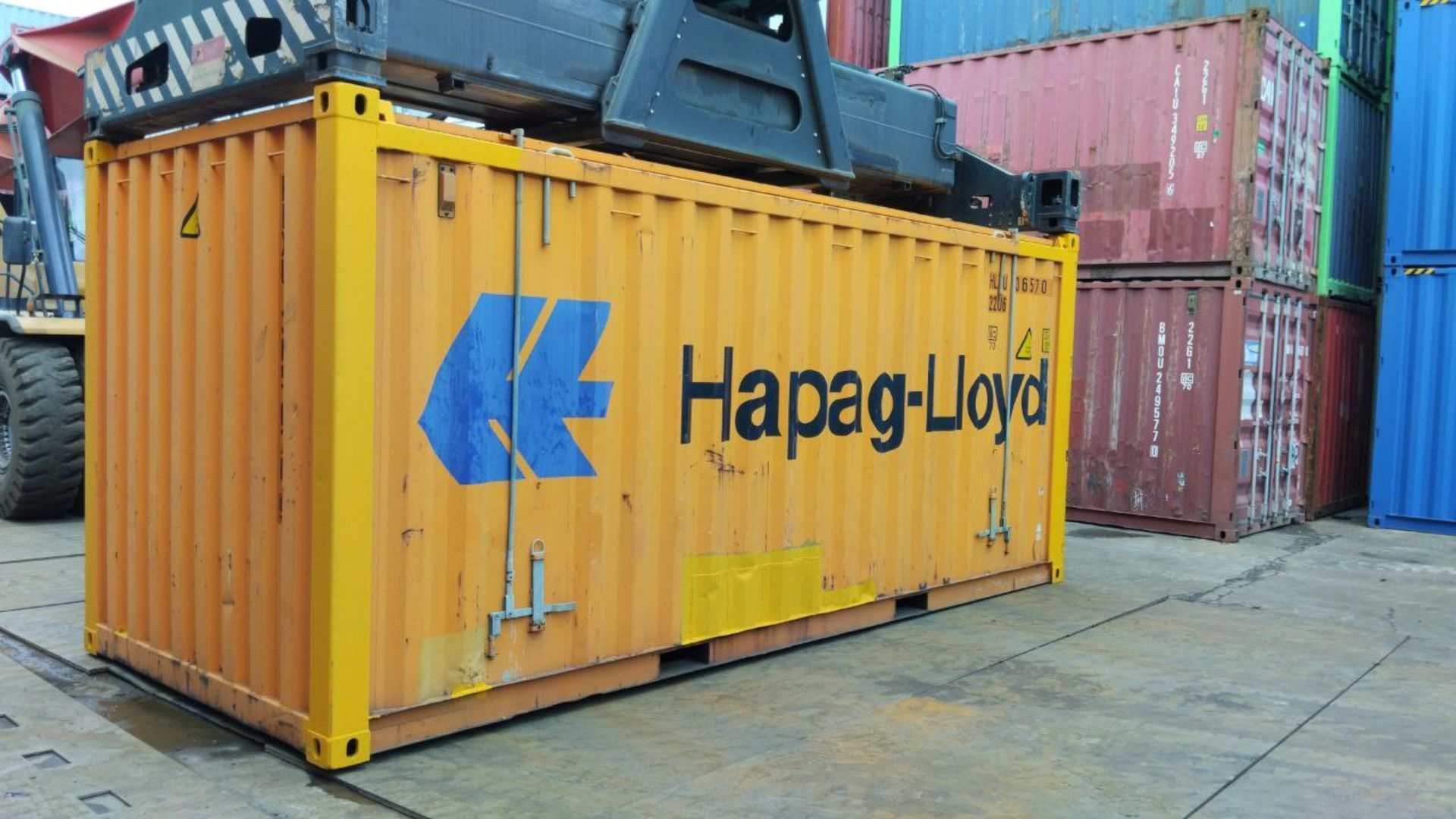
When Selling a Shipping Container Clears Congested Yards
Selling a shipping container frees up valuable yard space, cuts ongoing site maintenance costs, and converts idle steel into immediate operating cash. The most efficient disposal route involves auditing structural condition, confirming clear site access for heavy crane transport, and selling directly to an established trade buyer before releasing collection.
An idle steel box sitting in a busy distribution yard or commercial work site quietly eats away at your operating margins every single week. When access lanes narrow, delivery drivers spend extra time maneuvering around redundant metal, and yard staff lose valuable hours shifting pallets to work around an immobile steel footprint. We see companies write off these assets as harmless temporary fixtures, but leaving them to sit indefinitely ties up working capital while the physical box slowly decays in the open weather.
Reclaiming that asphalt or hardstand starts with a realistic evaluation of what that asset is worth and how quickly you can remove it. When you decide that selling a shipping container makes more financial sense than leaving it parked on your perimeter, you stop the bleeding of hidden site maintenance costs and convert depreciating steel back into liquid cash.
What is the cost of keeping an unused standard shipping container?
Leaving an unmanaged unit on your property brings hidden expenses that rarely show up as line items on a monthly balance sheet. A single standard shipping container takes up either twenty or forty linear feet of prime operational real estate, directly restricting the throughput of your loading docks and reducing the turning radius for heavy goods vehicles. Over several months, yard supervisors end up staging active stock in suboptimal areas simply because a dead container sits anchored in a prime access zone.
Gradual Structural Deterioration and Seal Degradation
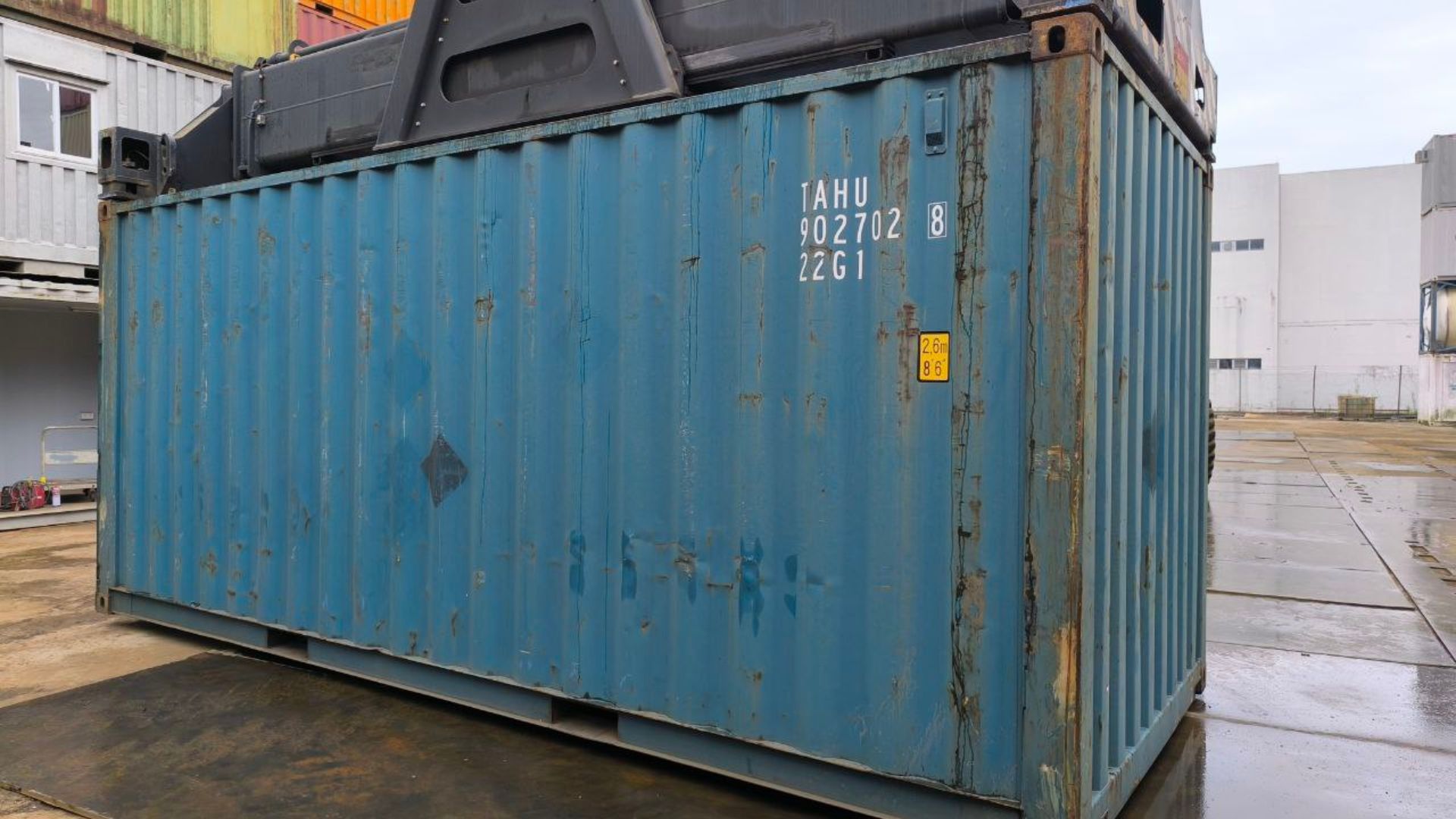
Corten steel resists harsh marine weather remarkably well, but it is not completely immune to neglect when parked on damp ground or poorly drained gravel. Standing water accumulating on roof bows eventually finds pinhole imperfections, starting localized corrosion pockets that eat through the roof sheets over prolonged rainy seasons. At the same time, the dense EPDM rubber door gaskets dry out, stiffen, and split under ultraviolet exposure, which breaks the weather-tight envelope and allows internal moisture to ruin the interior timber flooring.
When damp air enters a closed unit, internal humidity fluctuates wildly between day and night, triggering a cycle of interior condensation often called container sweat. This persistent dripping rots the twenty-eight-millimeter marine-grade plywood floorboards from the top down, while ground damp attacks the steel crossmembers underneath. By the time a site manager finally decides to offload the box after three years of neglect, the unit has frequently dropped from wind-and-water-tight grade down to damaged scrap value, wiping out hundreds of pounds or dollars in potential resale return.
Yard Congestion and Idle Capital Lockup
Beyond the physical decay of the box itself, the true expense lies in choked operational logistics and trapped corporate funds. Every square foot of crushed concrete, tarmac, or slab inside an active compound carries an underlying overhead cost, calculated by dividing your lease or facility maintenance budget by usable ground area. Storing an empty asset that delivers zero daily utility is equivalent to paying commercial rent for an oversized trash bin that you cannot easily move.
We routinely see industrial yards where forklifts must execute three-point turns around an abandoned forty-foot dry van, adding minute after minute to routine pick-and-pack tasks. Freeing up that footprint removes dangerous blind corners, lowers the risk of vehicle collisions, and yields an immediate cash injection from the sale that you can redeploy into core operations or plant equipment upgrades.
Why should you sell through an established shipping container supplier?
Selling directly through an established shipping container supplier guarantees trade book pricing and eliminates the security risks, broker commissions, and payment defaults common in private sales. When industrial firms clear out unneeded equipment, managers often instruct a junior clerk to post an ad on open classified boards. That path almost always introduces operational friction, endless administrative back-and-forth, and unwanted security risks that cost more in staff hours than the final sale price recovers.
Broker Commissions and Unreliable Private Bidders
Public classified boards and ad hoc digital marketplaces attract retail buyers who rarely understand the logistical reality of heavy transport. You end up fielding dozens of messages from hobbyists asking if the unit fits on a standard car trailer, followed by aggressive low-ball bids from opportunistic flippers looking to split your margin. Third-party commission brokers often demand fifteen to twenty percent of the gross transaction just to pass an email lead across your desk, leaving you with all the site coordination headaches.
Private buyers also bring massive default rates, regularly failing to complete wire transfers or vanishing right when you schedule the lift. Working directly with a dedicated shipping container supplier removes this haggling entirely, giving you guaranteed pricing based on genuine trade book values and direct commercial settlement without intermediary deductions.
| Disposal Route | Pricing Realisation | Logistical Responsibility | Payment Security | Yard Disruption Risk |
|---|---|---|---|---|
| Public Classified Ads | Volatile; driven down by amateur price-haggling | You manage and vet external hauliers | High risk of bounced cheques or delayed transfers | Extreme; multiple inspection visits by strangers |
| Equipment Broker | Moderate; eroded by high commission cuts | Shared, but with poor communication | Moderate; held in third-party escrow | Moderate; unpredictable haulier dispatch dates |
| Direct Supplier Buyout | Fair market value matched to structural grade | Handled entirely by the supplier fleet | Guaranteed electronic funds before lift-off | Minimal; single scheduled collection window |
Logistical Hazards of Arranging Independent Collection
The single greatest hazard of selling directly to private parties is the collection process itself. A standard twenty-foot empty unit weighs roughly 2.2 tonnes, while a forty-foot high-cube pushes past 3.8 tonnes, requiring dedicated heavy haulage with specialized rigging gear to lift safely. Private buyers frequently hire budget haulage contractors whose drivers lack crane certifications, arrive without adequate spreader beams, or show up with undersized vehicles incapable of handling the tare weight.
When an unqualified haulier drops an outrigger onto soft asphalt without load-spreading pads, your company faces severe site repair bills and potential safety liabilities. We have witnessed unvetted drivers crack private drainage covers, tear down low-hanging facility cables, and block busy entrance gates for hours while trying to winch a damaged box onto a flatbed. Established trade suppliers bring vetted transport fleets with trained lorry-loader operators who enter your site, rig the unit safely, and leave without damaging your infrastructure.
How do you prepare your site before selling a shipping container?
Preparing your site requires documenting the physical condition of the box and ensuring heavy crane vehicles have safe ground bearing capacity and overhead clearance. Before you solicit formal trade offers, you must document the honest condition of the box and confirm that your facility can actually accommodate the collection rig. Clean records and precise photographs prevent uncomfortable price revisions on collection day and make selling a shipping container a straightforward commercial swap.
Documenting Floor Integrity, Locking Bars, and Panel Damage
A reputable buyer needs clear proof of the unit's structural integrity before issuing an irrevocable purchase quote. Walk around the exterior in daylight and take square photographs of all four corrugated elevations, paying special attention to deep gouges, bowing roof lines, and patches of heavy flaking rust. Step inside, close both door leaves fully, and check for any light penetration through the roof sheets or corner gussets, which immediately tells an appraiser whether the unit remains wind-and-water-tight.
- Floorboards: Check the twenty-eight-millimeter marine ply for delamination, oil contamination, soft rot pockets, or gouges caused by aggressive forklift tines.
- Locking Gear: Verify that all four vertical locking bars rotate freely, that the cam handles engage their keepers smoothly, and that the hinge pins have not seized from rust.
- Corner Castings: Confirm that the eight ISO corner castings remain free of structural cracks or heavy welding slag, as these are the exact lift points the haulier will use.
- CSC Data Plate: Photograph the steel safety approval plate bolted to the left door, making sure the identification numbers and manufacture dates remain legible.
Mapping Heavy Vehicle Access and Crane Reach Clearance
A heavy recovery lorry equipped with a hydraulic crane needs significantly more clearance than a standard delivery van. You must establish a clear, unobstructed path from your primary facility gate right up to the side of the container. Haulage drivers will refuse to set up their outriggers if your site presents overhead electrical lines, low tree limbs, or unreinforced underground services that cannot hold the concentrated weight of a loaded truck.
- Ground Bearing Capacity: Ensure the ground surrounding the container consists of reinforced concrete, dense tarmac, or well-compacted road base rather than soft soil or uncompacted dirt.
- Vertical Clearance: Confirm an overhead clearance envelope of at least five meters along the entire access route, staying well clear of power lines, pipe bridges, and facility lighting.
- Outrigger Spread: Reserve at least two meters of clear, unobstructed horizontal space along the lifting side of the truck so the operator can fully extend the hydraulic stabilizing legs.
- Turning Envelopes: Check that your facility gates and access road corners provide an adequate swept path for a twelve-meter rigid vehicle or an eighteen-meter articulated low-loader.
How do conversions like a shipping container food outlet affect resale?
Converted units, such as a shipping container food hub or mobile catering kitchen, sell at a premium to hospitality buyers but lose their international cargo rating. The market for modified containers works under entirely different rules than the standard intermodal cargo sector. While a regular dry van appeals to industrial outfits seeking basic storage, an adapted unit can command a significant premium if the modifications match the exact operational requirements of commercial buyers.
Resale Premiums for Catering Hatches and Lined Interiors
We often see businesses try to offload units that once operated as a mobile cafe or shipping container food hub after a contract finishes. These custom conversions typically feature expensive interior buildouts, including thermal insulation, wipe-clean hygienic wall paneling, commercial electrical sub-boards, and reinforced serving hatches fitted with gas-strut openings. If your unit houses these features in clean, operational condition, selling it to a catering business or site accommodation buyer will fetch far higher margins than liquidating it as raw dry storage.
The key to earning that premium is demonstrating that the internal systems remain fully functional and compliant with basic commercial safety norms. Keep electrical installation certificates on hand, verify that commercial extractor hoods have been degreased, and wash down the stainless steel prep counters before photography. Buyers hunting for catering conversions are happy to pay upfront for ready-to-use units that bypass the four-month fabrication delays typical of custom modification shops.
Assessing Regulatory Alterations Against Cargo-Worthy Specifications
Modifications cut both ways, especially if you ever intend to return the unit to maritime shipping or international rail transport. The moment an engineer cuts into the corrugated corten steel panels to install wide personnel doors, serving hatches, or ventilation louvers, the container permanently loses its original ISO structural rating. The manufacturer-certified rigidity of the monocoque box disappears, and the container can no longer withstand the tremendous corner-post forces experienced when stacking six-high inside a container vessel hull.
Consequently, the international Convention for Safe Containers plate becomes instantly invalid. You must market modified units strictly as stationary, ground-based architectural assets or static site workshops. Trying to misrepresent a converted kitchen unit as a cargo-worthy freight box to an industrial logistics company will quickly derail a sale once their survey team inspects the cut-out framing.
How should you manage surplus shipping container supplies and accessories?
Managing surplus shipping container supplies involves deciding whether to sell installed racking, ramps, and locks as a bundle or keep them for warehouse operations. A shipping container rarely operates in complete isolation; throughout its service life, your yard team likely outfitted it with specialist racking, access equipment, and climate accessories. Deciding how to clear these items alongside the structural shell protects your resale margin and prevents usable equipment from ending up in local landfill skips.
Inventorying Shelving, High-Security Padlocks, and Ramps
Before releasing the unit to a commercial buyer, conduct a full audit of all interior hardware to decide what stays with the container and what gets redeployed across your warehouse. Heavy steel unistrut shelving systems, internal pipe racks, and aluminum drive-in forklift ramps hold solid secondary market value when sold as a cohesive package to an end-user. Conversely, professional container dealers generally prefer the internal bay completely stripped bare so they can inspect the floor timber and wash out the walls without working around bolted fixtures.
High-security padlocks and hardened steel lockboxes represent another decision point. If your container features a welded tamper-proof lockbox on the primary cargo doors, leave it intact, as this is a major selling point for trade buyers wanting secure yard storage. Loose hardware like Monoblock padlocks, specialized multi-point master keys, and portable wheel ramps should be cataloged and either negotiated as value-add surplus shipping container supplies or retained for your own fleet operations.
Clearing Moisture Control Systems and Internal Cargo Gear
Leaving soiled materials, used packing dunnage, or spent moisture products inside the unit creates immediate friction when a buyer's haulier arrives for collection. Transport drivers can, and routinely do, reject units that contain hazardous chemical residues, loose construction debris, or biological waste. Cleaning the box down to bare floorboards shows buyers that the equipment has been well managed and eliminates last-minute collection disputes.
- Desiccant Poles: Remove and dispose of all hanging calcium chloride poles or silica packs, as saturated bags tear easily during highway transit and spill corrosive brine across the floor.
- Lashing Hardware: Unhook all commercial ratchet straps, chain binders, and load bars from the internal D-rings, storing reusable lashing gear in your main warehouse tool crib.
- Ventilation Screens: Inspect the small plastic exterior air breathers to confirm that bird nesting material or dirt dauber wasps have not completely blocked ambient airflow.
- Floor Sweeping: Sweep out all fine masonry dust, timber splinters, and metal shavings, then pressure-wash any grease spots using a heavy-duty industrial degreaser.
How do you guarantee safe payment and liability transfer during collection?
To ensure safe collection, verify that cleared electronic funds have reached your account before loading begins, and complete a formal haulage sign-off. The closing stage of the disposal process requires strict financial discipline and tight procedural control. You should never let a multi-tonne asset be lifted from your yard until the commercial transaction is totally settled and both parties sign clear transfer-of-liability documentation.
Direct Wire Transfer Release Before Haulage Off-Site
Container scams across digital platforms have surged in recent years, with bad actors using forged bank drafts, reversible credit card payments, or unauthorized third-party collections to acquire expensive steel without paying. Establish a strict, non-negotiable operational policy: no driver slings chains onto the corner castings until your finance department confirms that irrevocable funds have settled completely in your operating account.
Direct bank transfers, such as BACS, Faster Payments, or CHAPS in the United Kingdom, and Fedwire or cleared ACH transfers in North America, represent the standard for safe trade transactions. If you use verified trade platforms or dealing networks, ensure that any escrow hold matches your delivery terms and releases funds the moment the transport carrier signs the bill of lading. Never accept personal cheques, paper banker's drafts, or promises of payment upon vehicle arrival at the buyer's destination depot.
Haulier Handover Documentation and Safe Yard Sign-Off
Once the transport vehicle enters your gate and payment has settled, your yard supervisor must manage the collection with the same rigor applied to regular freight handling. The transport operator must supply proof of valid carrier liability insurance and complete a dynamic risk assessment if they are operating an onboard crane within your active working yard. This protects your firm if a hydraulic hose bursts or an improperly balanced lift causes the container to swing during the loading phase.
Before the truck pulls back out through your main security gate, complete an official handover notice that captures the container identification number, the exact time of collection, the driver's full name, the haulage firm's registration, and the transport vehicle's license plate. Have both your yard manager and the collecting driver sign this document to certify that the asset left your care in agreed-upon structural condition. This single piece of paper officially ends your property ownership, closes out your site liability, and leaves your yard clear, safe, and ready for productive operations.
If you are evaluating redundant yard assets or need expert guidance on current trade valuations and site extraction protocols, consulting with an experienced container specialist can streamline the transition and safeguard your operating balance sheet.
Contact us today about our range of Shipping Containers NOW!