
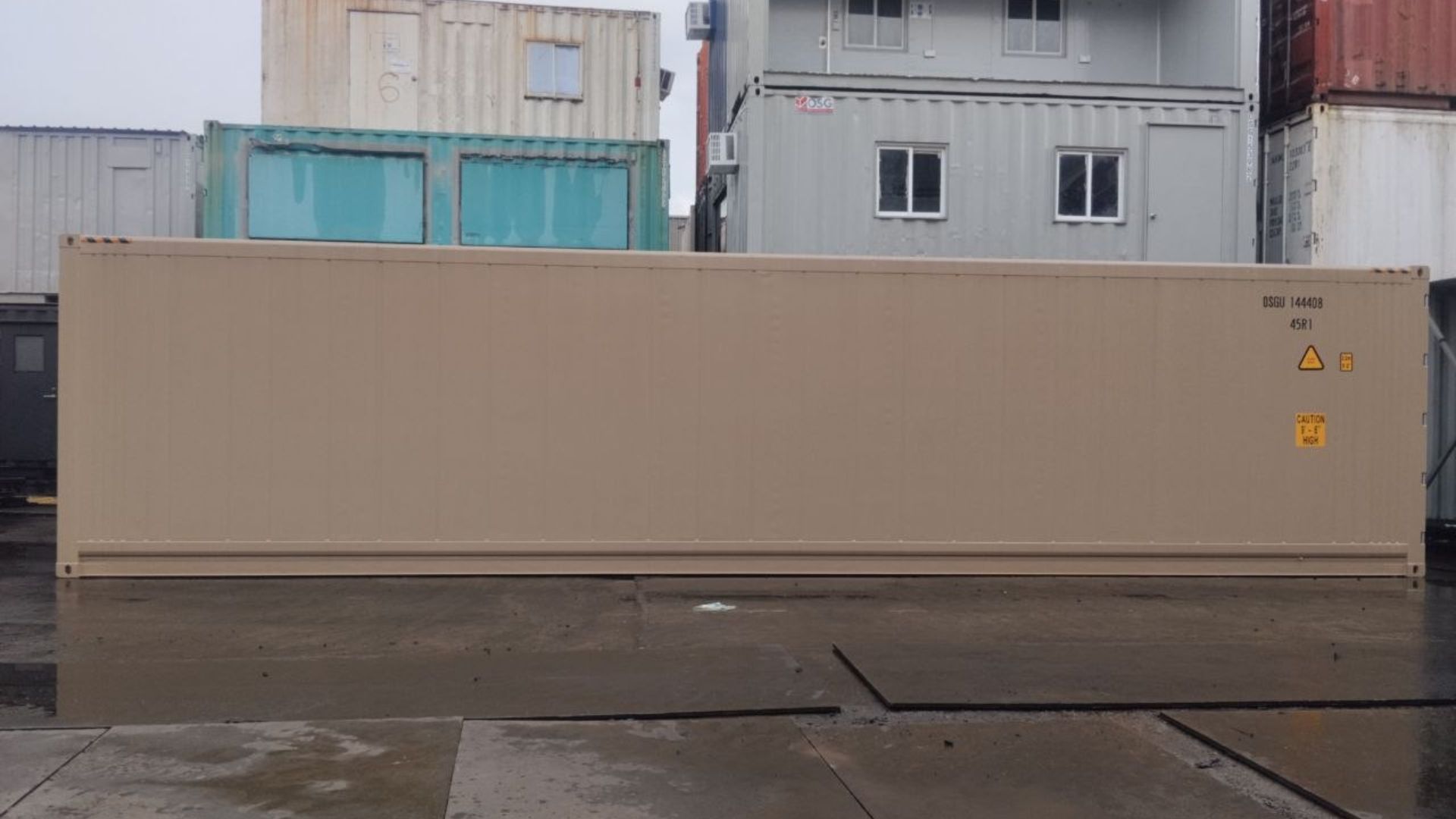
40ft Reefer Container for Sale: New vs Used
When searching for a 40 reefer container for sale in Singapore, businesses may need to compare several factors before deciding between a new or used unit. Whether you are looking for a 40 ft reefer container for sale or comparing different options for a 40ft reefer container for sale, it is important to consider storage requirements, available space, refrigeration performance, operating costs and the condition of the equipment.
Refrigerated containers, also known as reefer containers, are commonly used to store and transport temperature-sensitive goods. They may be suitable for applications involving food products, beverages, pharmaceuticals and other perishable inventory, depending on the container's specifications and the required storage conditions.
Whether you are looking for a standard or high-cube model, understanding the differences between new and used refrigerated containers can help you assess which option is more suitable for your operational needs.
New 40ft Standard Refrigerated Containers
A new 40ft standard refrigerated container may be worth considering for businesses that require dependable temperature-controlled storage and prefer equipment with limited previous use. These containers are designed to maintain controlled internal conditions through an integrated refrigeration system.
Internal Cargo Volume and Pallet Capacity
A standard 40ft reefer container provides substantial storage space for temperature-sensitive goods. Its internal dimensions and usable cargo volume can vary depending on the manufacturer, insulation thickness and refrigeration equipment installed.
Before purchasing, consider the dimensions of the products being stored and how they will be arranged inside the container. Pallet capacity may also differ depending on pallet dimensions, loading arrangements and the amount of space needed for airflow.
Allowing sufficient room for air circulation is important when storing refrigerated or frozen products. Overloading the container or obstructing airflow may affect temperature distribution and refrigeration performance.
Refrigeration Systems and Temperature Range
New refrigerated containers are generally fitted with an integrated refrigeration unit designed to maintain a specified temperature range. The actual operating range and suitability for chilled or frozen goods depend on the refrigeration machinery and container model.
When comparing options, check the manufacturer's specifications, temperature settings and cooling capabilities. It is also worth considering the type of goods being stored, as different products may have different temperature requirements.
For businesses operating in Singapore, ambient temperatures and humidity are additional considerations. The refrigeration system should be appropriate for the intended operating environment and expected usage.
Inspection Standards, Longevity and Daily Running Costs
A new reefer container may offer the advantage of having limited operating history, although its expected service life will still depend on maintenance, usage and environmental conditions.
Before purchasing, review the refrigeration unit's specifications, warranty coverage and recommended maintenance requirements. It is also useful to understand the expected electricity consumption, as running costs can vary according to the equipment, temperature settings, ambient conditions and frequency of door openings.
Used 40ft Standard Refrigerated Containers
Used 40ft refrigerated containers may be an option for businesses looking to manage their initial equipment expenditure. However, their suitability depends on their previous usage, maintenance history and current structural and mechanical condition.
Internal Cargo Volume and Pallet Capacity
Used standard reefer containers generally offer similar storage applications to new units, but their internal condition should be checked before purchase.
Inspect the interior for signs of damage, corrosion, water ingress or deterioration to the insulation and flooring. These factors may affect the container's suitability for storing temperature-sensitive products.
It is also important to confirm the internal dimensions and loading capacity of the specific unit. Pallet capacity can vary depending on the container's design and the arrangement of the cargo.
Refrigeration Systems and Temperature Range
The refrigeration machinery is one of the most important areas to assess when considering a used reefer container. Its performance may depend on the age of the unit, maintenance history and condition of its components.
Where possible, review the service records and ask whether the refrigeration system has undergone a Pre-Trip Inspection (PTI). A PTI can help assess the condition and operation of the refrigeration equipment, although the scope and findings should be reviewed before making a purchase decision.
Check that the unit can achieve and maintain the temperature required for your intended goods. Do not assume that all used reefer containers have the same cooling capabilities or operating condition.
Inspection Standards, Longevity and Daily Running Costs
The remaining service life of a used refrigerated container can vary considerably. Factors such as previous operating conditions, maintenance, exposure to the elements and refrigeration unit performance may influence how long it remains suitable for use.
Before purchasing, consider arranging an inspection of the container's structure, doors, seals, flooring, insulation and refrigeration machinery. Reviewing maintenance records and any available inspection reports can also help provide a clearer picture of its condition.
Although a used unit may have a lower initial purchase cost, potential repair work and ongoing maintenance should also be considered when assessing its overall value.
New 40ft High Cube Refrigerated Containers
New 40ft high-cube refrigerated containers may be suitable for businesses that require additional internal height for their storage arrangements. Compared with standard-height models, high-cube containers generally provide more vertical space, although exact dimensions depend on the specific unit.
Businesses considering a 40 high cube reefer container may benefit from the additional internal height these models can offer. This can provide more flexibility when storing taller goods or planning specific cargo arrangements, depending on the container's internal dimensions and refrigeration equipment.
Internal Cargo Volume and Pallet Capacity
The additional height of a high-cube reefer container may provide greater flexibility when storing taller goods or arranging cargo vertically.
However, usable internal volume and pallet capacity depend on the container's internal dimensions, refrigeration equipment and loading configuration. Businesses should check the specifications of the particular model rather than relying solely on its external dimensions.
When planning storage arrangements, consider the height of the goods, pallet dimensions, stacking requirements and space needed for adequate airflow.
Refrigeration Systems and Temperature Range
New high-cube refrigerated containers are typically equipped with refrigeration machinery designed to maintain controlled internal temperatures. The available temperature range and cooling performance depend on the specific equipment installed.
When selecting a unit, consider whether it is intended for chilled storage, frozen goods or other temperature-sensitive products. Check the manufacturer's specifications to ensure the refrigeration system is suitable for the intended application.
It is also worth considering how the container will be used in Singapore's warm and humid conditions, particularly if it will operate continuously or be positioned outdoors.
Inspection Standards, Longevity and Daily Running Costs
Purchasing a new high-cube reefer container may offer greater confidence in the equipment's previous usage history. However, its long-term performance will still depend on operating conditions, maintenance and the quality of the refrigeration system.
Review the warranty, maintenance recommendations and electrical requirements before making a decision. Electricity consumption may vary depending on the refrigeration unit, required temperature, ambient conditions and frequency of use.
Used 40ft High Cube Refrigerated Containers
A used high-cube refrigerated container may be suitable for businesses looking for additional storage capacity while managing their initial equipment expenditure. For businesses searching for a container with freezer capabilities, these units may provide an option for storing temperature-sensitive products, including frozen goods and other perishable inventory.
These containers can be considered for applications such as commercial cold storage, food distribution and temporary inventory storage. However, their suitability depends on the condition of the refrigeration machinery, insulation and internal structure.
When comparing used high-cube models, it is worth looking beyond their external appearance and reviewing their previous maintenance and operating history.
Internal Cargo Volume and Pallet Capacity
The additional internal height of a high-cube reefer container may offer more flexibility for businesses storing taller products or using specific stacking arrangements.
As with other used refrigerated containers, inspect the interior for signs of wear, damage, corrosion or water ingress. Check the flooring, insulation and door seals to assess whether the unit is suitable for the intended storage application.
Confirm the actual internal dimensions and usable cargo space before purchasing, as these can vary between models and manufacturers.
Refrigeration Systems and Temperature Range
When considering a used high-cube reefer container, pay particular attention to the condition of its refrigeration machinery. Previous usage, maintenance and the operating environment may all influence cooling performance.
Ask for available maintenance records and inspection reports, including any Pre-Trip Inspection (PTI) documentation. Where possible, verify that the refrigeration system can reach and maintain the temperature required for your products.
Businesses storing frozen goods should pay particular attention to the unit's specified temperature range and operating condition rather than assuming that every refrigerated container is suitable for freezer storage.
Inspection Standards, Longevity and Daily Running Costs
The condition and remaining service life of a used high-cube reefer container can vary depending on its age, previous usage and maintenance history.
Before committing to a purchase, consider inspecting the container's external structure, internal surfaces, insulation, flooring, doors and refrigeration machinery. It may also be useful to review the availability of replacement parts and ongoing servicing options.
When comparing costs, consider both the initial purchase price and potential future expenses, including maintenance, repairs and electricity consumption.
Which 40ft Refrigerated Container Should You Choose?
Choosing between a new or used 40ft refrigerated container depends on your storage requirements, available budget and intended operating conditions. Standard and high-cube models also offer different internal dimensions, which may influence how efficiently you can organise your goods.
Rather than choosing based on price alone, consider the following factors before making a decision.
How Do Operating Lifespans and Budgets Compare?
New and used refrigerated containers can offer different advantages depending on the business's requirements. A new unit may be worth considering if equipment condition and warranty coverage are priorities, while a used unit may be suitable where initial expenditure is a major consideration.
There is no fixed service life or cost difference that applies to every reefer container. Actual costs and expected lifespan depend on the model, previous usage, maintenance and operating environment.
When comparing options, consider:
- Initial purchase cost: Compare the overall cost of new and used units, including any delivery or installation requirements.
- Equipment condition: Review the refrigeration machinery, insulation, flooring, doors and structural condition.
- Maintenance requirements: Consider routine servicing, potential repairs and access to replacement components.
- Operating costs: Check the electrical requirements and expected electricity consumption for the intended usage.
- Warranty and support: Understand what warranty coverage or after-sales assistance may be available.
What Are the Requirements for Transport vs Stationary Storage?
A refrigerated container intended for transport may have different requirements from one used as stationary storage. Before purchasing, consider how and where the unit will operate.
1. Electrical Infrastructure
Reefer containers require a suitable electrical supply to operate their refrigeration machinery. Many units use three-phase power, but voltage, frequency and connection requirements can vary depending on the refrigeration equipment. Confirm the exact specifications with the supplier and check that your site has a suitable power connection before installation.
2. CSC Certification
If the container will be used for international transport, check whether it has the appropriate Container Safety Convention (CSC) approval and valid safety plate, where required. CSC certification relates to the container's structural safety for transport and should not be confused with certification of the refrigeration machinery.
3. Ground Preparation and Positioning
For stationary storage, consider the ground conditions and space available for positioning the container. A stable, level surface may help support the unit and allow its doors to operate properly. Access should also be available for maintenance and inspection.
4. Drainage and Cleaning
Consider how condensation, cleaning water and any other liquid discharge will be managed. Suitable drainage and cleaning arrangements may be important, particularly when storing food products or other goods with specific hygiene requirements.
5. Pre-Trip Inspection (PTI)
For refrigerated containers used in transport or storage, a Pre-Trip Inspection may help assess the condition and operation of the refrigeration equipment. Review the inspection findings and confirm whether any maintenance or repairs are recommended before use.
6. Singapore Food Storage Requirements
Businesses intending to use refrigerated containers for food storage in Singapore should check the relevant requirements with the Singapore Food Agency (SFA) and other applicable authorities. Requirements may depend on the type of food, business activity and intended storage arrangement. Confirm any necessary approvals or licences before using a container for commercial food storage.
Conclusion
Choosing the right 40ft refrigerated container involves more than comparing new and used models. Storage capacity, refrigeration performance, equipment condition, electrical requirements and intended usage should all be considered before making a purchase.
Whether you need a standard or high-cube model, taking the time to review the specifications and condition of each unit can help you identify an option that better suits your business requirements.
For businesses exploring refrigerated storage solutions in Singapore, OSG Containers can help you discuss your requirements and available options.
Explore Reefer Containers in Singapore – Contact OSG Containers Today!