Portable Toilet Shower Rental Costs and Price Factors
Portable toilet and shower facilities provide temporary sanitation options for construction sites, industrial projects, outdoor events and other locations where permanent washroom facilities may not be readily available. Depending on the site requirements, businesses can consider combined portable toilet shower units, standalone shower cabins, standard chemical toilets or larger container-based washroom facilities.
The cost of renting these facilities depends on several factors, including the type of unit, rental duration, delivery arrangements, installation requirements and ongoing servicing. Waste collection, cleaning and access to water or electricity may also affect the overall cost.
Choosing the right setup involves more than comparing rental prices. Businesses should consider available site utilities, expected usage, wastewater management and the applicable requirements in Singapore. This guide explores the different types of portable sanitation facilities and the factors worth considering before arranging a rental.
How Do Combined Portable Toilet Shower Units Work?
Combined portable toilet and shower units provide toilet and washing facilities within a single enclosed cabin. Depending on the model, they may include a flushing toilet, shower head, wash basin, water heater and separate areas for different functions.
These units can be useful where available space is limited or where workers require access to both toilet and shower facilities in one location. Their installation requirements depend on the equipment design and whether the unit uses external water and wastewater connections or an integrated holding tank system.
Before renting a combined unit, businesses should confirm the water supply, electrical requirements, drainage arrangements and waste collection method with the supplier.
Plumbing Specifications and Freshwater Connections
Combined toilet and shower cabins may require a freshwater connection to operate their flushing mechanisms, wash basins and shower facilities. Some models may also incorporate internal water storage, depending on their design.
Where a connection to the PUB water supply is required, the available water pressure and connection arrangements should be checked against the manufacturer's specifications. The site should also have a suitable water supply for the expected level of usage.
Water heating equipment may require an electrical connection. The required voltage, phase and current rating depend on the heater and other electrical components installed in the cabin. Confirm these details with the supplier before arranging the site connection.
Wastewater management is another important consideration. Toilet waste and shower wastewater must be handled through an appropriate collection, holding or approved sewerage arrangement. Businesses should confirm how the unit separates or manages different wastewater streams and how waste will be collected or discharged.
Unit Rental Rates and Waste Servicing Costs
The rental cost of a combined portable toilet and shower unit can vary depending on its size, construction, included facilities and rental period. Units with additional features, such as water heaters, wash basins and separate shower areas, may have different rental and installation requirements from basic portable toilets.
Servicing costs should also be considered when comparing suppliers. Depending on the unit's design, maintenance arrangements may include waste collection, tank emptying, cleaning, replenishment of consumables and inspection of plumbing or electrical components.
The required servicing frequency depends on factors such as the number of users, tank capacity, daily usage and the supplier's maintenance recommendations. Rather than assuming a fixed collection schedule, discuss the expected usage with the supplier when requesting a quotation.
When comparing rental proposals, ask whether delivery, collection, installation, waste servicing and routine cleaning are included or charged separately.
Site Footprint and Deployment Suitability
Combined portable toilet and shower units are available in different sizes and configurations. Their dimensions, access requirements and installation arrangements depend on the specific model.
They may be worth considering for:
- Urban construction sites: Projects where available space is limited and separate toilet and shower facilities may be difficult to accommodate.
- Industrial maintenance projects: Worksites where employees may require washing facilities after certain maintenance or operational activities.
- Outdoor events: Multi-day events where additional washing and toilet facilities may be useful for staff, contractors or participants.
Before arranging delivery, check the available installation area, ground conditions, access route and proximity to suitable water, electrical and wastewater connections.
When Are Standalone Shower Rooms and Direct-Connect Cabins Best?
Standalone shower cabins and direct-connect washroom facilities may be suitable for sites that require separate washing facilities or have access to the necessary utilities. These arrangements can be considered for longer-term projects, industrial facilities and construction sites with suitable infrastructure.
A direct sewer connection may reduce the need for frequent holding-tank collection, but the feasibility of this arrangement depends on the site's existing infrastructure and the relevant approvals. In Singapore, temporary sanitary facilities connected to the public sewerage system are subject to PUB requirements.
Businesses should assess the installation work, rental period, maintenance arrangements and available utilities before deciding whether a direct-connect setup is appropriate.
Plumbing Specifications and Freshwater Connections
Standalone shower cabins generally require access to a suitable freshwater supply. Depending on the model, this may be provided through a temporary water connection or an integrated storage system.
Water pressure, flow rate and connection sizes should be checked against the shower equipment's specifications. If water heating is included, the electrical supply must also be suitable for the installed equipment.
For cabins connected to the public sewerage system, the wastewater connection must follow the applicable requirements and approved plumbing arrangements. Regulated water service and sanitary plumbing works in Singapore must be carried out by PUB Licensed Plumbers, where required.
Where a direct connection is not available or suitable, an approved holding tank or another appropriate wastewater collection arrangement may need to be considered.
Unit Rental Rates and Waste Servicing Costs
The rental cost of a standalone shower cabin depends on its size, features, installation requirements and rental duration. Additional costs may apply where temporary water pipes, electrical connections, drainage arrangements or other site preparation work are required.
Direct sewer connections may reduce the need for holding-tank pump-outs, depending on the approved installation. However, businesses should still account for cleaning, routine maintenance, water consumption and any servicing required for the shower equipment.
When comparing rental options, consider the initial installation costs alongside ongoing maintenance expenses. A direct-connect arrangement may be worth evaluating for longer-term projects where suitable sewerage infrastructure is already available.
Site Footprint and Deployment Suitability
Standalone shower cabins are available in different dimensions and configurations. Larger washroom arrangements may also be supplied as modular units with multiple shower areas.
These facilities may be suitable for:
- Civil engineering and infrastructure projects: Sites where workers need access to washing facilities and the necessary utility connections are available.
- Long-term construction projects: Developments where temporary washroom facilities may be required for an extended period.
- Industrial work areas: Locations where employees may need designated washing facilities following certain work activities.
Before installation, assess the available space, access for delivery vehicles, ground conditions and the feasibility of connecting the cabin to the required utilities.
When Should You Choose a Standard Mobile Toilet for Rent?
A standard mobile toilet may be a suitable option for worksites and outdoor locations where permanent toilet facilities are not readily accessible. Self-contained chemical toilet models are designed to provide temporary sanitation without requiring a fixed water or sewer connection at the individual cabin.
When looking for a mobile toilet for rent, consider the expected number of users, duration of use, available space and frequency of waste collection. These factors can help determine which unit and servicing arrangement are appropriate for the site.
Standard portable toilets are commonly considered for construction activities, roadworks, outdoor events and temporary public facilities. However, the wastewater containment and disposal arrangements must still meet the applicable requirements.
Plumbing Specifications and Freshwater Connections
Many standard chemical toilets operate using an internal flushing mechanism and a built-in waste holding tank. Depending on the model, the flushing system may use a separate freshwater reservoir or a chemical treatment solution.
Some units also include an integrated handwashing facility with a separate water reservoir. Other models may require additional handwashing arrangements to be provided nearby.
Although these toilets may not require permanent water or sewer pipes at the individual cabin, businesses must still arrange suitable waste containment, collection and disposal. For construction sites in Singapore, toilet facilities must follow the applicable requirements for sewer connections or approved holding tanks and temporary septic tanks.
Confirm the waste management arrangements with the supplier before placing the units on site.
Unit Rental Rates and Waste Servicing Costs
Standard chemical toilets are generally a straightforward option for temporary sanitation requirements. Rental costs depend on the type of unit, rental duration, delivery location and number of facilities required.
Ongoing servicing may include waste tank emptying, cleaning, disinfection and replenishment of consumables such as toilet paper and cleaning products.
The frequency of servicing should reflect the number of users, expected daily usage, tank capacity and site conditions. A busy construction site or public event may require more frequent servicing than a location with limited daily use.
When requesting a quotation, clarify whether scheduled maintenance is included in the rental package or charged separately. It is also worth checking how additional servicing requests and unexpected maintenance issues are handled.
Site Footprint and Deployment Suitability
Standard chemical toilets are available in different designs and dimensions. Some models are lightweight and relatively easy to reposition, while others may require mechanical assistance for delivery and placement.
They may be suitable for:
- Roadworks and utility maintenance: Temporary work areas where permanent toilet facilities may not be readily accessible.
- Outdoor events: Festivals, community gatherings, corporate events and temporary event spaces.
- Construction sites: Early project stages or work areas where permanent facilities are still being arranged.
Before arranging delivery, check the ground surface, access route, available installation space and servicing vehicle access. The supplier should also advise on the appropriate placement and maintenance arrangements for the selected unit.
What Are the Advantages of Container Mobile Toilet Units?
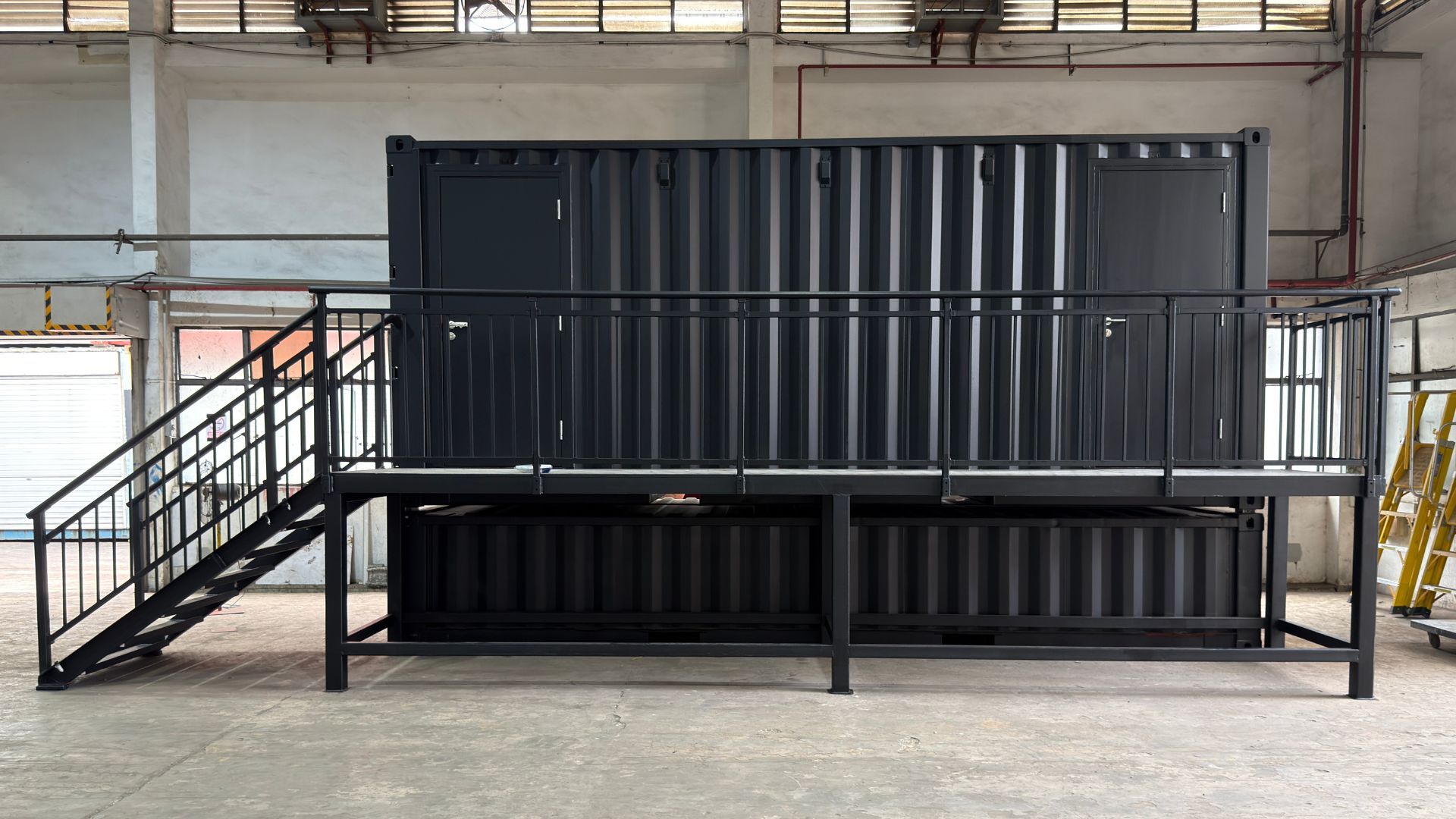
Container mobile toilet units provide a larger, modular alternative to individual portable toilet cabins. They are typically created by converting shipping containers or purpose-built modular structures into temporary washroom facilities.
Depending on the design, these units may include multiple toilet cubicles, urinals, wash basins, mirrors, lighting, ventilation and air-conditioning. Some configurations may also incorporate separate male and female facilities or additional shower areas.
These larger facilities can be considered for projects and events that require more extensive washroom arrangements or a higher level of interior fit-out. The available features depend on the supplier, container size and selected configuration.
Plumbing Specifications and Freshwater Connections
Container washrooms may require a connection to a suitable freshwater supply to operate toilets, urinals, wash basins and shower facilities. The required water supply and pipework depend on the number of fixtures and the design of the installation.
Wastewater may be directed through an approved sewer connection or managed using an appropriate holding and collection system. Some installations may incorporate pumps where the site layout or drainage arrangement requires them.
Electrical requirements also vary depending on the facilities included. Lighting, ventilation, air-conditioning and water heaters may require different electrical connections and capacities.
Before arranging installation, request the unit's technical specifications and confirm that the site can accommodate its water, wastewater and electrical requirements.
Unit Rental Rates and Waste Servicing Costs
Container-based washroom facilities generally involve different rental and installation considerations from individual portable toilet cabins. Costs may depend on the container dimensions, internal layout, number of fixtures, fit-out quality and included equipment.
Delivery and installation may also require specialised transport or lifting equipment, depending on the size and weight of the unit and the conditions at the site.
Ongoing expenses may include cleaning, waste collection, water consumption, electricity and maintenance of plumbing or electrical components. Larger facilities may also require more frequent cleaning or additional housekeeping arrangements depending on their usage.
When comparing suppliers, request an itemised quotation covering the rental period, delivery, installation, collection, utility connections and servicing requirements.
Site Footprint and Deployment Suitability
Container washrooms are available in different sizes and layouts, including configurations based on smaller modular structures and standard shipping container dimensions.
These facilities may be suitable for:
- Corporate events and exhibitions: Events where larger or more extensively fitted-out washroom facilities may be preferred.
- Long-term construction projects: Sites that require centralised washroom facilities for workers, contractors and visitors.
- Film and production locations: Temporary production sites where additional washroom capacity may be required.
Due to their size and weight, container washrooms require suitable delivery access and an appropriate installation area. Check ground conditions, lifting requirements, overhead clearance and connections to site utilities before arranging delivery.
How Do You Select a Portable Toilet Supplier in Singapore?
Choosing a suitable portable toilet supplier in singapore involves more than comparing rental prices. Businesses should consider the type of facilities available, waste management arrangements, maintenance services, delivery requirements and the supplier's experience with similar projects.
Different sites have different sanitation requirements. A small outdoor event may only need standard chemical toilets, while a longer-term construction project may require combined toilet and shower facilities or larger container-based washrooms.
Working with a supplier that offers different types of portable toilet units can make it easier to compare configurations and plan facilities according to the available site infrastructure.
Assessing Utility Access and Drainage Infrastructure
Before arranging a rental, assess the site's available water supply, electrical infrastructure, wastewater arrangements and delivery access.
If the site does not have a suitable water connection, self-contained units or alternative water storage arrangements may be worth considering. However, the absence of a fixed connection does not remove the need for an appropriate and compliant wastewater collection and disposal system.
For sites with access to the public sewerage system, a direct connection may be an option where the necessary approvals and plumbing arrangements are in place. In Singapore, PUB provides a notification process for works involving temporary sanitary and toilet facilities connected to the sewerage system. Regulated plumbing works must be carried out by a PUB Licensed Plumber where applicable.
Construction sites should also follow the relevant NEA requirements for sanitary facilities and wastewater management. Toilet facilities must be connected to a sewer or an appropriately approved holding tank or temporary septic tank, as applicable. Holding tanks and portable toilet facilities should be regularly maintained, and wastewater must not be discharged into watercourses.
Businesses should confirm the proposed arrangement with the relevant authorities and their appointed supplier before installation.
Evaluating Rental Durations Against Maintenance Frequencies
The rental period can influence which portable sanitation arrangement is most suitable. Short-term projects and outdoor events may benefit from self-contained units that can be delivered and positioned without extensive fixed plumbing work.
For longer-term projects, it may be worth comparing the cost of a direct sewer connection with the ongoing expenses associated with holding-tank collection and servicing. The most appropriate option depends on the available infrastructure, installation costs, rental duration and site requirements.
Maintenance frequency should also be considered when planning the rental. The number of users, expected daily usage, tank capacity and type of facility can all influence how often cleaning and waste collection are required.
Ask suppliers to recommend a servicing schedule based on the expected usage rather than relying on a standard schedule for every site. It is also useful to clarify how additional cleaning or waste collection can be arranged if usage increases.
Selection Matrix Based on Budget and Site Requirements
The following table provides a general comparison of different temporary sanitation options. Actual equipment specifications, utility requirements and servicing arrangements will depend on the selected model and site conditions.
| Restroom / Shower Type | Power Requirements | Water and Wastewater Arrangements | Servicing Considerations | Potential Applications |
|---|---|---|---|---|
| Standard Chemical Restroom | Depends on the model; many basic units do not require an external power connection. | May use an internal flushing reservoir and waste holding tank, with an approved waste collection arrangement. | Waste collection, cleaning and replenishment of consumables. | Roadworks, outdoor events and temporary construction areas. |
| Combined Toilet and Shower | May require power for water heating, lighting or other equipment. | May require a freshwater connection and an approved wastewater holding or sewerage arrangement. | Cleaning, waste management and maintenance of plumbing and heating equipment. | Construction sites, industrial projects and temporary worker facilities. |
| Direct-Connect Shower Cabin | Depends on whether water heating, lighting or other electrical equipment is installed. | May use a freshwater connection and an approved sewerage connection. | Regular cleaning, plumbing maintenance and inspection of connections. | Longer-term projects and sites with suitable utility infrastructure. |
| Container Washroom Unit | Depends on the installed lighting, ventilation, air-conditioning and water heating equipment. | May use a mains water connection and an approved sewerage or holding-tank arrangement. | Cleaning, waste management and maintenance of multiple fixtures and equipment. | Large construction projects, corporate events and production locations. |
Follow these steps when planning temporary sanitation facilities for your site:
- Assess available utilities: Identify the available water and electrical connections, wastewater arrangements and any limitations affecting installation.
- Estimate expected usage: Consider the number of workers, visitors or event participants and the likely level of daily use. Check the applicable requirements for the type of premises or worksite.
- Review site access: Check delivery routes, ground conditions, installation space and access for maintenance or waste collection vehicles.
- Confirm regulatory requirements: Check applicable NEA and PUB requirements, including the arrangements for sanitary connections, holding tanks and wastewater disposal.
- Request itemised quotations: Ask your portable toilet supplier in singapore to separate rental charges, delivery, installation, waste collection and routine servicing so that you can compare the available options.
Conclusion
Selecting suitable portable sanitation facilities involves considering the type of project, expected usage, available utilities and the level of facilities required. Standard chemical toilets may be suitable for straightforward temporary requirements, while combined toilet and shower cabins or container-based washrooms may offer additional facilities for larger or longer-term projects.
Before arranging a rental, compare the equipment specifications, installation requirements, wastewater arrangements and ongoing servicing costs. For projects in Singapore, it is also important to check the applicable NEA and PUB requirements to ensure that the proposed facilities and waste management arrangements are appropriate for the site.
Whether you need a single mobile toilet unit, multiple mobile toilet units or a more extensive temporary washroom setup, discussing your site requirements with an experienced supplier can help you identify a suitable arrangement.
Looking for a practical sanitation solution for your site or project? Contact OSG Containers today to explore our Toilet Container Solutions in Singapore and find an option that suits your requirements.