
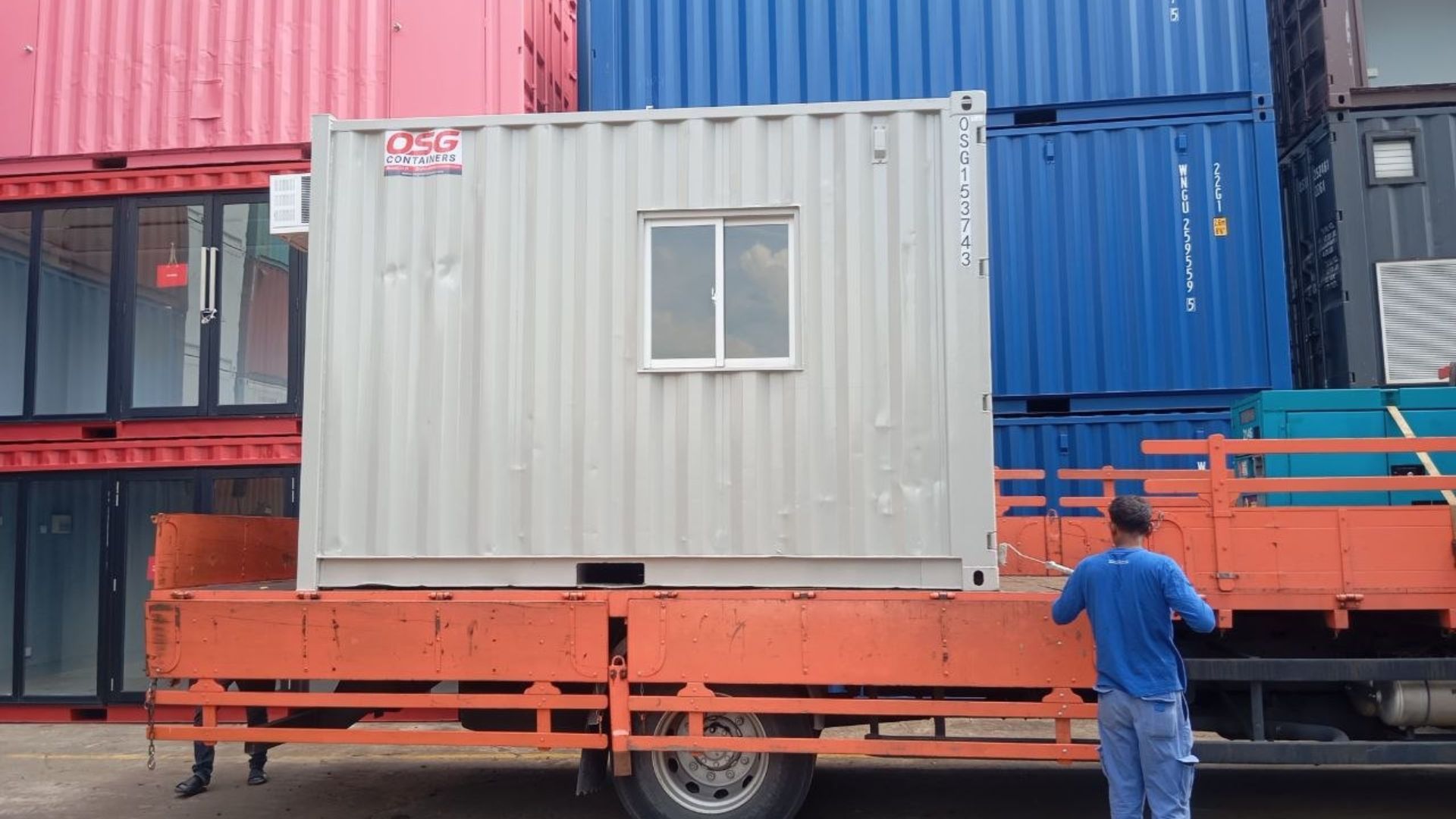
Shipping Container Offices: Features, Uses and Buying Guide
A shipping container office can provide a practical workspace for construction sites, engineering projects, industrial facilities and other locations that need additional or relocatable office space. Depending on the design and specification, a converted container may include insulation, lighting, electrical fittings, ventilation, air conditioning, windows and personnel doors.
When considering a shipping container office, assess how the space will be used, which features are required and what the site can accommodate. Comparing available configurations and confirming details with a supplier can help you choose an option that suits your project.
What Is the Difference Between a Container Office and a Traditional Site Cabin?
Container offices and traditional site cabins can both provide workspace away from a permanent office. Their construction, available layouts, transport arrangements and included features can vary.
A converted shipping container is based on a steel container shell adapted for office use. A site cabin may use a purpose-built frame and different wall and roof materials. Neither option is automatically suitable for every project, so consider the expected duration of use, site conditions, required layout, comfort and installation arrangements before deciding.
Access and Placement
The way an office is delivered and positioned depends on its design, the delivery vehicle and the site layout. Some units may be placed close to ground level, while others may require steps, ramps or additional access arrangements.
Before delivery, confirm the space needed for the unit and vehicle, the condition of the placement area, and any access or accessibility requirements. Ask the supplier whether site preparation or additional equipment will be needed.
Construction and Durability
A steel container shell can provide a robust base for a converted workspace, but the condition and performance of the finished office depend on factors such as the original container, conversion work, maintenance and exposure to the elements.
If you are comparing office options, ask about the construction, protective coatings, doors, windows, insulation and maintenance requirements. Inspect the unit or request relevant condition information, particularly when considering a used container.
How Can an Office Shipping Container Be Made Comfortable?
An unmodified steel container may not provide the indoor conditions required for regular office use. The suitability of a converted unit depends on its design, local climate, ventilation and intended occupancy.
Insulation and Interior Finishes
Depending on the specification, office conversions may include wall and ceiling insulation, interior lining and finished flooring. These features can help create a more suitable indoor environment, although the result depends on the materials and installation quality.
Ask the supplier what insulation and interior finishes are included, and whether the configuration is suitable for the conditions in which the office will be used. Requirements may differ for short visits, regular staff use or work involving equipment that generates heat.
Ventilation and Temperature Control
Some office containers can be fitted with air conditioning, ventilation and other climate-control features. The appropriate setup depends on the unit's size, occupancy, equipment and local conditions.
Confirm which systems are included and what is needed to operate them. Ask about ventilation, maintenance and any power requirements rather than assuming all converted units offer the same performance.
What Should You Check When Buying Used Office Containers?
Used office containers may be worth considering when their condition and configuration meet your requirements. Their suitability depends on the history of the unit, the quality of any previous conversion and the maintenance it has received.
Inspecting the Container and Interior
Where possible, inspect the unit before purchase or request clear photographs and condition details. Check the exterior and interior for visible corrosion, dents, leaks, damaged flooring and signs of moisture. Open and close the doors and windows, and check that the fittings included in the sale are present and working.
Pay attention to the floor, roof, corners, door frames and any areas modified during the conversion. If you have concerns about structural condition, electrical installations or other technical aspects, seek an appropriate professional assessment before committing.
Doors, Windows and Security
The doors, windows and locking arrangements can differ between models and conversions. Consider the level of access control your site requires and ask which security features are included.
If the office will be used at a site with limited supervision, discuss suitable locks, shutters or other security options with the supplier. No configuration should be assumed to prevent every form of unauthorised access.
Are Office Containers for Sale Suitable for Your Project?
Office containers for sale can come in different sizes and configurations. Depending on availability, options may include open-plan workspaces, divided offices, storage-and-office combinations or units with additional facilities.
Before choosing a unit, consider the number of people who will use it, the furniture and equipment required, the need for separate work areas, and the space available at the site. A layout that works for a small team may not suit a larger group or a project that requires private meeting areas.
Choosing a Size and Layout
Container offices may be available in a range of lengths and internal layouts. The usable space depends on the unit's dimensions, wall and ceiling finishes, partitions and installed equipment.
Ask for the external and internal dimensions, door and window positions, and a floor plan where available. Check that the proposed layout can accommodate desks, storage, circulation space and any equipment needed for daily operations.
Buying or Renting
Whether to buy or rent depends on the expected project duration, how often the office may need to be moved, available budget and the level of flexibility required.
Contact us today about our Office Containers in Singapore NOW!
Buying may suit organisations that expect to use a unit across multiple projects, while renting may be appropriate when the need is temporary or the required configuration may change. Compare the terms offered by suppliers, including delivery, collection, maintenance responsibilities and any conditions that apply when the unit is moved or returned.
Consider more than the headline purchase or rental amount. Review the services included, site preparation, transport, utilities, ongoing upkeep and the terms of the agreement.
What Utilities and Connections Might an Office Container Need?
The utilities required by a container office depend on its fit-out and the facilities installed. Some units may include lighting, power outlets, air conditioning or plumbing, while others may require additional work before they can be used.
Electrical Requirements
Confirm which electrical fittings are supplied and what connection is required at the site. Power needs can vary depending on the lighting, climate-control equipment, office devices and other installed systems.
Ask the supplier for the relevant specifications and clarify who is responsible for installation and connection. Electrical work should be assessed and completed by appropriately qualified professionals in accordance with applicable local requirements.
Plumbing and Bathroom Facilities
Some configurations may include a toilet, washbasin or other plumbing features. Availability and connection requirements vary by unit.
If plumbing is needed, confirm the water supply, wastewater arrangements, installation requirements and any site approvals that may apply. Do not assume a unit with a bathroom can be connected at every location without additional preparation.
How Should You Prepare the Site for Delivery?
Site requirements depend on the container's dimensions and weight, the delivery method and the location where it will be placed. Discuss these details with the supplier before scheduling delivery.
Placement Area and Ground Conditions
The placement area should be suitable for the unit and its support requirements. Ask the supplier what ground conditions and support arrangements are appropriate, and clarify who is responsible for site preparation.
Consider drainage, surface level, access for maintenance and whether the location is suitable for the intended period of use. Requirements can vary, so check the particular unit and site rather than relying on a general specification.
Vehicle Access and Clearance
Check that the delivery vehicle can reach the intended location and has enough space to manoeuvre and position the unit. Entrances, turning areas, overhead obstructions and nearby structures may affect the delivery plan.
Provide accurate site measurements and photographs to the supplier in advance. Ask whether a site assessment is recommended and whether access restrictions could affect the delivery method.
What Should You Check When the Office Container Arrives?
Inspect the unit against the agreed specification and record any visible issues before accepting delivery, where possible.
- Inspect the exterior and interior. Look for visible damage, corrosion, leaks, moisture or other issues that may affect its intended use.
- Check doors and windows. Confirm they open and close properly and that the agreed locks and fittings are present.
- Review the interior. Check the floor, walls, lighting and other features included in the order.
- Confirm installed equipment. Check the presence of agreed electrical, climate-control or plumbing features, where applicable.
- Document any concerns. Take dated photographs and report issues to the supplier in writing.
Keep copies of the order, specifications, handover documents and related correspondence. Recording the condition of the unit at delivery can help clarify any concerns later.
Frequently Asked Questions
What Is the Difference Between a Container Office and a Site Cabin?
Both can provide temporary or relocatable workspace, but their construction, insulation, layout and included features may differ. Compare the specific units available and consider your site conditions, intended use and installation requirements before choosing.
How Long Can a Shipping Container Office Be Used?
The usable life of an office container depends on the condition of the original shell, the quality of the conversion, exposure to weather and ongoing maintenance. Ask the supplier about the unit's history, condition and maintenance requirements rather than relying on a fixed lifespan.
What Power Supply Does an Office Container Need?
Power requirements depend on the unit's installed equipment and the facilities you plan to use. Confirm the specifications with the supplier and arrange for a qualified professional to assess the site connection against applicable local requirements.
Can a Shipping Container Be Converted into an Office?
A container may be adapted for office use through a suitable conversion, which can involve openings for doors and windows, insulation, interior finishes, lighting, electrical fittings and optional climate-control or plumbing features. The design should be assessed for the intended use, site conditions and applicable requirements.
Choosing an Office Container for Your Project
When comparing office shipping containers, focus on the intended use, available space, internal layout, insulation, utilities, site access and the condition of the unit. Clarify which features and services are included, and confirm any installation or connection requirements before making a decision.
Whether you are exploring new configurations or used office containers, reviewing the specifications and asking the supplier clear questions can help you assess which option best fits your project.
If you are considering office containers for sale, contact our team to discuss your workspace needs, site constraints and preferred configuration.