
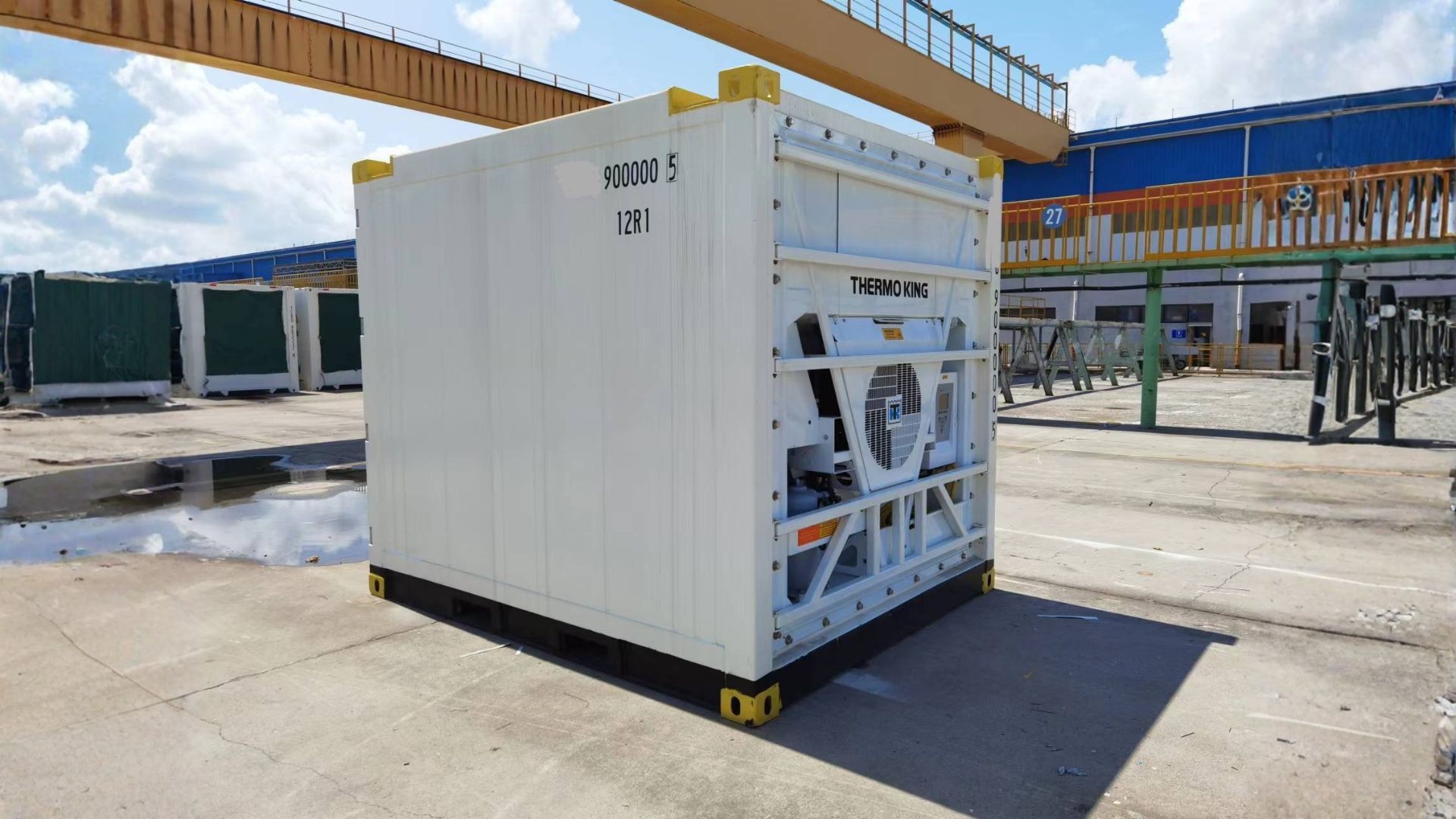
Rent Freezer Container Storage Without the Guesswork
Renting a freezer container involves more than choosing a storage size. Businesses need to consider the type of goods being stored, required temperatures, available power supply, airflow, and site conditions. Taking these factors into account can help reduce operating issues and support more reliable cold storage, particularly during seasonal demand, facility renovations, or temporary increases in inventory.
When businesses rent freezer container units, the right solution depends on their storage requirements and operating environment. A unit suitable for holding pre-frozen goods may not be the best choice for rapidly freezing products, while an installation that works well at one site may require different preparations at another. Understanding these differences before arranging delivery can help businesses make a more informed decision.
How Can Storage Requirements Affect Cold-Chain Performance?
Refrigerated storage relies on maintaining suitable temperatures while managing heat entering the container and heat introduced by incoming goods. The performance of a refrigeration system can vary depending on ambient conditions, loading practices, insulation, and the characteristics of the stored products.
Rather than choosing a container based on internal volume alone, businesses should consider how it will be used and what conditions the cargo requires.
How Do Ambient Temperatures and Incoming Goods Affect Cooling?
Outdoor temperatures, sunlight exposure, and frequent door openings can influence the cooling demands of a refrigerated container. These factors may be particularly relevant in Singapore, where warm and humid conditions can affect refrigeration performance.
Incoming goods also play an important role. Products that have already been chilled or frozen generally place different demands on a storage unit than goods entering at warmer temperatures.
Standard refrigerated containers are commonly used to maintain the condition of suitably pre-cooled cargo. Where products need to be frozen rapidly, a purpose-built freezing solution may be more appropriate.
Before choosing a unit, consider:
- Product temperature: Determine the required storage temperature and the condition of the goods when they arrive.
- Ambient conditions: Consider the container's location, exposure to sunlight, ventilation around the refrigeration equipment, and frequency of access.
- Cooling requirements: Check whether the unit is intended for chilled storage, frozen storage, or a more demanding freezing process.
- Operating conditions: Discuss expected loading patterns and door-opening frequency with the rental provider.
Selecting equipment that suits the intended application can help reduce unnecessary strain on the refrigeration system and support more consistent storage conditions.
How Does Storage Layout Affect Air Circulation?
The way goods are arranged inside a freezer container can influence how evenly cooled air circulates. Overloading the unit or placing products too close to walls, air outlets, or return-air paths may restrict circulation and contribute to uneven temperatures.
A container's advertised volume does not necessarily represent the amount of space available for practical storage. Access routes, pallet dimensions, loading equipment, and airflow requirements can all affect usable capacity.
When planning your storage layout, consider the following:
- Pallet arrangement: Check how many pallets can fit based on their dimensions, orientation, and the available loading space.
- Airflow clearance: Follow the manufacturer's recommendations for spacing around walls, ceilings, and air distribution points.
- Door access: Confirm that the opening dimensions are suitable for your pallets, handling equipment, and delivery process.
- Weight distribution: Consider the combined weight of the cargo and any concentrated loads created by handling equipment.
When businesses rent freezer container units without planning the layout, they may find that the available space is less practical than expected. Discussing pallet arrangements and loading procedures in advance can help make better use of the container while allowing adequate air circulation.
Why Consider a Refrigerated Container Instead of Smaller Freezers?
Commercial chest freezers, upright freezers, and refrigerated containers serve different purposes. Smaller freezers may be suitable for limited quantities of goods, while a refrigerated container can offer a larger, consolidated storage area for businesses handling higher volumes.
For warehouses, food businesses, distributors, and other operations with changing storage demands, refrigerated container rental may provide a practical option without requiring permanent cold-room expansion.
What Are the Limitations of Commercial Chest and Upright Freezers?
Commercial freezers are available in a range of capacities and configurations. They can work well for smaller storage requirements, but using multiple units for larger inventories may create additional demands on floor space, stock organisation, and daily handling.
Frequent door openings can also introduce warm, humid air, potentially contributing to frost formation and temperature fluctuations. The extent of these effects depends on the equipment, operating environment, and how the freezers are used.
Businesses considering a larger storage arrangement should compare the total capacity, operating requirements, accessibility, and ongoing costs of their existing equipment against those of a refrigerated container.
How Does Air Circulation Differ Between Storage Solutions?
Refrigerated containers are generally designed to circulate cooled air throughout a larger enclosed space. Many use specialised flooring and air distribution systems to help move air around appropriately arranged cargo.
Smaller commercial freezers use different circulation arrangements suited to their design and intended application. Neither type is automatically suitable for every load; the best option depends on the product, storage volume, loading pattern, and required temperature.
The following table provides a general comparison. Actual performance and specifications vary by model.
| Storage solution | Typical application | Key consideration |
|---|---|---|
| Commercial chest freezer | Smaller quantities of frozen goods | Available capacity and ease of access |
| Commercial upright freezer | Organised storage in a compact footprint | Shelf arrangement and door-opening frequency |
| Standard refrigerated container | Larger-scale chilled or frozen storage, depending on configuration | Temperature range, usable space, and power requirements |
| Blast freezing container | Applications requiring rapid freezing | Product-specific freezing time and cooling capacity |
| Ultra-low-temperature storage | Specialised products requiring very low temperatures | Required setpoint, temperature stability, and equipment compatibility |
For businesses handling large quantities of perishable goods, a suitable industrial storage solution may make inventory management more straightforward. However, the equipment should be selected according to the actual application rather than storage volume alone.
How Do You Choose the Right Freezer Container for Your Cargo?
Choosing a freezer container starts with understanding what you intend to store and how the goods will be handled. Different products can have different temperature requirements, and some applications may need more specialised refrigeration equipment.
Before arranging a freezer container rental, consider the following questions:
- What products will be stored?
- What temperature range must be maintained?
- Will the goods arrive already chilled or frozen?
- How much stock needs to be stored at one time?
- How frequently will the container be loaded and unloaded?
- Are temperature monitoring or additional records required?
Answering these questions can help narrow down the available options and make discussions with a rental provider more productive.
What Is the Difference Between Standard Reefers, Blast Freezers, and Ultra-Low Storage?
Standard refrigerated containers, blast freezers, and ultra-low-temperature systems are designed for different operating requirements.
Standard refrigerated containers are commonly used to maintain chilled or frozen goods within the operating range supported by the particular unit. They may be suitable for temporary storage during peak periods, renovations, or changes in warehouse capacity.
Blast freezing containers are designed for applications that require products to be frozen more rapidly. Their suitability depends on factors such as product type, quantity, packaging, initial temperature, and the required freezing time.
Ultra-low-temperature systems are intended for specialised applications requiring temperatures below those typically used for conventional frozen storage. Not every refrigerated container supports these conditions, so the required temperature range should be confirmed with the supplier.
The temperature range, cooling capacity, energy consumption, and operating limitations can vary considerably between models. Request the relevant equipment specifications before making a decision, particularly when handling temperature-sensitive food, pharmaceutical products, or biological materials.
How Should You Assess Internal Dimensions and Floor Capacity?
A container's internal dimensions and advertised volume are useful starting points, but they do not tell the whole story. Businesses also need to consider cargo weight, pallet size, handling equipment, access requirements, and the distribution of loads across the floor.
For example, dense products may reach the container's permitted payload or floor-loading limits before all the available volume is occupied. Similarly, handling equipment may impose concentrated loads that need to be considered separately from the total cargo weight.
When comparing units, ask the rental provider to confirm:
- Internal dimensions and practical storage capacity.
- Maximum payload and applicable floor-loading limits.
- Suitability for pallet trucks or other handling equipment.
- Flooring and access arrangements.
- Available internal lighting and safety features.
The specifications of the actual container should guide the decision. Avoid relying on a general capacity figure when the weight, dimensions, or handling requirements of your cargo are unusual.
How Do You Prepare Your Site for a Freezer Container?
Site preparation can influence how easily a container is delivered, installed, and operated. Before delivery, businesses should consider the available space, access for transport vehicles, ground conditions, electrical infrastructure, and any restrictions imposed by the premises.
A preliminary site assessment can help identify potential issues before equipment arrives and reduce the likelihood of installation delays.
What Electrical Supply Does a Refrigerated Container Need?
Refrigerated containers generally require a suitable electrical supply to operate their refrigeration equipment. The precise requirements depend on the unit's design, power rating, and configuration.
In Singapore, the nominal electricity supply is typically 400 V for three-phase power and 230 V for single-phase power, at 50 Hz. However, these figures should not be treated as confirmation that a particular container can connect directly to the available supply.
Some units may require a dedicated three-phase connection and a compatible industrial plug or socket. Others may have different specifications.
Before arranging delivery, confirm the following with the rental provider and a suitably qualified electrical professional:
- The container's rated voltage, frequency, current, and power requirements.
- Whether the available supply is compatible with the equipment.
- The required socket, cabling, circuit protection, and isolation arrangements.
- Whether the existing electrical installation can accommodate the expected load.
- Whether additional electrical work or approvals are necessary.
Avoid assuming that a standard wall outlet will be sufficient. Electrical compatibility should be confirmed before installation, and any connection work should be carried out by appropriately qualified personnel.
How Should You Assess Ground Conditions and Placement?
A suitable installation area should provide adequate support for the container and allow safe access for delivery, loading, and maintenance.
Depending on the container's size and loaded weight, the site may require a properly prepared hardstanding surface or other suitable foundation. Ground conditions, drainage, and the distribution of support points should be considered before placement.
Useful preparation steps include:
- Assess the ground: Confirm that the proposed surface can support the container and its intended load.
- Check level and support: Follow the supplier's instructions for supporting and levelling the container.
- Allow sufficient access: Consider delivery vehicles, lifting equipment, door clearance, and space for loading and unloading.
- Review drainage: Avoid locations where standing water could affect access or expose electrical components to unsuitable conditions.
- Check site restrictions: Confirm any applicable property, building-management, land-use, or installation requirements.
For sites in Singapore, outdoor placement may also require consideration of weather exposure, rainwater drainage, and the surrounding environment. The appropriate preparation will depend on the site and the equipment being supplied.
Discuss the proposed location with the rental provider before delivery so that any necessary site work can be identified in advance.
How Do You Monitor Temperature and Maintain Cold-Chain Conditions?
Installing a refrigerated container is only one part of managing cold storage. Businesses should also consider how temperatures will be monitored, how deviations will be identified, and how equipment condition will be maintained throughout the rental period.
The appropriate monitoring and record-keeping arrangements depend on the goods being stored, the equipment, and any applicable business or regulatory requirements.
How Can Temperature Monitoring Help?
Some refrigerated containers offer digital temperature displays, data logging, remote monitoring, or alarm functions. Depending on the system, these features can help operators review temperature conditions and identify potential issues.
Available monitoring features vary between models, so businesses should confirm what is included with the rental.
When reviewing temperature-monitoring options, consider:
- Temperature records: Whether the system records readings over time and allows records to be retrieved when needed.
- Alerts: Whether the equipment supports alarms for temperature deviations or power interruptions.
- Monitoring frequency: Whether the available readings are suitable for the sensitivity of the stored products.
- Calibration: Whether relevant temperature sensors are maintained and calibrated as required.
- Backup procedures: What steps should be taken if the refrigeration system or monitoring equipment stops working.
For sensitive goods, temperature monitoring should be considered alongside appropriate operating procedures and product-specific storage requirements. A display reading alone may not establish that every item in the container has remained within the required temperature range.
Businesses storing food in Singapore should also check the applicable Singapore Food Agency (SFA) requirements. Licensed food establishments may need approval before using reefer containers for temporary food storage, depending on the circumstances. Requirements should be confirmed with SFA before the arrangement is put into use.
What Should You Consider for Noise and the Surrounding Environment?
Refrigeration equipment can produce noise and vibration while operating. The level experienced at a particular site depends on the equipment, its condition, placement, surrounding structures, and operating conditions.
This may be worth considering when a container is positioned near offices, residential properties, neighbouring businesses, or other noise-sensitive areas.
Before installation, ask the supplier about the equipment's noise characteristics and consider whether its location could affect nearby occupants. Where necessary, investigate suitable placement or noise-mitigation measures.
In Singapore, applicable noise requirements depend on the type of premises and circumstances. Do not assume that a particular container will comply with all site requirements based on a general noise figure alone.
Why Are Routine Maintenance and Equipment Checks Important?
Regular equipment checks can help identify potential issues and support reliable refrigeration performance throughout the rental period.
Maintenance requirements vary according to the equipment model, operating environment, usage, and supplier recommendations. In warm or dusty environments, for example, condenser cleanliness and adequate ventilation may deserve particular attention.
Before finalising a refrigerated container rental, discuss the following with the provider:
- Recommended maintenance and inspection intervals.
- Responsibility for routine servicing during the rental period.
- How equipment faults should be reported and assessed.
- What procedures apply if the unit cannot maintain the required temperature.
- Whether replacement equipment or alternative storage arrangements are available if necessary.
It is also useful to understand the terms of the rental agreement, including maintenance responsibilities, service arrangements, and any applicable charges.
Contact us today about our Reefer Containers NOW!