
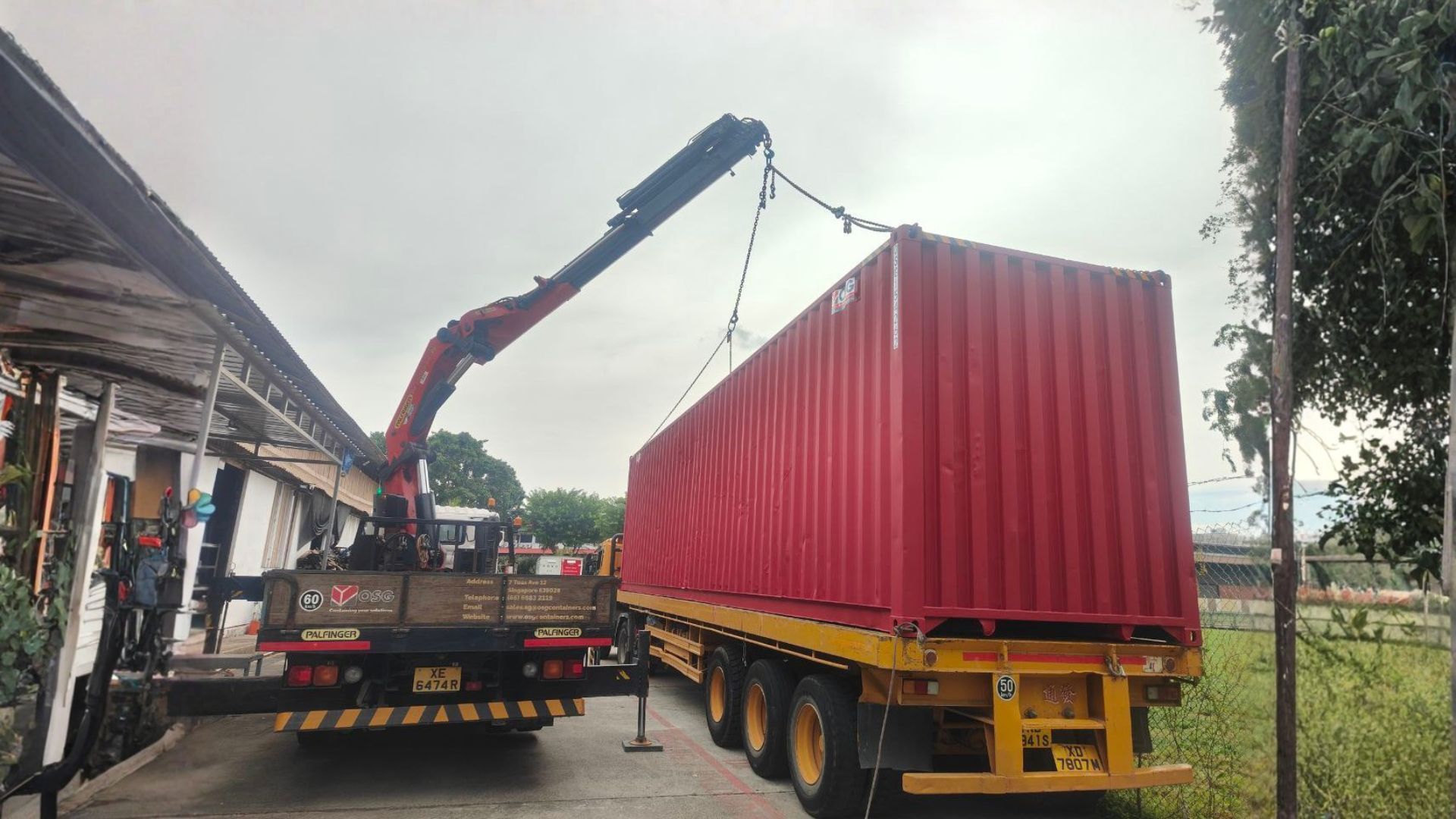
Container Haulage vs Lorry in Container Trucking Singapore
Container trucking Singapore operations move freight between port terminals, industrial parks, and commercial warehouses using prime movers or rigid lorries. Container haulage utilizes articulated chassis to transport standard twenty-foot to forty-five-foot ISO shipping containers directly from berths, whereas rigid container lorries handle broken-down pallet cargo across congested urban routes with restricted dock clearances.
Choosing the wrong road transport asset between Singapore port terminals and your distribution warehouse silently drains your operating margins through wasted handling fees, detention penalties, and slow bay turnaround. Moving cargo across the island requires matching your freight to the right vehicle platform, whether that means hauling a heavy twenty-foot sealed shipping box directly off a container terminal or running pallet loads through compact commercial loading docks. Making that choice demands a clear assessment of how chassis-based prime movers and rigid distribution vehicles operate under local transport regulations.
How Do Fleet Options Differ in Container Trucking Singapore?
Fleet options in container trucking Singapore differ primarily by chassis design, separating articulated prime movers that tow detachable shipping trailers from rigid lorries built on a single, fixed vehicle frame.
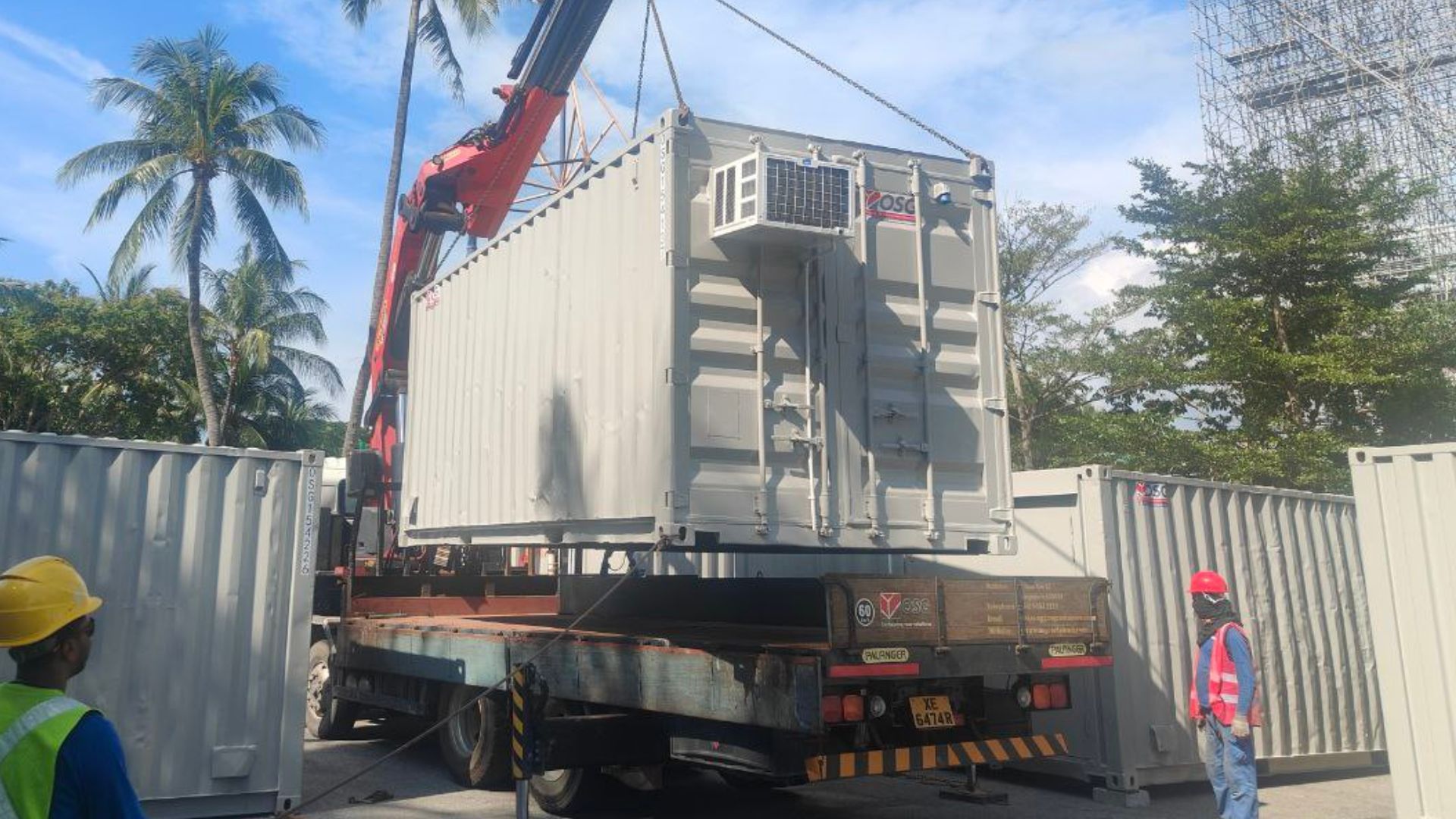
Operating a predictable supply network requires understanding where heavy port equipment ends and urban transport begins. When you manage import or export schedules across the island, selecting between full-box transport and multi-stop road freight determines both your turnaround speed at the bay and your overall land-transport costs across the year.
Key Operational Differences
The primary division within container trucking singapore operations lies between articulated prime movers pulling modular trailers and fixed-chassis commercial vehicles. Articulated hauliers decouple the motorized tractor unit from the chassis, which means a single driver can drop a loaded trailer at your factory dock, pick up a previously discharged empty box, and depart immediately without waiting around for warehouse staff to unload the cargo. A rigid vehicle keeps the cargo body, cab, and running gear permanently united on one frame, requiring the entire vehicle and driver to remain stationary at your dock throughout the un-stuffing process.
Cargo Compatibility Factors
Cargo profile dictates vehicle assignment long before your shipment arrives at the berth. If your goods travel inside an international intermodal box that must remain sealed under customs bond until delivery, moving that box intact on a chassis is the only sensible choice. Conversely, when your incoming cargo consists of loose cartons, mixed SKU pallets, or cargo destined for commercial buildings that lack marine-grade dock levellers, you must break bulk at a consolidation point and transfer the freight into an enclosed urban delivery vehicle.
What Are the Core Capabilities of Container Haulage?
Container haulage capabilities center on moving full, sealed ISO shipping containers directly from port terminals to industrial sites using heavy prime movers and specialized skeletal chassis.
Heavy port moves demand equipment capable of handling high gross vehicle weights over short, intensive transit cycles between berths and regional hubs. Prime movers dedicated to container haulage form the backbone of industrial supply chains across Singapore, moving cargo directly from ship-to-shore cranes to production gates without intermediate repackaging.
Standard and Heavy Chassis Specifications
Articulated haulage fleets rely on dedicated skeletal trailers built to secure standard ISO freight containers using heavy-duty twist locks. Operators run twenty-foot, forty-foot, and forty-five-foot skeletal trailers, alongside specialised low-bed and flatbed platforms engineered for high-cube containers and heavy out-of-gauge equipment. When you move cargo loaded into forty-foot open-top or flat-rack equipment, skeletal trailers support wide-track configurations that keep high-center-of-gravity industrial equipment, heavy machinery, and structural fabrications stable throughout highway transit.
Port-to-Door Container Movements
Direct port-to-door transit moves laden import containers straight from port quay cranes to industrial yards, eliminating double-handling and reducing cargo damage risk. This mode handles both laden and unladen containers, returning empty boxes directly to designated shipping line container yards or inland depots to stop detention charges from accruing. Consignees with dedicated loading bays can request trailer-dropping services, leaving the loaded chassis grounded on landing legs at the dock while the haulier redeploys the prime mover on secondary collection jobs elsewhere.
Restricted Zone Access and Route Compliance
Haulage operations frequently involve navigating tightly regulated industrial zones that require specialised driver clearances, permits, and vehicle certifications. Entering chemical refineries on Jurong Island or accessing military restricted locations requires hauliers to hold valid security gate passes, adhere to designated vehicle routes, and comply with strict site safety regulations. Professional hauliers manage the necessary access clearances and documentation before booking terminal collection slots, preventing costly vehicle rejections at island checkpoints.
When Should You Deploy a Container Lorry for Local Distribution?
You should deploy a container lorry when delivering palletized or loose cargo to commercial buildings, retail properties, and older industrial estates that have tight turns, low overhead clearances, or lack loading docks.
While prime movers dominate primary port logistics, rigid vehicles handle the practical realities of urban transport across Singapore's commercial centers. Running a heavy container lorry across city expressways and into constrained industrial parks solves the operational challenges that prevent full-sized tractor-trailers from completing store-door deliveries.
Rigid Lorry Sizing from 10ft to 28ft
Fleet operators provide rigid platforms across a wide spectrum of body lengths to match diverse cargo footprints:
- 10ft and 14ft lorries deliver light industrial goods, small machinery parts, and boxed items into restricted basement bays where tight vehicle ramp angles prevent larger trucks from entering.
- 18ft and 24ft lorries carry medium-weight palletized freight, raw manufacturing inputs, and commercial food consignments across business parks and suburban logistics clusters.
- 28ft heavy lorries maximize volume capacity for bulky consumer goods, oversized crated items, and high-cube dry goods, bridging the payload gap between intermediate trucks and articulated trailers.
Urban Delivery and Dock Accessibility
Older flatted factories and modern multi-tenanted commercial developments often feature tight basement ramps, severe overhead height clearances, and shallow turning aprons that cannot accommodate a forty-foot articulated chassis. Rigid vehicles solve this access bottleneck through lower overall vehicle heights, smaller turning circles, and hydraulic tail-gates that unload palletized consignments without an elevated loading dock. Drivers maneuver these vehicles directly into basement loading docks at retail hubs and office towers, keeping goods moving through urban cores without blocking internal traffic lanes.
Turnaround Times for General Freight
Urban delivery runs depend on aggressive bay cycling and high driver flexibility. A rigid vehicle performs multiple customer deliveries across an industrial estate on a single route, using side-opening canvas curtains or rear roller doors to access individual consignments rapidly. This operational agility lowers your cost per drop for mixed-SKU inventory, providing an efficient alternative when cargo volumes do not justify chartering a dedicated prime mover and trailer chassis.
How Do Container Trucking Services in Singapore Compare Across Core Metrics?
Container trucking services in Singapore divide by vehicle class, balancing direct heavy intermodal container transit on chassis trailers against smaller, agile multi-stop runs on rigid lorries.
| Operational Metric | Container Haulage (Prime Mover) | Container Lorry (Rigid Fleet) |
|---|---|---|
| Payload Capacity | Full standard ISO container payloads (20ft, 40ft, 45ft) | Scaled commercial payloads across 10ft to 28ft platforms |
| Standard Cargo Types | 20ft, 40ft, 45ft ISO containers, flat racks, reefers | Loose pallets, crated items, mixed cartons |
| Site Physical Access | Requires wide turning radii and container yards | Navigates narrow ramps and low-clearance bays |
| Terminal Connection | Direct collection from port berths | Requires de-stuffing at depot or cross-dock hub |
| Offloading Method | Elevated dock leveller or mobile crane lift | Manual offload, tail-lift, or light forklift |
Reviewing these transport characteristics helps you match your shipping volume to the right road platform, especially when commissioning full container trucking services in singapore for integrated manufacturing operations.
Payload and Dimension Thresholds
Articulated prime movers support the maximum allowable gross container weights under local road safety frameworks, handling twenty-foot and forty-foot boxes across heavy industrial runs. Rigid transport platforms provide lower payload limits across ten-foot to twenty-eight-foot configurations. If you transport heavy base metals, dense building materials, or bulk commodities, articulated chassis moves avoid split-load penalties and deliver the lowest transport cost per freight tonne.
Handling Specialized and Dangerous Goods
Specialized industrial inputs require dedicated rolling stock built with targeted environmental controls and safety features:
- Dangerous Goods (CLASS/Hazmat): Hauliers operating certified hazardous material vehicles use compliant prime movers and trailers to move toxic chemicals, flammable gases, and corrosive liquids into Jurong Island petrochemical facilities.
- Refrigerated Containers (Reefers): Perishable food imports and pharmaceutical consignments require prime movers fitted with auxiliary motor generators to supply steady electrical power to container refrigeration units on the road.
- Over-Dimensional Cargo: Heavy machinery that exceeds standard container widths or heights moves securely on forty-foot flat-rack chassis or open-top equipment fitted with removable, weather-resistant tarpaulins.
- Bulk Liquid Transits: Operators pull dedicated ISO tanks on specialized chassis to transport food-grade liquids, industrial solvents, bitumen, and process lubricants across mainland industrial estates.
Cross-Docking and Depot Storage Integration
Transporting raw cargo from terminal gate to final store rarely follows an uninterrupted journey. When your warehouse dock lacks space to receive multiple full containers at once, hauliers divert incoming boxes to intermediate container yards for temporary chassis parking. At these inland depots, operators un-stuff full container loads, sort loose cargo over cross-dock platforms, and reload consignments directly onto rigid lorries for staged final-mile delivery, eliminating marine container demurrage fees while your inventory processes smoothly.
How Do You Choose a Container Trucking Company in Singapore?
To choose a container trucking company in Singapore, assess the carrier's fleet maintenance standards, restricted zone access clearances, real-time telematics tracking, and just-in-time delivery reliability.
Securing a responsive road freight partner requires looking beyond unit pricing to evaluate operational fleet resilience and driver scheduling precision. A haulier that cuts maintenance corners or operates without modern booking systems quickly exposes your business to production line stoppages and expensive port dwell fees.
Assessing Fleet Readiness and Maintenance
When you evaluate a container trucking company in singapore, inspect the age, upkeep, and variety of their rolling stock. Transport companies that maintain their own vehicle service workshops reduce unexpected highway breakdowns, keeping your inbound deliveries running on schedule even during peak port collection windows. A reliable haulier supports their prime mover fleet with auxiliary lifting gear, including truck-mounted cranes and mobile yard cranes that can offload awkward freight at receiver sites lacking overhead gantry cranes or heavy forklifts.
Evaluating Just-In-Time Scheduling Reliability
Just-in-time manufacturing models depend heavily on a carrier's ability to sync container terminal collection slots directly with scheduled warehouse receiving windows. Your transport partner should run connected vehicle telematics to monitor chassis movements in real time, alerting you to traffic congestion or terminal gate delays before supply chains stall. When you need to refine your port collections, review transport permits, or schedule heavy chassis moves, contact our logistics planning team to establish an efficient, dependable transport rotation for your freight.
Looking for Container Solutions in Malaysia?
Explore our range of shipping containers, storage solutions, and customised container spaces for commercial and industrial applications. Contact our team to find a suitable solution for your business needs.
Explore Our Container Solutions