Choosing a Container Office Singapore for Your Site
A container office Singapore build provides an instant, weatherproof workspace for construction sites, commercial yards, and industrial compounds. Built from standard twenty-foot or forty-foot steel shipping containers, these modular units arrive fully insulated, wired for electricity, and air-conditioned to handle tropical heat while satisfying local safety standards and tight project deadlines.
Setting up an administrative base on an active Singapore industrial plot presents immediate logistical hurdles, from unyielding ground conditions to intense tropical heat. Deploying a purpose-built workspace allows your team to supervise civil works, manage heavy deliveries, and coordinate engineering tasks directly from the field without waiting months for civil construction. Choosing the right layout, build grade, and procurement structure determines whether your site team stays productive or struggles with cramped conditions and soaring utility bills.
Standard New Container Office Builds
When you commit to multi-year operations across multiple locations, purchasing a standard new build delivers direct operational control and predictable structural integrity. We construct these portable units from factory-fresh ISO steel shells, which eliminates the structural fatigue and hidden frame corrosion often found in older retired freight boxes.
Structural Specifications and Interior Fittings
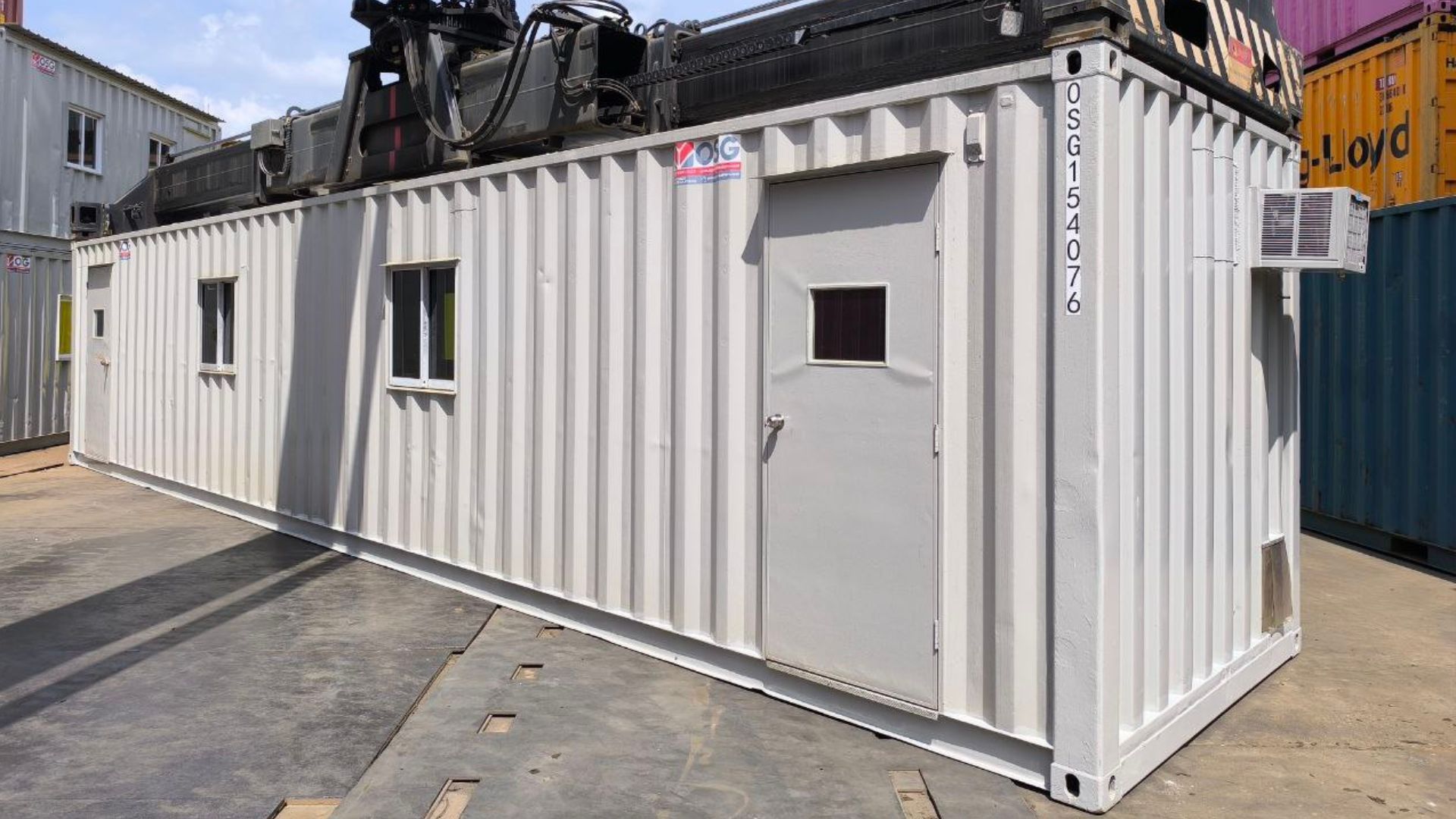
When commissioning a standard new container office Singapore site teams benefit from heavy-gauge corrugated corten steel side panels welded to structural corner posts, creating a self-supporting shell that resists severe weather. Factory fabricators cut openings for heavy-duty outward-opening steel doors and aluminum-framed sliding windows fitted with security grilles, then seal every exterior penetration with industrial polyurethane joints.
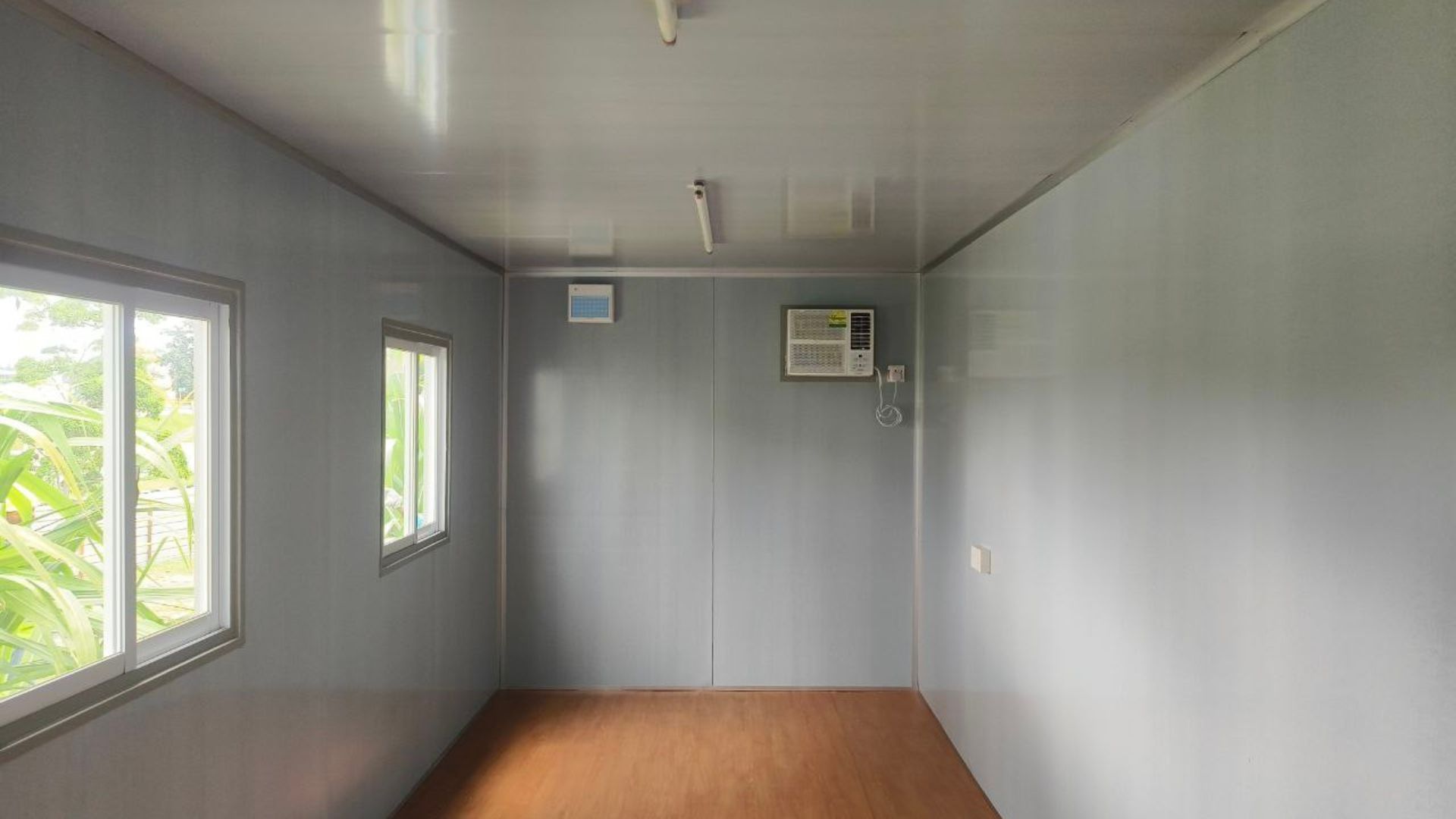
Inside, the steel ribs receive treated timber or light-gauge galvanised steel stud framing packed with dense rockwool or polyurethane insulation boards. This thermal barrier prevents solar radiation from turning the steel shell into an unmanageable heat trap during humid Singapore afternoons. Installers line the walls and ceiling with white composite panels or flame-retardant calcium silicate boards, laying heavy-duty vinyl sheets over the original marine-grade plywood subfloor to resist boots, dirt, and heavy office furniture.
- Core framework: High-tensile corten steel corner castings and corrugated panels that withstand intense monsoon rains and continuous outdoor exposure.
- Thermal control: Rigid fifty-millimetre insulation panels behind wall liners that drop cooling demands and ease the burden on internal air conditioning.
- Pre-installed electricals: Surface-mounted PVC trunking, dual three-pin power sockets, LED batten lights, and an integrated distribution board with earth-leakage breakers.
- Access points: Weatherproof exterior doors with deadbolts, paired with double-glazed sliding windows that keep out road dust and industrial noise.
Site Preparation and BCA Guidelines
Before you position a container unit on your site, you must create a level base that prevents racking of the steel frame and stops doors from sticking. Pouring continuous concrete strips or setting pre-cast concrete footing pads under the four corner castings distributes the load evenly across compacted soil or crushed hardcore.
Singapore Building and Construction Authority (BCA) guidelines mandate that temporary site structures adhere to strict structural stability, fire safety, and electrical safety codes. When you place a container on an active building plot, you must submit structural layout drawings and obtain the appropriate temporary building permit. Licensed electrical workers must also test and certify the consumer distribution board, earthing rods, and mains connection before your personnel occupy the space.
Cost Factors and Operational Suitability
Buying a brand new standard build carries a higher initial capital outlay than renting or buying secondhand equipment, but it gives you an asset you can use for a decade. The total price reflects the base container box, custom steel framing, thermal insulation packages, electrical rough-ins, and final delivery via lorry crane. For civil engineering contractors operating on five-year infrastructure cycles, purchasing new units eliminates recurring lease payments and gives your firm full freedom to redeploy the units to future worksites.
Architectural Customised Office Container Designs
Standard industrial boxes serve functional back-office needs, but public-facing operations demand striking designs, open interior spaces, and high-end architectural finishes. Customised modular designs let you transform industrial shipping containers into bright client reception areas, executive project suites, or multi-storey sales galleries.
Structural Specifications and Interior Fittings
When engineering an architectural office container Singapore developers frequently remove massive sections of corrugated steel side walls to fit full-height structural glass curtain walls and wide commercial sliding doors. Fabricators weld heavy hollow structural section (HSS) steel beams and stiffening columns around these oversized cutouts to restore the box's original load-bearing capacity and prevent roof sag.
Interior finishes mirror those of permanent commercial buildings. We install acoustic mineral-fibre drop ceilings to hide recessed LED downlights, run concealed conduits behind painted plasterboard walls, and install commercial-grade wood-grain vinyl planks across the floor. These architectural builds regularly incorporate dedicated meeting rooms, private executive cabins, fully plumbed dry pantries with quartz worktops, and internal self-contained washrooms equipped with low-flow sanitary fittings.
- Structural modification: Cutting structural openings and welding reinforced tubular steel jambs to support expansive glass window assemblies.
- Mechanical rough-ins: Running concealed copper refrigerant lines, fresh-water supply pipes, greywater drainage runs, and high-capacity electrical conduits.
- Architectural lining: Mounting smooth dry-lining boards, applying acoustic ceiling tiles, and painting interior surfaces with low-VOC moisture-resistant emulsion.
- Cabinetry and fixtures: Securing custom kitchenette cabinets, solid timber service counters, and architectural light fixtures to pre-reinforced backing studs.
Site Preparation and BCA Guidelines
Complex multi-container workspaces, especially multi-tier stacked layouts with external steel staircases and cantilevered mezzanine viewing decks, demand rigorous civil engineering ground preparations. Geotechnical engineers must evaluate the soil bearing capacity to design reinforced concrete pad footings capable of handling both dead structural loads and localized wind shear loads during tropical storms.
BCA submissions for architectural container installations require formal engineering endorsements from a qualified structural engineer. You must demonstrate compliant emergency egress paths, verified minimum stair widths, handrail heights, and appropriate fire-rated wall assemblies between separate office partitions. Singapore Civil Defence Force (SCDF) fire regulations also dictate emergency lighting, exit signage, and certified portable fire extinguisher stations at designated intervals.
Cost Factors and Operational Suitability
Architectural modifications demand skilled fabrication, structural engineering certifications, and premium internal components, which drives total investment well above standard unit prices. These units suit property developers running on-site sales galleries, marine engineering firms requiring commanding harbour offices, and industrial corporations building permanent administrative wings on short-lease industrial land. The premium expenditure buys you a distinctive corporate presence and a flexible workspace that relocates when your land lease expires.
Refurbished Reconditioned Container Units
If you need functional on-site shelter without paying the premium for new steel, refurbished units balance structural durability with fiscal prudence. We source high-grade used maritime freight boxes and convert them into dependable, clean, and secure work offices suited for demanding industrial environments.
Structural Specifications and Interior Fittings
Building a refurbished recon office container Singapore contractors rely on begins with a thorough structural check of a decommissioned cargo container. Technicians check the corner castings, bottom side rails, and floor crossmembers for rust or stress fractures, cutting away degraded steel and welding fresh patch plates directly into the corrugated profile.
Once the box passes inspection, teams clean the exterior steel with mechanical wire brushes or grit blasters to remove flaking paint and surface oxidation before applying heavy coats of zinc-rich primer and marine-grade polyurethane enamel. Inside, fabricators fit fresh timber framing, moisture-resistant insulation bats, and durable pre-finished plywood or PVC wall panels. Electricians install new surface-mounted power sockets, LED strip fixtures, and an air conditioning mounting bracket with an external security cage.
- Repaired steel envelope: Dents hammered out, seams resealed with high-grade marine caulk, and rusted wall panels replaced with welded corten steel patches.
- Corrosion protection: Industrial epoxy primer and tough exterior marine topcoats that halt rust formation in humid coastal worksite conditions.
- Durable internal lining: Washable PVC or plywood wall panels that resist scuffs from heavy work boots, tools, and construction gear.
- Refurbished flooring: Original hardwood floorboards treated against pests, sealed against moisture, and covered with heavy-duty commercial vinyl flooring.
Site Preparation and BCA Guidelines
Refurbished units require the same level support as new containers to ensure doors open smoothly and internal partition joints do not crack over time. A base of four solid pre-cast concrete blocks placed under the corner castings keeps the steel undercarriage off damp soil, which prevents standing water from rusting the exposed steel crossmembers.
When presenting a reconditioned unit for local site permits, your documentation must confirm that structural alterations have not compromised the box's original integrity. Singapore safety inspectors check closely for sharp metal edges, verified grounding connections, and certified circuit breakers. Working with an experienced vendor ensures that every secondhand frame conversion satisfies local workplace safety standards without causing handover delays.
Cost Factors and Operational Suitability
Reconditioned builds cost considerably less than brand-new units, making them the most economical path to asset ownership for budget-conscious subcontractors. They show minor cosmetic panel waves and surface variations from their past cargo lives, but their structural steel remains strong and watertight. We recommend reconditioned units for heavy civil sites, concrete batching plants, and scrap recycling yards where machinery moves nearby and pristine external paintwork would quickly suffer cosmetic damage.
Short-Term Container Office Rental Options
Short construction jobs, rapid emergency repairs, and sudden site expansions make purchasing equipment impractical. Short-term hire gives you access to functional office space instantly, turning large upfront capital purchases into manageable monthly operating expenses that match your project billing.
Structural Specifications and Interior Fittings
A standard unit provided for container office rental Singapore contracts arrives fully assembled, pre-wired, and ready for immediate connection to on-site power generators or distribution pillars. Rental fleets use durable standard twenty-foot layouts that balance interior desk space with simple transport logistics across Singapore's road network.
The interior arrives fitted with energy-efficient window-mounted or split-system air conditioning units sized to chill the container quickly despite continuous mid-day sun. Standard equipment includes durable vinyl sheet floors, pre-hung fluorescent or LED ceiling fixtures, twin power points distributed along each wall, and heavy steel security bars over the windows to safeguard company laptops and survey equipment overnight.
- Standardised 20ft layout: Space planned to house up to four desks, filing cabinets, and small plan-review tables comfortably.
- Integrated climate control: Pre-mounted air conditioners with washable filters that handle dusty construction environments without failing.
- Vandal-resistant fittings: External steel lockboxes over master door padlocks and fixed external window grilles that stop unauthorized entry.
- Fast hook-up points: Industrial external electrical inlet plugs that allow your site electrician to connect power within minutes of offloading.
Site Preparation and BCA Guidelines
Short-term rentals thrive on speed, requiring minimal ground preparation beyond a cleared, level plot of compacted earth or gravel hardstanding. You must keep the delivery access clear of low-hanging tree branches and overhead cables so a standard lorry crane can position the twenty-foot box safely.
Even for short rentals lasting only a few months, site safety officers must ensure the container rests outside moving plant machinery tracks and crane swing paths. The electrical connection must run through an approved industrial commando plug or hardwired isolator switch, complete with a dedicated earth spike driven into the surrounding ground to prevent electric shocks during wet weather.
Cost Factors and Operational Suitability
Short-term hires require a modest upfront deposit, transport mobilization fees, and flat monthly rental payments, which preserves your company's cash flow for daily operations. You avoid post-project storage headaches because the leasing vendor collects the unit the moment your job concludes. This arrangement serves general contractors running fast twelve-week fit-out jobs, events teams setting up temporary production offices, and facilities teams staging office renovations.
Extended Rental Agreements for Project Sites
When civil works, MRT line extensions, or industrial plant builds run between one and three years, standard month-to-month rentals become inefficient. Committing to an extended office container rental Singapore arrangement gives you lower monthly rental rates, dedicated fleet support, and the ability to customize layouts for long-term project teams.
Structural Specifications and Interior Fittings
Long-term hire containers often incorporate forty-foot designs or multiple twenty-foot boxes joined end-to-end to create collaborative engineering rooms, client meeting spaces, and dedicated safety induction rooms. Providers can install interior stud partition walls with sound-dampening insulation to separate noisy administrative desks from quiet project manager offices.
Because your team will occupy these units for years, interior fittings prioritize comfort, air quality, and low running costs. Vendors provide quiet inverter-driven split-unit air conditioners that consume less power, commercial carpet tiles or heavy-gauge slip-resistant vinyl, and modular data cabling ducts along the perimeter walls to link printers, local servers, and desktop workstations.
- Configurable layouts: Internal partition walls create private executive rooms, shared workstations, and secure storage areas within one continuous envelope.
- High-efficiency cooling: Inverter split air conditioning systems that run quietly and lower monthly power bills on metered site supplies.
- Structured cabling: Perimeter trunking separating high-voltage electrical lines from network data cables, preventing signal interference.
- Enhanced amenities: Options to integrate compact staff tea-prep pantries and small interior washrooms connected to external temporary holding tanks.
Site Preparation and BCA Guidelines
For deployments lasting several years, site engineers must pour semi-permanent concrete strip footings or place substantial steel distribution beams under the container's structural bearing points. Prolonged exposure to tropical downpours can soften unpaved soil, causing unanchored footings to sink unevenly and twist the container frame over time.
Longer site occupations require comprehensive BCA temporary building approvals, which typically carry an initial validity period that requires formal renewal if project timelines stretch. The site layout must incorporate permanent rainwater drainage channels around the container base to prevent ground pooling, alongside certified tie-down straps or base clamps to secure the structure against high storm gusts.
Cost Factors and Operational Suitability
Extended lease contracts drop the effective monthly fee by twenty to thirty-five percent compared to open monthly arrangements. The vendor remains responsible for maintaining the external shell, repairing air conditioners, and servicing structural fixtures throughout the lease. This procurement method suits main contractors managing multi-year civil works who want fixed operational costs without tying up working capital in heavy equipment assets.
Selecting the Optimal Workspace Option Based on Project Requirements
Selecting between buying new, purchasing refurbished units, or leasing depends on project length, available cash, site ground conditions, and your company's long-term operational plans. Matching the procurement method to your specific site parameters avoids project overspending and prevents space shortages halfway through a major job.
Comparing Capital Expenditure Against Rental Expenses
The choice between capital expenditure (buying an asset outright) and operational expenditure (renting an asset monthly) rests on duration and available capital. Buying standard new or refurbished containers demands significant cash upfront, but your cost per month drops toward zero once the asset pays for itself across several projects. Renting requires negligible opening capital, but cumulative rental fees eventually exceed the purchase price when a project drags past the two-year mark.
| Option Type | Initial Outlay | Setup Speed | Customisation Potential | Best Project Duration |
|---|---|---|---|---|
| Standard New Build | High | 2 to 3 weeks | Moderate (Internal fittings, lights) | 3+ years / Permanent |
| Architectural Custom | Very High | 4 to 8 weeks | High (Glass walls, layouts, pantries) | 2+ years / Permanent |
| Refurbished Recon | Moderate | 1 to 2 weeks | Moderate (Standard floor plans) | 2 to 5 years |
| Short-Term Rental | Low | 3 to 5 days | Low (Standard fleet specs) | 1 to 6 months |
| Extended Rental | Low to Moderate | 1 to 2 weeks | Moderate (Partitions, split ACs) | 6 to 36 months |
Evaluating Project Duration and Site Constraints
Assess your physical site constraints before locking in a container procurement contract. If your access road is narrow or surrounded by overhead power cables, delivering and placing multiple forty-foot units with a heavy mobile crane will prove difficult. In congested urban areas or tight factory compounds, standard twenty-foot units offer much easier delivery and placement.
Ground stability also dictates your procurement path. Rocky ground or poured concrete aprons can support heavy, multi-stacked architectural containers with minimal preparation. Conversely, soft marine clay or uncompacted fill land requires substantial concrete footings, driving up site preparation costs and making lighter, single-tier rental units the sensible choice.
Recommendation Matrix for Singapore Workspaces
If you run a heavy civil engineering contract lasting beyond three years with consecutive works planned across Singapore, buy a fleet of new standard units or durable refurbished boxes. You will absorb the initial purchase and transport costs over multiple jobs, maintain full ownership of your physical assets, and avoid continuous equipment rental fees.
For property developers building on-site show galleries, corporate regional offices, or customer-facing operations, an architectural custom build remains the correct strategic choice. The distinctive visual presence, bespoke glass facades, and comfortable interior finishes elevate your brand while delivering a functional, relocatable workspace.
When dealing with standard commercial construction, fast utility repairs, or projects running under twenty-four months, leasing is the superior option. Choose a short-term hire for fast three-month jobs to keep logistics lean, or negotiate an extended lease for two-year contracts to lock in lower monthly rates and offload air conditioning servicing, weather maintenance, and post-project disposal onto the equipment provider.
Frequently Asked Questions About Site Containers
How fast can you deploy a container office in Singapore?
Most standard container offices arrive on site within two to three weeks, depending on stock availability and customisation needs. Ready-made rental units can deploy even faster, often within three to five days once ground access and power hook-ups are arranged.
Are container offices in Singapore BCA compliant?
Yes, container offices can comply with Singapore Building and Construction Authority (BCA) guidelines. Standard builds follow established industry structural and electrical safety standards, while custom installations require structural drawings and formal temporary building permits endorsed by qualified engineers.
Can you rent or purchase an office container in Singapore?
Looking for a practical workspace for your construction site or business? Contact OSG Containers to explore our Site Office Solutions in Singapore, including portable offices, mobile offices and customised modular workspaces.