
How to Choose the Right Container Pop-Up Store in Singapore
A container pop-up store offers businesses a flexible way to create retail spaces, temporary shops, and promotional setups without committing to a permanent storefront. From product launches and seasonal markets to food and beverage operations, shipping containers can be customised to support different commercial activities.
However, choosing the right container involves more than selecting an attractive design. Location, customer footfall, available space, internal layout, and delivery requirements all influence how effectively a pop-up store can operate.
A well-planned setup should make it easy for customers to discover your business, approach your products, and interact with your team.
This guide explores the key considerations when planning a container pop-up store in Singapore, from choosing a suitable location to preparing the space for daily operations.
Stage 1: Choosing the Right Location for Your Container Pop-Up Store
Location plays an important role in the visibility and accessibility of a pop-up retail business.
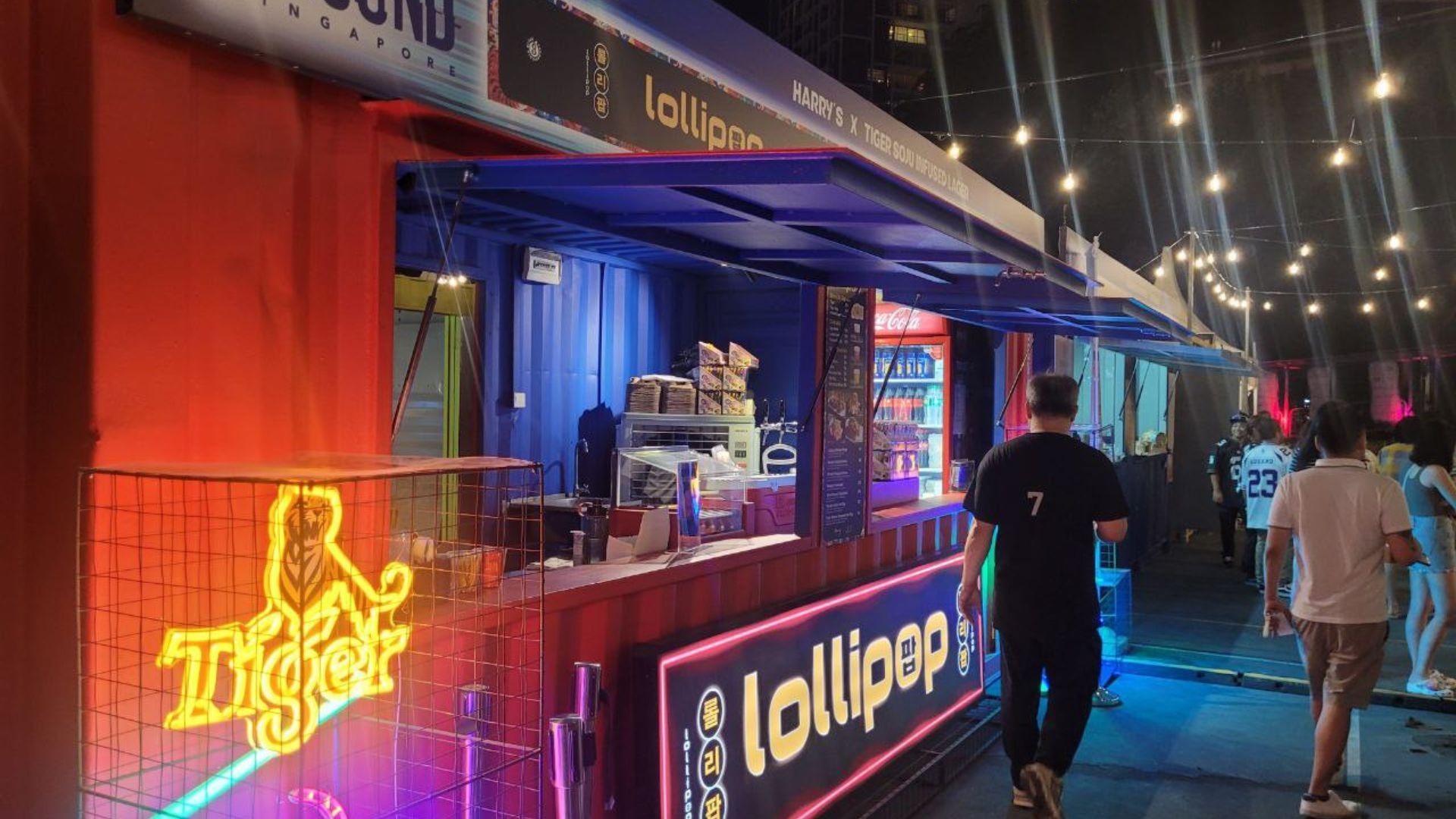
A site with regular pedestrian activity may provide opportunities to attract customers, but footfall alone does not determine commercial success. The type of visitors, surrounding businesses, and ease of access are equally important.
Before confirming a location, businesses should consider how the space will support their intended retail activities.
How Does Customer Footfall Affect Your Pop-Up Store?
Footfall refers to the number of people passing through or visiting a particular location.
For a container pop-up store, understanding pedestrian movement can help determine where to position the unit, how to arrange product displays, and which direction the serving counter or entrance should face.
A location with high pedestrian traffic may offer greater exposure, but the visitors should also match the business's target audience.
For example, a container café near an event venue may benefit from visitors looking for refreshments, while a promotional container at an exhibition may be better suited for product demonstrations and customer enquiries.
Consider these factors when evaluating footfall:
- Target audience: Are the people visiting the area likely to be interested in your products or services?
- Peak periods: When does the location experience the most pedestrian activity?
- Customer movement: Which direction do visitors approach from?
- Visibility: Can customers easily identify the store and understand what it offers?
- Accessibility: Is there sufficient space for customers to approach, browse, and leave without unnecessary obstruction?
Observing these patterns helps businesses plan a retail setup that suits the location and customer behaviour.
What Site Conditions Should You Check Before Installation?
A suitable location must also accommodate the container's physical dimensions and delivery requirements.
Before committing to a site, businesses should review the available space, ground conditions, delivery access, and any restrictions affecting the proposed installation.
Important considerations include:
- Available space: Confirm that the site can accommodate the container, entrance, service areas, and surrounding customer movement.
- Ground conditions: Check whether the intended placement area provides suitable support for the proposed installation.
- Vehicle access: Identify whether delivery vehicles and any required lifting equipment can reach the location.
- Overhead clearance: Check for nearby structures, cables, trees, or other potential obstructions.
- Utilities: Consider electricity, water supply, drainage, and other services required for the intended business.
- Site permissions: Confirm that the proposed retail activity and container installation are permitted at the location.
The relevant site owner, authorities, and qualified professionals should be consulted where approvals or technical assessments are required.
Stage 2: Selecting the Right Shipping Container Retail Shop
Different retail businesses require different container configurations.
A simple merchandise display may need accessible shelving and a sales counter, while a café or food outlet may require additional equipment, service areas, and utility connections.
Choosing a suitable layout at the planning stage helps businesses avoid unnecessary modifications after installation.
What Container Size Is Suitable for Your Retail Business?
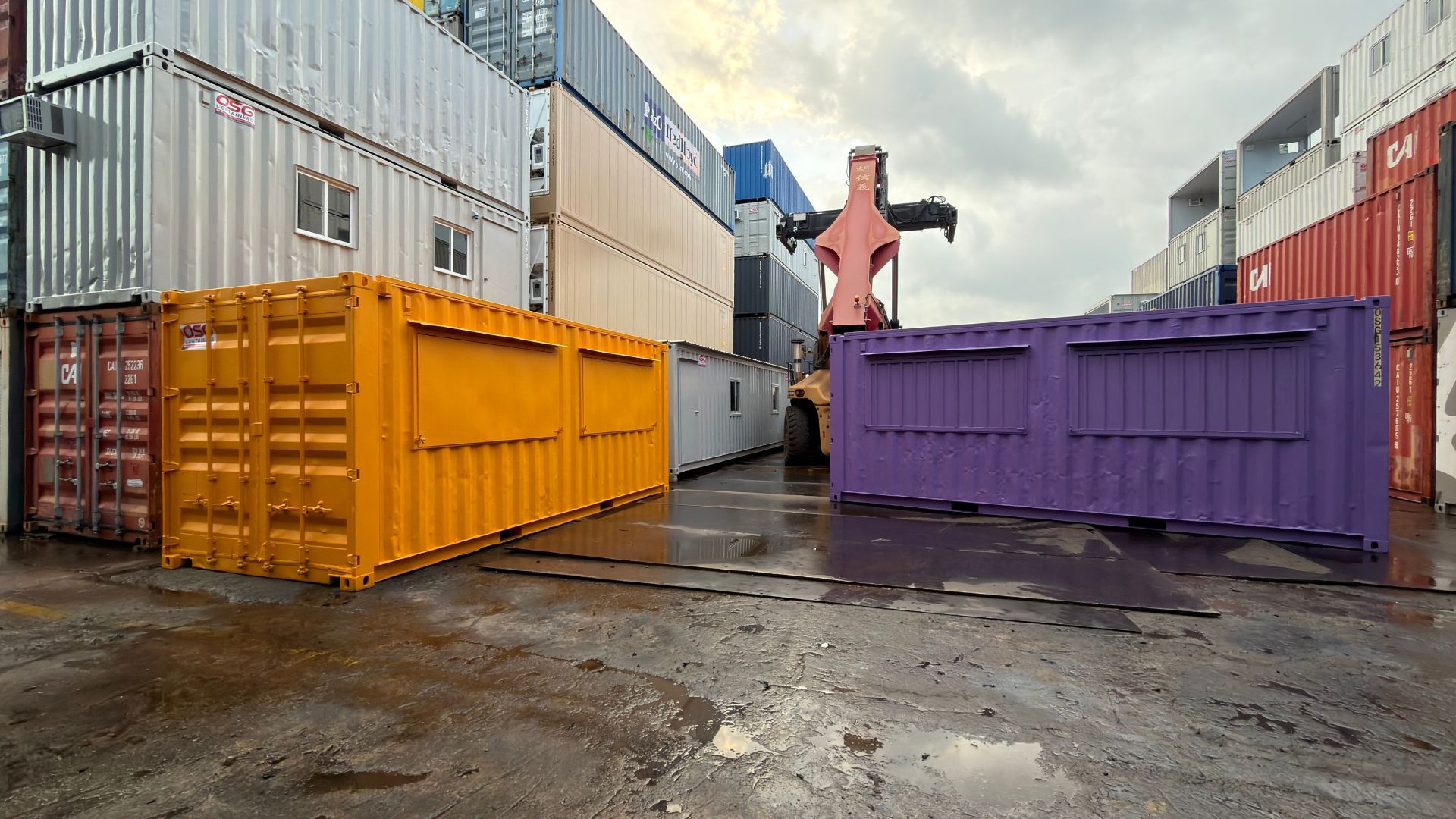
Shipping container retail shops can be configured in different sizes depending on the intended application.
Common options include 20ft and 40ft containers. The right size depends on available site space, the number of staff, equipment requirements, and how customers are expected to interact with the store.
A smaller configuration may suit a straightforward sales or promotional counter, while a larger unit may provide additional room for displays, preparation areas, or customer activities.
When reviewing container size, consider:
- Product display and storage requirements
- Number of staff working inside
- Serving counter or sales desk arrangements
- Equipment and utility requirements
- Customer access and circulation
- Available installation space
Container dimensions should be checked against the actual product specifications, as modifications and internal fittings can affect usable space.
How Can Container Design Support Different Retail Applications?
A shipping container retail store can be adapted for a variety of commercial uses.
| Retail Application | Suggested Container Features | Main Considerations |
|---|---|---|
| Pop-Up Retail Shop | Display areas, sales counter, branding panels | Product visibility and customer access |
| Container Café | Serving counter, preparation area, electrical and water provisions | Equipment needs and service workflow |
| Exhibition Booth | Open display areas, promotional graphics, demonstration counter | Visitor interaction and brand presentation |
| Ticketing or Registration Booth | Service window, work counter, secure storage | Queue management and staff access |
| Promotional Activation | Product showcase, branded exterior, flexible interior layout | Visibility and engagement opportunities |
The available fittings and configurations depend on the selected container and project requirements.
For businesses exploring customised retail spaces, OSG Containers' ShopBox offers configurations for retail, F&B, and exhibition applications.
Stage 3: Planning the Interior Layout and Customer Experience
The effectiveness of a container shop depends partly on how its interior is organised.
A layout that supports the intended activities helps staff work efficiently and makes it easier for customers to interact with the business.
Before finalising the design, consider the products being sold, the equipment required, and whether customers will enter the container or interact through an external counter.
How Should You Arrange Displays and Serving Counters?
For retail concepts, displays should make products easy to see and access without unnecessarily restricting movement.
For counter-service businesses, the serving area should be positioned to support customer ordering, collection, and staff activities.
Consider the following layout elements:
- Entrance placement: Provide a clearly identifiable and accessible entry point where customers are expected to enter.
- Display visibility: Position products and promotional materials where visitors can easily see them.
- Counter arrangement: Allow suitable space for ordering, payment, and product collection.
- Staff workspace: Provide sufficient room for employees and their required equipment.
- Storage: Allocate space for stock, supplies, and operational materials.
- Customer circulation: Avoid layouts that create unnecessary congestion around entrances and service points.
The final arrangement should reflect the business's operational requirements and applicable safety and accessibility provisions.
What Interior Features Should You Consider?
Container interiors can be configured with different fittings depending on the intended use.
For businesses operating in Singapore's warm and humid climate, ventilation, insulation, and cooling requirements are important considerations.
Possible features include:
- Insulated walls and ceilings
- Lighting suitable for retail activities
- Electrical outlets and distribution arrangements
- Ventilation or air-conditioning systems
- Storage cabinets and shelving
- Interior wall and floor finishes
- Windows and service openings
Not every feature is required for every project.
For example, an outdoor ticketing booth may have different cooling and electrical requirements from an enclosed retail shop containing refrigeration equipment.
Businesses should confirm their equipment and operational requirements before selecting the appropriate fittings.
Electrical installation and modification work must comply with applicable Singapore requirements and involve appropriately licensed personnel where required.
Stage 4: Preparing for Container Transportation and Site Setup
Container transportation and installation should be planned before the intended opening date.
Unlike conventional retail fixtures, a container requires suitable transport equipment and sufficient access for unloading and positioning.
Delivery arrangements depend on the container's size, weight, configuration, and the conditions at the destination.
What Should You Prepare Before Container Delivery?
Before scheduling delivery, businesses should confirm that the site is ready to receive the container.
Important preparations include:
- Confirm container dimensions: Ensure the selected configuration fits the designated placement area.
- Review the delivery route: Check for access restrictions, narrow entrances, and overhead obstacles.
- Assess placement conditions: Determine whether the ground and supporting surface are suitable for the proposed installation.
- Plan unloading arrangements: Confirm the required lifting equipment and available working space.
- Coordinate site access: Arrange the necessary entry permissions and delivery schedules.
- Prepare utility requirements: Identify any electrical, water, or drainage connections required for the business.
Site conditions should be assessed by the appropriate parties before delivery and installation.
Why Is Proper Container Positioning Important?
Suitable positioning helps ensure that the container remains stable and that its entrances, windows, and other components can operate as intended.
Uneven or unsuitable supporting surfaces may affect container alignment and usability.
The appropriate support arrangements depend on the container configuration, expected loads, site conditions, and duration of use.
Rather than relying on a standard foundation method for every project, businesses should obtain suitable technical advice for the proposed installation.
Where lifting equipment is required, the transport and lifting provider should determine the appropriate equipment and safe working arrangements.
OSG Containers provides container transportation and site setup support, with arrangements depending on project requirements.
Stage 5: Checking Safety and Regulatory Requirements in Singapore
Before operating a container pop-up store in Singapore, businesses should confirm which approvals and regulatory requirements apply to the proposed location and activity.
Requirements can vary according to the container's design, installation, site conditions, and intended commercial use.
A container being used temporarily does not automatically mean that it is exempt from building, fire safety, or other regulatory requirements.
What Approvals May Be Required for a Container Pop-Up Store?
Depending on the project, businesses may need to consider requirements involving the following authorities:
- Urban Redevelopment Authority (URA): Planning and permitted land-use considerations.
- Building and Construction Authority (BCA): Applicable temporary building requirements and permits.
- Singapore Civil Defence Force (SCDF): Fire safety requirements and relevant plan submissions or approvals.
- Other relevant authorities: Additional requirements may apply depending on the location and business activity.
For example, food and beverage operations may involve additional licensing and operational requirements beyond those of a general merchandise store.
BCA identifies pop-up stores and containers among structures that may fall under temporary building requirements. However, permit requirements and exemptions depend on the circumstances of the installation.
SCDF also has specific requirements for container structures, including circumstances where formal fire safety plan submissions and clearances are necessary.
Businesses should check the requirements applicable to their project and obtain the necessary approvals before operating.
What Should You Inspect Before Opening?
Once the container has been positioned and the necessary installation works are completed, businesses should check that the space is suitable for its intended operation.
A pre-opening inspection may include:
- Checking doors, windows, and locking mechanisms
- Reviewing the condition of walls, roofing, and flooring
- Confirming that the intended entry and exit routes remain unobstructed
- Checking the installation of agreed interior fittings
- Arranging appropriate electrical and equipment checks
- Confirming that service counters and displays are securely installed
- Checking for signs of water ingress or visible damage
- Confirming that applicable approvals and site requirements have been addressed
Any issues identified should be resolved by the appropriate parties before the store begins operating.
Why Choose OSG Containers for Your Pop-Up Store in Singapore?
OSG Containers provides customisable container solutions for businesses looking to create retail shops, F&B outlets, exhibition spaces, and promotional setups.
Our ShopBox and Event & Pop-up Container solutions are designed to support different commercial applications, with configurations that can be adapted to suit specific project requirements.
Depending on the selected solution, customisation options may include serving counters, display openings, interior fittings, electrical provisions, and exterior branding.
We also offer container-related services such as transportation, lifting, positioning, and site setup support.
Whether you are planning a temporary retail activation, a container café, or an exhibition showcase, our team can help you explore suitable options based on your intended use and site requirements.
Plan Your Container Pop-Up Store with OSG Containers
A successful pop-up store starts with choosing a suitable location and planning a layout that supports your business.
Customer footfall, product visibility, container configuration, site accessibility, and operational requirements should all be considered before finalising the setup.
Reviewing these factors early can help businesses prepare a retail space that suits both their customers and day-to-day operations.
Looking for a Container Pop-Up Store in Singapore?
Explore our customisable container solutions for retail, F&B, exhibitions, and promotional events. Contact our team to discuss a suitable configuration for your project.
Explore Our Pop-Up Containers