Container Rental Singapore: Costs, Types & Delivery Guide
Container rental Singapore services provide businesses with a flexible solution for temporary storage, site offices, and changing operational requirements. Whether supporting construction projects, industrial operations, or commercial activities, renting a container offers additional space without requiring businesses to purchase a unit outright.
However, container rental involves more than selecting a suitable size. The type of container, rental duration, site accessibility, delivery arrangements, and additional fittings can all influence the overall cost.
Understanding these factors helps businesses plan their requirements, compare rental options, and prepare for delivery. This guide covers the key considerations when renting a container in Singapore, from selecting the right unit to managing rental terms and site preparation.
Stage 1: How Do You Choose the Right Container for Rental?
Choosing a suitable container for rental starts with understanding how the space will be used. A container intended for equipment storage has different requirements from one designed as an on-site office or temperature-controlled storage facility.
Before selecting a unit, consider the type of materials or equipment being stored, available site space, frequency of access, and any requirements for ventilation, insulation, or electrical fittings.
What Types of Containers Are Available for Rental?
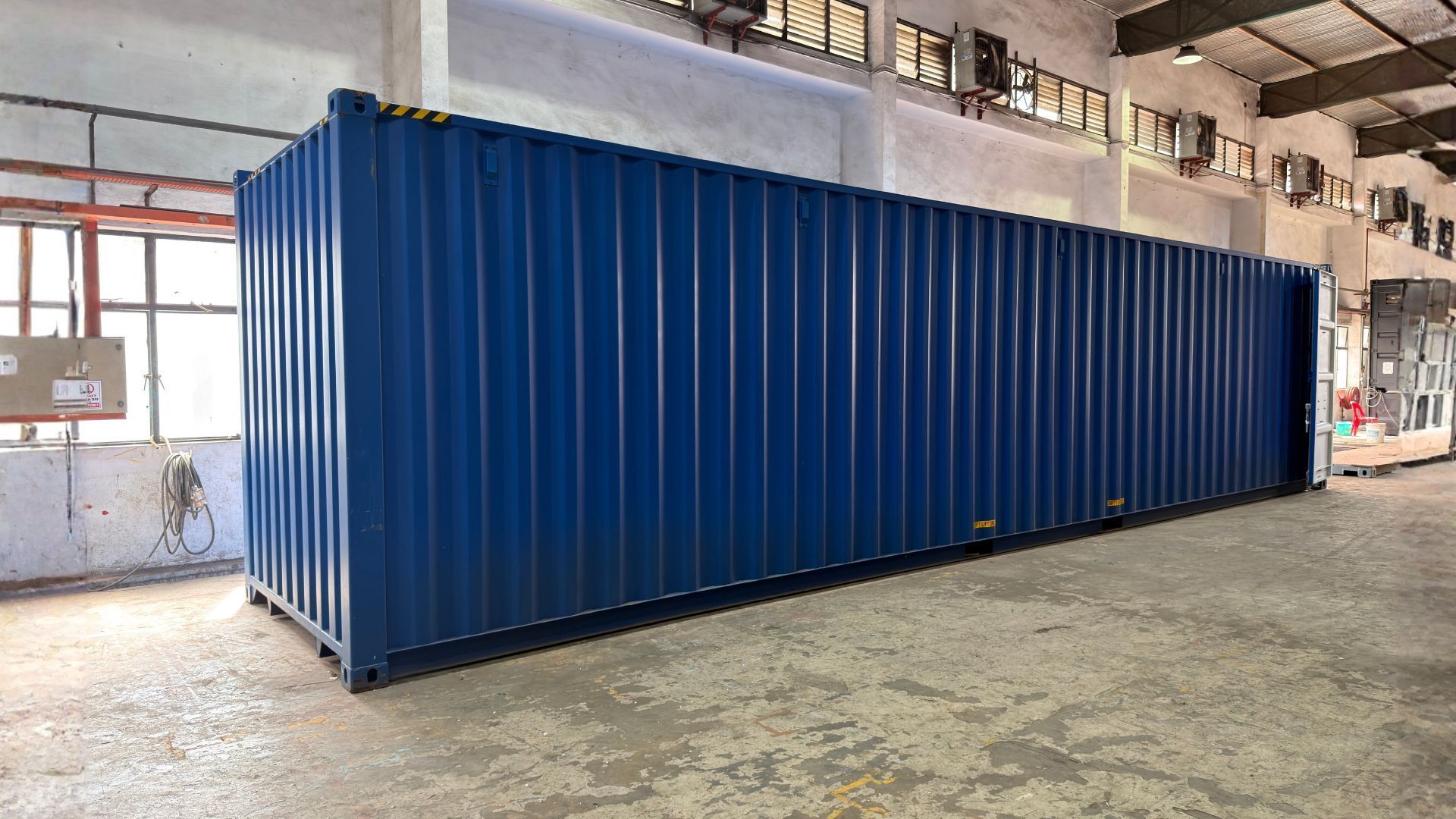
Different container types serve different operational purposes. Common options include:
| Container Type | Main Purpose | Typical Applications |
|---|---|---|
| General Purpose Container | Enclosed storage for suitable non-temperature-sensitive goods | Equipment, tools, construction materials and commercial inventory |
| Office Container | Fitted space for administrative and operational activities | Construction site offices, project coordination and temporary workspaces |
| Refrigerated Container | Temperature-controlled storage | Products requiring controlled temperatures, subject to equipment specifications |
| Modified Container | Container adapted for specific operational requirements | Specialised workspace, equipment storage and project applications |
Container sizes, configurations, fittings, and rental availability depend on the supplier and the intended application.
For businesses managing construction materials, equipment, or commercial inventory, container storage rental can provide additional enclosed space without the need to purchase a container. The appropriate storage solution depends on the type of goods, available site space, and any special storage requirements.
For businesses requiring temporary storage, a general purpose container may provide an appropriate solution for materials that do not require controlled temperatures. Office containers, on the other hand, can provide enclosed working areas equipped with fittings suited to administrative use.
Where goods require specific temperature conditions, the selected equipment must be suitable for the product's storage requirements. Refrigerated container capabilities should always be confirmed before rental.
How Do Container Size and Storage Requirements Affect Your Choice?
Container dimensions influence how much equipment or inventory can be accommodated and whether the unit can fit within the available site.
Common shipping container lengths include 20ft and 40ft, although other sizes and configurations are available. Actual internal dimensions vary according to container design and modifications.
When assessing storage capacity, consider more than the container's overall floor area. Door access, internal fittings, equipment dimensions, loading methods, and the space required to move materials safely can all affect usable capacity.
For site office applications, the number of occupants, workstation arrangements, and equipment requirements should be considered when selecting an appropriate layout.
How Can You Reduce Moisture-Related Storage Issues?
Moisture and condensation are important considerations when storing goods in Singapore's tropical climate.
Changes in temperature and humidity can contribute to condensation inside enclosed containers. This may affect moisture-sensitive materials, particularly when items are stored without suitable protection.
Before using a container for storage, assess whether the goods require additional packaging, ventilation, moisture-control measures, or a different storage environment.
Materials requiring controlled humidity or temperature should not be placed in a standard dry container without first confirming that the storage conditions are appropriate.
Stage 2: How Do You Select an On-Site Construction Office Container?
Construction container rental provides project teams with temporary enclosed space for administrative work, site coordination, and operational activities.
Office containers are commonly used for construction projects, industrial facilities, logistics operations, and other sites where a permanent office building may not be appropriate for the project duration.
Depending on the configuration, an office container can accommodate workstations, document storage, meeting areas, or other operational facilities.
What Features Should You Consider for an Office Container?
Office container configurations vary, so businesses should review the available fittings before confirming a rental.
Important considerations include:
- Insulation: Suitable insulation can help reduce heat transfer through the container's walls and roof.
- Air conditioning: Cooling requirements depend on the container layout, occupancy, equipment and operating conditions.
- Lighting: Interior lighting should be appropriate for the intended activities.
- Electrical fittings: Socket outlets, distribution arrangements and power requirements should be checked against the available configuration.
- Windows and doors: Access, security, ventilation and natural lighting requirements should be considered.
- Flooring and interior finishes: Materials should be suitable for the expected usage and working conditions.
Additional fittings or modifications may be available depending on the container and rental arrangement.
Confirming these requirements before delivery helps reduce the need for changes after the unit has been installed.
What Should You Know About Electrical Connections and Modifications?
Electrical safety is an important consideration when setting up an office container in Singapore.
Before connecting the unit to a power supply, the electrical requirements should be reviewed based on the container's installed equipment and the available site supply.
In Singapore, electrical installation work, including wiring additions and modifications, must be carried out or supervised by a Licensed Electrical Worker of the appropriate class, in accordance with applicable requirements.
Businesses should avoid making unauthorised changes to rented containers, including modifications to wiring, electrical fittings or structural panels.
Where additional electrical capacity or fittings are needed, discuss the requirements with the rental supplier and the relevant qualified professionals before proceeding.
Stage 3: What Should You Consider for Container Delivery in Singapore?
Container delivery requires coordination between transportation arrangements, site access, unloading methods, and the intended placement location.
Delivery requirements vary depending on the container's dimensions, weight, configuration, and the conditions at the destination.
For construction sites and industrial premises, planning should begin before the scheduled delivery date.
How Do You Prepare Your Site for Container Delivery?
A site assessment helps determine whether the container can be transported, unloaded, and positioned safely.
Key considerations include:
- Vehicle access: Check whether the access route and entrance can accommodate the delivery vehicle.
- Overhead clearance: Identify any overhead structures, cables, branches or other obstacles.
- Ground conditions: Confirm that the intended access and placement areas are suitable for the expected loads.
- Unloading space: Allow sufficient working space for the selected unloading equipment and method.
- Placement location: Confirm the required orientation and accessibility of the container.
- Site restrictions: Check applicable access procedures, operating hours, and site-specific requirements.
Providing the delivery team with accurate site information can help identify potential access limitations before transportation is arranged.
When Is a Lorry Crane Required?
Lorry cranes are commonly used for transporting and positioning containers where lifting equipment is needed at the delivery location.
However, the appropriate unloading method depends on the container's weight, the lifting distance, equipment capacity, and site conditions.
Not every container delivery requires the same vehicle or lifting arrangement.
Before confirming delivery, the transport provider should assess the relevant lifting requirements and determine suitable equipment.
Crane lifting operations in Singapore are subject to applicable workplace safety requirements, including appropriate lifting plans and safe operating procedures.
What Can Affect Container Delivery Costs?
Container transportation charges depend on the delivery requirements rather than a single fixed rate.
Factors that may influence the quotation include:
- Transport distance and destination
- Container size and weight
- Vehicle and lifting equipment requirements
- Site accessibility and placement conditions
- Additional handling or positioning work
- Collection and return arrangements
Complex access conditions or additional lifting requirements may affect the final cost.
When requesting a container rental quotation, businesses should clarify whether transportation, unloading, positioning, and collection are included or quoted separately.
Stage 4: How Should You Evaluate Container Rental Terms?
Container rental arrangements should reflect the intended usage and expected project duration.
Before signing an agreement, businesses should review the rental period, payment conditions, maintenance responsibilities, and return procedures.
Understanding these terms helps avoid misunderstandings during the rental period.
Should You Choose Short-Term or Long-Term Container Rental?
The suitable rental duration depends on how long the container is required.
Short-term rentals may be appropriate for temporary projects, equipment storage, events, or operational requirements with defined completion dates.
Longer rental arrangements may suit extended construction projects, ongoing industrial activities, or businesses that require additional space over a longer period.
Rental rates and conditions may vary according to the duration, container type, and supplier.
Businesses should request quotations based on their expected rental period and confirm the applicable extension or early termination terms.
What Rental Charges and Responsibilities Should You Clarify?
Before confirming a container rental, review the quotation and agreement carefully.
Important items to clarify include:
- Rental charges and billing arrangements
- Delivery, unloading and collection charges
- Security deposits, if applicable
- Maintenance and repair responsibilities
- Permitted usage and modification restrictions
- Damage liability and return conditions
- Rental extension and termination procedures
The treatment of normal wear and tear, accidental damage, and any insurance requirements should be determined from the actual agreement.
Do not assume that insurance coverage, maintenance services, or transportation costs are automatically included in the rental price.
Can Rental Containers Be Modified?
Some containers can be adapted with additional fittings, subject to technical feasibility and the supplier's approval.
Possible modifications include changes to interior layouts, additional openings, insulation, and electrical provisions.
However, customers should not carry out modifications to rented units without obtaining the necessary approval.
Any proposed alteration should be assessed for suitability, safety, and compliance with applicable requirements.
Stage 5: What Should You Check During Delivery and Return?
Container inspection is an important part of both delivery handover and off-hire collection.
A condition check helps confirm that the delivered unit matches the agreed requirements and provides a record of its condition at the beginning and end of the rental period.
What Should You Inspect Before Accepting a Container?
Before completing the delivery handover, review the container's accessible components and document any visible concerns.
Depending on the container type, the inspection may include:
- Exterior condition: Check for visible damage affecting the container's intended use.
- Doors and locking mechanisms: Confirm that doors and locking components operate correctly.
- Roof and wall condition: Look for signs of damage or water ingress.
- Flooring: Check for visible damage, excessive wear or other concerns relevant to the intended load.
- Ventilation: Confirm that available ventilation openings are in suitable condition.
- Interior fittings: For modified or office containers, check that the agreed fittings are present.
Any issues should be raised with the supplier and documented during handover.
For containers with powered equipment, appropriate functional checks should be arranged in accordance with the equipment requirements and safe operating procedures.
Why Are Ground Conditions Important?
Containers need suitable support at their intended placement location.
Uneven or inadequate support may affect stability, door operation, and the performance of the unit.
The appropriate foundation or support arrangement depends on the container's configuration, loading, intended use, and site conditions.
For temporary installations, the responsible parties should assess the placement area and determine whether additional ground preparation or support arrangements are required.
Container positioning and any associated lifting work should be undertaken using suitable equipment and safe work procedures.
How Should You Prepare a Container for Return?
Before the agreed collection date, review the return conditions stated in the rental agreement.
Depending on the rental arrangement, preparation may include removing stored items, clearing personal equipment, arranging disconnection of services, and ensuring the container is accessible for collection.
Any damage or operational issues identified during the rental period should be reported to the supplier.
The container should be returned in accordance with the agreed condition requirements, taking account of the applicable wear-and-tear provisions.
Planning collection arrangements early can also help coordinate site access and the necessary transport equipment.
Why Choose OSG Containers for Container Rental in Singapore?
OSG Containers provides container solutions for businesses requiring storage, temporary workspaces, and project-related facilities.
Our range includes general purpose containers and fitted office containers, with rental and purchase options available depending on the product and requirements.
We also provide container-related logistics and support services, including transportation, lifting, positioning, and selected modification and setup works.
Whether you are preparing a construction site, managing industrial operations, or planning additional storage space, our team can help you review suitable options based on your intended application.
Plan Your Container Rental with OSG Containers
Choosing the right container involves considering the intended usage, available space, rental duration, delivery requirements, and site conditions.
Reviewing these factors before booking helps businesses select an appropriate solution and understand the services involved.
If you are looking for a container for rental in Singapore, contact OSG Containers to discuss your project requirements and request a quotation based on the container type, configuration, rental duration, and delivery arrangements.
Looking for a Container for Rent in Singapore?
Explore OSG shipping container solutions for storage, construction, and commercial applications. Contact our team to discuss available options based on your project requirements.
Explore Shipping Containers