
So, you need a guardhouse. It’s not just a little shed; it’s a key part of your security setup. Picking the right one means thinking about a few things so it lasts and does its job well. We’re going to break down what you need to consider to get a guardhouse that works for you for a long time.
Key Takeaways
- Figure out exactly why you need the guardhouse and how many people will be in it. This helps decide the size and what features are a must-have.
- Make sure the guardhouse fits your space and allows for easy movement of people and vehicles. Visibility is super important too.
- Choose materials and designs that can handle the weather and last for years. Think about the roof style for extra protection.
- Consider security needs, like needing stronger walls or windows. Also, think about adding technology for better communication and monitoring.
- Customizing for comfort, like heating and cooling, and making the inside practical makes a big difference for the guards working there.
Assessing Your Guardhouse Needs
Before you even start looking at different models or materials for your guard house, you need to really think about what you need it to do. It’s not just about putting a little building at the entrance; it’s about creating a functional space that supports your security goals. Getting this part right from the start saves a lot of headaches down the road.
Understanding The Purpose Of A Guardhouse
What’s the main job of this guard house? Is it just for someone to greet visitors and check IDs, or does it need to be a fortified post for serious security? Think about the level of access control required. Some sites just need a friendly face and a logbook, while others need a structure that can withstand significant threats. The primary purpose will dictate everything from size and materials to the technology you’ll need.
Determining The Number Of Occupants
How many people will be working in the guard house at any given time? A single security officer has very different space requirements than a team of three. You need to consider not just seating, but also desk space for equipment, personal storage, and room to move around without feeling cramped. A good rule of thumb is to plan for at least 30-40 square feet per person, but more is always better if space allows.
| Application Type | Typical Occupants | Recommended Minimum Space per Person |
|---|---|---|
| Single Officer | 1 | 40 sq ft |
| Two Officers | 2 | 70 sq ft (total) |
| Small Team | 3-4 | 120 sq ft (total) |
Evaluating Equipment And Technology Requirements
What kind of gear will your security personnel be using? This could range from simple radios and logbooks to complex computer systems, multiple monitors, surveillance equipment, and communication devices. You need to make sure the guard house has enough power outlets, data ports, and physical space to accommodate all of this without making the workspace cluttered or inefficient. Don’t forget about things like heating, cooling, and lighting – these are often overlooked but are vital for keeping guards comfortable and alert.
Planning for technology needs upfront is key. Running new wires or adding equipment later can be a costly and disruptive process. It’s much easier to build these requirements into the initial design.
Selecting The Right Guardhouse Size And Layout
Choosing the right size and layout for your guardhouse is more than just picking a box that fits. It’s about making sure your security personnel have a functional, safe, and comfortable space to do their job effectively, while also considering the flow of your site.
Matching Guardhouse Size To Site Constraints
First off, you’ve got to look at where this thing is actually going. Is it a tight spot at the end of a busy street, or do you have acres of space to work with? Small guardhouses, sometimes as small as 4’x4′ or 4’x6′, are great for places where space is really limited. Think narrow entrances or areas with a lot of foot traffic where you don’t want the booth to be in the way. On the flip side, if you’ve got a sprawling industrial complex or a large parking facility, you might need something bigger, maybe 8’x12′ or even larger, to accommodate more people or equipment.
Here’s a quick look at how size can impact placement:
| Size Category | Typical Dimensions | Best For |
|---|---|---|
| Compact | 4’x4′ to 4’x6′ | Limited space, single guard, basic monitoring |
| Medium | 6’x8′ to 6’x10′ | Moderate traffic, multiple guards, extra equipment |
| Large | 8’x12′ to 8’x16′ | High traffic, complex operations, command centers |
Optimizing Layout For Traffic Flow And Visibility
Once you know roughly how big it needs to be, think about how people and vehicles will move around it. A guardhouse at a busy gate needs to be positioned so guards can see approaching traffic easily and direct it without causing jams. This often means placing it with clear sightlines to entry and exit points. You don’t want guards craning their necks or having blind spots. The interior layout is just as important. You need enough space for desks, monitors, communication gear, and maybe even a small fridge or microwave, without feeling like you’re tripping over yourself. Good lighting and strategically placed windows are key here.
The layout should support both the guard’s ability to observe and interact with visitors or vehicles, and the smooth, unimpeded movement of traffic through the controlled area. Consider the angles of approach and the typical speed of vehicles.
Considering Different Guardhouse Sizes For Various Applications
Not all guardhouses serve the same purpose, so their size and layout should reflect that. A guardhouse for a residential community might be smaller and more aesthetically pleasing, focusing on visitor management. However, a guardhouse at a high-security facility, like a power plant or military base, will likely need to be larger and more robust. These might house multiple personnel, advanced surveillance equipment, and even have features for ballistic protection. Think about:
- Single Guard Posts: Often smaller, focused on basic access control and observation.
- Multi-Guard Stations: Larger, providing space for several officers and shared equipment.
- Command Centers: The largest, equipped with extensive monitoring systems, communication hubs, and potentially space for administrative tasks.
- Temporary Event Booths: Often compact and easily transportable, prioritizing quick setup and basic functionality.
Prioritizing Durability And Weather Resistance
Choosing Materials For Long-Term Performance
When you’re looking for a guardhouse that’s going to stand the test of time, the materials used are super important. Think about it – this structure is going to be out there in the elements, day in and day out. You don’t want something that’s going to rust, warp, or fall apart after just a few years. Steel is a solid choice for the frame because it’s strong and can handle a lot. For the walls and roof, insulated composite panels are a good bet. They offer decent insulation and hold up well against weather. If you’re in a really tough climate, like somewhere with heavy snow or extreme heat, you might want to look into even more robust options. The goal is to pick materials that won’t need constant fixing or replacement.
Incorporating Weather Protection Features
Beyond just the basic materials, there are specific features that make a big difference in how well your guardhouse handles the weather. Things like proper sealing around windows and doors are key to keeping rain and drafts out. Overhangs on the roof are also a smart addition; they help direct water away from entrances and windows, which can prevent leaks and water damage. If you’re in an area prone to high winds, like coastal regions, you’ll want to make sure the structure is engineered to withstand those forces. This might involve stronger framing and specific anchoring methods. It’s all about creating a barrier that keeps the inside dry and comfortable, no matter what’s happening outside.
Understanding Roof Styles And Their Benefits
The roof style isn’t just about looks; it plays a role in how well your guardhouse sheds water and handles snow loads. A simple single-slope roof is pretty common and effective for draining water. If you prefer a more traditional look, a double-slope gable roof works well too. For maximum durability and a cleaner appearance, a standing seam metal roof is a great, though often more expensive, option. These can handle tough weather and last a long time. Some roofs can also be designed with custom overhangs, which add an extra layer of protection for doors and windows, keeping them drier and potentially extending their lifespan.
Investing in a guardhouse built with durable materials and smart weatherproofing features upfront might cost a bit more, but it will save you a lot of headaches and money in the long run. Think of it as building a small, tough house for your security personnel that needs to last.
Enhancing Security Features For Your Guardhouse
When you’re thinking about a guardhouse, security is probably top of mind. It’s not just about having a place for your security team to sit; it’s about making sure that structure itself is a strong line of defense. This means looking beyond the basic walls and roof to consider what really keeps people and property safe.
Evaluating Ballistic and Blast-Resistant Options
For locations where threats are a serious concern, like government facilities or high-value industrial sites, standard construction just won’t cut it. You need to consider materials and designs that can withstand impacts. This is where ballistic and blast-resistant features come into play. These aren’t just buzzwords; they refer to specific engineering and materials science aimed at protecting the occupants from projectiles or explosions. Think reinforced steel, specialized glazing, and structural designs that can absorb or deflect force. It’s a significant investment, but for certain environments, it’s a non-negotiable aspect of security.
Integrating Security Technology and Communication Systems
Your guard booth is a hub for security operations, so it needs the right tech. This includes things like:
- Access Control: Key card readers, biometric scanners, or even simple intercom systems to vet visitors before they enter.
- Surveillance: Integrated cameras, both inside and out, to monitor activity and record events.
- Communication: Reliable phone lines, internet access, and two-way radios to keep guards connected with management and emergency services.
- Alarms: Systems that can alert guards to unauthorized entry or other security breaches.
The right technology turns your guardhouse from a simple shelter into an active security post.
Selecting Appropriate Windows and Doors
Don’t overlook the windows and doors – they’re often the weakest points if not chosen carefully. For enhanced security, consider:
- Ballistic Glass: This specialized glass is designed to stop bullets. It’s much thicker than standard glass and often has multiple layers bonded together.
- Reinforced Doors: Steel doors with robust locking mechanisms and reinforced frames offer better protection than standard wooden or hollow metal doors.
- Limited Openings: While visibility is important, minimizing the number of large, easily breakable windows can improve security. Transaction windows can be designed with secure shutters or sliding mechanisms.
Choosing the right windows and doors is about balancing the need for visibility and access with the requirement for physical security. It’s a detail that can make a big difference in the overall safety of the guard booth and its occupants.
When selecting these features for your guard booth, think about the specific risks your site faces. A simple parking lot attendant booth might only need basic security, while a facility handling sensitive materials will require much more robust solutions. It’s all about matching the security features to the threat level.
Customizing Your Guardhouse For Comfort And Functionality
Making sure your guardhouse is a comfortable and efficient place to work is just as important as its security features. After all, your guards will be spending a lot of time inside, and their well-being directly impacts their performance. Think about it like setting up your own workspace – you want it to be functional, right? This is where customization really comes into play, turning a basic structure into a productive environment. We’re talking about more than just adding a desk; it’s about creating a space that supports the guard’s duties and keeps them focused.
Implementing Climate Control Solutions
Nobody works well when they’re freezing or sweating buckets. That’s why climate control is a big deal. Whether you’re in a place with scorching summers or bitter winters, having the right heating and cooling system is non-negotiable. This isn’t just about comfort; it’s about maintaining alertness and preventing equipment from overheating or freezing up. Options range from simple window AC units and space heaters to more integrated HVAC systems, depending on the size of the guardhouse and your budget. Some units are designed specifically for these types of structures, offering efficient climate control without taking up too much space.
Personalizing Interior Space For Efficiency
Inside the guardhouse, every inch counts. You want to make sure there’s enough room for the guard to move around, store their gear, and operate any necessary equipment without feeling cramped. This often involves thinking about custom shelving, desk configurations, and even seating arrangements. Good lighting is also key – both natural light from windows and artificial lighting for nighttime or low-visibility conditions. Don’t forget about power outlets and data ports for any technology the guard needs to use. Simple container modifications can often provide a great starting point for a well-organized interior.
Here are a few things to consider for the interior layout:
- Desk and Work Surface: Needs to be large enough for monitors, paperwork, and other essentials.
- Storage: Shelving or cabinets for personal items, safety equipment, and supplies.
- Seating: An ergonomic chair that supports long periods of sitting.
- Communication Station: A dedicated spot for radios, intercoms, and phones.
A well-designed interior minimizes distractions and allows guards to focus on their primary responsibilities, which is monitoring and controlling access. It’s about creating a workspace that feels organized and professional.
Selecting Exterior Finishes And Colors
The outside of your guardhouse matters too. The materials and finishes you choose not only affect durability but also how the structure looks. You might want it to blend in with the surrounding buildings or stand out as a clear security presence. Many guardhouses can be finished with various siding materials, paint colors, or even custom graphics to match your company’s branding. This attention to detail can make a big difference in the overall appearance of your facility’s entrance.
Considering Portability And Installation
Exploring Prefabricated and Modular Guardhouse Options
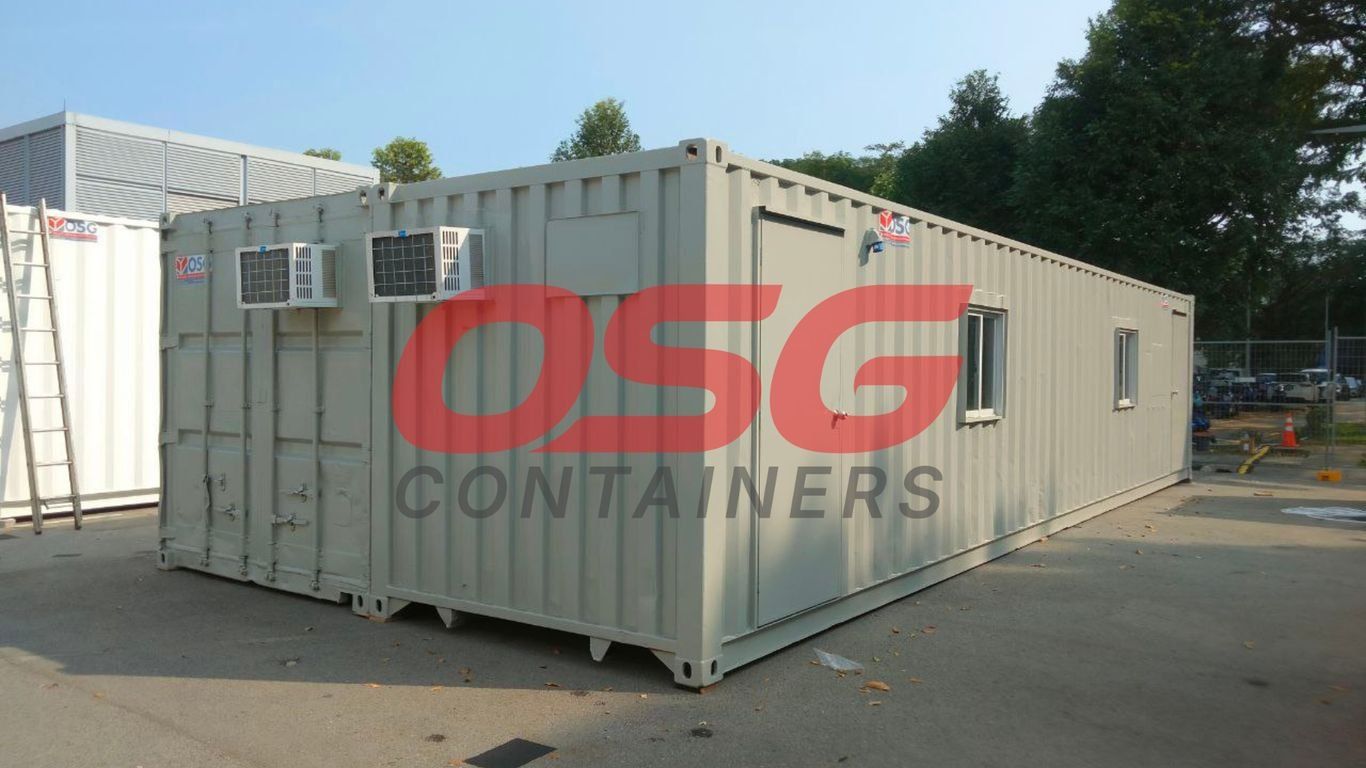
When you’re thinking about a guardhouse, especially one you might need to move down the road, going with a prefabricated or modular unit makes a lot of sense. These aren’t your grandpa’s flimsy sheds; modern options are built tough. Many are designed to be forkliftable, meaning you can pick them up and plop them down pretty much anywhere. This is a huge plus if your security needs shift or if you’re on a site that’s constantly changing, like a construction project or a temporary event venue. Some even come on trailers or with caster wheels for even easier relocation. You can even find creative container-based solutions that offer a robust and easily transportable structure.
Understanding Installation and Setup Processes
Getting a prefabricated guardhouse set up is usually way faster than building something from scratch. They come mostly assembled from the factory. You’ll typically need a level spot, and then it’s a matter of connecting any utilities like power or water if your unit has features like HVAC or a restroom. The manufacturer usually handles the delivery and placement. It’s worth checking if they offer installation services or if you’ll need to arrange that yourself. For larger units, sometimes they come in sections that need to be bolted together on-site, but it’s still a pretty straightforward process.
Evaluating Guardhouse Portability for Future Needs
Think about whether you’ll ever need to move the guardhouse. If there’s even a chance you might, choosing a portable model is a smart move. It saves you the headache and cost of having to buy a whole new structure if your circumstances change. You can take it with you to a new location or reconfigure your current site without a major construction project. This flexibility is a big deal for long-term planning. It’s not just about moving it once, but about having that option available if your business grows or your operational needs evolve over time.
Wrapping It Up
So, picking out the right guardhouse might seem like a lot, but really, it’s about thinking through what you actually need. You want something that fits your spot, keeps your guards safe and comfy, and does the job without a fuss. Whether it’s a small, basic booth or a bigger setup with all the bells and whistles, taking the time to figure out the size, features, and even how it looks will pay off. A good guardhouse isn’t just a building; it’s a tool that helps your security team do their best work for a long time. Get it right, and it’ll be a solid part of your security setup for years to come.
Frequently Asked Questions
What is a guardhouse and why do I need one?
A guardhouse is like a small, secure building for security guards. It gives them a safe place to work, watch over an area, and control who comes in and out. Think of it as a command center for security at places like businesses, neighborhoods, or construction sites. It helps keep people and property safe.
How do I know what size guardhouse to get?
The size depends on a few things. First, how many guards will be inside at one time? If it’s just one, a smaller one might be fine. If it’s a busy place with multiple guards and lots of equipment like computers or cameras, you’ll need a bigger one. Also, consider the space where it will go – you don’t want it to be too big or too small for the area.
What makes a guardhouse durable and weather-resistant?
Durability comes from the materials used, like strong metal or special panels. Weather resistance means it can handle rain, wind, and sun without falling apart. Look for features like good insulation to keep it warm or cool, tight seals on windows and doors to keep water out, and a strong roof that can handle snow or heavy rain.
Can guardhouses be made to be extra secure?
Yes, absolutely! For places that need high security, guardhouses can be built with special features. This includes things like walls and windows that can stop bullets (ballistic-resistant) or even withstand explosions. You can also add security cameras, alarms, and strong locks to make them even safer.
What makes a guardhouse comfortable for the guards?
Comfort is important so guards can do their best work. This usually means having heating and air conditioning to keep the temperature just right, no matter the weather outside. Good lighting inside and out is also key, along with enough space for them to sit, work, and store their things without feeling cramped.
Can I move a guardhouse if I need to?
Many guardhouses are built in sections or are designed to be moved. These are called prefabricated or modular guardhouses. They can often be picked up with a forklift or truck and set up somewhere else. This is great if your security needs might change or if you need to relocate the guardhouse in the future.