
Shipping Container vs Ship Containers
A shipping container is a standardized, reusable steel box built to international dimensions for moving commercial cargo safely across ships, railcars, and trucks. These heavy-duty dry vans and specialized units form the physical backbone of global intermodal logistics, protecting payloads from severe weather, handling impacts, and maritime corrosion during long-distance transit.
Evaluating Structural Standards and Compliance for Dry Vans
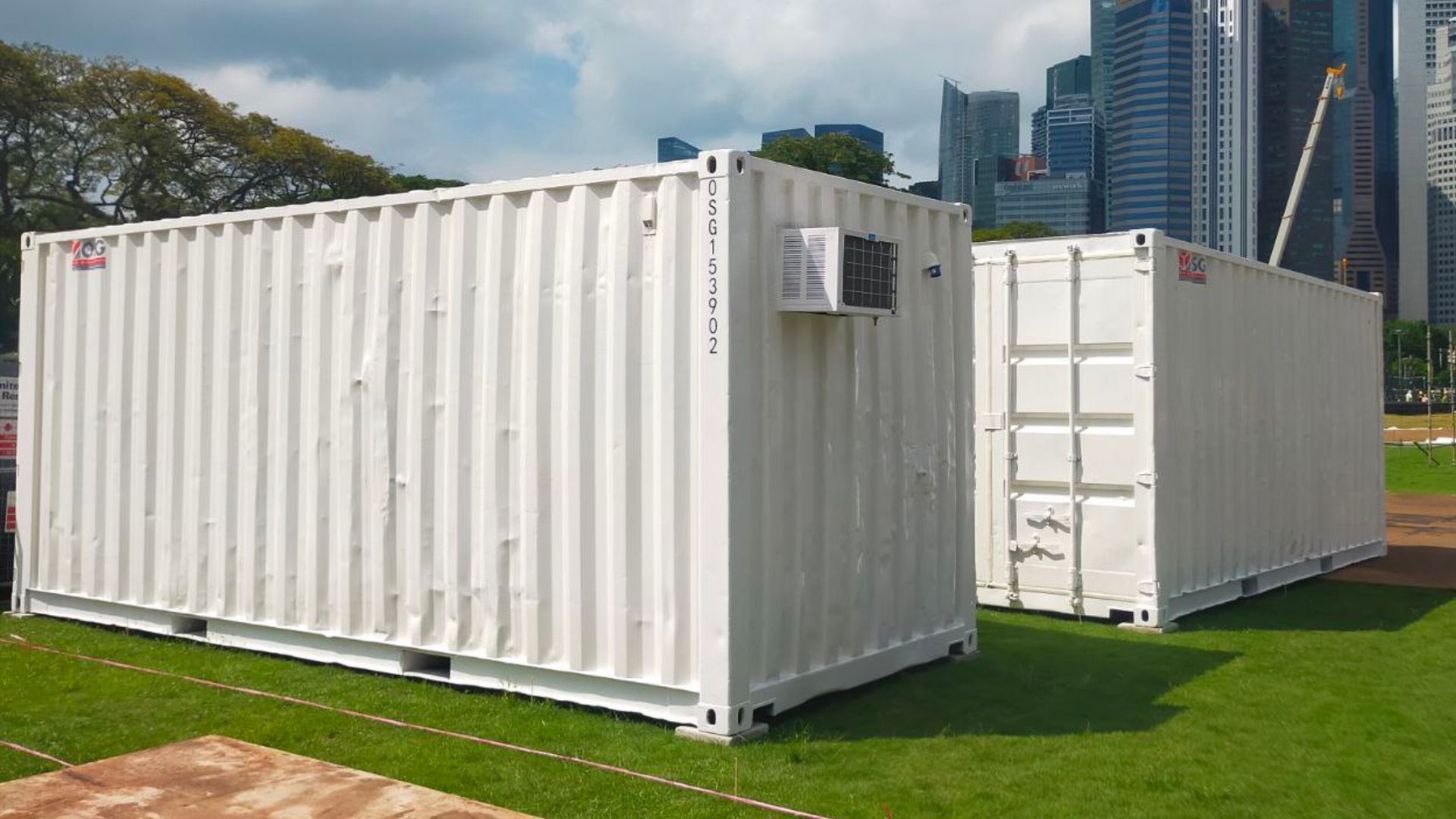
You cannot move commercial cargo across international borders without understanding how a shipping container differs from standard domestic storage boxes. Built entirely from corrugated weathering steel, marine-grade units endure relentless salt spray, heavy deck loads, and multi-modal handling without compromising the payload inside. A standard twenty-foot equivalent unit relies heavily on structural corner castings designed for twistlock engagement during crane lifts, ensuring safety when stacked up to nine high on a cellular container vessel.
Every legitimate unit carries a valid CSC plate. This safety approval plate verifies structural integrity, maximum gross mass, and allowable stacking loads. If a box lacks this metal stamp, port authorities and ocean carriers will reject it at the terminal gate. When you inspect a dry van before use, check the roof bows for dents that could pool water, look for pinhole rust near the bottom rails, and make sure the rubber door gaskets remain supple enough to keep out wind-driven rain.
The market divides units into distinct grades that dictate price and performance. Here is how they stack up for business use:
| Condition Grade | Typical Age | Primary Use Case | Weatherproofing |
|---|---|---|---|
| One-Trip | Under 1 Year | Export cargo, premium site storage | Pristine factory seals |
| Cargo-Worthy | 5 to 10 Years | International ocean freight shipping | Valid CSC plate, wind and watertight |
| Worn Storage | 10 to 15 Years | Static onsite inventory warehousing | Repaired patches, minor surface rust |
Choosing the right grade prevents costly cargo claims down the line. If you plan to ship goods overseas, buying a used storage box that fails inspection will stall your supply chain immediately. Invest in certified units that match your exact operational requirements.
Operational Realities of Moving Cargo via Intermodal Fleets
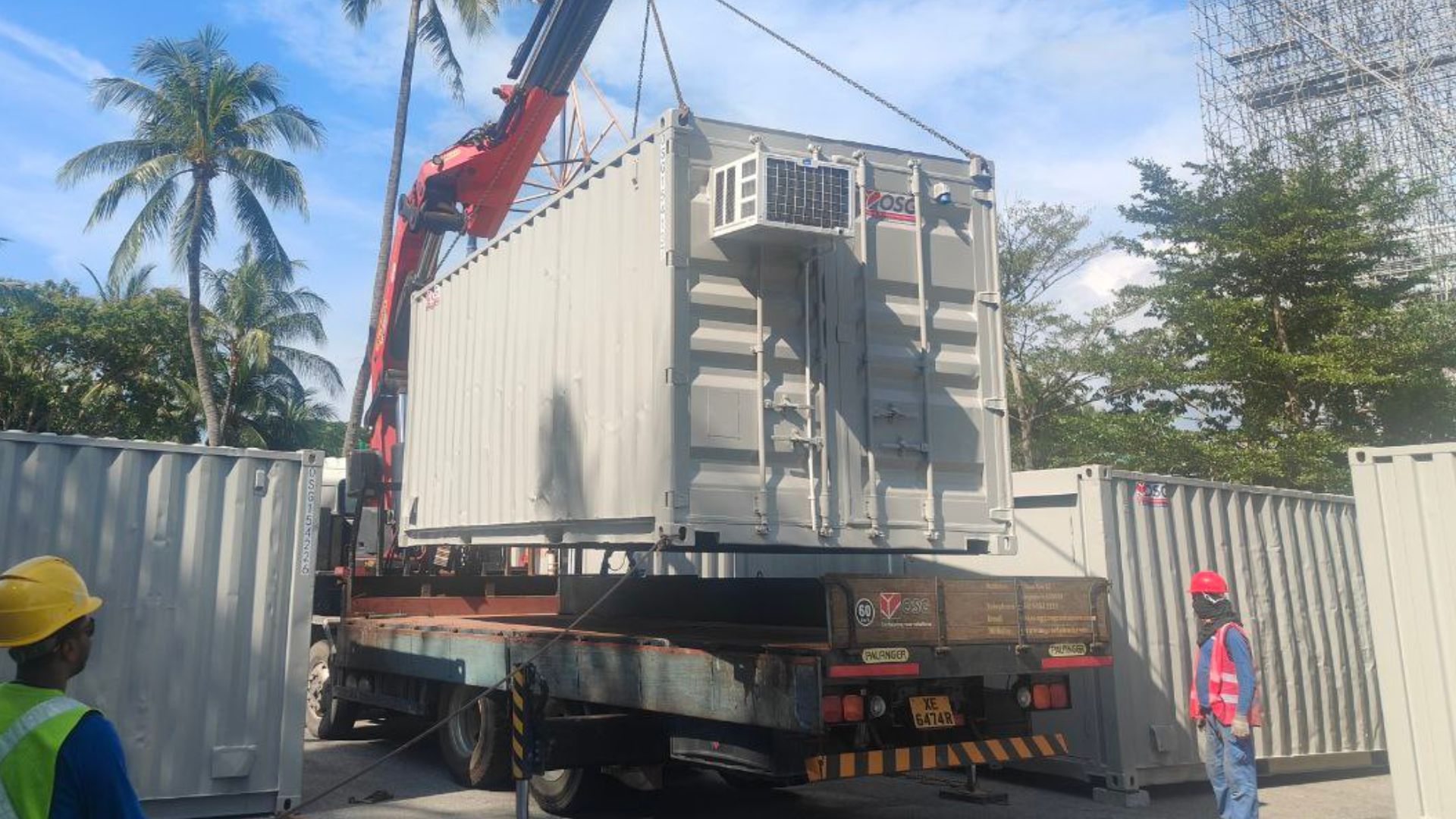
Moving goods requires more than just loading a box; it demands an integrated logistics chain where ship containers move seamlessly between vessels, railcars, and heavy trucks. This intermodal movement reduces cargo handling because the freight stays inside the same sealed steel enclosure from your warehouse floor to the final overseas destination. Streamlining this journey cuts labor costs and protects your merchandise from theft and damage.
Standardized dimensions make this modal shift possible. Chassis locks match container corner castings precisely, allowing a gantry crane to lift a heavy box off a containership and place it directly onto a highway semi-trailer in minutes. To keep your freight moving without delay, follow these essential steps when preparing an intermodal shipment:
- Distribute the weight evenly across the wooden floorboards to prevent axle overloads during highway transit.
- Secure all pallets with heavy-duty ratchet straps or dunnage bags to stop shifting during rough ocean voyages.
- Verify that the door lock rods and security seals are intact before the trucking carrier departs your facility.
- Confirm that the booking reference number matches the physical container number painted on the exterior walls.
Terminal congestion and chassis shortages often disrupt even the best-planned logistics schedules. We advise maintaining close communication with your freight forwarder to track gate cut-off times and avoid expensive demurrage fees at the port.
Managing Liquid Bulk Transport with Specialized Units
Transporting chemicals, food-grade oils, and hazardous liquids demands specialized equipment rather than standard dry boxes. This is where iso tanks play a vital role in global supply chains. Built inside a protective ISO frame measuring twenty feet long, these stainless steel cylindrical vessels allow chemical and food processors to move high volumes of liquid safely across oceans and highways without drum handling.
The engineering behind these cylindrical tanks ensures stability and safety under extreme pressure. A typical unit features steam or electrical heating systems, thick insulation layers, and pressure-relief valves designed to handle corrosive or volatile substances. When you load a liquid bulk shipment, you must check the compatibility of the inner tank lining with your product to prevent chemical reactions that could ruin the entire batch.
- Stainless steel pressure vessel protected by a structural steel outer frame.
- Bottom discharge valves fitted with dual-closure safety mechanisms.
- Calibrated dipsticks and pressure gauges for accurate volume measurement.
- Full compliance with international maritime dangerous goods regulations.
Cleaning and purging these tanks after every run requires certified washing stations. Skipping this critical maintenance step leads to cross-contamination, which can destroy sensitive food-grade cargoes like fruit juice concentrates or liquid sweeteners.
Maintaining Strict Temperature Control for Perishable Goods
Moving fresh produce, pharmaceuticals, or frozen meat across great distances requires an unbroken cold chain. A container reefer provides active mechanical refrigeration to keep internal temperatures steady, no matter how hot it gets outside. Unlike passive insulated boxes, these units generate their own chilled airflow, circulating cold air up from the T-shaped aluminum floorboards through the entire cargo load.
Maintaining precise conditions inside the box requires strict adherence to packing rules. If you block the bottom floor air channels with poorly spaced pallets, the chilled air cannot reach the rear doors, causing hot spots that spoil perishable foods. Modern refrigeration machinery monitors return air temperatures closely, recording data digitally throughout the voyage so you can prove cold chain compliance to your buyers upon delivery.
Engineers design these units to run on shipboard power grids or portable generator sets during over-the-road trucking legs. You must set the correct fresh air exchange ventilation rate before departure, especially when shipping live agricultural produce that gives off carbon dioxide and ethylene gas during transit.
Field Performance and Cold Chain Integrity in Transit
Out on the open ocean, extreme weather tests the durability of your cold chain equipment. A high-performance cntr reefer must withstand corrosive marine environments, violent wave impacts, and drastic temperature swings while maintaining an internal climate that can range from minus twenty-five degrees Celsius to plus twenty-five degrees Celsius.
Thermal mapping studies show that units with dual-compressor systems offer better temperature stability for sensitive pharmaceuticals than older single-stage models. When you plan a perishable cargo move, look at the age of the refrigeration machinery and verify whether the carrier performs pre-trip inspections regularly. A sudden compressor failure offshore can destroy a multi-million-dollar shipment of vaccines or fresh seafood within hours.
Real-time telemetry systems now allow operators to track internal box temperatures and humidity levels via satellite. If a fault code appears on the control panel, shore-based technicians can diagnose the alarm remotely and instruct ship engineers to service the machinery before cargo damage occurs.
Frequently Asked Questions
How many cubic metres in a shipping container?
A standard twenty-foot dry van offers roughly thirty-three cubic metres of internal volume, while a forty-foot high-cube unit provides approximately seventy-six cubic metres of space. Usable capacity is always slightly lower once you account for pallet dimensions and loading clearances.
How much does it cost to ship a container?
Ocean freight pricing fluctuates constantly based on fuel surcharges, seasonal demand, port congestion, and specific trade lane routes. Spot rates can range from a few thousand dollars to much higher amounts during peak shipping seasons or regional labor strikes.
How to purchase a shipping container?
Contact a reputable equipment supplier, specify your required size and condition grade, and arrange for a tilt-bed truck to deliver the unit to your site. Make sure your drop location is level, firm, and has enough clearance for the delivery truck to maneuver safely.
What are shipping containers?
These are heavy-duty, reusable steel boxes built to international standards for moving freight via ship, rail, and truck. Their standardized corner fittings and robust construction form the physical backbone of modern global logistics and intermodal transport.