
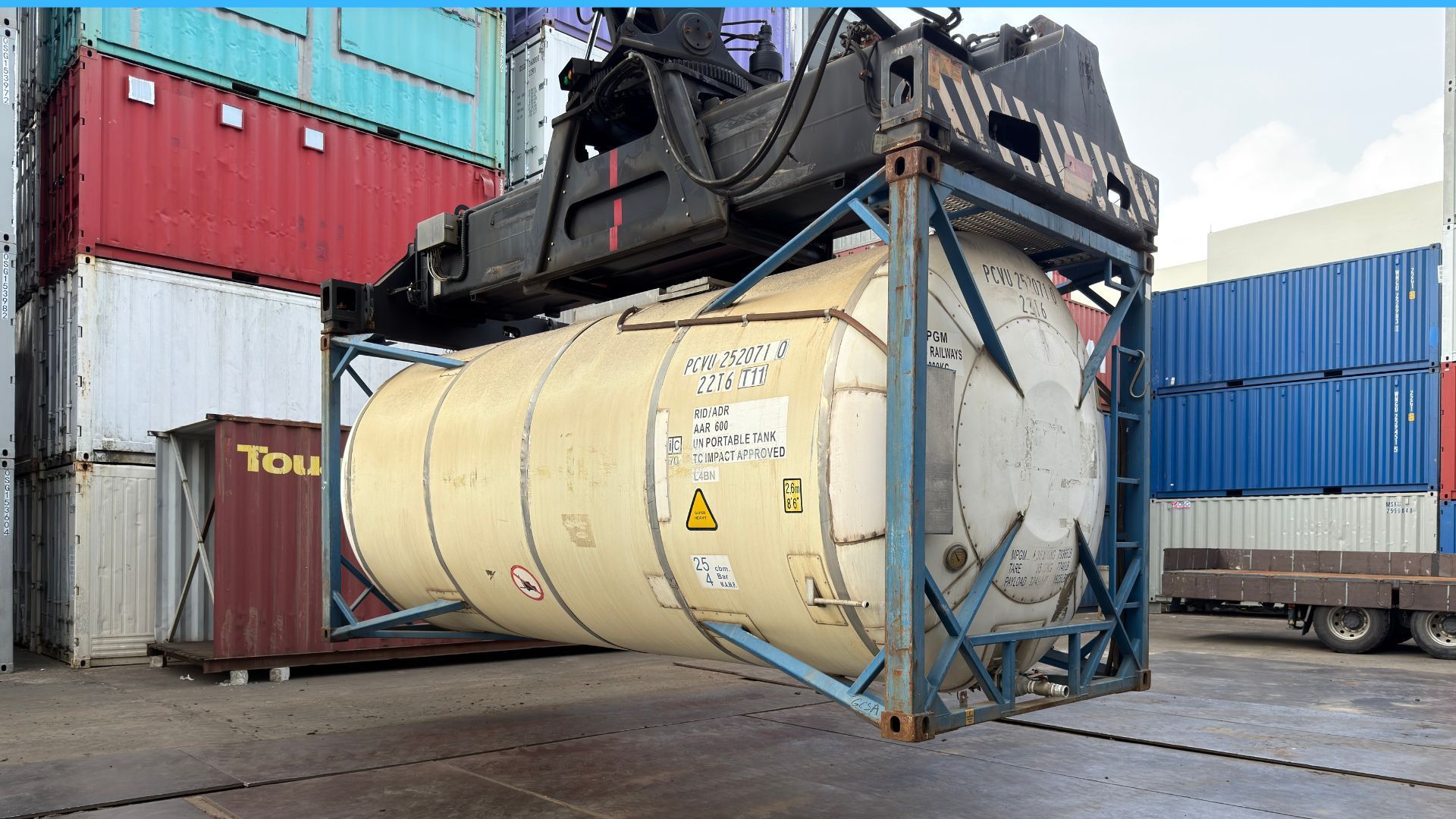
Safe Bulk Liquid Shipping with an ISO Container
An ISO container is a standardized intermodal tank built inside a 20-foot steel frame designed for the safe, bulk transport of hazardous and non-hazardous liquids, gases, and powders across ships, trains, and trucks without intermediate handling.
Understanding the Fundamentals of an ISO Container
Moving bulk liquids across oceans and highways requires a vessel built to withstand immense pressure and harsh weather. When you work with liquid cargo, you cannot rely on standard dry boxes or flexible drums that risk leaks and structural failure during rough seas. An ISO container solves this problem by combining a high-strength stainless steel tank with a standard structural frame. This design lets you transfer fluids seamlessly between ships, trains, and trucks without ever pumping the product out of its primary vessel.
Core design principles
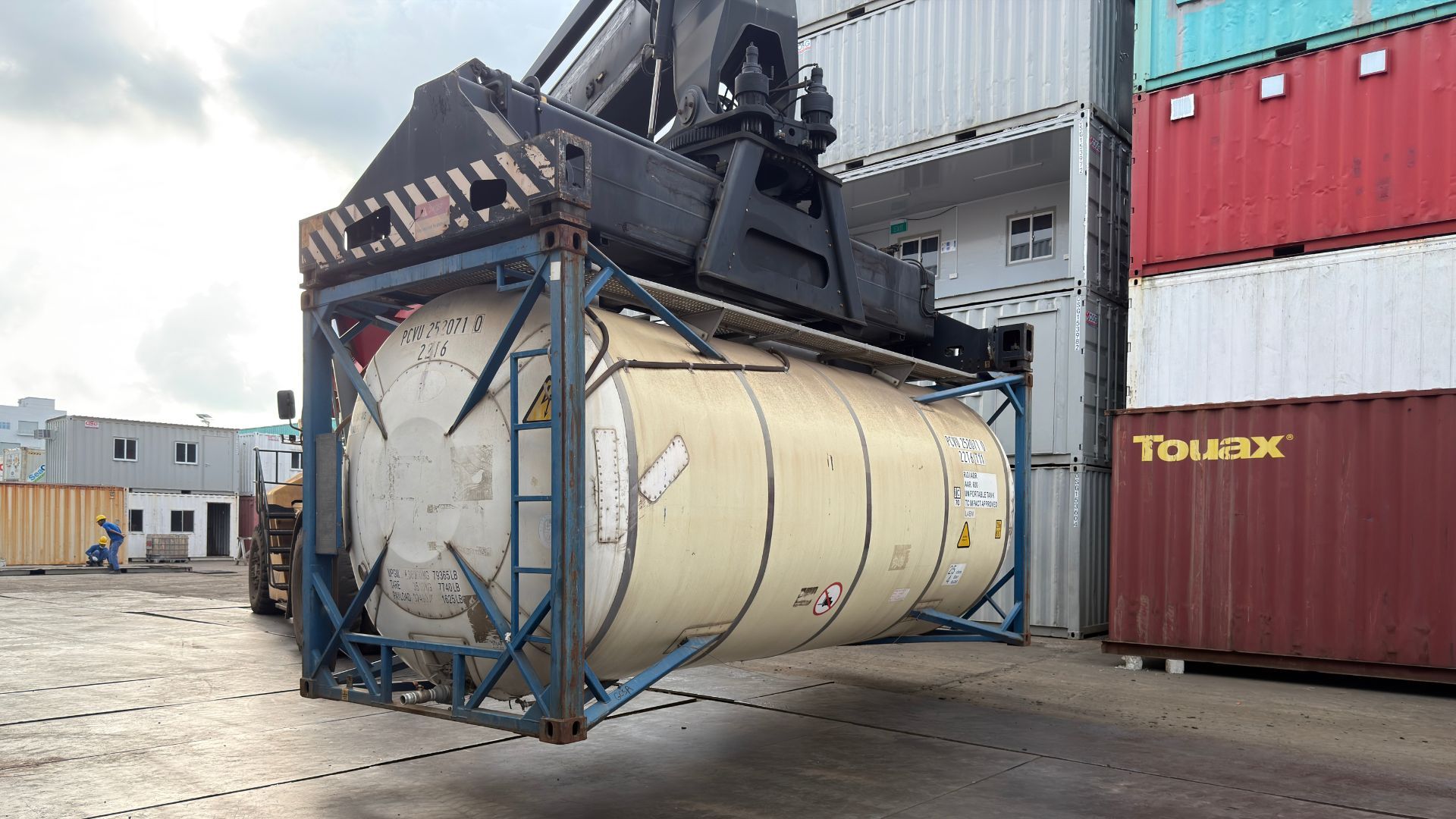
The engineering behind these units centers on a cylindrical pressure vessel cradled inside a protective metal skeleton. This framework matches the exact footprint of a standard intermodal freight box, typically measuring twenty feet long. Structural integrity relies on a frame built from weathering steel that absorbs the heavy forces of stacking and crane lifts, while the inner barrel holds the liquid safely away from external impacts. We build these systems so that the frame takes the mechanical abuse of travel while the inner shell focuses solely on chemical containment.
Standard dimensions and compliance
Global logistics depend on strict uniformity, which is why these tanks follow exact ISO standards for size and corner casting placement. Most units measure twenty feet in length, eight feet in width, and eight feet six inches in height, though high-cube variants add an extra foot of vertical space for lighter, voluminous products. Every single unit carries a valid CSC plate that proves its safety for international transit. You must check this plate before loading any cargo to verify that stack-weight limits and structural tests remain up to date.
What is an ISO Container and How Does It Function?
Many buyers ask us what is an ISO container once they realize standard drums cannot handle their chemical volume. Simply put, it is a specialized industrial tank built inside a 20-foot steel frame designed specifically for the bulk transport of hazardous and non-hazardous liquids, gases, and powders. You load the liquid through a top manlid or fill valve, and you discharge it using gravity or pressure through a bottom outlet valve. The entire assembly acts as a single, durable unit that locks onto container chassis and railcars with standard twist-locks.
Structural integrity
The safety of your liquid cargo depends entirely on the robust build of the inner vessel. We rely on austenitic stainless steel, usually grade 304 or 316, to resist corrosion from aggressive acids, food-grade syrups, and petroleum products. The shell must withstand internal pressures that often reach three bar or more during unloading operations. Baffle plates inside the tank prevent dangerous liquid surge effects when trucks brake hard or ships pitch on the ocean, keeping the vehicle stable and preventing structural stress on the frame.
Intermodal transport capabilities
Supply chains move faster when you eliminate intermediate handling steps. The uniform outer dimensions of these tanks allow them to ride on container ships, transfer to freight trains, and mount on semi-truck chassis without repackaging the contents. This smooth handoff cuts labor costs and reduces the risk of contamination. You can dispatch a chemical load from a factory in Ohio, put it on a railcar, load it onto a cargo ship, and deliver it directly to a plant in Europe using the exact same metal vessel.
Exploring the Utility of ISO Tank Containers
Choosing the right equipment for liquid logistics means looking closely at what ISO tank containers can achieve in real-world operating conditions. These units haul everything from potable wine and fruit juice to corrosive acids and flammable solvents. Because the stainless steel interior is smooth and easy to clean, you can switch between different compatible products after a thorough chemical wash and steam cleaning cycle. This versatility makes them the backbone of the global chemical and food-grade shipping industries.
Handling bulk liquids
Moving liquids in bulk changes your cost structure entirely compared to filling thousands of small plastic drums or intermediate bulk containers. A single 20-foot unit holds upwards of twenty-six thousand liters, concentrating your shipping volume into one secure point. You save hours of labor during loading and unloading, and you eliminate the headache of disposing of hundreds of empty single-use containers at your destination.
Safety features and valves
Liquid safety comes down to the hardware attached to the shell. Every unit features a top discharge pipe, a safety relief valve to vent unexpected pressure spikes, and a robust bottom valve protected by a secondary shut-off system. Safety features and valves must be inspected before every single trip to catch worn seals or sticky handles. If a truck tips over, emergency butterfly valves and fusible links are designed to snap shut automatically, preventing a massive chemical spill on the highway.
| Tank Type | Typical Capacity (Liters) | Max Working Pressure (Bar) | Primary Use Case |
|---|---|---|---|
| Standard Food Grade | 21,000 to 26,000 | 1.5 to 2.0 | Juices, milk, wine, edible oils |
| Hazardous Chemical | 17,500 to 25,000 | 4.0 | Acids, corrosives, toxic liquids |
| Gas Tank | 19,000 to 22,000 | 16.0 to 22.0 | Liquefied petroleum gas, refrigerants |
| Refrigerated Tank | 20,000 to 24,000 | 1.75 to 3.0 | Temperature-sensitive pharmaceuticals |
Operational Benefits of ISO Tank Containers
Renting or buying ISO tank containers transforms your supply chain by cutting out the hidden costs that plague traditional liquid shipping methods. Drums leak, get punctured by forklift tines, and leave behind residual product that you still have to pay to dispose of. Tanks eliminate these losses entirely while protecting your workers from direct contact with hazardous chemicals. When you calculate the total cost of ownership across dozens of shipments, the metal tank always wins on efficiency and loss prevention.
Cost efficiency in logistics
Logistics managers live and die by freight economics. Shipping liquids in bulk lowers your cost per liter drastically compared to drum pallets that waste valuable empty space inside a shipping container. You also reduce port fees because terminals handle these units just like standard dry boxes. Here is how you maximize these savings in daily operations:
- Book multi-modal routes that use the same unit from origin to final destination without opening the seal.
- Schedule backhauls with compatible products to avoid paying for empty return trips.
- Train your staff to perform fast, accurate connections that cut down truck detention fees at the loading dock.
- Keep maintenance logs current to prevent unexpected regulatory delays at international borders.
Environmental safety compliance
Environmental regulators penalize companies heavily for chemical spills, and cleanup costs can bankrupt a small transport operation. The double-walled protection and certified containment systems of these units prevent leaks into soil and waterways. Environmental safety compliance is built right into the design through catchment areas around valves and heavy-duty cladding that resists punctures from falling debris or vehicular collisions.
Choosing the Right Specification for Your ISO Container Tank
Do not assume that every liquid tank on the market can handle your specific product. Selecting the wrong interior lining or pressure rating can lead to a catastrophic chemical reaction that ruins the tank and threatens lives. You need to match the chemical datasheet of your cargo directly with the technical specifications of the equipment. We always advise clients to consult certified marine chemists or tank manufacturers before finalizing a purchase order.
Material grades and linings
The metal that touches your product dictates whether your shipment arrives safely or leaks out halfway across the ocean. Most general chemicals and foodstuffs do well in standard stainless steel, but aggressive acids require specialized polymer linings or higher alloy grades like 316L. Material grades and linings protect the structural shell from chemical attack while ensuring your product does not pick up metallic impurities during transit. If you haul concentrated nitric acid, for instance, you need a specifically passivated stainless steel vessel that resists rapid pitting corrosion.
Capacity and pressure ratings
Capacity and pressure go hand in hand when selecting a unit. If you plan to haul liquefied gases, you need a heavy-duty pressure vessel rated for up to twenty-two bar with thick insulation and sun shields. For simple food-grade oils or latex, a low-pressure gravity-discharge model with a heating steam coil works best. Follow this step-by-step selection process to pick the right build:
- Review the Material Safety Data Sheet (MSDS) of your liquid to identify its specific gravity and hazard class.
- Determine whether your product requires active heating or cooling during transit to maintain its viscosity.
- Select the correct tank code (such as T11 for non-hazardous liquids or T14 for hazardous acids) mandated by international transport rules.
- Verify that the maximum allowable working pressure of the tank exceeds the vapor pressure of your liquid at high ambient temperatures.
- Check the availability of cleaning stations along your route that are certified to wash out your specific cargo residue.
Frequently Asked Questions
What is an ISO container?
An ISO container is a standardized freight container built to ISO standards, designed for the intermodal transport of goods across ships, trains, and trucks. When built as a cylindrical tank within a 20-foot frame, it safely hauls bulk liquids and gases.
What is an ISO tank container?
An ISO tank container is a specialized intermodal container featuring a pressure vessel mounted inside a 20-foot steel frame. It is used worldwide to transport bulk liquids, providing superior protection against leaks, contamination, and rough handling compared to drums or flexitanks.