Storage Container Rental Cost in Singapore: A Guide to Planning Your Rental
Understanding your storage container rental cost is an important part of planning temporary storage for construction projects, industrial operations, and commercial businesses in Singapore. While renting a container provides a flexible alternative to purchasing one, the overall cost depends on several factors beyond the monthly rental charge.
Container size, rental duration, equipment condition, delivery arrangements, and site accessibility can all influence the final quotation. Businesses should also consider their storage requirements and how the container will be used throughout the rental period.
Whether you need additional space for construction materials, machinery parts, tools, or commercial inventory, planning your rental requirements early can help you select a suitable solution and understand the associated expenses.
This guide explains the main factors affecting storage container rental costs in Singapore and what businesses should consider before confirming a rental.
Stage 1: Choose the Right Storage Container Size
Selecting a suitable container size begins with understanding how much storage space is required and whether the unit can fit within the available site.
Choosing a container that is too small may create difficulties when storing or retrieving materials. A larger container may provide additional space, but it also requires a suitable placement area and delivery access.
What Container Sizes Are Available for Rental?
General purpose shipping containers are commonly available in different sizes, including 10ft, 20ft, and 40ft configurations.
Each size may be suitable for different storage requirements. Actual availability depends on the supplier and the selected container type.
| Container Size | Potential Applications | Key Considerations |
|---|---|---|
| 10ft Container | Tools, equipment, spare parts, and smaller inventory quantities | Limited storage capacity, site access, and equipment availability |
| 20ft Container | Construction materials, commercial inventory, and industrial equipment | Storage volume, cargo weight, and placement space |
| 40ft Container | Larger inventory quantities, equipment storage, and industrial applications | Greater site space requirements, delivery access, and loading arrangements |
Container specifications and internal dimensions vary by configuration. Businesses should confirm the actual measurements, capacity, and condition of the available unit before renting.
When Should You Consider a Small Container Rental?
A small container rental may be suitable for businesses that need additional storage without occupying a large area of their premises.
For example, smaller storage containers can be considered for hand tools, maintenance equipment, spare parts, or limited quantities of commercial stock.
However, a smaller container is not automatically the most economical option. Rental availability, delivery requirements, and the amount of storage space needed can affect the overall value.
Businesses should compare suitable container sizes based on their actual requirements rather than selecting the smallest unit available.
How Do You Determine the Right Storage Capacity?
When estimating storage requirements, consider more than the total floor area of the container.
Important factors include:
- Inventory volume: Estimate how much equipment or stock needs to be stored.
- Cargo dimensions: Measure larger items and confirm they can pass through the container doors.
- Loading methods: Consider whether materials will be moved manually or using suitable handling equipment.
- Storage arrangements: Determine whether shelving or internal organisation is necessary.
- Access requirements: Allow suitable space to retrieve frequently used items.
- Future requirements: Consider whether storage needs may change during the rental period.
Planning these requirements helps businesses select a container that supports daily operations without unnecessary space limitations.
Stage 2: Select the Right Container Type for Your Storage Requirements
Different materials require different storage conditions. While standard dry containers are suitable for many general storage applications, some goods require additional protection or specialised equipment.
Understanding the differences between container types is important when planning container rental and storage arrangements for commercial and industrial operations.
What Types of Containers Can Be Used for Storage?
Common container options include:
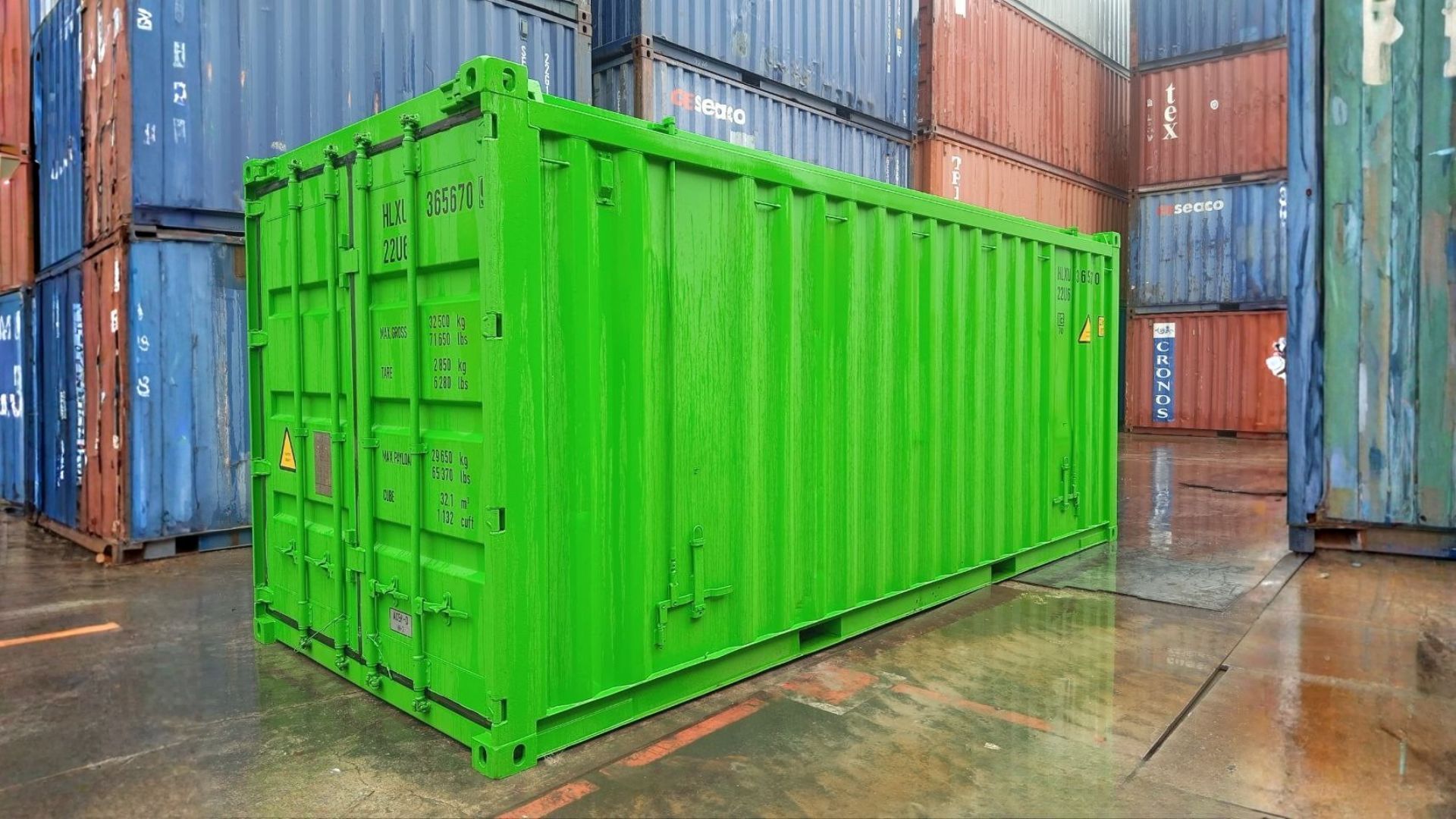
- General Purpose Containers: Enclosed steel containers suitable for dry goods, equipment, tools, and materials that do not require controlled temperatures.
- High Cube Containers: Containers providing additional internal height compared with standard-height units of similar length, subject to the actual configuration.
- Refrigerated Containers: Temperature-controlled units designed for compatible goods requiring specific storage conditions.
- Modified Containers: Containers adapted with additional fittings or layouts for particular operational requirements, subject to availability and approval.
The most appropriate option depends on the characteristics of the goods, storage duration, and intended usage.
Additional features such as ventilation, shelving, insulation, or modified access arrangements may be available depending on the selected container and rental agreement.
When Is a General Purpose Container Suitable?
General purpose containers are commonly used for storing suitable non-temperature-sensitive materials.
Potential applications include:
- Construction tools and equipment
- Industrial spare parts
- Packaged commercial inventory
- Suitable building materials
- Maintenance supplies
- Warehouse overflow stock
However, not every product is suitable for storage in a standard dry container.
Materials that require controlled humidity, ventilation, or temperature should be assessed carefully before being placed in an enclosed steel container.
How Can You Reduce Moisture and Condensation Risks?
Singapore's warm and humid climate makes moisture management an important consideration for container storage.
Temperature changes and moisture inside an enclosed container can contribute to condensation. This may affect goods that are sensitive to humidity or direct contact with water.
Businesses should consider whether their materials require protective packaging, moisture-control measures, ventilation, or specialised storage conditions.
For sensitive products, the suitability of the storage environment should be confirmed before renting the container.
Stage 3: Understand What Affects Storage Container Rental Prices
The total storage container rental price depends on the container specifications, rental arrangements, and services required.
Rather than comparing monthly charges alone, businesses should review the full quotation to understand what is included.
What Factors Influence Storage Container Rental Cost?
Several factors can affect the overall rental quotation:
- Container size: Different container sizes may have different rental charges.
- Container type: General purpose, refrigerated, and modified containers have different equipment requirements.
- Equipment condition: Container condition and available inventory may influence the quoted options.
- Rental duration: The length of the rental agreement may affect the commercial terms.
- Delivery location: Transportation distance and site accessibility can influence logistics charges.
- Additional fittings: Modifications, shelving, or other approved accessories may involve additional costs.
- Collection arrangements: Transport and handling requirements at the end of the rental period should also be considered.
The final quotation depends on the specific requirements and commercial arrangements agreed with the supplier.
Are Delivery and Collection Included in the Rental Price?
Delivery and collection charges may be included in a rental quotation or listed separately, depending on the supplier and agreement.
Businesses should clarify whether the quotation covers:
- Initial container transportation
- Unloading and positioning
- Any additional lifting equipment
- Collection at the end of the rental period
- Additional handling or site-related requirements
Confirming these details before booking helps businesses understand the overall rental expense and avoid misunderstandings.
Can Container Features Affect Rental Pricing?
Specialised equipment and additional features may affect the quoted rental charge.
For example, refrigerated containers contain mechanical and electrical equipment that differs from a standard dry storage container.
Modified containers may also require additional fittings or preparation work depending on the intended application.
Businesses should request quotations based on the required specifications rather than assuming that all containers of the same size have identical rental costs.
Stage 4: Plan Container Delivery and Site Preparation
Transportation and site conditions are important considerations when renting a storage container in Singapore.
The delivery method depends on the selected unit, available access, unloading requirements, and intended placement location.
What Should You Check Before Container Delivery?
Before arranging delivery, businesses should review the following:
- Site access: Confirm that delivery vehicles can reach the intended location.
- Gate clearance: Check whether entrances provide sufficient space for the selected transport equipment.
- Overhead clearance: Identify any trees, cables, structures, or other obstructions.
- Ground conditions: Determine whether the placement area can safely support the container and its expected load.
- Unloading space: Confirm that suitable space is available for the required lifting or unloading method.
- Container orientation: Plan the door direction and accessibility for daily use.
- Site restrictions: Review relevant access procedures, operating hours, and permission requirements.
Providing accurate site information before delivery can help the transport provider assess the necessary arrangements.
When Is a Lorry Crane Required?
Lorry cranes may be used to transport and position containers where lifting equipment is required at the destination.
However, the appropriate method depends on the container's size, weight, lifting requirements, and site conditions.
Not every delivery requires the same equipment.
The transport provider should determine the suitable vehicle and lifting arrangement before the scheduled delivery.
Why Is Ground Preparation Important?
Storage containers require suitable support at their intended placement locations.
Uneven or inadequate ground support may affect container alignment, stability, and door operation.
The appropriate support arrangement depends on the container's specifications, expected loading, site conditions, and intended use.
Where necessary, obtain suitable technical advice before positioning the container.
Stage 5: Compare Short-Term and Long-Term Storage Container Rental Rates
Rental duration can influence the overall cost of using a storage container.
Businesses should compare available storage container rental rates based on their expected project duration and operational requirements.
How Does Rental Duration Affect the Quotation?
Suppliers may offer different rental arrangements depending on the length of use, container type, and commercial conditions.
Short-term rental may be appropriate for temporary projects, renovation works, seasonal inventory requirements, or other activities with limited operating periods.
Longer rental arrangements may suit construction projects, industrial operations, or businesses requiring additional storage over an extended period.
However, longer commitments do not automatically guarantee lower total costs.
Businesses should request quotations for the intended rental duration and compare the overall commercial terms.
What Should You Clarify Before Signing a Rental Agreement?
Before confirming a rental, review the agreement carefully.
Important items include:
- Rental period and billing arrangements
- Monthly or agreed rental charges
- Delivery and collection costs
- Security deposits, if applicable
- Maintenance and repair responsibilities
- Permitted usage and modification restrictions
- Damage liability and return conditions
- Rental extension procedures
- Early termination conditions, if applicable
These terms vary between suppliers and rental agreements.
Businesses should avoid assuming that maintenance, insurance, or collection services are automatically included unless explicitly stated.
When Should You Book a Storage Container?
Booking requirements depend on container availability, delivery arrangements, and the intended project start date.
Planning ahead provides more time to confirm equipment specifications, review quotations, and coordinate site access.
However, there is no universal booking period that guarantees availability or lower rental charges.
Businesses should contact their supplier once their storage requirements and expected delivery schedule are reasonably clear.
Stage 6: Inspect Your Storage Container Before Use
Inspecting a container at delivery helps confirm that the unit is suitable for its agreed application and allows any visible concerns to be documented.
The inspection should be conducted safely and according to the intended use of the container.
What Should You Check During Container Handover?
Depending on the container type, a basic inspection may include:
- Exterior condition: Check for visible damage, corrosion, or signs of water ingress.
- Doors and locking mechanisms: Confirm that accessible doors and locking components operate correctly.
- Door seals: Check for visible deterioration, damage, or missing sections.
- Flooring: Look for damaged surfaces, excessive wear, or contamination concerns.
- Roof and walls: Inspect accessible areas for visible holes or damage.
- Ventilation: Check that any existing ventilation openings are in suitable condition.
- Additional fittings: Confirm that the agreed accessories or modifications are present.
Any defects should be reported to the supplier and recorded during the handover process.
Inspections should not involve unsafe practices such as allowing someone to become locked inside a container or attempting unqualified structural testing.
Why Should You Document the Container's Condition?
Photographs and condition records can help establish the state of the container at the beginning of the rental period.
Businesses may wish to document visible exterior marks, flooring condition, door components, and any existing damage.
These records can be useful when discussing maintenance, repairs, or return conditions with the supplier.
The treatment of damage and fair wear and tear should follow the actual rental agreement.
What Should You Check Before Returning a Container?
Before the agreed collection date, review the supplier's return requirements.
Depending on the rental arrangement, preparation may include:
- Removing stored equipment and inventory
- Clearing waste and personal belongings
- Reporting any operational issues
- Arranging safe disconnection of services, where applicable
- Ensuring suitable access for the collection vehicle
- Confirming the agreed collection arrangements
Preparing for collection helps coordinate the return process and reduce avoidable scheduling issues.
Frequently Asked Questions About Storage Container Rental in Singapore
How Much Does Storage Container Rental Cost in Singapore?
Storage container rental costs depend on the container size, type, condition, rental duration, delivery location, and additional services required.
Businesses should request a quotation based on their specific requirements and clarify which transportation or handling services are included.
Can I Rent a Storage Container for Short-Term Use?
Yes, short-term storage container rental options may be available depending on the supplier, selected equipment, and rental terms.
Businesses should confirm the minimum rental period and any extension or termination conditions before booking.
Is a 20ft or 40ft Container Better for Storage?
The appropriate size depends on the quantity and dimensions of the goods, available site space, and handling requirements.
A 20ft unit may be suitable for smaller storage requirements, while a 40ft container provides additional internal length and storage volume.
However, the selected unit must also be suitable for the intended load and site conditions.
Can Storage Containers Be Modified?
Some containers can be adapted with additional fittings such as shelving, ventilation, insulation, or modified access arrangements.
However, modifications to rented containers should only be undertaken with the supplier's approval and any necessary technical assessment.
Who Is Responsible for Repairs During the Rental Period?
Repair and maintenance responsibilities depend on the rental agreement.
Businesses should confirm which party is responsible for maintenance, accidental damage, equipment faults, and any associated service charges.
Can a Standard Storage Container Hold Temperature-Sensitive Goods?
Standard dry containers do not provide active temperature control.
Goods requiring specific temperature or humidity conditions may need specialised equipment or additional storage measures.
The suitability of the container should be confirmed according to the product requirements before storage.
Why Choose OSG Containers for Storage Container Rental in Singapore?
OSG Containers provides shipping container solutions for businesses involved in construction, logistics, industrial operations, and commercial storage.
Our product range includes General Purpose containers in different sizes, with rental and purchase options available depending on the selected equipment.
We also provide container-related services such as transportation, lifting, positioning, and selected modification works.
Whether you need additional storage for a construction project, industrial facility, or commercial operation, our team can help you review suitable options based on your requirements.
Container availability, rental conditions, and delivery arrangements should be confirmed when requesting a quotation.
Plan Your Storage Container Rental with OSG Containers
Choosing the right storage container involves understanding your space requirements, selecting suitable equipment, and reviewing the full rental quotation.
Container size, rental duration, transport arrangements, site accessibility, and return conditions can all affect the overall cost.
By reviewing these factors before booking, businesses can make more informed decisions and prepare for their storage requirements.
Looking for Storage Container Rental in Singapore?
Explore our General Purpose shipping containers for construction, industrial, and commercial storage applications. Contact our team to discuss available container sizes, rental options, and delivery requirements.
Explore Shipping Containers