
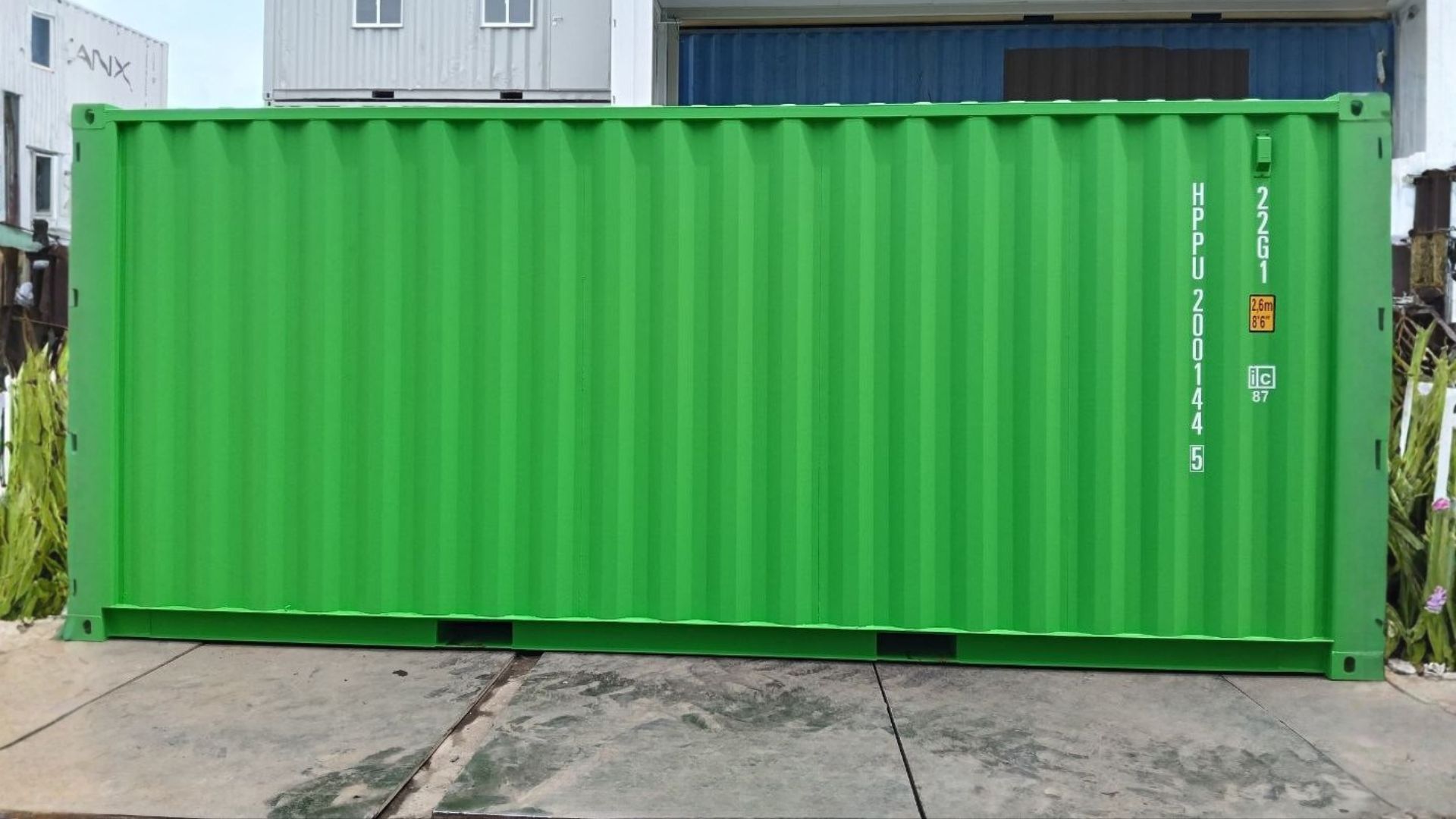
When to Buy a Cargo Container
Timing your shipping container purchase correctly helps avoid seasonal price spikes, regional supply shortages, and inflated delivery fees. By analyzing steel market cycles, regional depot inventory gluts, and total ownership expenses, you can secure secure storage boxes or modified workspaces at the optimal price point.
Evaluating Market Timing and Demand
You need a secure storage box or a modified workspace, but stepping into the market at the wrong time can add hundreds of dollars to your invoice. Steel prices, global trade imbalances, and the simple rhythm of the weather dictate what you pay. When shipping lines dump excess inventory in certain ports, availability spikes and prices drop. If you time your move to catch these regional gluts, you save real money.
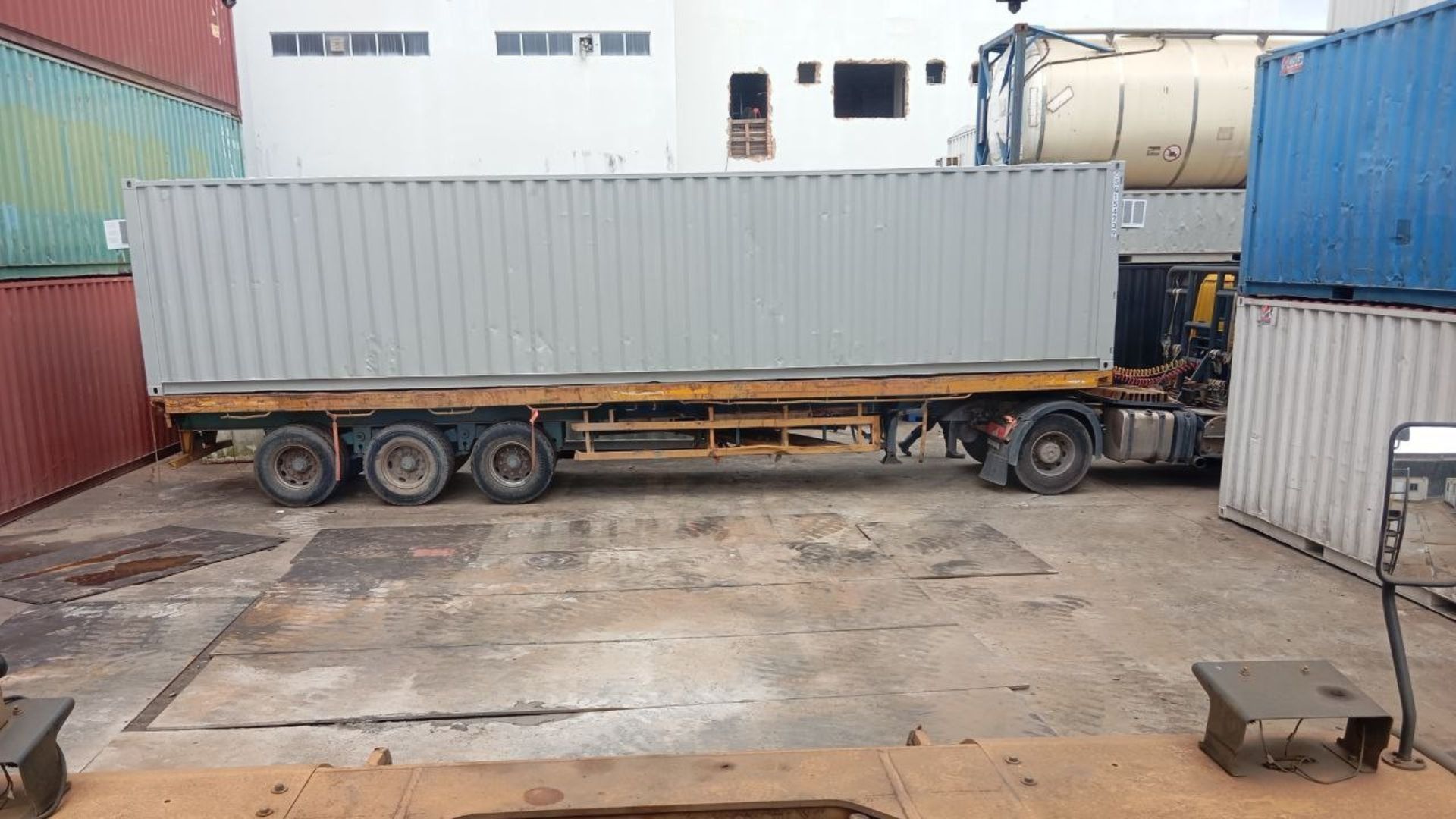
Analyzing seasonal fluctuations in availability
Construction slows down in the winter across North America and Europe, which means contractors stop renting and buying mobile storage. Depot operators find themselves sitting on empty inventory that costs them space. You can often secure a better deal between November and February because yards want to clear space for the spring rush. Conversely, summer brings peak demand. Retailers stock up for the holiday season, and construction sites run at full tilt, driving up competition for dry vans and high-cube units.
- Winter dip: Lower demand from the construction sector leads to wider selection and motivated sellers in northern regions.
- Summer surge: Peak shipping volumes tie up equipment, driving up costs and thinning out local depot inventories.
- Weather impact: Heavy rains or freezing temperatures in key repositioning hubs slow down truck movement, temporarily tightening local supply.
Assessing macro economic factors affecting supply chains
Macroeconomic shifts dictate container flows long before a box ever reaches a local depot. When international trade deficits grow, loaded boxes move in one direction while empty ones pile up in the wrong ports. Shipping lines pay to reposition these boxes, but they also sell off older units to cut their losses. You should watch retail import volumes and manufacturing output indices. If imports slow down at major ports, empty depot yards soon follow with surplus stock ready for local buyers.
We see direct correlations between industrial manufacturing slowdowns and retail inventory gluts. When consumer spending cools, retail distribution centers halt their equipment expansion plans. Depots respond by lowering their reserve prices to move stagnant steel. You can track these broader trade patterns through public shipping indexes to spot the right window for your purchase.
Assessing Initial Budget Requirements
Setting your project budget demands more than a quick glance at a price tag online. A standard steel box requires a solid foundation, a clear truck path, and upfront cash for the unit itself. If you underestimate these baseline figures, your project stalls before the crane even leaves the depot. You must separate the cost of the steel from the cost of putting it on your ground.
Reviewing baseline figures for standard units
A standard 20-foot or 40-foot dry van forms the backbone of the secondary market. You can expect a used, wind-and-water-tight unit to serve basic storage needs without breaking the bank. Premium high-cube units cost slightly more because they give you an extra foot of vertical clearance. We advise choosing a cargo-worthy grade if you plan to move the box again via rail or ship, while an 'as-is' or wind-and-water-tight box works fine for static ground storage.
| Container Type | Typical Length | Primary Use Case | Condition Grade |
|---|---|---|---|
| Standard Dry Van | 20 Feet | Compact tool storage, heavy material stockpiles | Wind and Water Tight / Cargo Worthy |
| Standard Dry Van | 40 Feet | General warehousing, large inventory storage | Wind and Water Tight / Cargo Worthy |
| High Cube | 40 Feet | Office conversions, tall pallet storage | Cargo Worthy / One Trip |
Factoring in regional market variations
Where you buy matters just as much as what you buy. Inland cities far from major container ports face higher delivery costs because trucks must haul the unit hundreds of miles from the nearest rail ramp or seaport. Coastal hubs close to major import terminals enjoy a steady supply of cheap surplus, keeping local purchase prices low. You should always check depots within a 100-mile radius of your site to compare regional inventory levels.
- Map out every major container depot within your state or province.
- Call each yard to ask about their current stock of standard dry vans versus high cubes.
- Compare the quoted unit price against the estimated trucking mileage from that specific yard to your property.
- Factor in local sales tax and municipal permit fees, which vary wildly between rural townships and major metropolitan zones.
Calculating Total Ownership Expenses
The sticker price is only the opening chapter of your financial commitment. Once you commit to acquiring a cargo container, several secondary expenses drop onto your desk. Ignoring these line items turns a straightforward purchase into a budget overspend. You need to calculate site prep, delivery logistics, and structural changes before you sign any paperwork.
Identifying hidden delivery and handling fees
Getting a 40-foot steel box from a depot to your backyard takes specialized heavy machinery. Tilt-bed trailers are common, but they require plenty of clearance room for the truck to pull straight ahead as the bed lifts. If power lines, narrow gates, or soft soil block the tilt-bed truck, you will need a crane service, which charges steep hourly rates. Always ask your vendor to verify the exact drop-off requirements before dispatching the driver.
- Tilt-bed trucking: Standard delivery method, but requires roughly 100 feet of straight clearance for a 40-foot unit.
- Crane service: Necessary for tight urban spots or placement over fences, adding significant contractor costs.
- Site prep materials: Crushed gravel, concrete piers, or railroad ties to keep the steel off damp ground and prevent rust.
Evaluating structural modification outlays
Stock containers are secure, but they are dark, uninsulated steel boxes. Turning one into a workshop, office, or retail kiosk means cutting into the corrugated walls for doors, windows, and HVAC systems. Every cut compromises structural integrity, requiring professional reinforcement with steel tubing around the openings. You must budget for spray foam insulation, interior framing, electrical wiring, and marine-grade paint if you want a comfortable, long-lasting space.
We recommend hiring a specialized modification shop if your design requires complex cutouts or plumbing. Doing it yourself saves labor cash upfront, but improper welds lead to leaks and rust down the line. Factor in the cost of professional anti-corrosion primers and sealants to protect any modified seams from weathering prematurely.
Comparing Vendor Quotations and Rates
Comparing quotes from different container brokers requires a sharp eye. Two vendors might offer the exact same 40-foot high-cube unit, but their final invoices look entirely different once you read the fine print. You have to strip away the marketing language and look at the raw cost of the unit, the delivery mileage fee, and any mandatory prep charges.
Analyzing volume discount structures
If your operation requires multiple storage units for a growing business or a large construction site, you hold leverage. Most brokers and depot operators offer tiered volume discounts when you buy three or more units at once. Independent brokers often beat major national aggregator websites because they own their inventory or work directly with local steamship lines. You should always request a tiered quote that shows the price break for bulk orders.
- Request baseline pricing for a single unit delivered to your exact zip code.
- Ask the sales representative for volume breaks at three, five, and ten units.
- Verify whether the quoted discount applies to the unit price, the delivery fee, or both.
- Confirm that all units in a bulk order share the same condition grade, such as cargo-worthy or wind-and-water-tight.
Spotting hidden surcharges in official invoices
An initial online quote rarely matches the final invoice. Shady brokers add fuel surcharges, lift fees at the depot, and environmental disposal fees right before processing your payment. You should demand an itemized quote that breaks out the equipment cost, taxes, delivery mileage, and any special handling charges. If a vendor refuses to itemize their fees, walk away and find a transparent supplier.
We advise getting quotes from at least three distinct suppliers before making your choice. Pay close attention to payment terms. Reputable dealers accept major credit cards or ACH transfers and do not demand wire transfers to personal accounts. Always protect your purchase by securing a written guarantee on the condition of the steel upon arrival.
Tracking Long-Term Market Valuation Trends
A steel storage box is a durable asset that retains residual value much better than wooden sheds or fabric tents. Understanding how these assets depreciate helps you plan your balance sheet or calculate your cost per year of use. A well-maintained container bought during a market dip can often be resold years later for close to what you paid for it.
Monitoring historical depreciation rates
Shipping containers depreciate slowly during their first decade of service, provided they avoid severe structural damage or chemical contamination. A used box that already spent five years on the ocean has absorbed most of its heavy depreciation. When you buy a used unit, it holds a relatively stable floor value tied directly to the cost of scrap steel and replacement manufacturing in Asia. You can view your purchase as a depreciating tool or, in times of high inflation, a surprisingly stable store of value.
- First five years: Rapid depreciation as the box transitions from active maritime trade to secondary storage.
- Steady state: Years six through twenty see minimal valuation loss if the roof, floor, and doors remain sound.
- Scrap floor: The ultimate bottom of the market is set by the weight of the corrugated weathering steel.
Evaluating resale value retention across regions
The resale market for steel containers mirrors local industrial activity. If you set up your box in a booming agricultural region or a fast-growing logistics hub, finding a local buyer when you finish your project takes very little effort. In remote rural areas, finding a buyer means you might have to pay transport costs to haul the box to a populated market. You should factor potential resale logistics into your original purchase plan.
We suggest keeping maintenance records and touching up paint scratches with rust-inhibiting primer every spring. A clean, dent-free door and functional lockbox add hundreds of dollars to your resale price when you finally decide to clear the property. Simple upkeep ensures your initial investment returns maximum value at the end of its run.
Frequently Asked Questions
What is the average cost of a cargo container?
The average price of a cargo container depends heavily on its size, condition, and location. A standard 20-foot wind-and-water-tight unit typically ranges from 1,500 to 2,500 dollars, while a 40-foot high-cube unit generally runs between 2,500 and 4,500 dollars. Brand new or one-trip containers command higher figures, often exceeding 5,000 dollars before delivery fees.
How do cargo container prices fluctuate throughout the year?
Prices tend to peak during the spring and summer construction seasons when demand from contractors and retailers spikes. Conversely, prices soften during the winter months when outdoor project starts slow down, giving buyers more room to negotiate with depots eager to clear yard space.
What factors influence cargo container expenses upon delivery?
Delivery expenses depend on the distance between your site and the nearest depot, the type of truck required, and site accessibility. Tilt-bed trailers offer standard drop-offs if you have clear clearance, while tight spaces or overhead obstructions require costly crane services. Ground preparation materials like gravel pads or concrete piers also add to the final setup cost.