
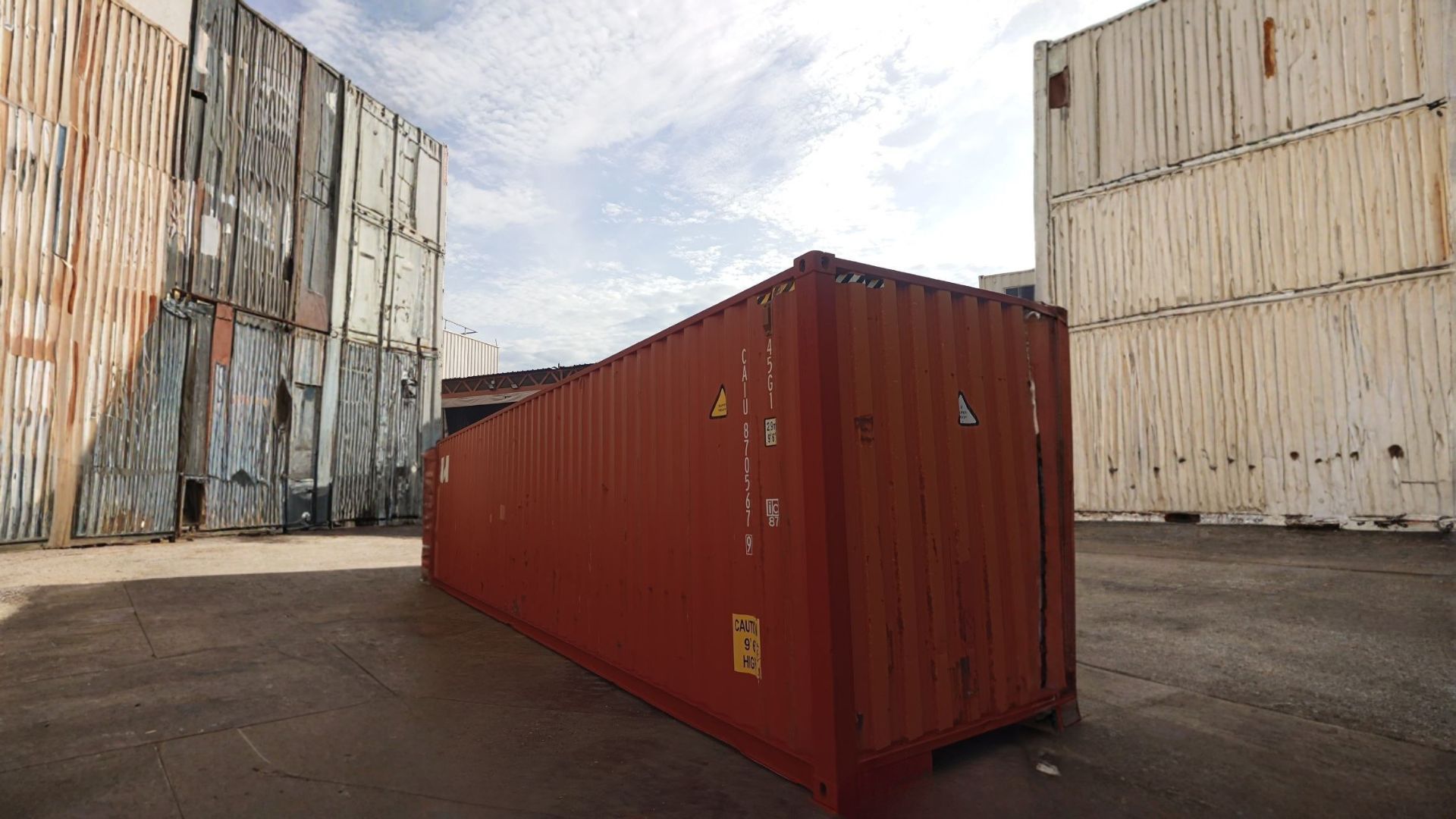
Evaluating a High Cube Sea Container
To evaluate a high cube sea container, inspect the structural frame for corner post damage and top-rail sagging, test door gaskets for light leaks, check marine-grade plywood flooring for soft spots, and verify the CSC safety plate and maximum payload limits before purchase.
You need extra headroom for bulky cargo, or perhaps a reliable shell for a static site office, and standard equipment simply falls short. A high cube sea container gives you that essential extra foot of vertical space, changing how you pack goods or build out an interior. Yet when you inspect used or single-trip inventory sitting on a depot lot, small oversights lead to expensive repairs later. We look at hundreds of these units every month, and the difference between a sound box and a money pit usually comes down to a methodical physical check.
Inspecting Structural Integrity and Dimensions
Before you commit capital, you must confirm the physical envelope of your high cube sea container matches your operational needs. A standard box stands at eight feet six inches, but this model reaches nine feet six inches tall, while keeping the standard eight-foot width and twenty-foot or forty-foot lengths. That extra foot matters for pallet stacking or overhead insulation, but it also alters the leverage on corner posts during transport. You need to walk the perimeter and read the frame with a critical eye.
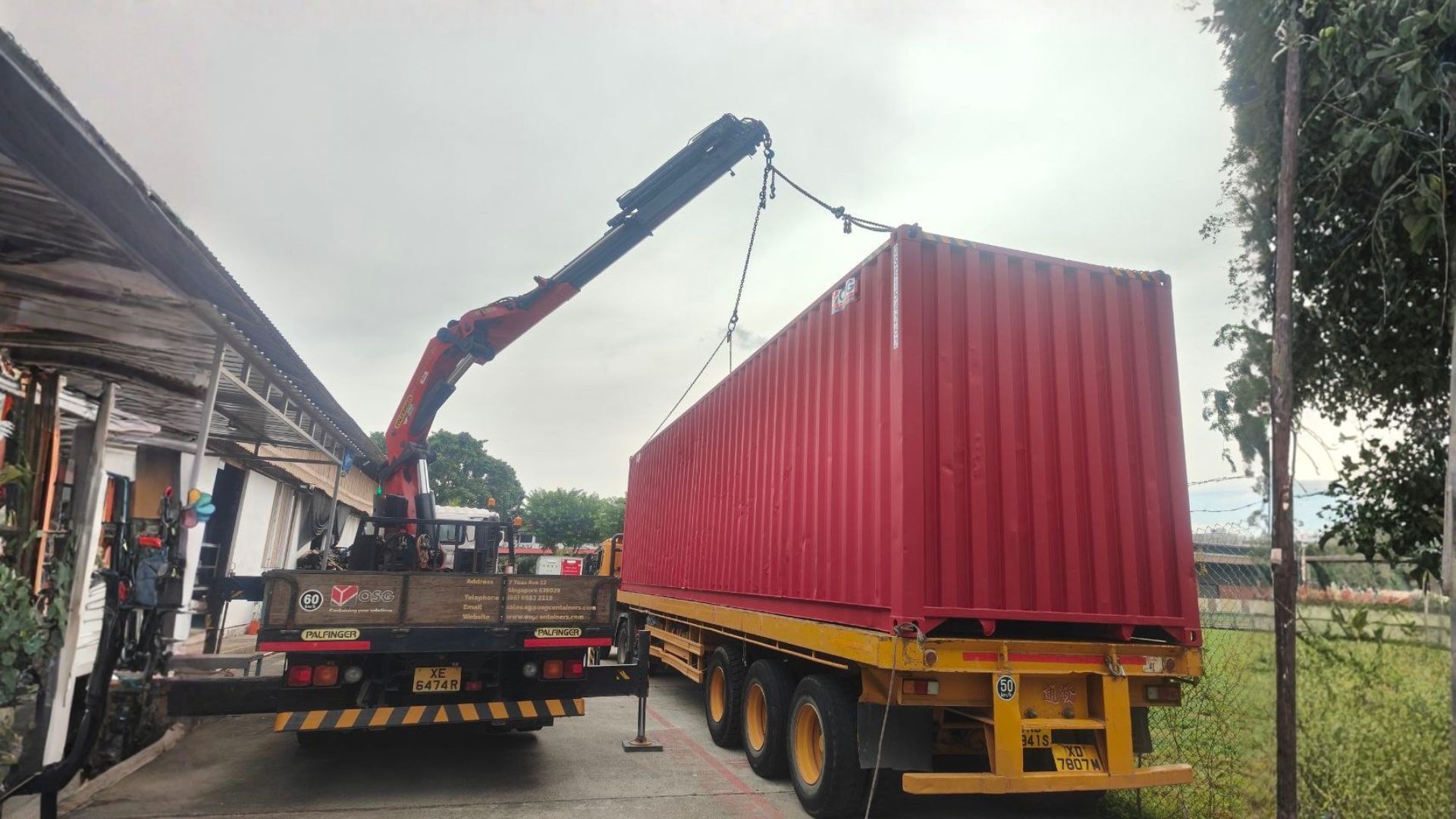
Checking the extra vertical clearance
Measure the interior height from the top of the wooden floor to the bottom of the ceiling corrugations to ensure you actually have the full nine feet and five inches of clearance. Check the top rails running the length of the roof for any downward sagging, which happens when heavy loads sit on top of the unit during yard storage. If you spot a bow in the top rail, the structural integrity is compromised, and the doors will likely jam.
Identifying rust and structural damage
- Inspect the four corner posts closely, as these bear the entire weight load during crane lifts and container stacking.
- Look for deep pitting or rust scaling along the bottom side rails, where standing water tends to pool.
- Check the corrugated steel walls for heavy dents that push inward, which reduce your usable interior width.
- Tap suspicious spots with a hammer to test for thin, rusted-through metal that requires patch welding.
Evaluating Weatherproofing and Sealing
A structurally sound box is useless if moisture creeps inside and ruins your inventory. We often see units that look fine from a distance, yet fail the most basic light test. You have to treat every used box as guilty of leaking until proven innocent. The gaskets around the doors and the condition of the roof panels dictate whether your cargo stays bone dry through a heavy tropical downpour.
Testing door gaskets and seals
Close both cargo doors from the inside on a bright day and look around the rubber gaskets for any glowing slivers of daylight. Run your hand along the full perimeter of the rubber seals to check for dry rot, cracks, or hardened sections that no longer compress against the frame. If the cam-keepers and locking rods do not pull the doors tight into the seals, wind-driven rain will find a path inside.
Checking for pinholes and light leaks
- Step inside the closed container with the lights off and wait a minute for your eyes to adjust to the dark.
- Scan the entire roof and upper wall panels for pinprick spots of light shining through oxidized metal.
- Examine the welds around the fork pockets underneath the floor for hairline cracks that let ground dampness rise.
- Walk the roof perimeter to ensure the overlapping welds on the Corten steel sheets remain intact and sealed.
- Check the corner castings for any gaps in the factory seam sealant where water can pool and seep inward.
Verifying Flooring and Weight Capacity
The floor takes the heaviest beating during daily operations, whether you drive forklifts inside or store dense machinery. Most units feature thick marine-grade plywood treated to resist rot and insects, but age and moisture take a severe toll. You need to know how much weight the base can safely hold before you load your stock or start a conversion project.
Assessing marine plywood condition
Look underneath the chassis from the exterior to inspect the crossmember spacing and the underside of the wooden flooring for signs of soft spots or white mold. Inside, walk across the entire surface and listen for hollow crunches or feel for sections that dip under your weight. Avoid any unit with chemical spills, oil stains, or delaminated plywood, because replacing a marine floor requires specialized tools and eats into your budget.
Checking maximum payload limits
Every box carries an official data plate on the left door that lists its maximum gross mass and tare weight. You subtract the empty tare weight from the gross weight to find the payload limit, which typically sits around 28,000 to 30,000 kilograms for a forty-foot unit. Keep in mind that the taller walls of these high cube units add slight tare weight compared to standard boxes, so verify your loading calculations match the specifications.
| Container Type | External Height | Internal Height | Max Gross Weight |
|---|---|---|---|
| Standard 20ft | 8 ft 6 in (2.59 m) | 7 ft 10 in (2.39 m) | 30,480 kg |
| High Cube 40ft | 9 ft 6 in (2.90 m) | 8 ft 10 in (2.69 m) | 32,500 kg |
| Standard 40ft | 8 ft 6 in (2.59 m) | 7 ft 10 in (2.39 m) | 30,480 kg |
Sourcing and Inspection in Local Markets
Buying shipping equipment requires dealing with regional depots, brokers, and logistics yards where conditions vary wildly. When you source a high cube container, you are dealing with a dense port hub that handles massive volumes of international transit gear. Depot operators store units stacked high in open-air yards, meaning accessibility for your personal inspection depends entirely on how the yard manager runs the facility.
Evaluating depot conditions
Ask the yard operator to pull the specific unit you want to buy out of the stack so you can walk around all four sides on flat ground. Avoid buying sight-unseen based on a generic grading code like cargo-worthy or wind-and-water-tight, because different yards interpret those grades with alarming flexibility. A reputable seller lets you climb inside, test the doors, and check the CSC plate without rushing your inspection process.
Verifying certification plates
- Locate the silver or steel CSC safety approval plate riveted to the outer right door of the unit.
- Check the manufacture date stamped on the plate to understand the age and active service life of the steel.
- Look for the valid ACEP or examination date sticker, which proves the unit meets international safety standards for shipping.
- Confirm the serial number stamped on the frame matches the paperwork provided by the broker before you sign anything.
Calculating Total Investment and Hidden Fees
The sticker price on a used box is only the starting point of your financial commitment. When you evaluate cost, you must factor in the logistical chain required to get that heavy steel box from the depot floor onto your property or site. Skipping these secondary costs leads to budget overruns that catch first-time buyers off guard.
Comparing purchase versus modification expenses
A single-trip unit costs considerably more than a cargo-worthy used box, but it saves you money on bodywork if you plan to paint it or cut window openings. If you are building a workshop or pop-up cafe, spending more upfront for a clean, dent-free shell reduces your fabrication labor hours. Weigh the price of raw steel against the cost of hiring a contractor to cut out rust and weld in new structural supports.
Factoring in delivery and handling charges
- Request a clear breakdown of transport fees from the depot to your specific drop-off site.
- Check whether the quoted price includes a side-loader truck or if you need to hire a separate crane service to lift the box off the trailer.
- Assess your site access to ensure a heavy multi-axle truck can navigate the turns and overhead power lines without getting stuck.
- Budget for ground preparation, such as pouring concrete footings or laying gravel pads, to keep the corners level and prevent the doors from binding.
Frequently Asked Questions
What are the dimensions of a high cube sea container?
A forty-foot high cube unit measures forty feet long, eight feet wide, and nine feet six inches high on the outside. On the inside, you get roughly thirty-nine feet and four inches of length, seven feet and eight inches of width, and eight feet and ten inches of height.
How much does a high cube container cost?
Prices fluctuate based on global supply chains, local depot inventory, and the physical condition of the unit. A used wind-and-water-tight box costs significantly less than a pristine single-trip container that has only made one voyage from the factory.
What is the difference between a standard and high cube container?
The main difference is height. A high cube box provides an extra twelve inches of vertical clearance compared to standard equipment, making it the preferred choice for tall cargo, pallet stacking, or interior insulation retrofits.