How to Choose the Right ISO Freight Container in Singapore
Selecting the right iso freight container is an important decision for businesses involved in shipping, logistics, manufacturing, and industrial operations. Different cargo types require different container configurations, and choosing suitable equipment helps support efficient handling, storage, and transportation.
From standard dry containers to refrigerated units and specialised cargo containers, each type is designed for particular applications. Factors such as cargo dimensions, weight, temperature requirements, and loading methods should all be considered before making a selection.
For businesses in Singapore, working with a reliable container supplier can help simplify the process of identifying suitable equipment based on cargo requirements and intended use.
This guide explores common ISO freight container types, their applications, and what businesses should consider before purchasing or renting containers.
Stage 1: Understanding Standard General Purpose Containers
General purpose containers are among the most widely used container types for transporting and storing suitable dry cargo.
These enclosed steel containers provide a practical solution for goods that do not require active temperature control or specialised loading arrangements.
What Types of Cargo Are Suitable for General Purpose Containers?
General purpose containers are commonly used for transporting and storing a variety of goods, including:
- Packaged consumer products
- Textiles and clothing
- Industrial components
- Machinery parts
- Suitable construction materials
- Palletised commercial goods
- Non-temperature-sensitive inventory
The suitability of a container depends on the cargo's size, weight, packaging, and storage requirements.
Businesses should also consider how the cargo will be secured during transportation. Proper loading and restraint arrangements are important for reducing the risk of movement or damage while in transit.
What Are the Common Sizes of General Purpose Containers?
General purpose containers are commonly available in 20ft and 40ft lengths.
A 20ft container may be suitable for compact or relatively dense cargo, while a 40ft container provides additional internal length and volume for larger shipments.
However, the larger container is not automatically the better choice.
The appropriate size depends on cargo dimensions, total payload weight, handling requirements, and the available space at loading and unloading locations.
Before selecting a container, businesses should confirm its actual internal dimensions, door opening measurements, maximum payload, and permitted gross mass.
Stage 2: When Should You Choose a High Cube Container?
High Cube containers provide additional internal height compared with standard-height containers of a similar length.
They are commonly considered when cargo requires more vertical clearance or when additional internal volume is beneficial.
What Are the Benefits of High Cube Containers?
High Cube containers are often suitable for transporting or storing bulky goods that occupy more volume relative to their weight.
Examples may include:
- Furniture and household goods
- Packaged consumer products
- Lightweight industrial materials
- Certain types of machinery and equipment
- Other bulky, non-temperature-sensitive cargo
The additional height may allow businesses to accommodate taller items or different loading arrangements.
However, cargo suitability still depends on the container's actual dimensions, weight limits, and transportation requirements.
Should You Choose a Standard or High Cube Container?
A standard-height container may be sufficient when cargo fits comfortably within its internal dimensions and allowable payload.
A High Cube container may be more appropriate when additional vertical space is required.
Businesses should compare cargo measurements against the specifications of the available units rather than choosing solely based on nominal container size.
Delivery route restrictions, lifting requirements, and available site clearance should also be considered.
Stage 3: When Are Refrigerated Containers Required?
Refrigerated containers, commonly known as reefer containers, are designed to provide temperature-controlled conditions for suitable cargo.
These containers are used for products that require specific temperature conditions during transportation or storage.
What Types of Cargo Can Be Transported in Reefer Containers?
Depending on the equipment specifications, refrigerated containers may be suitable for:
- Fresh produce
- Frozen food products
- Seafood
- Dairy products
- Certain pharmaceutical products
- Other compatible temperature-sensitive goods
Not every refrigerated container is suitable for every product.
Businesses should confirm the required storage temperature, cargo properties, ventilation needs, and relevant handling requirements before selecting a unit.
What Should You Consider Before Choosing a Reefer Container?
Reefer containers contain refrigeration equipment and insulation that affect their usable internal dimensions.
Important considerations include:
- Required cargo temperature
- Available operating temperature range
- Internal loading capacity
- Electrical power requirements
- Ventilation and airflow arrangements
- Loading and unloading procedures
- Maintenance and monitoring requirements
The equipment's operating capabilities should be confirmed against the manufacturer's specifications.
Refrigerated containers generally require an appropriate power source to operate their cooling systems. Power arrangements during transportation and stationary use depend on the equipment and logistics setup.
For Singapore businesses transporting or storing temperature-sensitive products, confirming these requirements helps identify a suitable refrigerated container solution.
Stage 4: How Are ISO Tank Containers Used for Bulk Cargo?
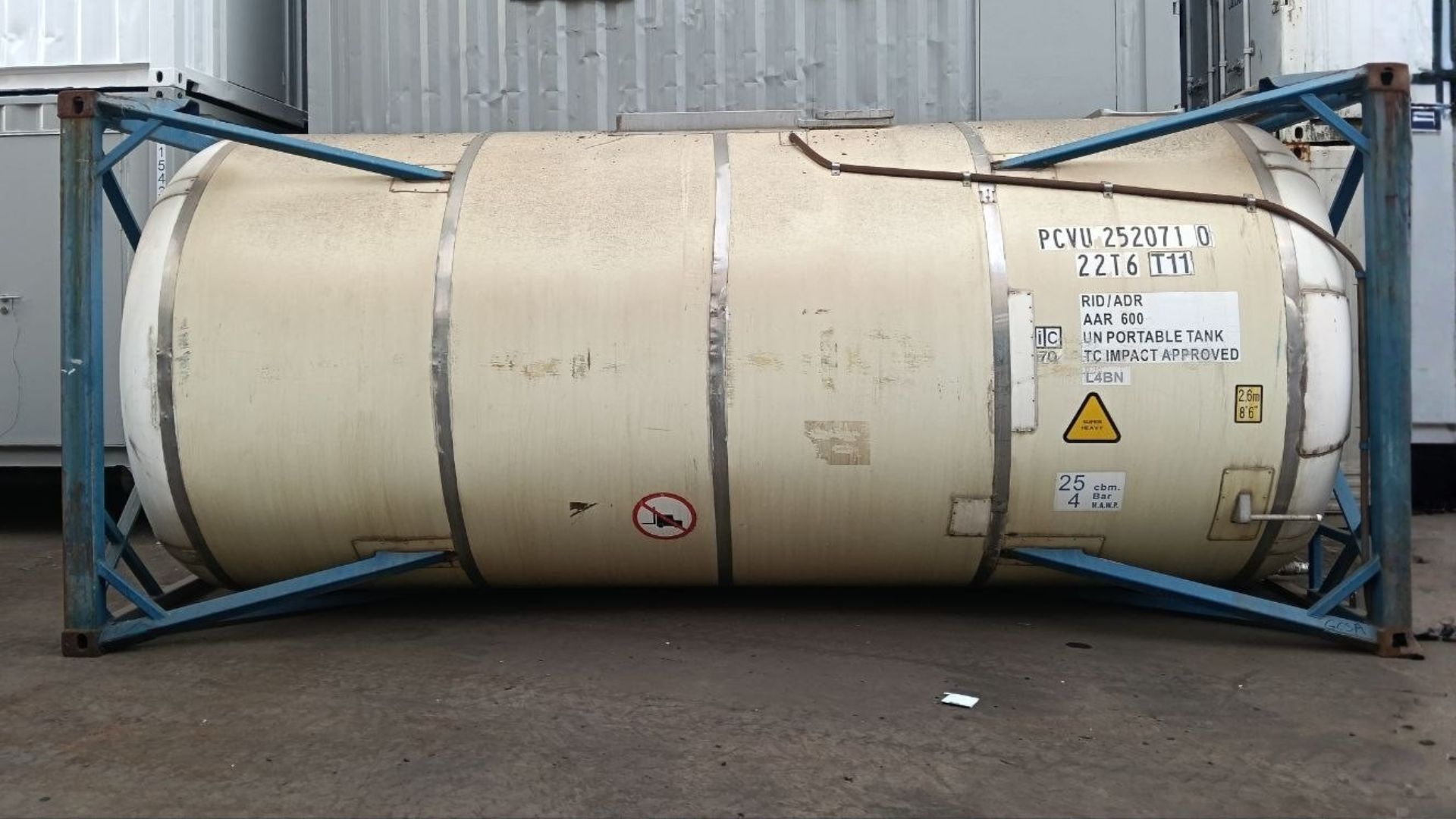
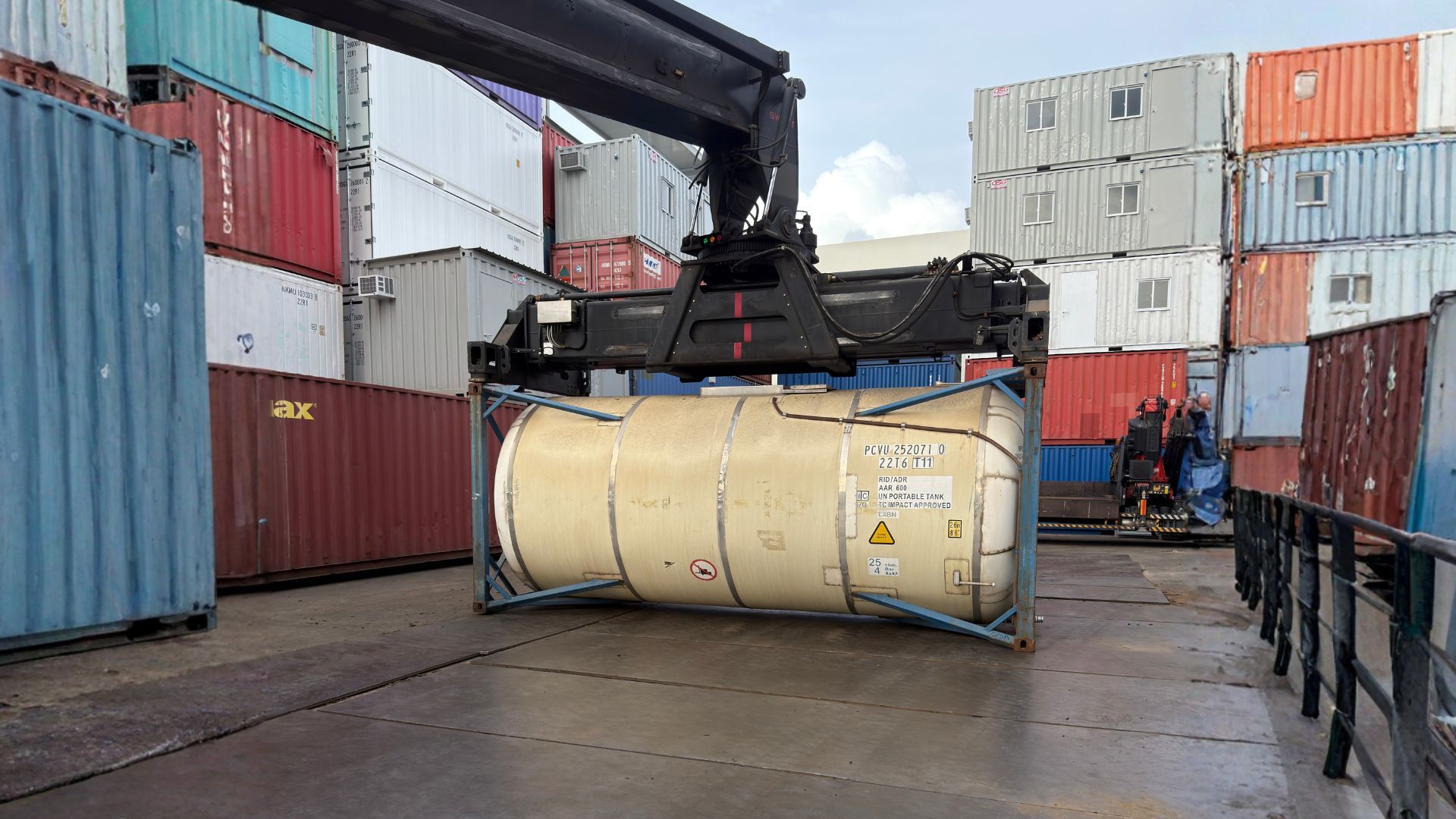
ISO tank containers are specialised units designed for transporting compatible bulk cargo, particularly liquids.
Unlike standard dry containers, ISO tanks contain a purpose-built vessel mounted within an intermodal framework.
The tank's construction, certification, and fittings depend on the intended cargo application.
What Types of Products Can ISO Tank Containers Transport?
Depending on the tank's design and approvals, suitable applications may include:
- Industrial liquids
- Certain chemical products
- Compatible food-grade liquids
- Selected hazardous liquid cargo
- Other approved bulk cargo applications
Different cargoes may require different tank materials, pressure ratings, safety fittings, and transport approvals.
Businesses should not assume that a tank suitable for one liquid can also accommodate another product.
How Do You Choose the Right ISO Tank?
Selecting a suitable ISO tank involves reviewing the cargo's physical and chemical properties.
Important considerations include the product name, UN number where applicable, Safety Data Sheet, required tank specification, material compatibility, and intended transportation route.
For dangerous goods, the applicable transport regulations must also be considered.
OSG Containers offers specialised ISO tank solutions, with equipment suitability and availability subject to the intended cargo requirements.
Stage 5: When Should You Consider Open Top Containers?
Open Top containers are designed for cargo that benefits from loading through the roof opening rather than solely through standard container doors.
These containers are commonly used for certain bulky, heavy, or unusually shaped items that require overhead lifting equipment.
What Types of Cargo Are Suitable for Open Top Containers?
Potential applications include:
- Industrial machinery
- Large mechanical components
- Certain construction materials
- Steel products
- Other cargo requiring overhead loading
An Open Top container typically features a removable roof covering or other roof-opening arrangement, depending on the design.
Cargo that extends beyond the container's permitted dimensions may require special handling arrangements and carrier approval.
What Should You Check Before Selecting an Open Top Container?
Businesses should review the cargo's dimensions, weight, lifting points, and securing requirements.
Additional considerations include:
- Container payload capacity
- Loading equipment requirements
- Cargo securing arrangements
- Weather protection requirements
- Transportation route restrictions
- Any out-of-gauge cargo approval requirements
The suitability of an Open Top container should be assessed according to the specific cargo and transport arrangements.
Stage 6: When Are Flat Rack Containers Used?
Flat Rack containers are specialised platforms used for certain oversized or unusually shaped cargo that cannot be accommodated within standard enclosed containers.
Depending on their design, Flat Rack containers may have fixed or collapsible end structures without conventional side walls and a roof.
What Types of Cargo May Require a Flat Rack?
Examples include:
- Oversized industrial machinery
- Large equipment components
- Certain vehicles
- Heavy project cargo
- Other loads requiring specialised transport arrangements
The appropriate container depends on the cargo's dimensions, weight distribution, lifting requirements, and securing arrangements.
Flat Rack containers should not be selected solely because a load exceeds a particular width or height. The actual equipment specifications and carrier requirements must be reviewed.
Businesses considering specialised project cargo transportation should consult the relevant logistics and cargo-handling professionals.
Flat Rack equipment availability should be confirmed directly with the supplier.
Stage 7: Comparing Different ISO Freight Container Types
Selecting the right container becomes easier when businesses compare the intended cargo requirements against the characteristics of each container type.
| Container Type | Main Characteristics | Suitable Applications |
|---|---|---|
| General Purpose Container | Enclosed container for dry cargo | Packaged goods, machinery parts, suitable commercial inventory |
| High Cube Container | Additional internal height | Bulky cargo requiring more vertical space |
| Reefer Container | Insulated unit with refrigeration equipment | Compatible temperature-sensitive products |
| ISO Tank Container | Tank vessel mounted within an intermodal frame | Compatible bulk liquids and specialised cargo |
| Open Top Container | Roof-opening configuration for overhead loading | Certain bulky machinery and industrial materials |
| Flat Rack Container | Platform configuration without conventional enclosed sides | Suitable oversized or project cargo |
Container specifications and availability vary according to the individual unit and supplier.
How Do You Match Cargo Requirements to Container Types?
Before selecting a container, businesses should follow a practical evaluation process:
- Identify the cargo: Determine its physical characteristics, packaging, and any special handling requirements.
- Measure the load: Confirm the cargo's dimensions and total weight.
- Check temperature requirements: Determine whether temperature-controlled equipment is necessary.
- Review loading methods: Identify whether standard door access or specialised lifting arrangements are required.
- Confirm transport requirements: Assess the intended route, handling arrangements, and applicable restrictions.
- Verify equipment specifications: Check the selected container's capacity, condition, and relevant documentation.
These considerations help businesses narrow down the suitable container categories before requesting a quotation.
Stage 8: Should You Buy a New or Used Freight Container?
Businesses planning a container purchase should consider whether a new or used container is appropriate for the intended application.
The decision depends on factors such as cargo requirements, expected usage duration, budget, container condition, and whether the equipment will be used for international transportation or stationary storage.
What Is the Difference Between New and Used Containers?
New or one-trip containers typically have limited previous cargo service, while used containers may show varying levels of wear depending on their history and condition.
Used containers can remain suitable for transportation or storage when they meet the relevant requirements for their intended use.
Before purchasing, businesses should review the condition of:
- Exterior walls and roof
- Doors and locking mechanisms
- Floor structure
- Corner fittings and structural components
- Door seals and weather protection
- Any installed equipment or additional fittings
The necessary inspection and documentation depend on whether the container will be used for shipping, storage, or another application.
What Does Cargo-Worthy Mean?
A cargo-worthy container is generally understood to be in a condition suitable for freight transportation, subject to the required inspections and applicable approvals.
However, the term should not be treated as a substitute for verifying the container's actual condition and documentation.
For international freight use, businesses should confirm the applicable Container Safety Convention (CSC) approval and examination status.
Containers described as wind and watertight may be suitable for certain stationary storage purposes, but this description alone does not establish that they are approved for international freight transport.
What Should You Check Before Purchasing a Container?
If you are planning to purchase container equipment for shipping, storage, or industrial use, reviewing the specifications and condition before committing is important.
Key considerations include:
- Intended usage and cargo requirements
- Container type and size
- New or used condition
- Structural and external condition
- Relevant certification and inspection status
- Delivery and handling arrangements
- Any additional fittings or modifications
- Quotation and commercial terms
A clear understanding of these requirements helps businesses compare available options.
Stage 9: How Do You Choose a Reliable Container Supplier in Singapore?
Choosing a suitable container supplier involves more than comparing prices.
Businesses should consider whether the supplier offers the required container type, provides clear product information, and can support the intended delivery arrangements.
What Should You Look for in a Container Supplier?
Important factors include:
- Product range: Availability of suitable container categories and sizes.
- Equipment condition: Clear information about whether containers are new or used.
- Technical details: Access to relevant dimensions, capacity information, and product specifications.
- Inspection documentation: Relevant certification or examination records where required.
- Delivery arrangements: Suitable transportation and placement options.
- Customisation: Availability of modifications for specific applications.
- Commercial terms: Clear quotations covering the equipment and agreed services.
Businesses planning to purchase container equipment should also consider how the unit will be used over time.
Why Are Container Markings and Certifications Important?
International freight containers use standardised identification and marking systems.
ISO 6346 provides a system for identifying freight containers and indicating their size and type characteristics.
The CSC establishes safety approval and examination requirements for freight containers within its scope that are used in international transport.
Before purchasing equipment for international shipping, businesses should confirm that the relevant markings, approval details, and examination records are appropriate for the intended use.
These checks are particularly important for used equipment.
Why Choose OSG Containers for Freight Container Solutions in Singapore?
OSG Containers provides shipping container solutions for businesses involved in logistics, construction, manufacturing, industrial operations, and commercial storage.
Our product range includes General Purpose, High Cube, Open Top, Refrigerated, and specialised ISO Tank containers, with product options depending on the intended application.
We also provide container-related services, including transportation, lifting, positioning, and selected modifications.
Whether you require a container for storage, international freight movement, or a specialised industrial application, our team can help you explore suitable equipment based on your requirements.
Businesses comparing container sales options can contact us to discuss available products, configurations, and delivery arrangements.
Find the Right ISO Freight Container for Your Business
Choosing the appropriate freight container starts with understanding your cargo, operational needs, and intended transportation or storage requirements.
General Purpose containers offer a practical solution for suitable dry cargo, while High Cube, Reefer, Open Top, ISO Tank, and other specialised configurations support different applications.
Before making a purchase, businesses should confirm the container's specifications, condition, and suitability for the intended use.
Looking for Shipping Containers in Singapore?
Explore our range of General Purpose, High Cube, Open Top, and other specialised shipping container solutions. Contact our team to discuss suitable options for your cargo, storage, or industrial requirements.
Explore Shipping Containers