
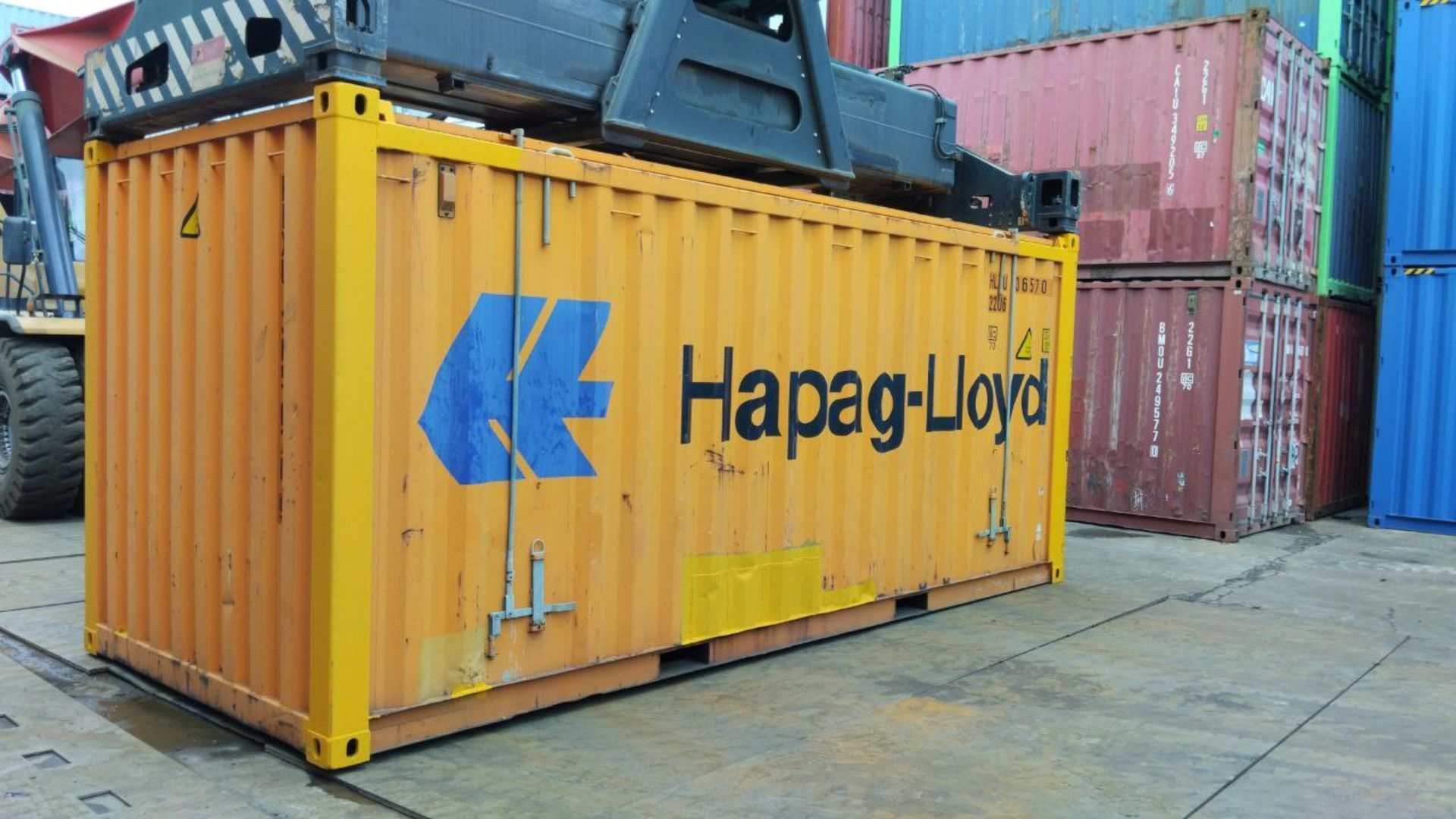
Buying Used Shipping Containers: Avoid Costly Traps
When buying used shipping containers, inspect the roof for pinholes, verify that door seals remain intact, test locking rods for smooth operation, and check the subfloor for rot. Always confirm the container's structural grade, match the CSC safety plate, and inspect the exact unit at the depot before sending payment.
You risk losing thousands of dollars when you pay for a second-hand steel box without first verifying who owns it, how the depot graded it, and whether the frame remains square. Most buyers discover hidden roof pinholes, rotted floorboards, or seized locking rods only after the delivery truck drops the cargo box on their gravel pad and drives away. We have seen how small oversights during the initial sourcing process turn an affordable storage solution into an ongoing maintenance liability, which is why following a rigorous inspection protocol protects your capital.
Stage 1: Vetting Suppliers and Verifying Depot Units
When you enter the market to buy used shipping containers near me, you will encounter hundreds of classified listings, digital brokers, and independent yards offering fast delivery at steep discounts. Sourcing locally cuts freight expenses, but local search results also attract middlemen who do not own the equipment they advertise. You need to verify that your supplier operates an accessible storage yard or holds direct inventory contracts with established intermodal equipment depots before you transfer any funds.
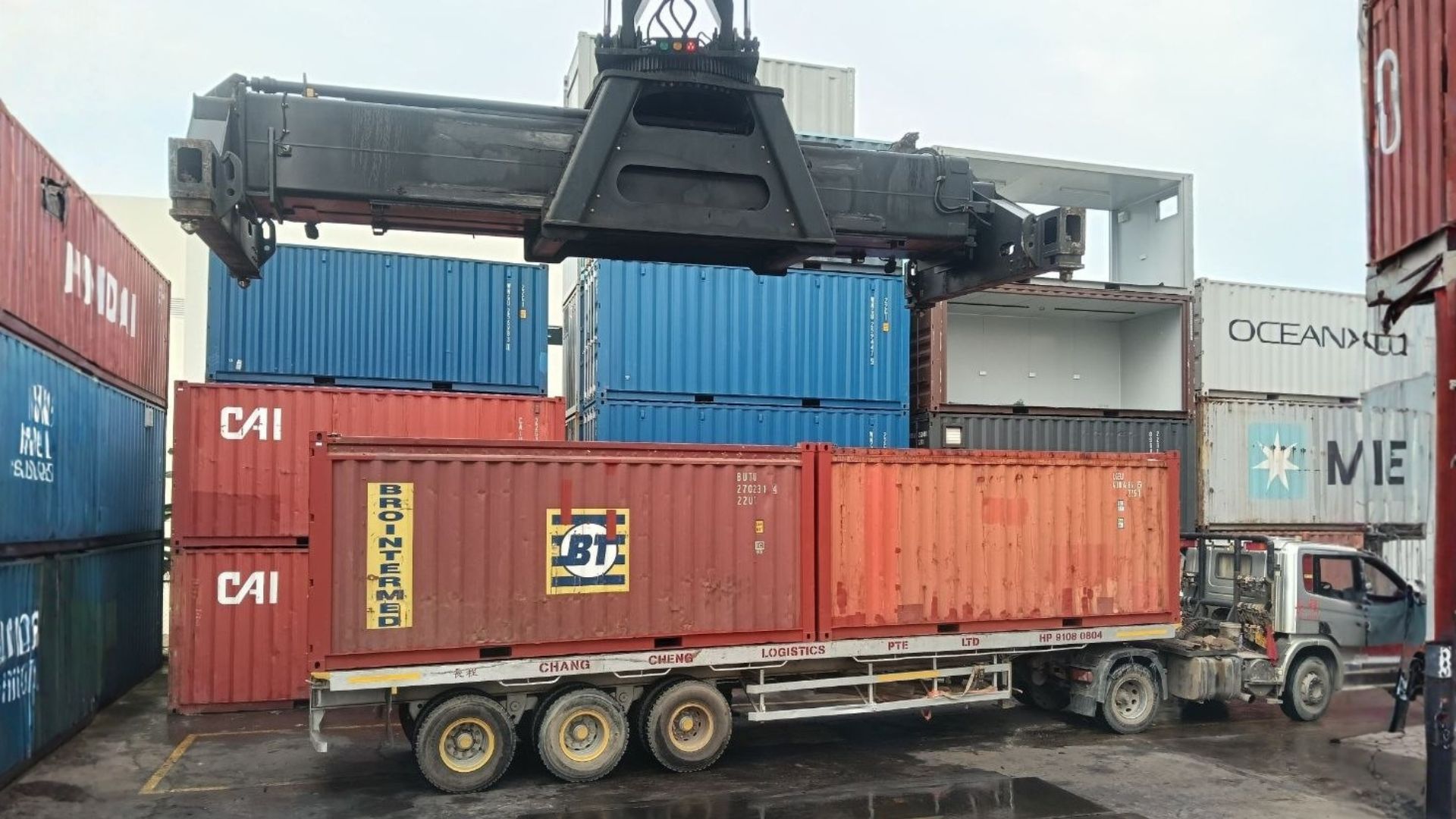
The Ghost Inventory Trap: Stock Imagery vs. Exact Matching
Digital marketplaces are full of phantom listings that display pristine, freshly painted containers that the seller does not actually possess. Brokers frequently take generic marketing photographs from maritime leasing fleets, advertise them below regional market rates, and demand untraceable wire transfers or peer-to-peer digital payments before release. We always advise demanding the specific serial prefix and unit number alongside date-stamped photographs of all four exterior angles, the roof line, and the interior subfloor. If a seller refuses to show photographs of the exact unit assigned to your order, you should immediately walk away from the deal and find a transparent depot.
Confirming CSC Plate Data and Yard Legitimacy
Every legitimate intermodal container carries a rectangular, corrosion-resistant steel plate known as the International Convention for Safe Containers plate bolted to the left cargo door. This safety approval plate records the manufacturer, build date, maximum gross weight capacity, timber treatment chemicals, and structural re-inspection status. If the safety plate is missing, painted over completely, or shows signs of tampering, you have no reliable way to verify the true age or structural rating of the steel frame. Legitimate yards allow you or your designated transport driver to verify this plate against the gate release slip before the crane loads the chassis.
Stage 2: Selecting Container Dimensions and Height
Selecting the wrong exterior profile limits your usable floor plan and creates costly placement headaches on tight commercial jobsites or rural properties. A standard used container measures eight feet six inches in height, which works well for dense palletized inventory, heavy tools, and standard farm supplies. High-cube variants add exactly one foot of vertical space to reach nine feet six inches, giving you critical clearance for overhead ducting, internal framing, structural insulation packages, or high-density racking systems.
| Container Profile | External Dimensions (L x W x H) | Interior Volume | Primary Commercial Applications |
|---|---|---|---|
| 20-Foot Standard | 20 ft x 8 ft x 8 ft 6 in | 1,172 cu ft | Jobsite tool vaults, residential storage, tight rural parcels |
| 40-Foot Standard | 40 ft x 8 ft x 8 ft 6 in | 2,390 cu ft | Bulk inventory overflow, agricultural machinery, long pipe runs |
| 40-Foot High Cube | 40 ft x 8 ft x 9 ft 6 in | 2,694 cu ft | Workshop conversions, tall machinery, insulated office builds |
The Overhead Clearance Mistake: Standard vs. High Cube
We often see buyers choose standard-height units simply to save a few hundred dollars on purchase price, only to regret the missing headspace as soon as they frame interior walls. Spray foam insulation, subflooring, and ceiling wiring channels consume eight to ten inches of vertical space, leaving a standard container feeling cramped and dark. If you plan to build an insulated field office or mount tall pallet racking, buy the high-cube unit; standard-height boxes are best reserved for raw industrial tool storage where overhead clearance does not matter.
Footprint Constraints: Assessing 20-Foot and 40-Foot Capacities
A single 40-foot box delivers roughly 2,390 cubic feet of storage, which equals the capacity of two 20-foot boxes while typically costing only thirty to forty percent more on the purchase invoice. Choosing the larger footprint requires a perfectly straight access route for the delivery rig, which many smaller sites simply cannot accommodate. A 20-foot unit fits neatly into standard commercial vehicle bays and requires far less turning clearance, making it our primary recommendation for confined construction staging areas and urban laydown yards.
Stage 3: Evaluating Structural Grades Against New Units
Commercial buyers face a distinct financial trade-off when deciding whether to source recycled intermodal boxes or buy new shipping containers. A new or one-trip container makes a single ocean voyage carrying dry cargo from manufacturing plants, arriving with clean paint, straight corrugated panels, and pristine factory warranties. Second-hand units cost twenty to forty percent less than one-trip alternatives, offering exceptional structural value if you understand how commercial grading tiers translate to practical performance.
| Condition Grade | Structural State | Visual Appearance | Best Application |
|---|---|---|---|
| One-Trip (New) | Pristine structural corners, zero corrosion, intact factory seals | Minimal scuffs, uniform factory paint, clean interior | High-end modular architecture, dry pharmaceutical storage |
| Cargo Worthy (CW) | Certified structurally sound for stacking and maritime transport | Minor panel dents, scuffed exterior, localized surface rust | Active intermodal transport, export freight, long-term dry storage |
| Wind & Water Tight (WWT) | Weatherproof shell, sound corner posts, functional door gear | Noticeable surface corrosion, patchwork repairs, paint fading | Jobsite tool security, farm equipment storage, general dry inventory |
| As-Is / Salvage | Compromised structural rails, cutouts, or active roof punctures | Heavy structural rust, bowed side walls, twisted frame elements | Raw scrap metal salvage, non-critical low-budget fencing |
The As-Is Trap: Superficial Paint Hiding Structural Rot
Sellers who offer units marked As-Is frequently pressure-wash the exterior and roll cheap industrial enamel over heavy rust scale to attract bargain hunters. This superficial layer hides deep pitting along the bottom side rails, where road salt and coastal humidity eat through the Corten steel over a decade of service. You should avoid As-Is inventory entirely unless you maintain on-site welding equipment and can replace structural tubing yourself, because legitimate Wind and Water Tight units cost very little extra while guaranteeing dry, secure interior space.
Comparing One-Trip Longevity Against Cargo-Worthy Units
A certified Cargo Worthy container has spent ten to fifteen years enduring marine storms, crane impacts, and heavy rail movements across global supply routes. Corten steel naturally forms an oxide patina that slows deep rust penetration, meaning a properly patched Cargo Worthy box will easily provide another twenty years of stationary storage on your property. If your project sits in public view or requires architectural modification, spending the extra capital on a one-trip box makes economic sense because you avoid days of scraping rust, grinding patches, and repainting weathered corrugated panels.
Stage 4: Performing the On-Site Physical Inspection
Executing a methodical, hands-on review is the most dependable step you can take when buying used shipping containers for demanding commercial installations. You cannot evaluate structural reliability from thirty feet away, because critical defects hide inside door seals, beneath structural crossmembers, and behind patch plates. Walk every foot of the perimeter, test all mechanical linkages yourself, and step inside the enclosed space with the doors shut tight to reveal failures that external photography misses entirely.
- Step completely inside and latch the cargo doors: Turn off all flashlights and wait thirty seconds for your eyes to adjust to complete darkness, scanning the ceiling and corners for points of daylight.
- Operate both sets of locking gear: Swing each door panel through its full 270-degree range to ensure the vertical locking rods engage the upper and lower cams without binding.
- Examine the perimeter door gaskets: Run your hands along the flexible rubber seals to check for dry rot, brittle tears, detached corners, or oil contamination.
- Inspect structural corner castings and posts: Look straight down the vertical corner members to ensure no collision has bowed or twisted the steel columns that carry the unit's weight.
- Walk the interior subfloor: Press your weight firmly across every joint in the marine plywood to find hidden soft spots, delamination, deep oil saturation, or chemical odors.
- Check the bottom rails and crossmembers: Crouch down with an inspection mirror or flashlight to look beneath the floor frame for deep structural rust and bent transverse ribs.
The Interior Daylight Test: Finding Pinholes and Seal Gaps
The interior daylight test remains the fastest, most foolproof method for catching roof cracks and door seal failures before you sign delivery paperwork. Rust develops first in the low valleys of the corrugated steel roof, where pooling rainwater collects dirt and slowly corrodes the sheet metal from the outside down. When you stand inside with both doors secured, even microscopic pinholes glow brightly like stars against the ceiling. If you see light creeping through the corners of the doors, the thick rubber gaskets have lost their elasticity, meaning driven rains will inevitably flood the interior floor during heavy storms.
Frame Racking Checks: Door Alignment and Gasket Seizure
A container frame racks when an impact twists the rectangular steel box out of plumb, throwing the heavy cargo doors out of square with their frame. If the frame twists even one inch out of true alignment, opening and closing the doors turns into a two-person struggle using breaker bars and hammers. Look closely at the upper and lower cam keepers where the vertical locking bars engage; uneven wear marks or ground metal indicate that the unit suffered racking damage during port operations.
Subfloor Assessment: Detecting Rot and Toxic Residue
Intermodal containers use tough, nineteen-ply marine-grade hardwood flooring that measures approximately 1.1 inches in thickness, engineered to support heavy forklifts running dense cargo pallets. Replacing this flooring is labor-intensive and expensive, requiring you to grind out dozens of countersunk self-tapping screws and weld in new support channels. You must also check the timber treatment plate on the door; maritime shippers treat many floors with industrial chemicals to control agricultural pests, which can make contaminated boards unsafe for living spaces or unvented office workspaces.
Stage 5: Preparing Delivery Clearance and Foundation Pads
Careful site planning makes all the difference when buying used containers, because delivery drivers will refuse to drop boxes on unstable, unlevel, or inaccessible ground. A standard delivery rig weighs over thirty thousand pounds empty and requires extensive straight-line space to pull forward as the hydraulic tilt-bed lowers the container onto your site. Measuring your property boundaries, trimming overhead branches, and building stable footings saves you costly dry-run fees and prevents your box from settling unevenly over time.
Access Pitfalls: Navigating Tilt-Bed Truck Requirements
Delivering a 20-foot container requires roughly sixty feet of straight-line clearance, while a 40-foot box requires one hundred to one hundred and twenty feet of clear, unobstructed driving path. The delivery truck needs a minimum vertical clearance of fourteen to sixteen feet so the raised hydraulic bed does not tear down utility wires or strike low-hanging oak limbs. If your access drive crosses soft pasture soil, saturated clay, or a steep ditch, the heavy transport truck will sink immediately, stranding your delivery at the property entrance and forcing you to rent an all-terrain forklift.
Ground Settlement: Leveling Corner Castings to Prevent Door Jamming
Never place a shipping container directly onto raw dirt or turf, because moisture will rot the underfloor crossmembers while seasonal frost heave twists the perimeter steel frame. A container is designed to bear its entire structural load purely through its four corner castings, not along the flat bottom side rails. We recommend supporting the box on heavy concrete footings, reinforced patio stones, or treated railway ties placed strictly beneath the four corner blocks. Taking the time to level these corner points with a transit level prevents the entire box from twisting, ensuring your cargo doors open smoothly and close securely year after year.
Frequently Asked Questions
How much do used shipping containers cost to buy?
Prices vary based on condition grade, size, and regional inventory. Used units typically cost 20% to 40% less than new or one-trip containers. Because local market inventories change continually, reputable depots provide pricing via tailored quotes based on exact specifications.
Where can you buy used shipping containers?
You can purchase directly from intermodal depot yards near major shipping ports, licensed regional container dealers, specialized equipment brokers, or established logistics refurbishers. Sourcing directly through established local yards gives you the distinct advantage of conducting hands-on inspections before paying.
How to buy used shipping containers safely?
Always inspect the physical container in person or require verifiable date-stamped photographs showing the exact unit number and intact safety approval plate before issuing payment. Avoid private classified listings that insist on wire transfers, personal cash apps, or upfront delivery fees before providing a formal bill of sale and physical depot address.
How much are used shipping containers to buy with delivery included?
Total delivered costs depend on the container's physical dimensions, structural condition grade, distance from the dispatch depot, and site accessibility. Because tilt-bed freight rates vary based on mileage and location constraints, request an itemized delivery quote to evaluate total out-of-pocket expenses.
If you are planning an upcoming commercial storage project or want assistance evaluating depot equipment in your area, our team is always open to discussing your site requirements and walking you through current inventory grades.
Looking for Shipping Containers in Malaysia?
Explore shipping container options for storage, industrial operations, and project requirements in Malaysia. Share your preferred container size, condition, quantity, and location with our team to enquire about suitable solutions.
Explore Shipping Containers in MalaysiaSee More Insights from OSG Containers on Google
Enjoy our container guides and industry insights? Add OSG Containers as a Preferred Source on Google to discover more of our relevant articles.
Add OSG as a Preferred Source (opens in a new tab)