
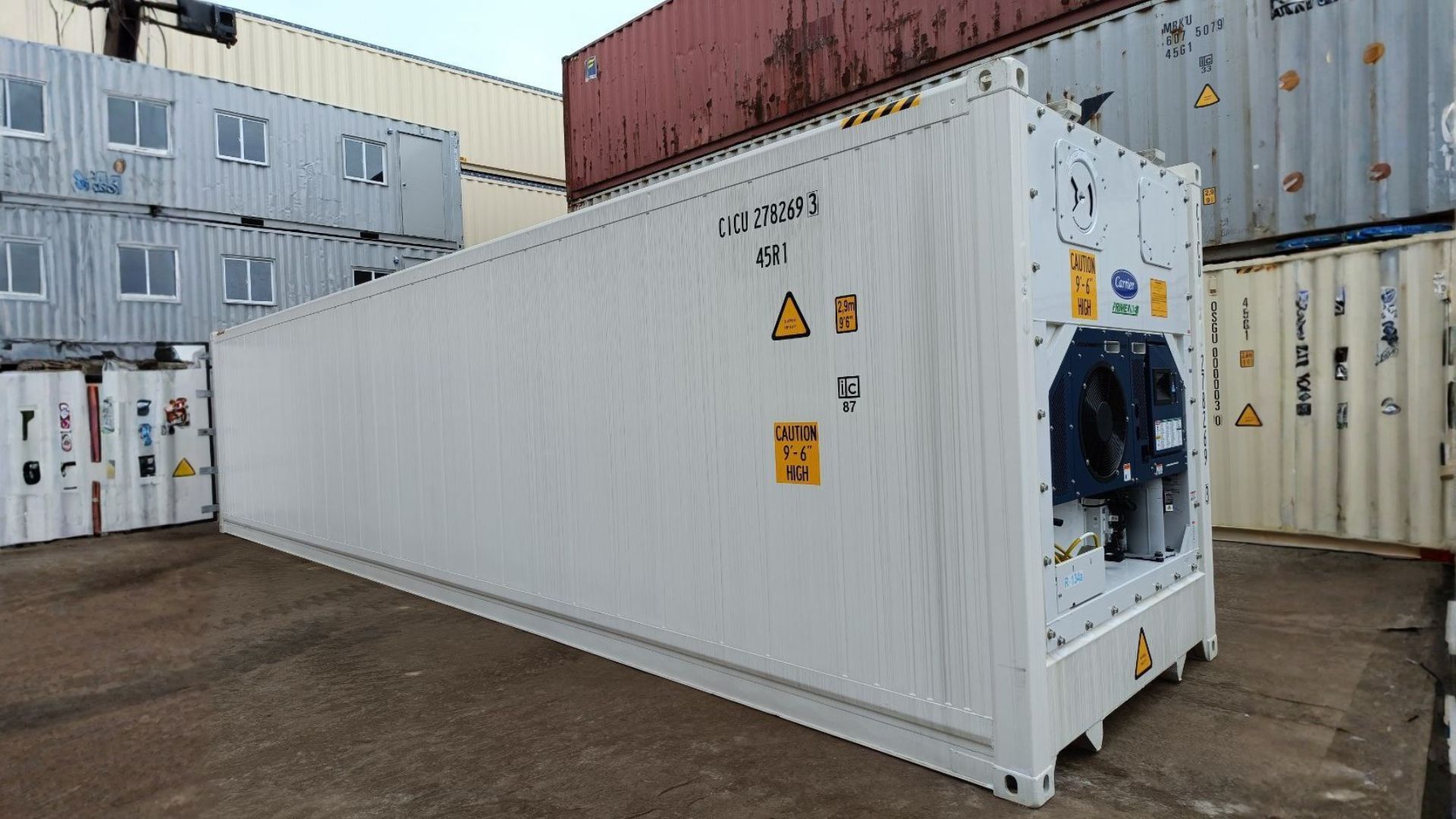
Operating a Reefer Container for Cold Chain Cargo
A reefer container is a specialized refrigerated shipping container designed to maintain precise internal temperatures between +25°C and -25°C for perishable freight throughout transit. Equipped with an integrated refrigeration unit and bottom-air delivery, it circulates cold air through T-bar floor decking to protect temperature-sensitive food, chemicals, and pharmaceuticals across intermodal routes.
You face an immediate financial hit whenever a temperature-sensitive shipment warms by even two degrees during intermodal transit. Fresh berries soften, frozen tuna oxidizes, and pharmaceutical compounds break down into unusable waste before reaching the distribution warehouse. Deciding how to deploy a reefer container across your supply lines requires balancing real equipment costs against the staggering expense of ruined inventory. We help commercial shippers, exporters, and logistics managers configure these specialized boxes to keep perishable loads stable across hundreds of miles of ocean, highway, and railway.
Is the Upfront Cost of a Reefer Container Too High to Justify?
High capital entry barriers often frighten supply chain managers away from dedicated cold chain hardware. Buying an insulated box with an integrated cooling engine demands substantially more capital than ordering dry freight boxes, leading many budget holders to ask if third-party cold couriers might cost less over time. When your business handles consistent monthly volumes of chilled or frozen freight, relying on spot-market reefer space leaves your operations vulnerable to sudden capacity shortages and wild spot-rate spikes.
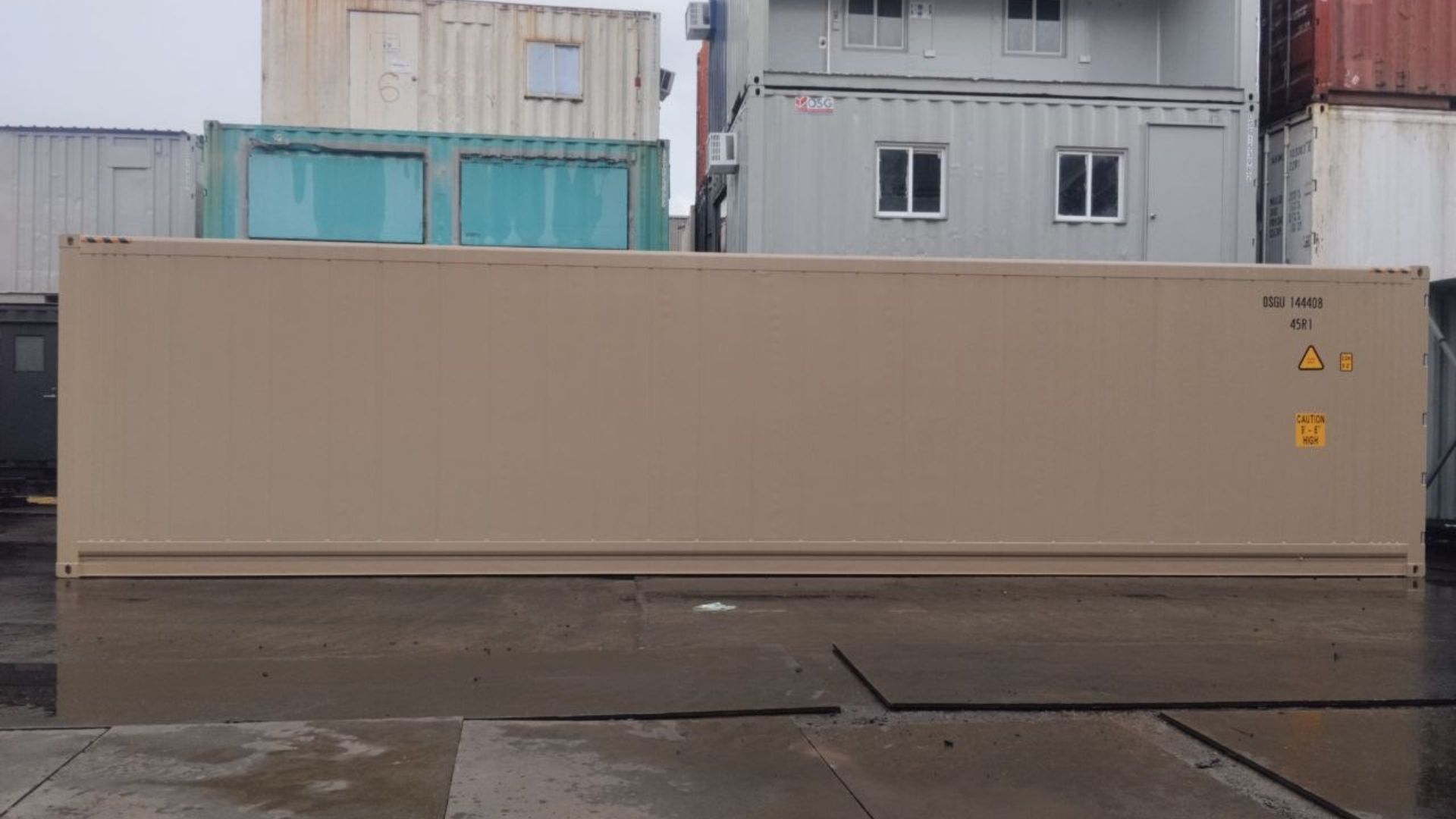
Capital Purchases versus Short-Term Operating Leases
We advise our clients to evaluate buying containers by measuring equipment use cycles over three to five years. If you move steady cargo weekly on predictable lanes, purchasing your own unit cuts your variable freight bills and gives you complete authority over machine maintenance schedules. If your business depends on seasonal produce harvests or temporary overflow storage during autumn retail surges, a short-term operating lease makes far better financial sense because it lets you return equipment once product movement tapers off. You can evaluate the core trade-offs between both financing models by comparing operational expenses:
| Acquisition Model | Primary Financial Commitment | Maintenance Responsibility | Best Fit for Operations |
|---|---|---|---|
| Direct Capital Purchase | Full upfront machine and box cost | Owner manages all servicing and repairs | Year-round static storage and permanent dedicated shipping loops |
| Long-Term Master Lease | Predictable monthly operating expense | Shared or lessor-supported depot servicing | Stable multi-year export programs with variable lane destinations |
| Short-Term Spot Rental | Higher daily or weekly rental rates | Lessor covers mechanical failures and checks | Seasonal agricultural harvests and emergency warehouse capacity surges |
Preventing Spoilage to Protect Perishable Profit Margins
A single spoiled forty-foot box of high-value cargo like fresh seafood or specialized vaccines can wipe out an entire quarter of logistics earnings. Standard marine cargo insurance rarely pays out without exhaustive investigations into pre-trip inspections, making proactive temperature control your primary shield against catastrophic claims. By running your cargo inside dedicated machinery with automated microprocessors recording internal temperatures, you secure the continuous data log required to prove compliance to wholesale buyers and food safety authorities.
Can Container Refrigeration Pull Down the Temperature of Warm Cargo?
Shippers often assume that industrial cooling engines can pull ambient-temperature pallets down to freezing levels within a few hours of loading. That assumption causes expensive cargo rejections at receiving docks because shipping machinery functions as a thermal barrier rather than a commercial blast chiller. Expecting marine equipment to remove field heat from freshly picked fruit overtaxes the system, burns excess electrical power, and creates warm pockets that accelerate product decay.
Why Units Only Maintain Temperature Rather Than Flash-Freezing
Modern container refrigeration systems protect cargo by extracting heat that penetrates the insulated polyurethane walls and removing the metabolic heat generated by living produce. The internal compressor lacks the evaporator capacity and air velocity required to freeze warm pallets across thirty cubic meters of packed goods. If you pack ambient meat at fifteen degrees Celsius into a box set for minus twenty, the outer cartons may chill while the dense interior retains heat for days, promoting microbial blooms. You must always pre-cool your products to their exact target travel temperatures in a dedicated packhouse facility before loading them into the box.
Bottom-Air Delivery and T-Bar Floor Airflow Mechanics
Marine cooling units circulate air differently than domestic walk-in chillers by pushing chilled air down through a front bulkhead and driving it rearward along the floor. The extruded aluminum T-bar floor forms longitudinal ducts that channel this pressurized cold air beneath your pallets. As the air travels toward the rear doors, it rises vertically through carton vent holes and pallet gaps before returning to the top evaporator coil to release heat.
- The bottom blower forces chilled air downward into the floor channels at continuous static pressure.
- Chilled air travels horizontally along the T-floor profile toward the rear door gaskets without obstruction.
- Air rises through package ventilation slots to draw away respiration gases and heat from chilled cargo.
- Air bypasses frozen goods by flowing around outer shrink-wrapped pallet faces rather than through them.
- Warm return air enters the upper bulkhead grille, passes across temperature sensors, and cycles through the evaporator coil.
Will a Refrigerated Container Sacrifice Too Much Usable Pallet Capacity?
Every shipper moving out of dry ocean containers notices the smaller interior clearances of insulated equipment. Thick polyurethane foam injected between the steel exterior and stainless steel interior lining steals valuable centimeters from every internal dimension. You must balance the physical bulk of this high-efficiency thermal insulation against standard pallet configurations to ensure your supply chain remains both cost-effective and compliant with highway weight limits.
Comparing 20-Foot and 40-Foot High-Cube Interior Dimensions
We routinely see logistics planners struggle when fitting standard European or American pallets into insulated boxes because the width shrinks compared to standard dry freight boxes. A standard forty-foot high-cube refrigerated container provides significant internal advantages over twenty-foot boxes, making it our primary recommendation for lightweight, bulky perishable foods. The extra vertical clearance in high-cube units allows proper cargo stowage below the red maximum-load ceiling line, preserving vital return air pathways. The structural specifications below show how interior room varies across typical industry box models:
| Container Model | Tare Weight | Maximum Payload | Internal Length | Internal Width | Internal Height | Internal Volume |
|---|---|---|---|---|---|---|
| 20-Foot Standard | 3,080 kg | 27,400 kg | 5.44 m | 2.29 m | 2.27 m | 28.3 m³ |
| 40-Foot Standard | 4,800 kg | 27,700 kg | 11.56 m | 2.28 m | 2.25 m | 59.3 m³ |
| 40-Foot High-Cube | 4,480 kg | 29,520 kg | 11.58 m | 2.29 m | 2.40 m | 67.3 m³ |
| 45-Foot High-Cube | 4,850 kg | 29,150 kg | 11.57 m | 2.27 m | 2.55 m | 67.0 m³ |
Accounting for Heavier Machinery Tare Weight Against Gross Limits
The integrated refrigeration machinery and dense insulation add significant tare weight to the empty box, which reduces your legal cargo payload. While a twenty-foot reefer container carries an empty tare weight of roughly 3,080 kilograms, its forty-foot counterpart adds nearly two metric tons of non-revenue weight to your road transport chassis. You must account for this extra machinery mass when booking road haulage over weight-regulated highways, because overloading the tractor axles results in costly fines and mandatory roadside cargo transfers.
Will a Cold Storage Container Lose Power During Road and Rail Transit?
Cold chain failure rarely occurs while an insulated box sits peacefully on an ocean container vessel equipped with steady auxiliary power generators. The real vulnerability emerges during inland intermodal handoffs when trucks pull boxes through remote highway corridors or when railcars wait on siding tracks under direct sunlight. Maintaining the cold chain across road, rail, and sea transitions requires continuous electrical support through dedicated auxiliary generators.
Attaching Clip-On and Undermount Gensets for Inland Haulage
When you take a cold storage container off the terminal power grid for inland drayage, you must provide independent power to prevent temperature drift. Shippers rely on two distinct diesel generator setups, known throughout the transport trade as gensets, to run the cooling machinery during transport:
- Clip-On Gensets: These self-contained diesel units mount directly onto the upper front frame of the box, wrapping around the refrigeration machinery to supply reliable electrical power during long-haul road and rail legs.
- Undermount Gensets: These generators bolt permanently beneath the skeletal chassis trailer, lowering the vehicle center of gravity and leaving the front of the box clear for tight depot handling.
- Fuel Capacities: Most units carry sufficient diesel to operate non-stop for up to five days under normal ambient heat, maintaining steady power across cross-country rail connections.
- Monitoring Systems: Modern generator sets feature automatic start-stop controls that fire up the diesel engine only when cooling or defrost cycles draw active electrical loads.
Transitioning Power Between Depot Plugs and Vessel Reefer Points
The most delicate link in the cold chain occurs when longshoremen unplug the box from terminal power banks and transfer it aboard an ocean vessel. During this unpowered interval, which terminal operators should keep under forty-five minutes, the high-density insulation retains internal temperatures provided cargo doors remain sealed tight. Once cranes place the container in the ship cell guide, ship crews plug the power cable into the vessel's three-phase reefer receptacles and confirm active cooling.
Is Container Cold Storage Accurate Enough for Tight-Tolerance Goods?
Supply chain leaders frequently wonder whether modular shipping units can safely protect ultra-sensitive pharmaceuticals and living botanicals without the temperature swings seen in standard dry trucks. Today's commercial units incorporate advanced digital microprocessors that read supply and return air temperatures within fractions of a degree Celsius. The precision of modern container cold storage makes these boxes ideal for sensitive items, matching the environmental stability of permanent brick-and-mortar refrigerated warehouses.
Managing Controlled Atmospheres for Fresh Produce Respiration
Perishable crops consume oxygen and exhale carbon dioxide throughout their shelf life, which rapidly ripens soft fruits like avocados, bananas, and mangos. Advanced cold containers integrate controlled-atmosphere equipment that injects nitrogen and scrubs carbon dioxide out of the box to slow down fruit respiration. By maintaining atmospheric oxygen between two and four percent, the machinery places delicate produce into a semi-dormant state, enabling transit windows that outlast normal post-harvest lifespans.
Deploying Super-Freezer Units for Biologics and Frozen Seafood
Standard cooling units run reliably within a functional temperature range between positive twenty-five degrees Celsius and negative twenty-five degrees Celsius. However, specialized sectors handling deep-frozen bluefin tuna, high-grade biologics, and clinical compounds require environments that normal compressors cannot reach. We deploy specialized super-freezer units equipped with two-stage cascade compressor systems using specialized refrigerants to push internal cargo temperatures down to minus seventy degrees Celsius. These extreme units preserve cell integrity in biological specimens and prevent the enzymatic discoloration that ruins commercial sashimi-grade seafood during long oceanic crossings.
Frequently Asked Questions
How does a reefer container work?
The unit works by forcing cold air out from the bottom cooling unit along specialized T-shaped floor channels beneath the cargo. As this cold air flows toward the back doors, it rises upward through pallet spaces and cartons to absorb ambient heat and respiration gases. The warm return air enters the upper ceiling intake, passes through the evaporator coil where refrigerant extracts the heat, and recirculates back into the floor ducts.
How many pallets fit in a 40ft reefer container?
A forty-foot high-cube refrigerated box holds between twenty and twenty-one standard industrial pallets measuring 1000mm by 1200mm, or approximately twenty-three to twenty-four standard Euro-pallets measuring 800mm by 1200mm. Because interior wall insulation reduces the box width to approximately 2.29 meters, pallets cannot fit side by side in the same layout as standard non-insulated dry containers.
What is a genset for a reefer container?
A genset is an independent, diesel-powered generator designed to run the container cooling machinery during road trucking or rail transit when external shore power is unavailable. Shippers use either clip-on models that mount on the front frame of the container or undermount models attached permanently to the road chassis.
How do you set the temperature on a reefer container?
You set the target holding temperature using the digital microprocessor keypad mounted beside the compressor housing on the external face of the machine. The operator unlocks the controller interface, scrolls to the desired set-point between positive twenty-five and negative twenty-five degrees Celsius, and confirms the setting. The machine then manages automatic heating, cooling, and scheduled defrost cycles to maintain that temperature throughout transit.
If you are planning your next perishable transport route, contact our logistics engineering team to review cargo specifications, container sizing, and power configurations tailored to your cold chain needs.
Looking for Reefer Containers in Penang?
Need reliable cold storage for temperature-sensitive goods? Explore our reefer container solutions in Penang, suitable for food products, perishable goods, and industrial applications requiring temperature control. Contact our team to discuss your requirements and request a quotation.
Explore Reefer Containers in PenangSee More Insights from OSG Containers on Google
Enjoy our container guides and industry insights? Add OSG Containers as a Preferred Source on Google to discover more of our relevant articles.
Add OSG as a Preferred Source (opens in a new tab)