
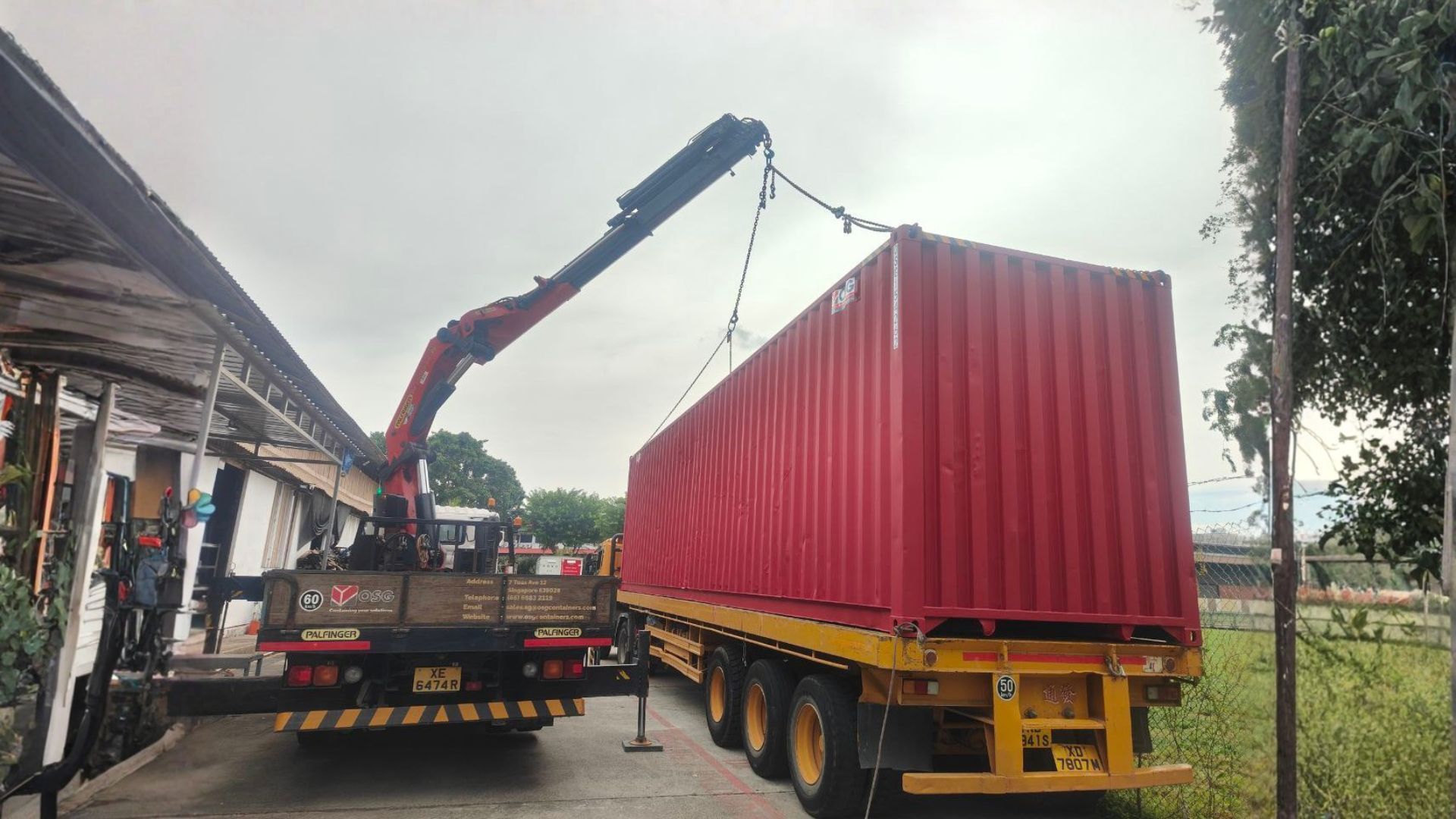
Handling Over-Height Cargo with high-cube containers
High-cube containers provide an extra foot of vertical clearance over standard units, measuring nine feet six inches tall externally and roughly eight feet ten inches inside. This additional thirty centimeters lets logistics teams roll over-height machinery skids and double-stacked pallets directly inside a single weather-tight steel box without expensive cargo disassembly.
What Causes Cargo Height Bottlenecks in Standard Containers?
Standard containers create height bottlenecks because their seven-foot-ten-inch interior clearance runs out long before shipments reach road weight limits. When you pack freight into a standard dry shipping container, overhead room runs out long before you hit your physical weight limit. Standard intermodal equipment sits at an exterior height of eight feet six inches, which leaves you with roughly seven feet ten inches of interior clearance once you account for the timber floor and corrugated steel roof. That ceiling line creates an immediate operational hurdle for teams that move crated industrial machinery, tall electrical cabinets, or high-density retail pallets. Shippers routinely find themselves forced to disassemble crated assemblies or strip down pallet heights just to clear the door header by an inch.
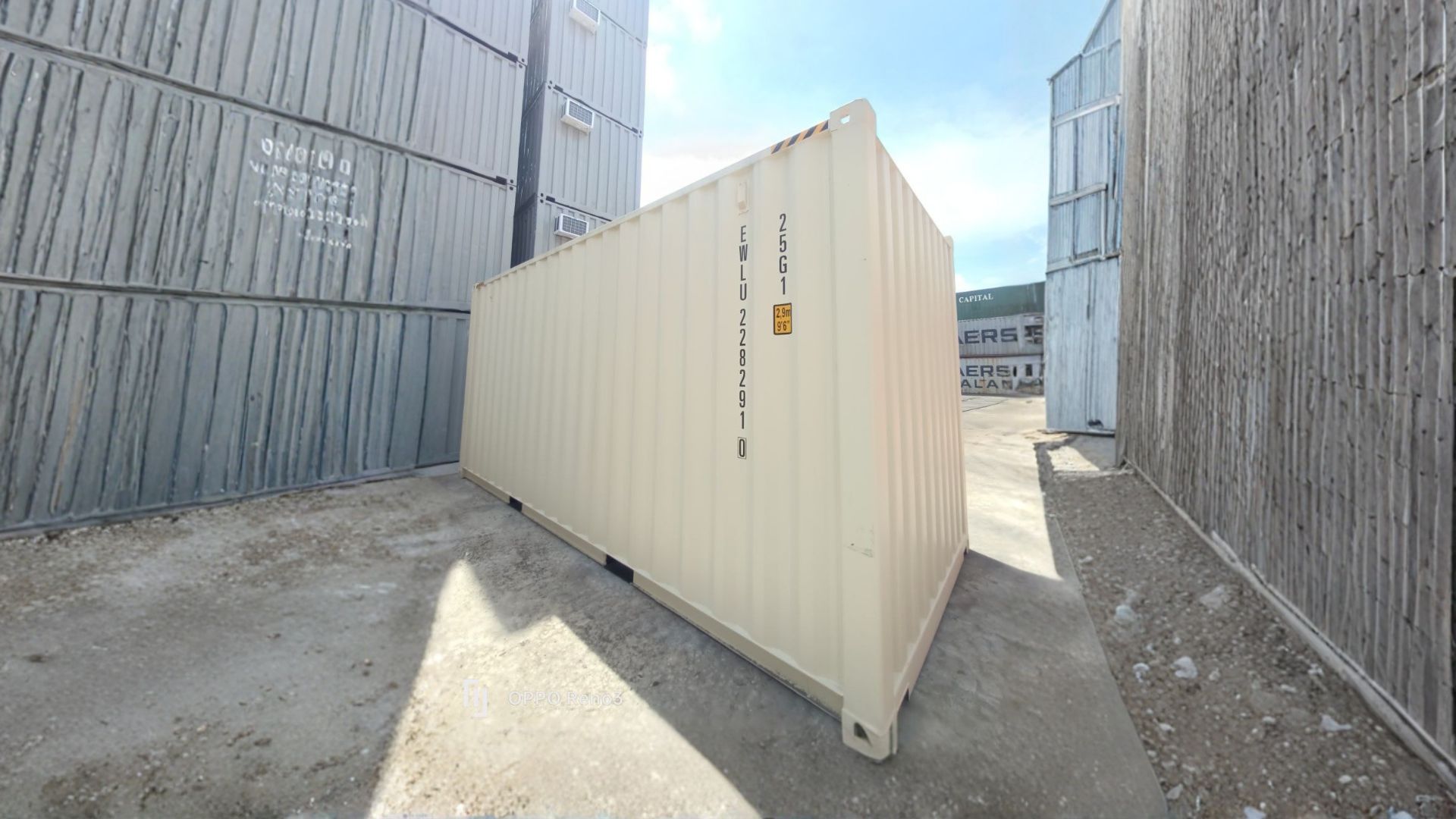
Disassembling finished products at the manufacturing facility and rebuilding them at the final destination adds labor costs and creates opportunities for assembly errors in the field. When your cargo exceeds regular interior dimensions, forcing the freight into standard boxes damages both the cargo packaging and the interior roof panels of the box during forklift loading. Selecting high-cube containers solves these clearance headaches by giving your logistics team the required clearance to roll tall loads directly inside without modifying the cargo itself.
Why Is the One-Foot Ceiling Constraint a Problem in Standard Units?
The standard container interior height of 2.39 meters prevents facilities from loading modern automated pallets that measure up to 2.4 meters high. The standard container has dominated intermodal transit for decades, yet its interior height of roughly 2.39 meters creates severe constraints for modern packaging designs. Most automated palletizing lines build pallet loads to standardized heights that maximize warehouse racking, often stacking cartons up to 2.4 meters high to economize on warehouse storage footprints. When you move those tall warehouse units toward a standard container, the cargo simply will not clear the roof, let alone the lower door frame opening. This one-foot shortfall forces distribution centers to manually break down double-stacked goods into single tiers, which cuts packing density in half and doubles your handling labor across the entire distribution run.
What Common Height Issues Affect Machinery and Palletized Cargo?
Tall industrial components like lifting eyes and control consoles stick out past standard skids, while multi-tier pallets collide with interior roof panels. Machinery builders face even steeper penalties when trying to load equipment inside standard dimensions. Industrial gearboxes, agricultural components, pumps, and metalworking lathes often feature structural lifting eyes, exhaust manifolds, or control consoles that sit just over eight feet from the base skid. Unbolting sensitive electrical cabinets or removing structural frame components at the loading dock introduces dirt, moisture, and mechanical stress to calibrated equipment. When dealing with pre-packaged commercial goods, the problem centers on pallet space optimization:
- Standard wooden pallets stacked with uniform cartons cannot take advantage of two-tier vertical stacking without hitting container roof corrugations.
- Drum pallets carrying liquid bulk containers stand too high to allow secondary dunnage or protective slip-sheets in standard enclosures.
- Crated manufacturing units mounted on heavy timber runners lose several inches of vertical clearance to the transport base before loading even starts.
Why Does Adding Standard Boxes or Open Equipment Fall Short?
Splitting tall shipments across multiple standard boxes doubles freight fees, while open platforms leave sensitive cargo exposed to severe weather and theft. When cargo fails to fit inside a single standard box, dispatchers often split the shipment across two standard units or book specialized open-top equipment. Splitting one shipment into multiple standard containers instantly multiplies your base ocean freight, paperwork costs, terminal handling charges, and delivery trucking bills. Booking a single high cube sea can eliminates those fragmented shipping fees because it holds the tall freight within a single enclosed container profile without requiring a second chassis or an additional bill of lading.
How Do Split Shipments Create Unnecessary Surcharges?
Dividing a single consignment across two standard containers forces you to pay double origin fees, ocean freight, customs clearance, and destination drayage. Dividing a machinery consignment between two standard dry containers creates structural waste in your logistics budget. You end up paying two origin port terminal fees, two ocean freight line items, two customs clearance charges, and two final destination drayage runs. Carriers price shipping slots based on container footprints, meaning two twenty-foot boxes cost substantially more across every segment of transit than a single enclosure with higher vertical capacity. That freight fragmentation also increases administrative overhead, as your logistics staff must track dual container numbers, reconcile split manifests, and coordinate twin delivery windows at the customer job site.
What Are the Weather and Security Risks of Open Transport Platforms?
Open-top tarpaulins easily tear in transit and pool water, while flat racks leave expensive machinery vulnerable to road grime, salt, and pilferage. Some operations attempt to bypass height limits by booking open-top containers or flat racks, but that approach introduces major vulnerabilities during maritime and road transit. Soft tarpaulin covers on open-top equipment frequently tear under heavy wind or allow pooling water to seep into sensitive electrical cargo during rough sea crossings. Flat racks leave high-value machinery completely exposed to road salt, industrial grime, and physical theft at intermediate holding yards. Unless your freight is truly out of gauge in both width and height, booking open platforms adds premium equipment surcharges while drastically increasing your exposure to cargo damage claims.
How Do High Cube Containers Solve Height Limits?
Extended-height units provide an extra foot of vertical space on the same footprint, letting you pack taller cargo in a fully enclosed steel body. Switching your supply chain to taller boxes provides an immediate structural solution without forcing you to reconfigure port handling or ground transport fleets. An extra foot of vertical space lets your warehouse crews pack taller machinery skids and double-stacked pallets while keeping all goods protected inside a fully enclosed corten steel envelope. The industry increasingly treats high cube containers as the primary standard for global trade routes because they provide higher volumetric capacity across the same chassis footprint.
What Usable Vertical Space Do High Cube Containers Provide?
High-cube containers stand nine feet six inches tall externally, providing roughly eight feet ten inches (2.70 meters) of usable interior headroom. High-cube units increase external container height from the standard eight feet six inches up to nine feet six inches, which translates to 2.89 meters on the outside. That simple engineering change delivers an interior clearance of approximately 2.70 meters (eight feet ten inches), handing your loading team roughly thirty centimeters of extra vertical room. You gain that space without expanding the container footprint on staging yards or highway chassis trailers. That additional headroom allows forklifts to maneuver tall crates cleanly into position without scraping the internal roof trusses or gouging the upper cargo corners.
What Are 20ft and 40ft High Cube Dimensions and Capacities?
A 40ft high cube provides 76.4 cubic meters of volume, while a 20ft high cube offers 37.4 cubic meters for heavier, dense loads. Selecting the right container size depends on cargo weight density, total volume requirements, and regional trucking limits. Forty-foot high-cube units are the most widely available tall containers on global maritime routes, while twenty-foot high-cube units serve denser, heavy cargo requiring extra overhead space. The following table illustrates the operational differences between standard dry containers and high-cube units:
| Container Type | External Height | Internal Height | Internal Length | Internal Width | Cubic Capacity |
|---|---|---|---|---|---|
| 20ft Standard Dry | 8 ft 6 in (2.59 m) | 7 ft 10 in (2.39 m) | 19 ft 4 in (5.90 m) | 7 ft 8 in (2.35 m) | 1,172 cu ft (33.2 m³) |
| 20ft High Cube | 9 ft 6 in (2.89 m) | 8 ft 10 in (2.70 m) | 19 ft 4 in (5.90 m) | 7 ft 8 in (2.35 m) | 1,320 cu ft (37.4 m³) |
| 40ft Standard Dry | 8 ft 6 in (2.59 m) | 7 ft 10 in (2.39 m) | 39 ft 5 in (12.03 m) | 7 ft 8 in (2.35 m) | 2,380 cu ft (67.4 m³) |
| 40ft High Cube | 9 ft 6 in (2.89 m) | 8 ft 10 in (2.70 m) | 39 ft 5 in (12.03 m) | 7 ft 8 in (2.35 m) | 2,698 cu ft (76.4 m³) |
A forty-foot high-cube container yields roughly 76.4 cubic meters of interior volume, giving you roughly nine extra cubic meters of space compared to a standard forty-foot container. That extra volume allows light, bulky shipments like automotive parts, insulation rolls, and consumer electronics to reach full container capacity long before reaching total road payload weight thresholds.
Which Specialized Cargo Requires High Cube Reefers and Hardtops?
Refrigerated shipments use high cubes to preserve cooling airflow above pallets, while hardtops allow overhead crane loading for dense equipment. Extended height engineering also applies to specialized freight equipment, particularly refrigerated and top-loading containers. In standard refrigerated containers, the floor T-bars and overhead air ducts take up significant vertical room, leaving an interior height of only about seven feet three inches. High-cube reefer containers restore that lost capacity by maintaining an interior clearance of roughly 2.55 meters, which ensures cold air flows freely across the cargo load line. Hardtop high-cube containers combine this vertical clearance with a removable steel roof, allowing overhead bridge cranes to drop heavy, tall machinery directly into the box before clamping down the rigid roof panel for full weather protection.
How Should Crews Load Tall Cargo into High Cube Equipment?
Safe loading requires checking rear door entrance clearance, anchoring cargo directly to structural rails, and spreading heavy skids across floor joists. Moving over-height cargo into high-cube equipment requires strict attention to equipment geometry, lashing structures, and weight placement. Loading crews must evaluate the difference between overall interior ceiling height and the physical opening at the door frame before attempting to move oversized equipment inside. Working with hi cube containers demands that your rigging team inspect every door threshold, tie-down point, and floor sector before releasing the box for highway drayage or rail transit.
Why Must You Measure the Door Opening Clearance Against Internal Height?
The rear door header drops entrance clearance to roughly 2.58 meters, which is twelve centimeters lower than the interior ceiling. The most common operational mistake in container loading is assuming the interior clear height matches the door opening. While a high-cube container offers 2.70 meters of interior ceiling height, the rear door header reduces the actual entrance opening to roughly 2.58 meters (eight feet five inches). Rigging crews must follow a disciplined physical check process before attempting to push tall crated machinery through the rear door aperture:
- Measure the absolute highest point of the packaged cargo, including timber skids, eyebolts, and outer plastic crating wraps.
- Check the vertical distance from the container floor to the lowest point of the upper door gasket channel at the rear threshold.
- Calculate machine approach angles if you use loading ramps, because a forklift entering on an incline raises the top corner of the crate above its resting height.
- Verify that the mast on your forklift clears the door header while carrying the load raised slightly off the loading bay floor.
How Do You Secure Tall Freight with Lashing Rails and Corner Posts?
Crews must tie heavy straps directly to bottom rail rings and corner posts to absorb lateral forces during transit. Tall freight creates a high center of gravity that exerts heavy lateral forces against container walls when the carrying vessel rolls at sea. Standard side walls use thin pressed steel corrugations that will buckle under the shifting weight of tall machinery during severe vessel pitch and roll motions. Your rigging team must anchor heavy cargo directly to the structural steel framework of the box:
- Secure heavy-duty ratchet straps and chain binders to the welded lashing rings located along the bottom longitudinal rails, which provide high shear strength.
- Anchor stabilizing cross-braces into the corner post lashing pockets to prevent top-heavy crates from rocking laterally during rail transit.
- Fasten upper timber struts between the top longitudinal rail and the cargo skid framework to suppress vertical bouncing along rough highway routes.
How Do You Manage Payload Weight Limits and Floor Space?
High-cube containers carry the same total payload ratings as standard units, requiring wood spreaders to protect floor timbers from point loads. While high-cube boxes offer expanded internal volume, their maximum gross weight limits remain virtually identical to standard containers under international CSC plate safety rules. A typical forty-foot high-cube container has a tare weight around 3,900 kilograms and a maximum gross capacity between 30,480 and 32,500 kilograms, leaving a net payload rating of roughly 26,500 to 28,600 kilograms. Concentrating a dense, tall piece of machinery on a small footprint risks puncturing the container timber floor planks or over-stressing the crossmembers below. Riggers must lay heavy hardwood spreader timbers across the container floor to distribute high axle or skid weights evenly across multiple structural floor joists.
How Do You Confirm Cargo Protection and Transport Efficiency?
Shippers must preserve overhead airflow buffers to stop moisture damage and audit packing density to consolidate multi-tier pallet freight. Switching your supply chain to taller equipment delivers solid cost savings only if you protect the cargo from internal climate factors and optimize packing space. Loading right up to the ceiling without leaving air buffers invites moisture condensation and physical abrasion damage during intermodal handling. Operations that manage high-cube containers efficiently balance high volume utilization with protective clearances that keep goods clean, dry, and undamaged through to delivery.
Why Is Overhead Airflow Clearance Critical Around Goods?
Leaving three to six inches beneath the roof prevents condensation from dripping onto packaging and lets desiccant poles absorb trapped moisture. Packing goods tightly against the upper roof corrugation creates condensation hazards on long ocean crossings through shifting climate zones. When warm, humid air cools rapidly at sea, water vapor condenses on the cold steel roof and drips down onto cargo packaging, causing box collapse and surface corrosion on machinery. Maintain a clean buffer of three to six inches between the top of your cargo packaging and the steel roof panels. That overhead clearance maintains steady air circulation throughout the container envelope, allowing moisture-absorbing desiccant poles to draw humidity out of the air before it condenses over your goods.
How Do You Audit Freight Volume and Maximize Consolidation?
Tracking container volume against the 76.4-cubic-meter benchmark highlights opportunities to eliminate split shipments and cut total handling costs. Every transport manager should periodically audit container packing data to confirm that high-cube equipment delivers genuine freight consolidation savings. Calculate your average cubic volume utilization across regular trade lanes by comparing the volume of packed cargo against the 76.4 cubic meter capacity of a forty-foot high-cube unit. Consolidating smaller, lower-tier pallet shipments into taller, unified multi-tier loads lowers your total container count, trims terminal dwell fees, and optimizes domestic trucking capacity. If your current shipping manifests show standard boxes packed to the ceiling with overflow freight moving on separate bills of lading, we can help you assess your cargo profiles and source the right high-cube equipment to protect your shipments and cut your distribution costs.
Looking for High Cube Containers in Penang?
Need extra storage height for your business? Explore our high cube container solutions in Penang, offering additional vertical space for bulky goods, industrial equipment, and commercial storage. Contact our team to discuss your container requirements and request a quotation.
Explore High Cube Containers in PenangSee More Insights from OSG Containers on Google
Enjoy our container guides and industry insights? Add OSG Containers as a Preferred Source on Google to discover more of our relevant articles.
Add OSG as a Preferred Source (opens in a new tab)