
40ft Reefer Container: Specifications, Capacity, Price, and Buying Guide
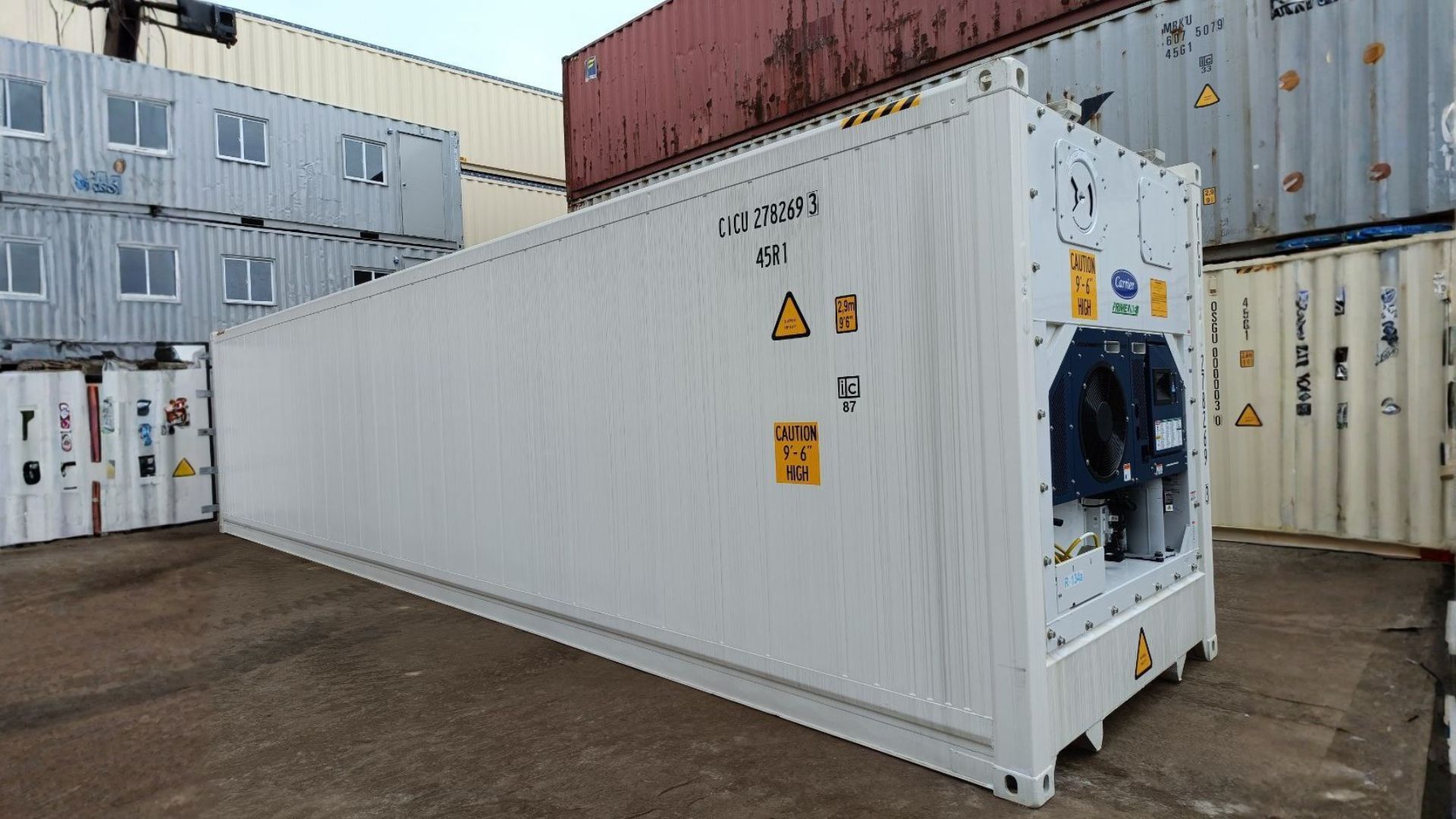
A 40 reefer container provides reliable temperature control and robust structural integrity for transporting or storing perishable goods. These specialized units combine high-density insulation with powerful refrigeration machinery to maintain exact climates from minus 30 degrees Celsius to plus 30 degrees Celsius across global supply chains.
Standard 40ft reefer container specifications
When you need to move temperature-sensitive cargo across an ocean or keep perishable stock on site, a standard 40 reefer container gives you the precise climate control and robust build required for the job. These units are built to ISO standards, which means they fit seamlessly onto container ships, rail cars, and standard chassis trucks without requiring special handling equipment.
Internal dimensions and storage capacity
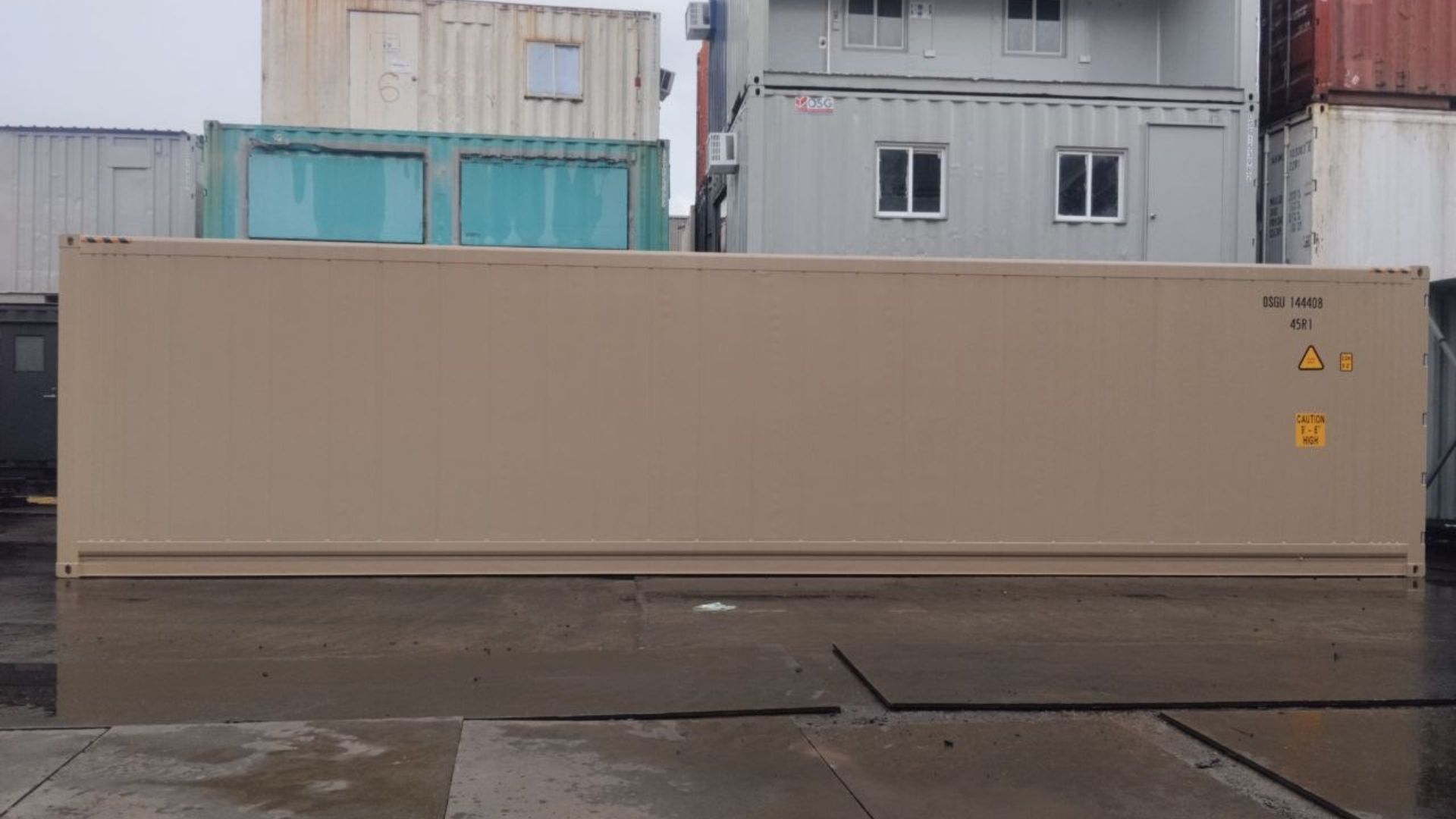
You have to plan your loading patterns carefully because the thick insulation walls of a refrigerated unit reduce the usable space compared to a standard dry box. A typical high-cube reefer gives you an internal length of about 37 feet and 11 inches, a width of 7 feet 6 inches, and a height of 8 feet 5 inches. This setup yields roughly 2,600 to 2,800 cubic feet of storage space. You can usually fit 20 to 23 standard Euro pallets on the aluminum T-floor if you load them in a straight pattern, or up to 24 pallets if you use a tighter pinwheel arrangement, provided your total weight stays within highway limits.
Power requirements and refrigeration systems
The machinery bolted to the front of the box is essentially an industrial refrigerator and heater combined into a single heavy-duty housing. Most units rely on a 440-volt or 480-volt 3-phase electrical supply running at 60 Hertz, though they can also run on 380-volt to 415-volt 50 Hertz systems depending on the port or yard you operate in. You will need a reliable generator set, known as a genset, if you plan to move the unit by road on a semi-trailer. The cooling engine uses modern compressors—often built by Carrier, Daikin, or Thermo King—to circulate eco-friendly refrigerants that pull heat out of the box and vent it away from your goods.
Understanding the 40ft reefer container market
Finding the right unit for your fleet or yard means looking closely at what is currently sitting on the depot lots. The supply chain for refrigerated equipment moves in cycles, driven by agricultural seasons, shipping line fleet renewals, and the demand for cold storage in urban distribution hubs.
New vs used reefer container availability
Buying a brand new factory model gives you peace of mind, zero prior wear, and the latest energy-saving inverter compressors, but you will pay a steep premium and face long lead times if you order custom options. Most buyers purchase used units that have spent five to ten years in maritime service. When you check used inventory, look for units that carry a valid CSC safety approval plate and a recent PTI, which stands for Pre-Trip Inspection. A clean PTI proves that the compressor, fans, and sensors passed a rigorous diagnostic check by a certified technician before you handed over your money.
Operational efficiency and long-term reliability
Older machines still work well, but they draw more electrical current and break down more often than modern units with digital scroll compressors. If you run your equipment stationary at a warehouse, you can tolerate a slightly older machine because a repair technician is only a phone call away. If you send the unit on long rail journeys, you need a younger box that will not drop its temperature setpoint halfway through a desert or a freezing mountain pass.
40ft reefer container performance and temperature control
A refrigerated box has to hold its target climate in extreme weather, whether that means sitting under a blistering tropical sun in Singapore or enduring a freezing winter storm in northern Europe. The engineering inside these corrugated steel walls is designed to maintain tight tolerances that keep food fresh and pharmaceuticals stable.
Temperature range and climate control
Modern units can maintain any constant temperature between minus 30 degrees Celsius and plus 30 degrees Celsius, regardless of how hot or cold it is outside. The digital controller acts as the brain of the system, recording temperature logs every hour to prove to your customers or health inspectors that the cold chain never broke. You can set fresh produce modes that control oxygen and carbon dioxide levels alongside temperature, or deep freeze modes that keep ice cream solid for weeks.
Insulation and airflow design
The walls use high-density polyurethane foam sandwiched between stainless steel on the inside and corrosion-resistant weathering steel on the outside. This foam core stops ambient heat from bleeding through the shell. Inside the box, the aluminum T-bar floor acts as an air channel, allowing chilled air to blow up from beneath the pallets, sweep through the cargo, and return to the evaporator unit at the top of the door end. If you stack your boxes past the red load line marked on the walls, you block this airflow loop and create hot spots that will spoil your cargo.
40ft reefer container price and cost factors
The final invoice for your equipment depends on a range of variables that shift constantly based on global trade imbalances, steel prices, and the availability of replacement compressor parts. Knowing what drives the cost helps you budget accurately without overpaying for features you do not need.
Purchase costs vs leasing options
To help you compare your acquisition paths, review the structural differences between buying and leasing options in the table below:
| Factor | Purchase (Used) | Purchase (New) | Short-Term Lease | Long-Term Lease |
|---|---|---|---|---|
| Initial Outlay | High | Very High | Low (Monthly) | Low (Monthly) |
| Maintenance Responsibility | Yours | Yours (Warranty covers early faults) | Provider | Usually Yours |
| Customization Freedom | Total | Total | Restricted | Moderate |
| Best Use Case | Permanent site storage | Strict pharmaceutical transport | Seasonal harvest surges | Multi-year fleet expansion |
Maintenance and energy expenses
The purchase price is only the entry fee. Your daily power bill will be your biggest ongoing operating cost, especially if you run the unit 24 hours a day on local grid power or diesel fuel. Older compressors draw more amperage on startup and run longer cycles to maintain the setpoint. Budget for an annual professional service check to clean the condenser coils, test the refrigerant pressure, and calibrate the temperature sensors so your power bill does not spike unexpectedly.
How to choose the right 40ft reefer container for your business
Selecting the correct model requires an honest look at your cargo types, your transport routes, and your site infrastructure. If you rush this step, you risk buying a box that cannot handle your product or your power supply.
Assess your cargo requirements
- List every product type you plan to store or ship inside the unit over the next three years.
- Check the required humidity levels and temperature setpoints for each product to see if you need specialized dehumidification or controlled atmosphere features.
- Measure your typical pallet sizes and weights to confirm that your goods will fit through the rear doors without exceeding floor load limits.
- Verify whether your cargo emits gases, such as ethylene from ripening fruit, which require fresh air exchange vents to stay fresh.
Key factors before making a final decision
- Power availability at your site must match the voltage and phase requirements of the specific machinery model you select.
- Transit intensity dictates whether you need a rugged cargo-worthy unit for rough roads or a stationary unit for a secure warehouse yard.
- Budget flexibility will guide your choice between paying upfront for a used box or signing a predictable operating lease for a new one.
- Compliance standards matter if you handle food or medical supplies that require strict audit trails and certified temperature logs.
Frequently Asked Questions
What is the internal capacity of a 40ft reefer container?
A standard high-cube refrigerated unit gives you between 2,600 and 2,800 cubic feet of usable internal volume. You can typically load 20 to 24 standard pallets on the floor, depending on how tightly you arrange them and how tall your pallet stacks are.
How much does a 40ft reefer container typically cost?
Prices swing widely based on age, condition, and market demand. A sea-worthy used unit in good working order usually sells for several thousand dollars more than a standard dry box, while a brand-new factory model commands a much higher price due to its advanced cooling machinery and materials.
What power supply does a 40ft reefer container require?
These units generally require a 440V to 480V 3-phase electrical power source running at 60 Hz, or 380V to 415V at 50 Hz. When you transport them by road on a semi-trailer, you must power them using a dedicated clip-on or underslung diesel generator set.
Get the right 40ft reefer container for your needs
Looking for a reliable 40ft reefer container for cold storage or temperature-controlled transport? Contact our team today to check available units, compare specifications and conditions, and request a competitive quote based on your cargo requirements and location.