Office Container on Rent: Pricing and Cost Factors
Renting an office container gives you a fast, mobile, and predictable workspace solution when permanent structures or traditional trailers are not an option. Monthly rates typically cover the baseline steel box, basic insulation, and windows, but total expenses also include delivery, setup, insurance, and custom interior modifications that vary by project and location.
Evaluating Standard Office Container for Rent Options and Pricing
You need a functional workspace on a job site tomorrow morning, and pouring a concrete foundation or building a traditional trailer is out of the question. When you look at an office container for rent, you are buying speed, mobility, and predictable monthly overhead. We see businesses waste money every week because they lease a unit without checking what is included in the base rate. Understanding the baseline numbers helps you build a realistic budget before you sign any contract.
Base rental rates and monthly fees
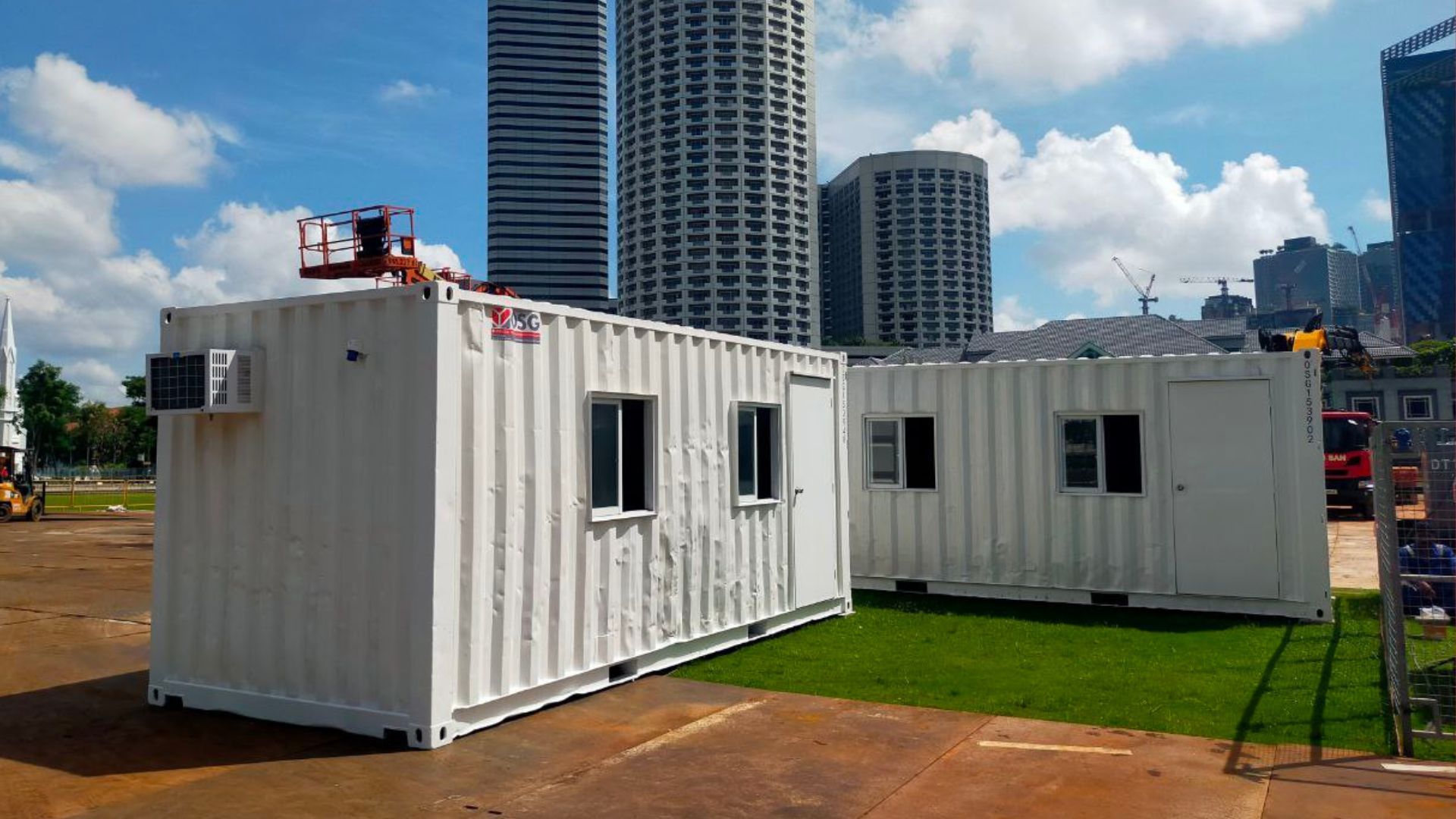
Base rates for a standard twenty-foot or forty-foot workspace depend almost entirely on supply, location, and the current demand in your local industrial market. You can expect a reliable, weather-tight unit to cost a predictable monthly sum, but that number only covers the empty steel box with basic insulation and windows. If you need special layouts or custom paint to match your corporate brand, the monthly fee ticks upward. We advise you to look closely at whether your supplier bills you every thirty days or on a strict calendar-month basis, as this billing quirk catches many project accountants off guard.
Delivery and setup cost structures
Getting a heavy steel box from the depot to your muddy construction site or remote parking lot takes specialized heavy equipment. Transport costs are rarely bundled into the baseline monthly fee. You pay for transport based on distance, site accessibility, and the type of crane truck or tilt-bed trailer required to drop the unit safely into place. If your site has low-hanging power lines or restricted gate access, expect the hauler to bill you for extra waiting time or specialized rigging. Once the box arrives, block-and-level setup fees ensure your doors swing properly and the floors stay level.
Modifications and interior fit-out pricing
Standard steel shells rarely match your exact workflow out of the box. You might need extra electrical outlets, data cabling drops, security window bars, or specialized commercial flooring. Suppliers charge a one-time fit-out fee for these custom additions before the unit ships to your location. While you can sometimes negotiate these upfront costs into a longer lease, you usually pay for them on the first invoice. Think carefully about your actual daily needs before ordering custom work, because reversing or changing modifications mid-lease gets expensive fast.
Comparing Container Office Rental Specifications and Rates
Every project demands a different layout, and the physical specs of your workspace directly dictate your monthly expenditure. A cramped twenty-foot unit serves a single site manager well, but a bustling project team needs a forty-foot high-cube setup with partitioned meeting areas. We find that matching the physical dimensions to your actual headcount prevents you from paying for empty square footage or struggling in cramped quarters.
Size variations and impact on monthly expenditure
Container dimensions follow standard intermodal sizing, which gives you clear choices for your workspace footprint. The table below outlines how physical specifications change your financial commitment and utility needs.
| Size and Type | Approximate Square Footage | Typical Monthly Rate Range | Best Suited For |
|---|---|---|---|
| 20-Foot Standard | 160 sq ft | Moderate | 1 to 2 desk workers, tight site perimeters |
| 40-Foot Standard | 320 sq ft | Higher | 3 to 5 staff, small plan tables |
| 40-Foot High-Cube | 360 sq ft (extra headroom) | Premium | Team rooms, dropped ceilings, heavy HVAC ducting |
Security features and HVAC cost integration
Working through freezing winters or sweltering summer afternoons requires reliable climate control, which means your container office rental must include an integrated heating, ventilation, and air conditioning system. Standard units feature wall-mounted HVAC units, but you need to check the amperage draw to avoid tripping site breakers. Security is another non-negotiable expense. Heavy-duty lock boxes, steel personnel doors, and window mesh add to your setup costs, but they protect your laptops, blueprints, and tools from theft on unattended job sites.
Long-term versus short-term lease pricing
Suppliers price their inventory to encourage multi-month commitments. If you lock into a container office rental for a year or longer, your monthly rate drops significantly compared to a month-to-month agreement. Short-term rentals carry a penalty because the supplier takes on the risk of idle inventory when you return the unit early. When you plan a project that might run long, sign the extended lease upfront to secure the lower rate, but make sure you understand the penalty clauses if the project wraps up ahead of schedule.
Analyzing Rent a Container Office Financial Commitments
Signing a lease agreement requires more than just writing a check for the first month's rent. When you rent a container office, suppliers protect their assets with strict financial requirements that affect your immediate cash flow. We always review the fine print with clients to ensure no unexpected fees derail their initial capital allocation.
- Security deposits typically equal one to two months of rental fees, held by the supplier until the final inspection.
- Certificate of insurance mandates that you name the supplier as an additional insured party against theft, fire, or storm damage.
- Environmental liability clauses hold you responsible for any ground contamination or physical abuse that occurs while the unit sits on your property.
Upfront deposits and insurance requirements
You cannot simply call a depot, give them a credit card number, and have a workspace delivered the same afternoon. Suppliers require proof of commercial general liability insurance before dispatching a truck. Your insurance broker can usually issue this certificate within a day, but delays here stall your project timeline. Combined with the security deposit and the first month's rent, your upfront capital outlay is always higher than just the headline monthly rate.
Maintenance fees and end-of-term return costs
During your lease, you must handle basic upkeep like changing HVAC filters and keeping the gutters clear of debris. When your lease ends, the financial obligations do not stop at the final monthly payment. You must return the workspace in the exact condition you received it, normal wear and tear excepted. If your crew dented the exterior walls, spray-painted graffiti, or tore up the vinyl flooring, the supplier will bill you for professional repairs. Furthermore, you pay for the return transport and off-loading fees back to the original depot.
Hidden charges in standard rental agreements
Standard contracts often contain clauses that catch unwary renters off guard. Environmental fees, administrative paperwork charges, and property tax pass-throughs frequently appear on the first billing statement. We suggest you ask your supplier for an itemized estimate that shows every single fee from delivery to final pickup. If a supplier refuses to provide a transparent breakdown, take your business to a competitor who values clarity.
Assessing Office Containers for Rent Cost Drivers and Selection
Choosing the right unit comes down to balancing your immediate cash flow against your operational needs. When you evaluate office containers for rent, you must look past the monthly rate and calculate the total cost of ownership over the entire lifespan of your project.
- Calculate your exact headcount and equipment needs to determine the minimum square footage required.
- Request itemized quotes from at least three regional suppliers to compare delivery, setup, and pickup fees.
- Weigh the monthly savings of a long-term lease against the flexibility of a short-term agreement if your project timeline remains uncertain.
- Verify that the quoted monthly rate includes necessary security features and climate control systems.
- Review the end-of-term contract clauses to understand your exact financial liabilities upon returning the unit.
Which option delivers the best return on investment
If your project spans more than eighteen months, you should calculate whether buying a used unit outright makes more financial sense than paying continuous monthly rent. However, if your timeline is fluid or you lack the heavy transport logistics to move a purchased unit later, renting remains the safer choice. Renting preserves your working capital for core business activities while giving you the flexibility to swap units or return them instantly when work finishes.
Decision criteria based on budget and project timeline
Your budget constraints and project schedule dictate every choice you make in this process. Short-term urban jobs demand compact units with high-end security and fast delivery turnarounds, whereas rural industrial sites prioritize rugged construction and powerful HVAC units over aesthetic modifications. Trust your operational instincts, verify every line item on the quote, and choose the partner who offers transparent pricing and reliable service.
Frequently Asked Questions
How much does it cost to rent an office container?
Monthly rental rates vary based on size and location, but standard units generally fall within a predictable baseline range. You must also budget for delivery, setup, insurance, and eventual return transport, which often add several hundred to a few thousand dollars to your total project cost.
What factors influence the price of a container office rental?
Pricing is driven by the physical size of the unit, custom interior modifications, local market demand, and the length of your lease agreement. Shorter leases and heavy customization carry higher rates, while long-term commitments for standard units lower your monthly overhead.
Are delivery and setup fees included in the office container on rent price?
Almost never. Delivery, craning, site leveling, and pickup charges are billed separately as one-time fees based on your site's physical distance from the depot and any logistical challenges involved in placing the unit.